Your digging level
Description
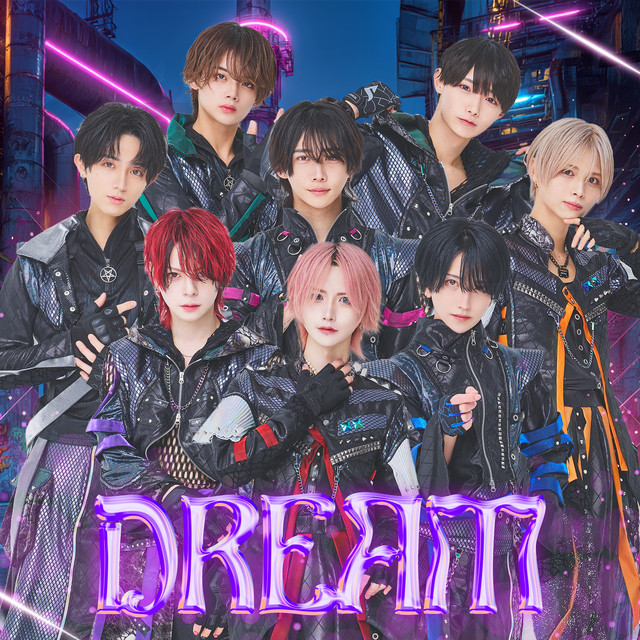
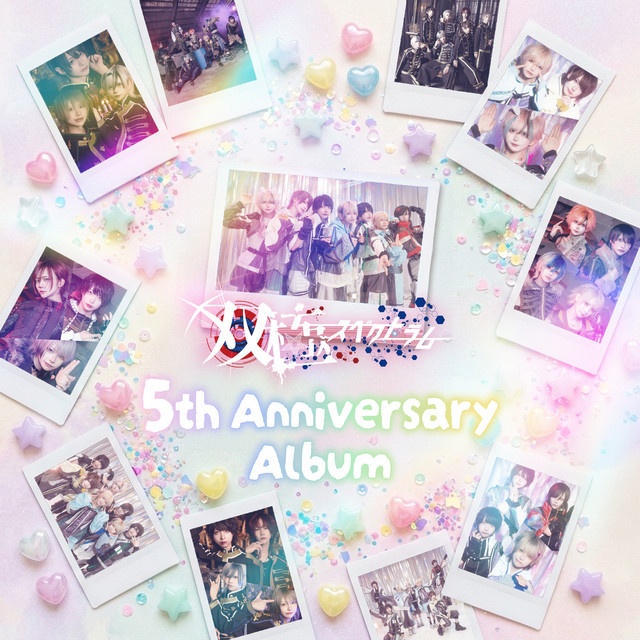
Men chika (メン地下) is the Japanese underground male idol scene, made up of boy groups who perform high-energy J‑pop and dance-pop in small live houses, theaters, and idol events rather than on major mainstream stages.
Musically it blends glossy J‑pop songwriting with club-ready EDM/electropop production, punchy hooks built for call-and-response, and chant breaks designed for wotagei/fan MIX participation. Songs commonly feature bright synths, four-on-the-floor or trap-inflected grooves, stacked gang shouts, and key‑change finales. Lyrically the focus is on youth, dreams, devotion, and intimacy with fans—reinforced by close-contact fan practices like cheki (instax photos) and meet-and-greets.
Culturally, men chika parallels the long-running “chika idol” (underground idol) movement on the women’s side, but orients to a largely female fanbase and a circuit centered on Tokyo live houses and regional circuits. It is as much a participatory fan culture as it is a sound, shaping how songs are arranged, staged, and monetized.
History
Men chika emerged in the early–mid 2010s in Japan as the male counterpart to the established underground idol ("chika idol") ecosystem. As independent idol venues, agencies, and idol-focused events multiplied, male dance/vocal units found a sustainable route outside major labels—booking short, frequent sets in live houses, building tight fan communities, and using cheki and merch to fund activities.
By the later 2010s, a recognizable network of clubs, festivals, and idol-specific promoters supported men chika groups in Tokyo (notably Shibuya, Shinjuku, and Ikebukuro) and across regional cities. Sonically, producers folded mainstream J‑pop and anison sensibilities into EDM/electropop frameworks, optimizing arrangements for call-and-response, synchronized chants, and choreography that highlighted individual members—and moments designed for fans’ MIX.
Like their female chika counterparts, men chika groups relied on frequent releases, showcase nights with multi-artist lineups, and high‑touch fan encounters. The economy centered on tickets, cheki, limited goods, and tiered fan benefits, with social media and short-form video integral to growth. This direct-to-fan model allowed rapid iteration of songs and choreographies informed by live feedback.
In the 2020s the scene diversified stylistically, experimenting with future-bass gloss, trap drums, denpa-kei brightness, and idol-game/anime aesthetics. While still live‑house oriented, men chika acts expanded via streaming, online handshakes, and video platforms, increasingly blurring into the broader dance‑vocal and 2.5D/anison spheres while keeping the underground ethos of proximity and participation.