

Genres
Artists
Albums
Make Music
Sign in
Sign in
Artists
Classical
Artists
Classical
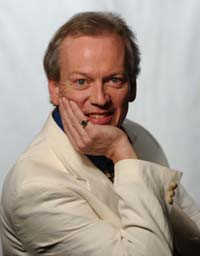
Hanspeter Gmür
1991–2014
·
10 albums
Listen
2
/5
Genres
Fictitious Orchestra
Fictitious orchestra refers to classical recordings marketed under invented or opaque ensemble names—often with pseudonymous conductors—intended for budget releases, compilation albums, library catalogs, or re-licensing. The musical content typically consists of public‑domain orchestral repertoire recorded by ad‑hoc studio ensembles or repackaged radio/archive tapes credited to non‑existent orchestras. Aesthetic markers include straightforward, no‑frills interpretations, standard tempos, and “clean” balances designed to suit background listening, mass distribution, or royalty‑free applications. While the performances can be competent, the practice is defined less by a distinct musical language than by production, marketing, and metadata strategies that obscure true provenance.
Discover
Listen
Chamber Orchestra
A chamber orchestra is a small, flexible orchestra typically ranging from about 15 to 45 musicians. It preserves the clarity and intimacy of chamber music while retaining orchestral color and range. Compared with a full symphony orchestra, it uses reduced forces—often single or paired winds and brass, a compact string body, and limited percussion—producing a transparent, agile sound. Chamber orchestras perform repertoire from the Baroque and Classical eras through to contemporary works, and they frequently revive older pieces with historically informed approaches. The format lends itself to conductor-led or conductorless performance, encouraging close ensemble listening, elegant phrasing, and finely detailed articulation.
Discover
Listen
Symphony
A symphony is a large-scale composition for orchestra, typically cast in multiple movements that contrast in tempo, key, and character. In the Classical era, the most common layout was four movements: a fast opening movement (often in sonata form), a slow movement, a dance-like movement (minuet or later scherzo), and a fast finale. Over time, the symphony evolved from compact works of the mid-18th century into expansive, architecturally ambitious statements in the 19th and 20th centuries. Composers increasingly treated the symphony as a vehicle for thematic development, cyclical unity, and dramatic narrative—sometimes programmatic, sometimes abstract—using the full coloristic range of the modern orchestra. While rooted in Classical balance and clarity, symphonies incorporate a wide spectrum of harmonic languages and orchestral techniques. From Haydn’s wit and structural innovation to Beethoven’s heroic scope, Mahler’s cosmic breadth, and Shostakovich’s modern intensity, the symphony has remained a central pillar of Western concert music.
Discover
Listen
Classical
Classical music is the notated art-music tradition of Europe and its global descendants, characterized by durable forms, carefully codified harmony and counterpoint, and a literate score-based practice. The term “classical” can refer broadly to the entire Western art-music lineage from the Medieval era to today, not just the Classical period (c. 1750s–1820s). It privileges long-form structures (such as symphonies, sonatas, concertos, masses, and operas), functional or modal harmony, thematic development, and timbral nuance across ensembles ranging from solo instruments to full orchestras and choirs. Across centuries, the style evolved from chant and modal polyphony to tonal harmony, and later to post-tonal idioms, while maintaining a shared emphasis on written notation, performance practice, and craft.
Discover
Listen
Albums
2014
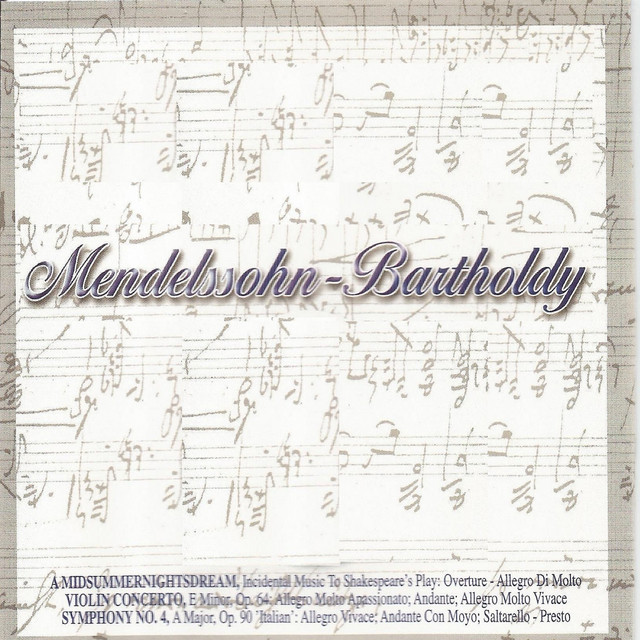
Mendelssohn - Bartholdy
Felix Mendelssohn, South German Philharmonic, Philharmonia Slovanica, Helena Sp…
Fictitious Orchestra
2009
Saint-Saens: Carnival of the Animals
Camille Saint-Saëns, Hanspeter Gmür, South German Philharmonic Orchestra
Fictitious Orchestra
2009
Music to Renew Your Soul
Hanspeter Gmür, Nuremberg Symphony Orchestra
Fictitious Orchestra
1999
The Genius of Verdi, Vol. 3
Verdi; Chorus of the Munich State Opera, Nürnberg Symphony Orchestra, Hanspeter…
Chamber Orchestra
Fictitious Orchestra
1996
A consagração da primavera / Petruchka
Igor Stravinsky; Philharmonia Slavonica, Hanspeter Gmür
Chamber Orchestra
Fictitious Orchestra
1995
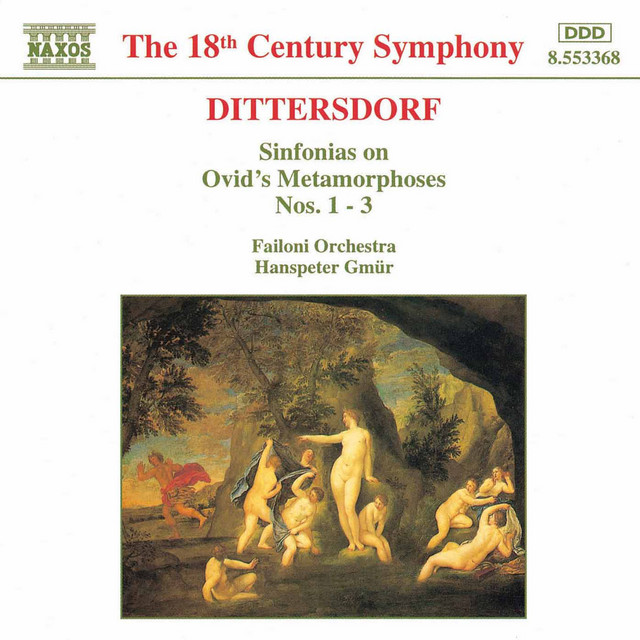
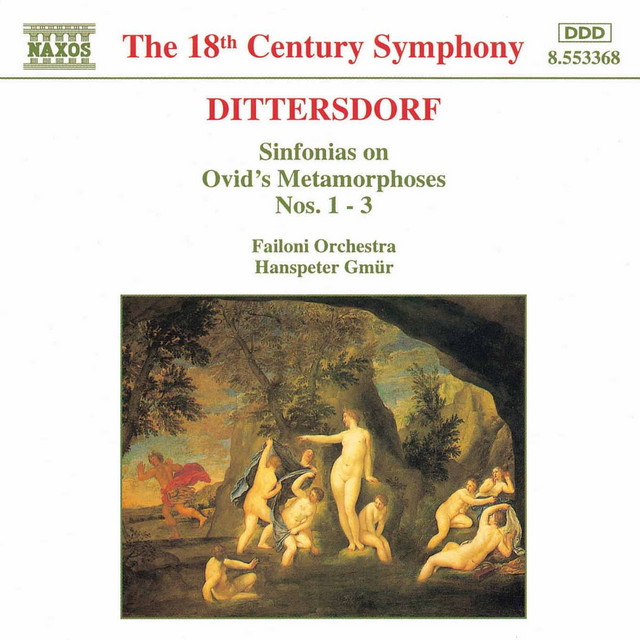
Dittersdorf: Sinfonias On Ovid's Metamorphoses, Nos. 1 - 3
Carl Ditters von Dittersdorf, Budapest Failoni Chamber Orchestra, Hanspeter Gmür
Chamber Orchestra
1995
Dittersdorf: Sinfonias On Ovid's Metamorphoses, Nos. 4 - 6
Carl Ditters von Dittersdorf, Budapest Failoni Chamber Orchestra, Hanspeter Gmür
Chamber Orchestra
1995
Sinfonias, Vol. 3: Sinfonias, op. 9, nos. 1-3 / Sinfonie Concertanti
Johann Christian Bach; Camerata Budapest, Hanspeter Gmür
Classical
Symphony
1993
Double Violin Concerto / Violin Partita / Orchestral Suite no. 2
Bach; Camerata Rhenania, Hanspeter Gmür, Francesco Macci, Conrad von der Goltz
Chamber Orchestra
Fictitious Orchestra
1991
Concertos for Ferdinand IV, King of Naples Hob.:VIIh/1-4
Joseph Haydn; Hanspeter Gmür, Camerata Rhenania
Chamber Orchestra
Fictitious Orchestra
Similar artists
4
/5
Wolfgang Amadeus Mozart
Classical
Requiem
Classical Period
4
/5
Ludwig van Beethoven
Classical
Classical Period
Romantic Classical
4
/5
Antonín Dvořák
Classical
Symphony
Symfonicky Orchestr
4
/5
Pyotr Ilyich Tchaikovsky
Classical
Moscow School
Ballet
4
/5
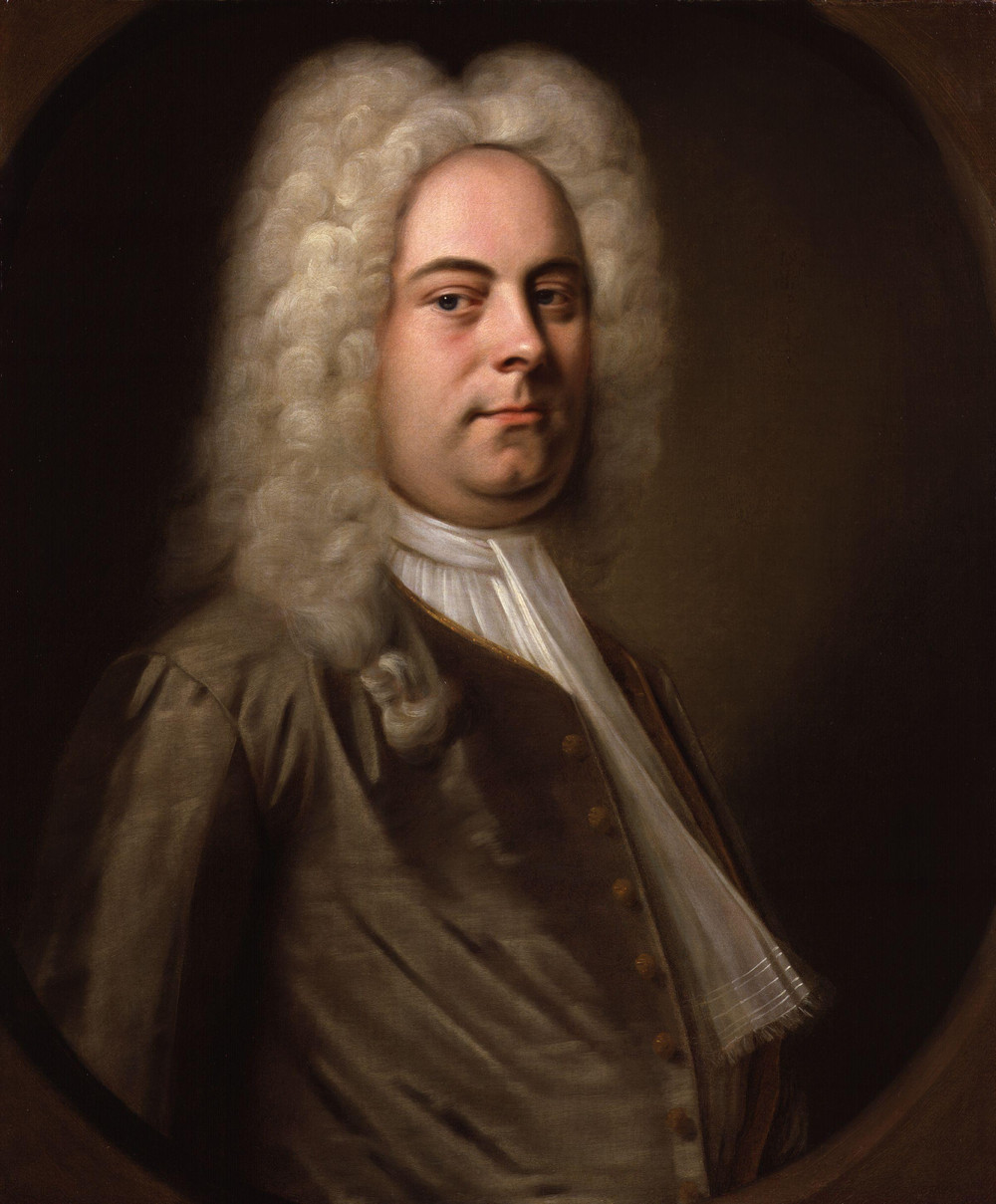
George Frideric Handel
Classical
Opera Seria
Classical Countertenor
4
/5
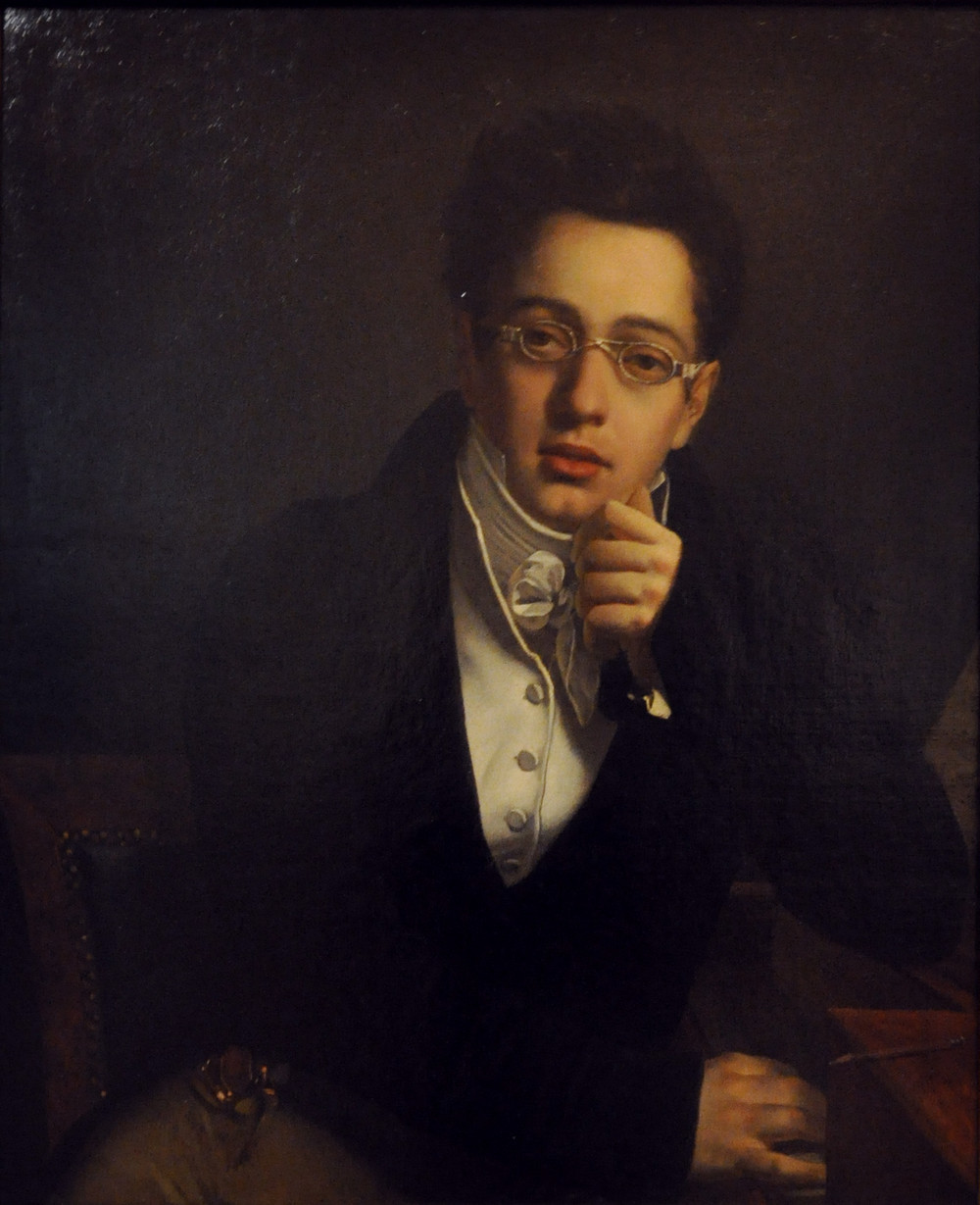
Franz Schubert
Impromptu
Lied
Art Song
3
/5
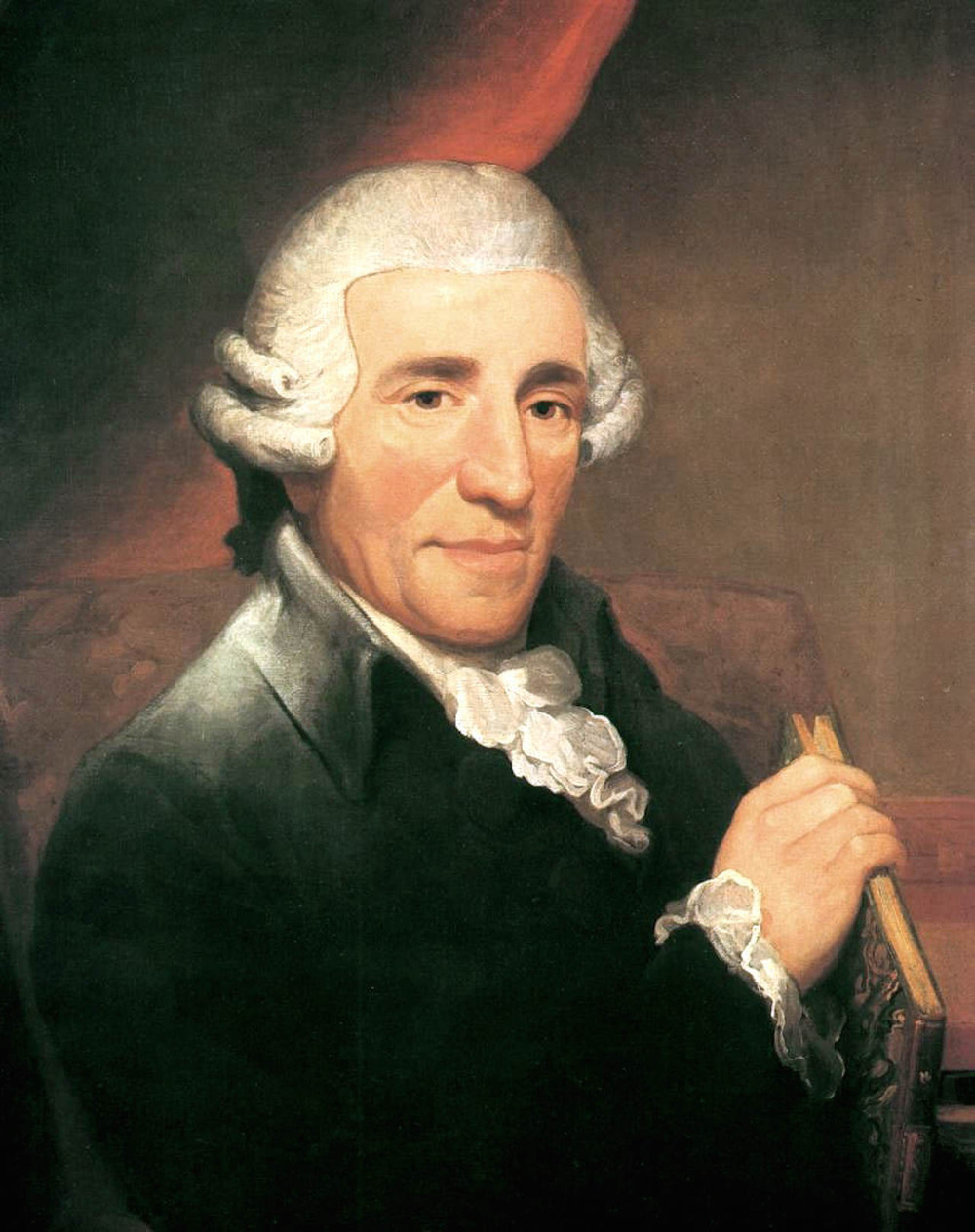
Joseph Haydn
Classical
Classical Period
Classical Piano Trio
3
/5
Howard Shelley
Classical
Classical Piano
Concerto
3
/5
Arvo Pärt
Minimalism
Classical
Holy Minimalism
3
/5
Antoni Wit
Classical
Requiem
Orkiestra Symfoniczna
Download our mobile app
Get the Melodigging app and start digging for new genres on the go
Download on the App Store
Get it on Google Play
© 2026 Melodigging
Give feedback
Legal
Melodding was created as a tribute to
Every Noise at Once
, which inspired us to help curious minds keep digging into music's ever-evolving genres.