Genres
Artists
Albums
Make Music
Sign in
Sign in
Artists
Classic Jazz
Artists
Classic Jazz
Gregory Golub
2019
·
1 album
Listen
Genres
Contemporary Jazz
Contemporary jazz is an umbrella term for post-1970 jazz that absorbs advances from post‑bop, fusion, free jazz, modern classical, and global traditions while retaining the core values of improvisation and interaction. It favors a flexible rhythmic feel (from straight‑8 to polyrhythms), modal and post‑tonal harmony, and a producer’s ear for space, texture, and sound design. Unlike earlier era labels tied to a single movement, contemporary jazz denotes a living, evolving practice. It ranges from intimate acoustic trios to electronics‑enhanced ensembles, often using odd meters, ambient timbres, and song forms that move beyond the 32‑bar standard. The result is a wide spectrum—from lyrical, ECM‑influenced spaciousness to groove‑forward, rhythmically intricate music influenced by funk and world traditions.
Discover
Listen
World Fusion
World fusion is a broad, exploratory approach that blends musical traditions from different cultures with contemporary forms such as jazz, rock, ambient, and electronic music. Rather than being tied to a single folk lineage, it privileges hybrid instrumentation, modal and rhythmic vocabularies from around the globe, and collaborative performance practices. Compared with the more pop-oriented worldbeat, world fusion tends to be more improvisational, texture-driven, and studio- or ensemble-focused. It commonly juxtaposes instruments like oud, kora, sitar, tabla, duduk, and frame drums with electric guitar, synthesizers, and jazz rhythm sections, often emphasizing modal harmony, drones, polyrhythms, and odd meters.
Discover
Listen
Jazz Fusion
Jazz fusion (often simply called "fusion") blends the improvisational language and harmonic richness of jazz with the amplified instruments, grooves, and song forms of rock, funk, and R&B. It typically features electric guitars, electric bass or fretless bass, Rhodes electric piano, clavinet, analog and digital synthesizers, and a drum kit playing backbeat- and syncopation-heavy patterns. Hallmarks include extended chords and modal harmony, complex and shifting meters, brisk unison lines, virtuosic improvisation, and a production aesthetic that embraces effects processing and studio craft. The style ranges from fiery, aggressive workouts to polished, atmospheric textures, often within the same piece. Emerging in the late 1960s and flourishing through the 1970s, jazz fusion became a bridge between jazz audiences and rock/funk listeners, shaping later styles such as jazz-funk, smooth jazz, nu jazz, and parts of progressive and technical rock/metal.
Discover
Listen
Classic Jazz
Classic jazz refers to the earliest, pre-swing era of jazz that coalesced in New Orleans and spread to Chicago and New York during the Jazz Age. It is characterized by small ensembles, collective improvisation, and a two-beat feel rooted in marches, ragtime, and the blues. A typical front line of cornet/trumpet, clarinet, and trombone spins interlocking melodies over a rhythm section of banjo or piano, tuba or string bass, and drums. Forms such as the 12-bar blues and 16- or 32-bar popular song structures dominate, and arrangements often alternate ensemble choruses with brief breaks and solo spots. The music retains the "Spanish tinge" (habanera rhythms), heavy use of mutes and growls, and call-and-response textures that reflect both African American and Creole traditions.
Discover
Listen
Instrumental Jazz
Instrumental jazz is jazz music performed without a lead vocalist, placing the expressive focus on melody instruments, rhythm section interplay, and improvisation. It typically features a "head–solos–head" structure, where a composed theme frames spontaneously created solos. Harmonically, instrumental jazz is known for extended chords (9ths, 11ths, 13ths), ii–V–I cadences, modal harmony, and chromatic voice-leading. Rhythmically it draws on swing, syncopation, and groove-based feels from walking bass and ride-cymbal patterns to contemporary straight-8ths and odd meters. Ensembles range from intimate trios and quartets to large big bands, giving the style great timbral variety. By removing lyrics, instrumental jazz emphasizes timbre, phrasing, and interaction—how players listen and respond to one another—making it a showcase for improvisational storytelling and ensemble conversation.
Discover
Listen
Jazz
Jazz is an improvisation-centered music tradition that emerged from African American communities in the early 20th century. It blends blues feeling, ragtime syncopation, European harmonic practice, and brass band instrumentation into a flexible, conversational art. Defining features include swing rhythm (a triplet-based pulse), call-and-response phrasing, blue notes, and extended harmonies built on 7ths, 9ths, 11ths, and 13ths. Jazz is as much a way of making music—spontaneous interaction, variation, and personal sound—as it is a set of forms and tunes. Across its history, jazz has continually hybridized, from New Orleans ensembles and big-band swing to bebop, cool and hard bop, modal and free jazz, fusion, and contemporary cross-genre experiments. Its influence permeates global popular and art music.
Discover
Listen
Blues
Blues is an African American musical tradition defined by expressive "blue notes," call-and-response phrasing, and a characteristic use of dominant-seventh harmony in cyclical song forms (most famously the 12‑bar blues). It is as much a feeling as a form, conveying sorrow, resilience, humor, and hard-won joy. Musically, blues commonly employs the I–IV–V progression, swung or shuffled rhythms, and the AAB lyric stanza. Melodies lean on the minor/major third ambiguity and the flattened fifth and seventh degrees. Core instruments include voice, guitar (acoustic or electric), harmonica, piano, bass, and drums, with slide guitar, bends, and vocal melismas as signature techniques. Over time the blues has diversified into regional and stylistic currents—Delta and Piedmont country blues, urban Chicago and Texas blues, West Coast jump and boogie-woogie—while profoundly shaping jazz, rhythm & blues, rock and roll, soul, funk, and much of modern popular music.
Discover
Listen
Instrumental
Instrumental is music created and performed without sung lyrics, placing the expressive weight on melody, rhythm, harmony, and timbre produced by instruments. As an umbrella practice it appears in many cultures, but its modern identity cohered in Baroque-era Europe when purely instrumental forms such as the sonata, concerto, and dance suites began to flourish. Since then, instrumental thinking—developing motives, structuring form without text, and showcasing timbral contrast—has informed everything from orchestral music and solo piano repertoire to post-rock, film scores, and beat-driven electronic styles. Instrumental works can be intimate (solo or chamber) or expansive (full orchestra), narrative (programmatic) or abstract (absolute music). The absence of lyrics invites listeners to project imagery and emotion, making the style a natural fit for cinema, games, and contemplative listening.
Discover
Listen
Show all 8 genres
Albums
2019
Jazz Aftertaste
Gregory Golub
Classic Jazz
Contemporary Jazz
Instrumental Jazz
Similar artists
Hide discovered
3
/5
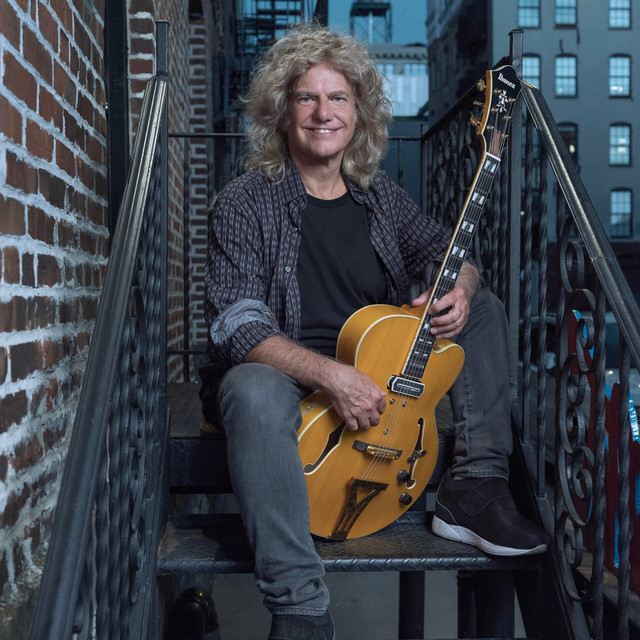
Pat Metheny
Avant-Garde Jazz
Jazz
Jazz Fusion
3
/5
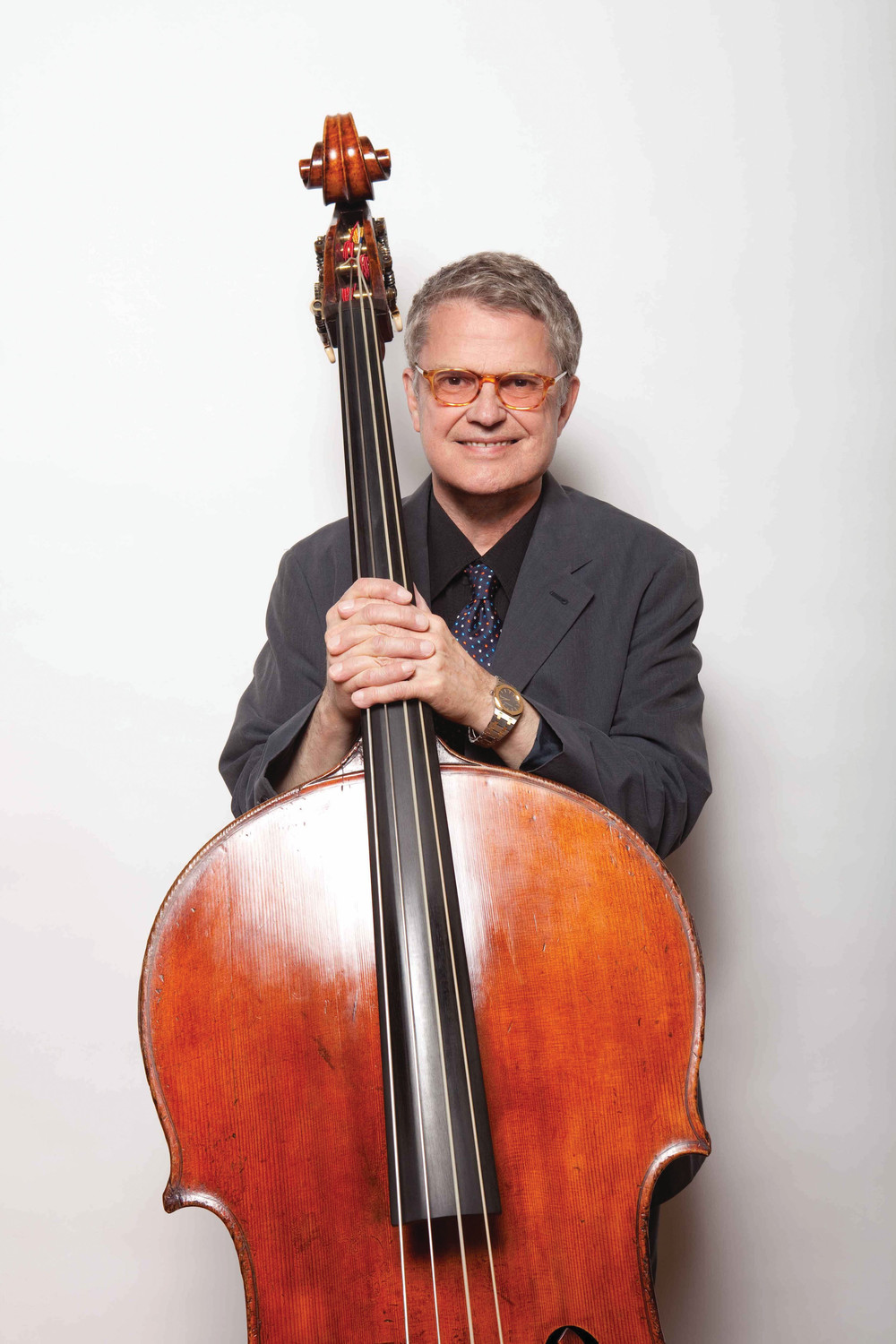
Charlie Haden
Jazz
Avant-Garde Jazz
Big Band
3
/5
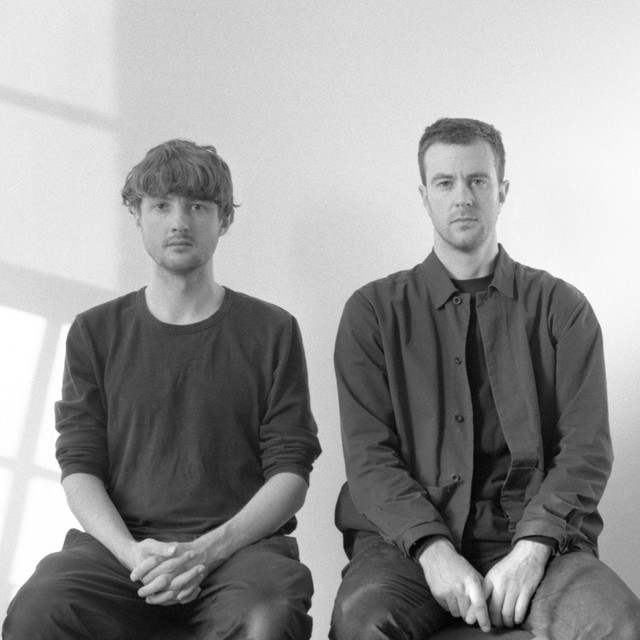
Portico Quartet
Contemporary Jazz
Jazz
Nu Jazz
3
/5
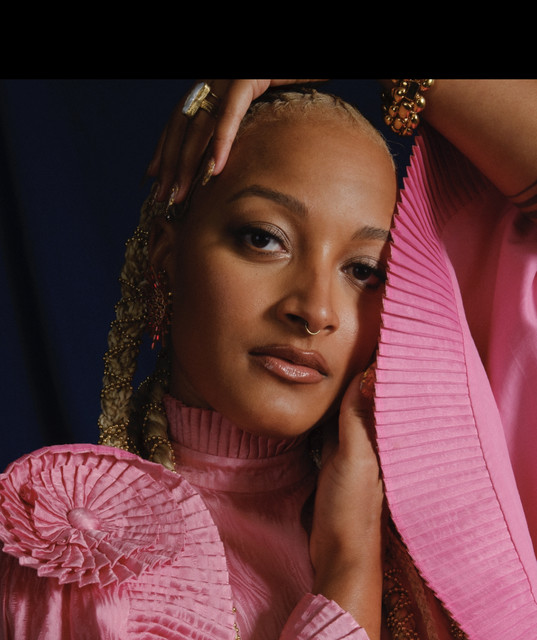
Nubya Garcia
Jazz
Indie Jazz
Jazz-Funk
1
/5
Various Artists
Soundtrack
Afro-Funk
Alternative Rock
3
/5
bohemianvoodoo
Jazz Fusion
Math Rock
Contemporary Jazz
3
/5
Oscar Peterson
Jazz
Bebop
Cool Jazz
3
/5
Bill Laurance
Jazz
Contemporary Jazz
Ambient
4
/5
Prince
Funk
Minneapolis Sound
Synth Funk
4
/5
Norah Jones
Jazz
Contemporary Vocal Jazz
Vocal Jazz
Download our mobile app
Get the Melodigging app and start digging for new genres on the go
Download on the App Store
Get it on Google Play
© 2026 Melodigging
Give feedback
Legal
Melodding was created as a tribute to
Every Noise at Once
, which inspired us to help curious minds keep digging into music's ever-evolving genres.