Genres
Artists
Albums
Make Music
Sign in
Sign in
Artists
Avant-Garde Jazz
Artists
Avant-Garde Jazz
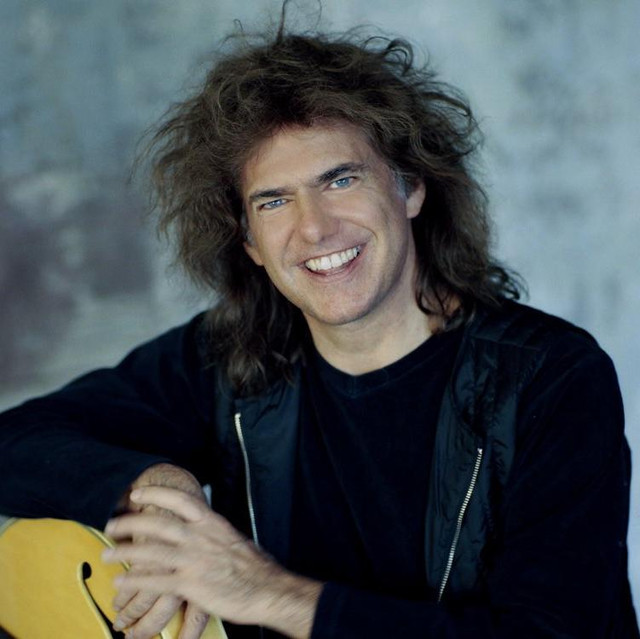
Pat Metheny
1976–2026
·
22 albums
Listen
3
/5
Genres
New Jazz
New Jazz is a contemporary subgenre of trap music that emerged from the underground SoundCloud scene. Despite its name, it is distinct from the 'Nu Jazz' of the 1990s. It is characterized by colorful, repetitive synthesizer melodies, often utilizing jazz-influenced 7th and 9th chords, paired with 'wonky' or off-kilter 808 basslines and bouncy, complex trap drum patterns. The sound is often described as psychedelic, playful, and experimental, bridging the gap between the aggression of Rage beats and the melodic sensibilities of Pluggnb.
Discover
Listen
Indian Indie
Indian indie is the umbrella for independent, non-film music made in India across languages such as Hindi, English, and numerous regional tongues. It is defined more by its DIY production and artist-led release model than by a single sound. Musically, it spans indie pop and rock, folk-fusion, singer‑songwriter ballads, dream‑pop/shoegaze textures, and electronic‑leaning productions. Artists often blend Western harmony and song forms with raga‑tinged melodies, Indian rhythmic feels, and occasional use of traditional instruments like tabla, bansuri, or sitar. The scene grew rapidly with college festivals, small venues, and digital platforms (YouTube, streaming services, Bandcamp), plus boutique labels and festivals such as NH7 Weekender that created national visibility. Lyrically, it tends to be intimate and contemporary—touching on romance, urban life, identity, and nostalgia—while maintaining accessible hooks and warm, organic sonics.
Discover
Listen
Rebel Blues
Rebel blues is a modern, sync‑ready strain of blues‑rock built for maximum swagger and impact. It fuses raw Delta and electric blues riffing with arena‑scale rock production, stomp‑and‑clap percussion, and chantable hooks designed to energize crowds and cut through on broadcasts. Typical tracks feature overdriven or slide guitars playing muscular, pentatonic riffs; a heavy, four‑on‑the‑floor kick and toms; handclaps, foot stomps, and gang shouts; and gritty, chest‑voice vocals delivering concise, rebellious slogans. Arrangements emphasize big intros and risers, clear edit points, and climactic endings, making the style a staple of sports, trailers, promos, and action‑forward advertising.
Discover
Listen
Contemporary Post-Bop
Contemporary post-bop is a modern continuation of the post-bop language, balancing the harmonic sophistication of bebop and hard bop with modal harmony, free-jazz openness, and updated rhythmic concepts. It typically favors small acoustic ensembles (saxophone or trumpet-led groups with piano, double bass, and drums), although guitar often substitutes or augments the piano in many groups. Compared with classic post-bop of the 1960s, contemporary post-bop embraces broader metric variety (odd meters, mixed meter, and polyrhythms), more flexible forms, and a wider palette of timbres. The writing often features original compositions with memorable heads, extended harmonies, motivic development, and space for improvisation that can move fluidly from inside playing to harmonically “outside” lines. The aesthetic ranges from straight-ahead swing to straight-eighth textures, with influences from ECM-style lyricism, modern classical voicings, and contemporary groove-oriented feels. The result is music that sounds rooted in the jazz tradition yet distinctly current in touch and tone.
Discover
Listen
Contemporary Jazz
Contemporary jazz is an umbrella term for post-1970 jazz that absorbs advances from post‑bop, fusion, free jazz, modern classical, and global traditions while retaining the core values of improvisation and interaction. It favors a flexible rhythmic feel (from straight‑8 to polyrhythms), modal and post‑tonal harmony, and a producer’s ear for space, texture, and sound design. Unlike earlier era labels tied to a single movement, contemporary jazz denotes a living, evolving practice. It ranges from intimate acoustic trios to electronics‑enhanced ensembles, often using odd meters, ambient timbres, and song forms that move beyond the 32‑bar standard. The result is a wide spectrum—from lyrical, ECM‑influenced spaciousness to groove‑forward, rhythmically intricate music influenced by funk and world traditions.
Discover
Listen
Ecm Style Jazz
ECM style jazz refers to the spacious, chamber-like jazz aesthetic associated with the German label ECM (Edition of Contemporary Music), founded in 1969. The sound blends the restrained lyricism of Cool Jazz, the notated clarity and counterpoint of Third Stream/Western classical traditions, and the coloristic harmony and timbral exploration of Jazz Fusion. Hallmarks include crystalline recording quality with pronounced room ambience, patient tempos, modal or pedal-point harmony, and a strong emphasis on tone, silence, and ensemble blend. Melodies often feel hymn-like or folk-inflected; rhythms drift between rubato openness and subtly grooving ostinati rather than hard backbeats. The result is contemplative, atmospheric jazz that can feel as close to contemporary classical and ambient music as it does to post-bop.
Discover
Listen
Jazz Fusion
Jazz fusion (often simply called "fusion") blends the improvisational language and harmonic richness of jazz with the amplified instruments, grooves, and song forms of rock, funk, and R&B. It typically features electric guitars, electric bass or fretless bass, Rhodes electric piano, clavinet, analog and digital synthesizers, and a drum kit playing backbeat- and syncopation-heavy patterns. Hallmarks include extended chords and modal harmony, complex and shifting meters, brisk unison lines, virtuosic improvisation, and a production aesthetic that embraces effects processing and studio craft. The style ranges from fiery, aggressive workouts to polished, atmospheric textures, often within the same piece. Emerging in the late 1960s and flourishing through the 1970s, jazz fusion became a bridge between jazz audiences and rock/funk listeners, shaping later styles such as jazz-funk, smooth jazz, nu jazz, and parts of progressive and technical rock/metal.
Discover
Listen
Post-Bop
Post-bop is a modern jazz style that emerged in the early-to-mid 1960s as a synthesis of bebop, hard bop, modal jazz, cool jazz, third stream ideas, and the experimental impulses of the avant‑garde. It typically features acoustic small ensembles (often trumpet, saxophone, piano, bass, and drums) interacting with highly flexible time, non-functional or modal harmony, and motivic development rather than relying strictly on bebop chord cycles. Its sound balances structure and freedom: forms are clearly composed and often intricate, but improvisers stretch time feels, reharmonize on the fly, and use advanced harmonic colors such as quartal voicings, pedal points, and chromatic planing. Canonical touchstones include Miles Davis’s mid‑’60s Second Great Quintet (e.g., E.S.P., Nefertiti), Wayne Shorter’s Speak No Evil, Herbie Hancock’s Maiden Voyage, Andrew Hill’s Point of Departure, and many mid‑’60s Blue Note recordings that pushed beyond hard bop.
Discover
Listen
Avant-Garde Jazz
Avant-garde jazz is a boundary-pushing current of jazz that privileges experimentation, collective improvisation, and timbral exploration over conventional song forms and chord progressions. It often uses atonality or loose tonality, extended instrumental techniques, shifting or absent meters, and open forms. Ensembles may emphasize texture and density as much as melody and harmony, drawing as readily from modern classical music and non-Western traditions as from blues and bebop. While sometimes intense or noisy, avant-garde jazz also embraces spaciousness and silence, allowing players to interact in real time without predetermined roles. The result is music that questions the limits of jazz itself, foregrounding sound, spontaneity, and social expression.
Discover
Listen
Chamber Jazz
Chamber jazz is a refined, small-ensemble approach to jazz that borrows the intimacy, timbral palette, and structural thinking of classical chamber music. Instead of big-band power or hard-swinging virtuosic displays, it prioritizes subtle dynamics, contrapuntal lines, and carefully shaped arrangements. Typical instrumentation includes piano, vibraphone, guitar, double bass, light percussion, and at times strings or woodwinds. Improvisation remains central, but solos are restrained, conversational, and integrated into composed frameworks. The overall sound is spacious, lyrical, and acoustically focused—frequently closer to the volume and precision of a chamber group than to a club combo. Historically adjacent to cool jazz and Third Stream, the style was later deepened by the ECM label’s spacious production aesthetic, which emphasized silence, resonance, and a modern classical sensibility. The result is music that can feel calm and contemplative without losing jazz’s harmonic depth and rhythmic subtlety.
Discover
Listen
Rock
Rock is a broad family of popular music centered on amplified instruments, a strong backbeat, and song forms that foreground riffs, choruses, and anthemic hooks. Emerging from mid‑20th‑century American styles like rhythm & blues, country, and gospel-inflected rock and roll, rock quickly expanded in scope—absorbing folk, blues, and psychedelic ideas—while shaping global youth culture. Core sonic markers include electric guitar (often overdriven), electric bass, drum kit emphasizing beats 2 and 4, and emotive lead vocals. Rock songs commonly use verse–chorus structures, blues-derived harmony, and memorable melodic motifs, ranging from intimate ballads to high‑energy, stadium‑sized performances.
Discover
Listen
Jazz
Jazz is an improvisation-centered music tradition that emerged from African American communities in the early 20th century. It blends blues feeling, ragtime syncopation, European harmonic practice, and brass band instrumentation into a flexible, conversational art. Defining features include swing rhythm (a triplet-based pulse), call-and-response phrasing, blue notes, and extended harmonies built on 7ths, 9ths, 11ths, and 13ths. Jazz is as much a way of making music—spontaneous interaction, variation, and personal sound—as it is a set of forms and tunes. Across its history, jazz has continually hybridized, from New Orleans ensembles and big-band swing to bebop, cool and hard bop, modal and free jazz, fusion, and contemporary cross-genre experiments. Its influence permeates global popular and art music.
Discover
Listen
Instrumental Jazz
Instrumental jazz is jazz music performed without a lead vocalist, placing the expressive focus on melody instruments, rhythm section interplay, and improvisation. It typically features a "head–solos–head" structure, where a composed theme frames spontaneously created solos. Harmonically, instrumental jazz is known for extended chords (9ths, 11ths, 13ths), ii–V–I cadences, modal harmony, and chromatic voice-leading. Rhythmically it draws on swing, syncopation, and groove-based feels from walking bass and ride-cymbal patterns to contemporary straight-8ths and odd meters. Ensembles range from intimate trios and quartets to large big bands, giving the style great timbral variety. By removing lyrics, instrumental jazz emphasizes timbre, phrasing, and interaction—how players listen and respond to one another—making it a showcase for improvisational storytelling and ensemble conversation.
Discover
Listen
Electronic
Electronic is a broad umbrella genre defined by the primary use of electronically generated or electronically processed sound. It encompasses music made with synthesizers, drum machines, samplers, computers, and studio/tape techniques, as well as electroacoustic manipulation of recorded or synthetic sources. The genre ranges from academic and experimental traditions to popular and dance-oriented forms. While its sonic palette is rooted in electricity and circuitry, its aesthetics span minimal and textural explorations, structured song forms, and beat-driven club permutations. Electronic emphasizes sound design, timbre, and studio-as-instrument practices as much as melody and harmony.
Discover
Listen
Mechanical Music
Mechanical music is music generated by self‑playing instruments that read and reproduce music through purely mechanical means, with no major electronically controlled elements. Typical carriers include pinned cylinders and discs (music boxes and barrel organs), perforated paper rolls (player pianos), and cardboard music books (fairground and dance organs). Sound is produced by physical actions—plucked steel teeth, organ pipes driven by bellows, struck strings or percussion—set in motion by clockworks, cranks, weights, or pneumatic actions. The result is a precise, repeatable performance that reflects both the arrangement encoded on the medium and the tonal character of the instrument.
Discover
Listen
Instrumental
Instrumental is music created and performed without sung lyrics, placing the expressive weight on melody, rhythm, harmony, and timbre produced by instruments. As an umbrella practice it appears in many cultures, but its modern identity cohered in Baroque-era Europe when purely instrumental forms such as the sonata, concerto, and dance suites began to flourish. Since then, instrumental thinking—developing motives, structuring form without text, and showcasing timbral contrast—has informed everything from orchestral music and solo piano repertoire to post-rock, film scores, and beat-driven electronic styles. Instrumental works can be intimate (solo or chamber) or expansive (full orchestra), narrative (programmatic) or abstract (absolute music). The absence of lyrics invites listeners to project imagery and emotion, making the style a natural fit for cinema, games, and contemplative listening.
Discover
Listen
Show all 16 genres
Albums
2026
1
/5
In On It
Pat Metheny
Avant-Garde Jazz
Contemporary Post-Bop
Jazz Fusion
2025
2
/5
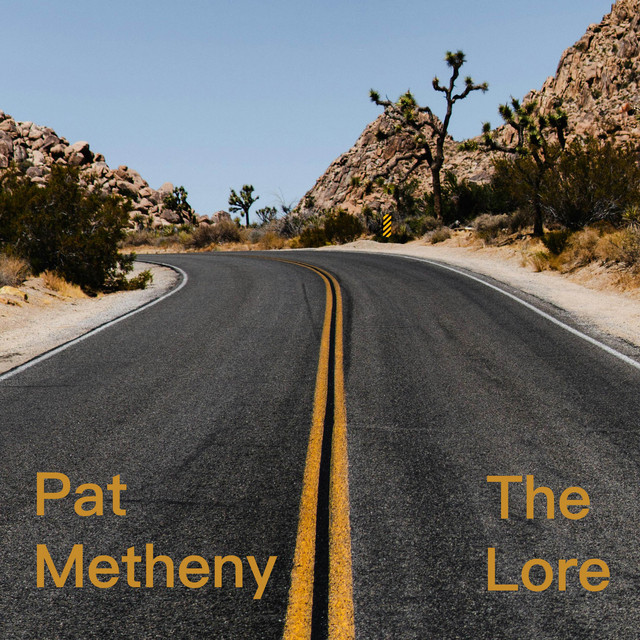
The Lore
Pat Metheny
Avant-Garde Jazz
2024
3
/5
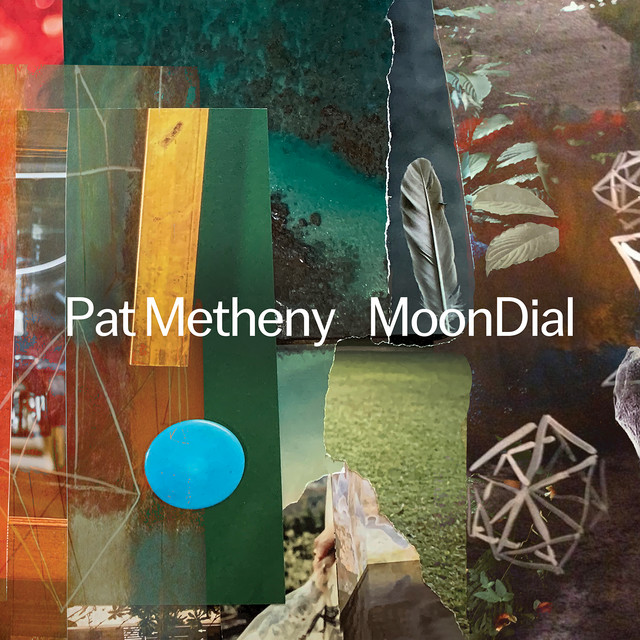
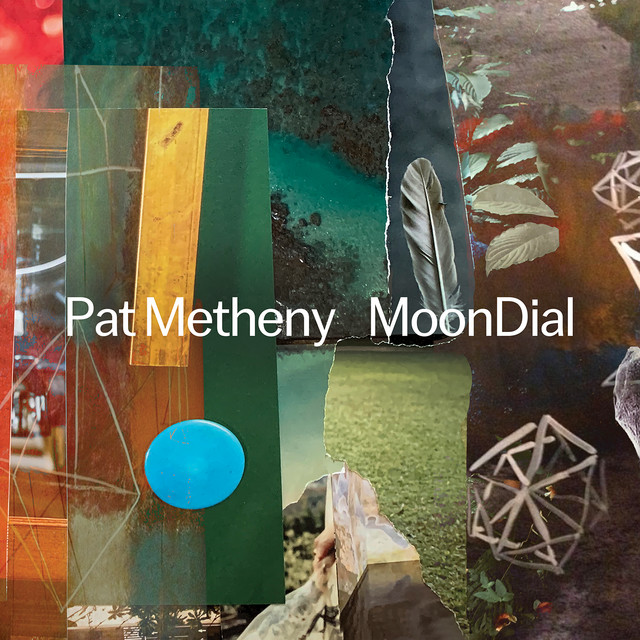
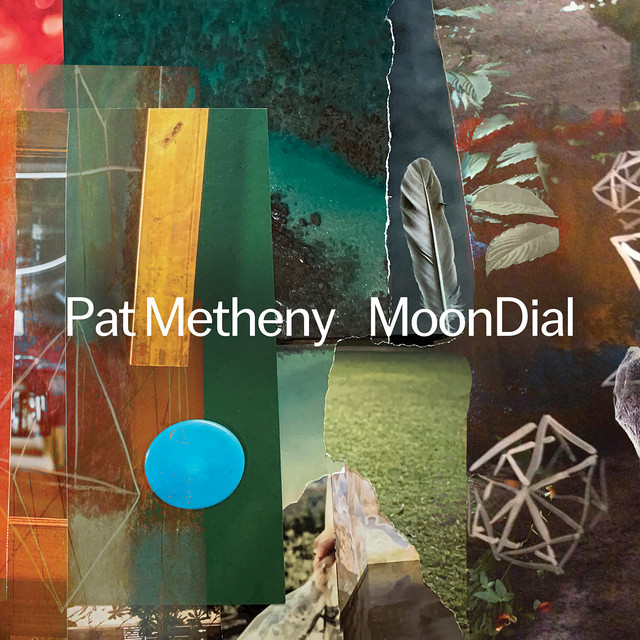
MoonDial
Pat Metheny
Avant-Garde Jazz
Instrumental Jazz
Jazz
2024
2
/5
Here, There and Everywhere
Pat Metheny
Avant-Garde Jazz
2024
1
/5
You’re Everything
Pat Metheny
Avant-Garde Jazz
Contemporary Post-Bop
2024
3
/5
MoonDial
Pat Metheny
Avant-Garde Jazz
Contemporary Post-Bop
Jazz Fusion
2023
3
/5
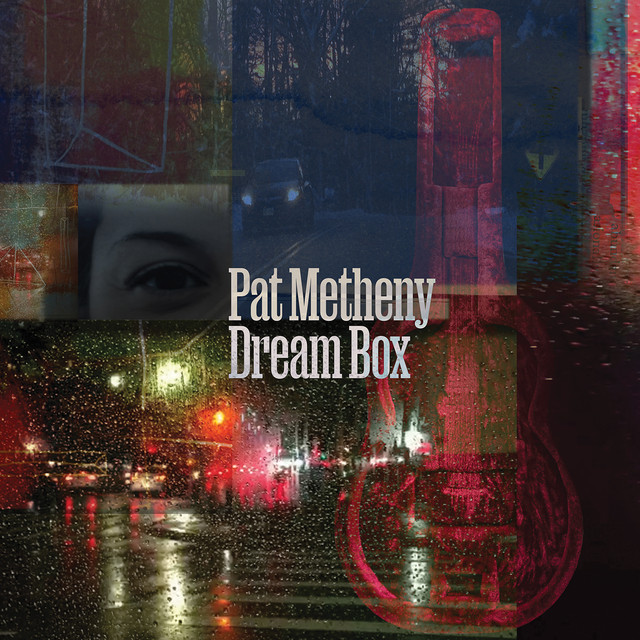
Dream Box
Pat Metheny
Avant-Garde Jazz
Contemporary Post-Bop
Jazz
2021
2
/5
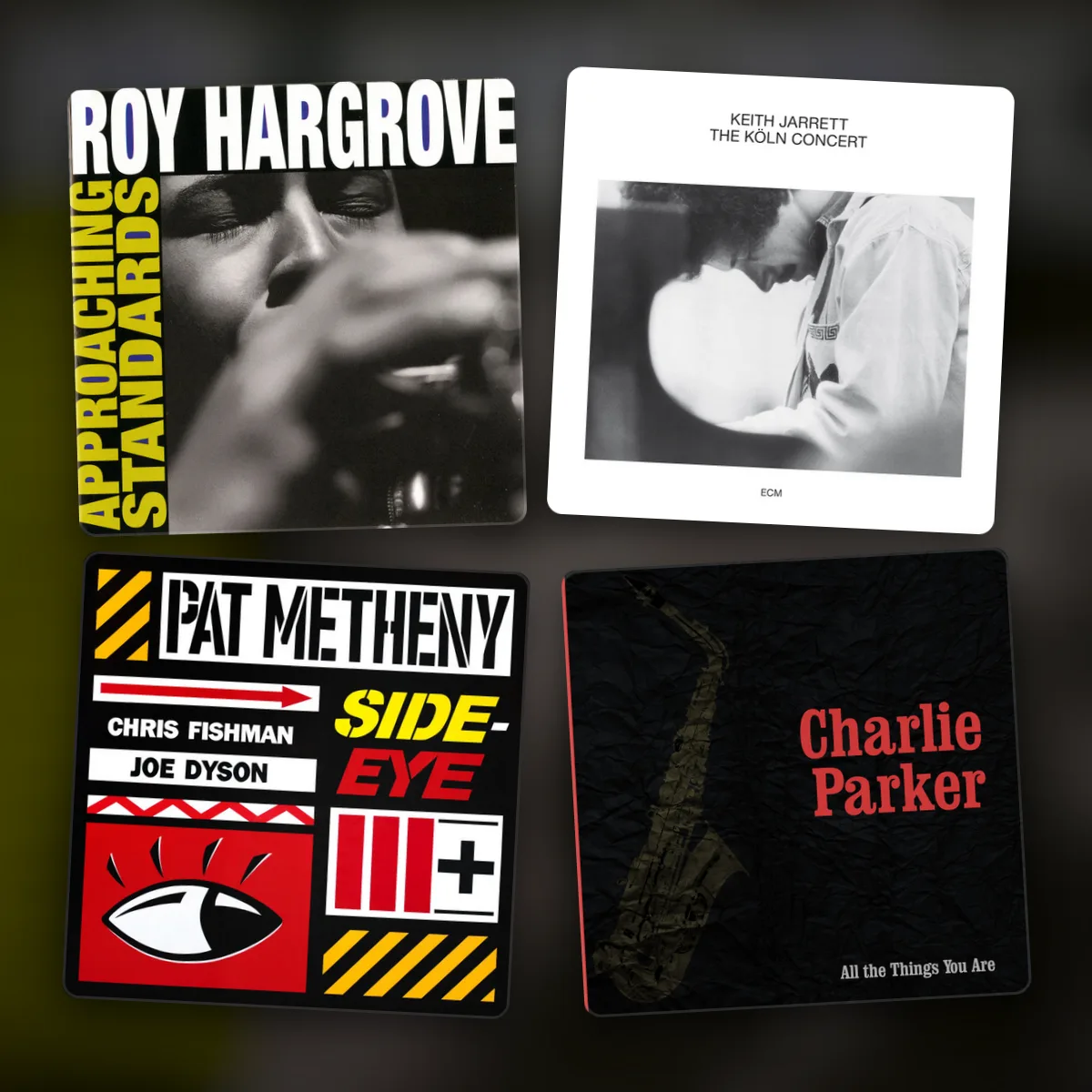
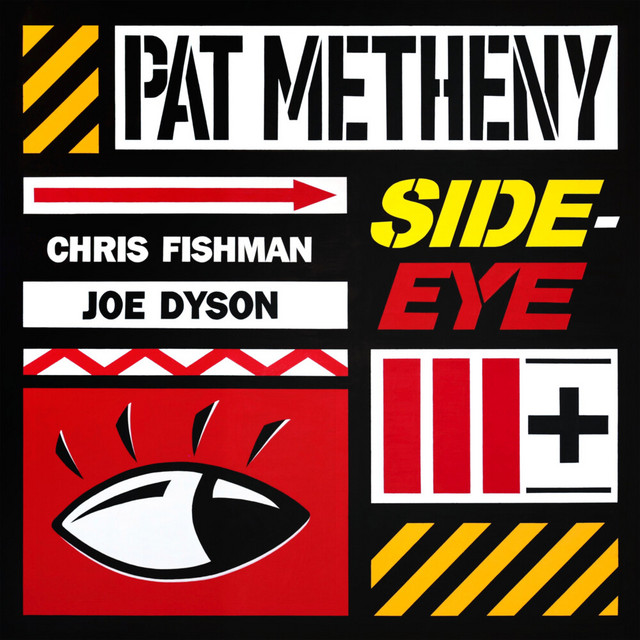
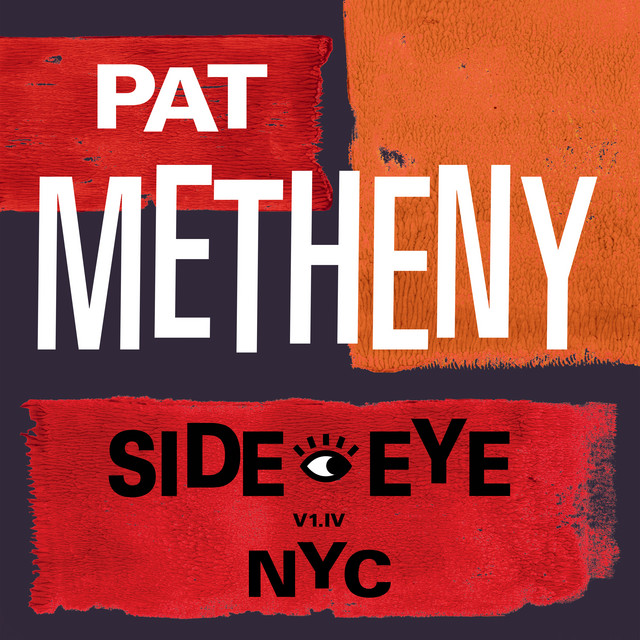
Side-Eye NYC (V1.IV)
Pat Metheny
Avant-Garde Jazz
2020
1
/5
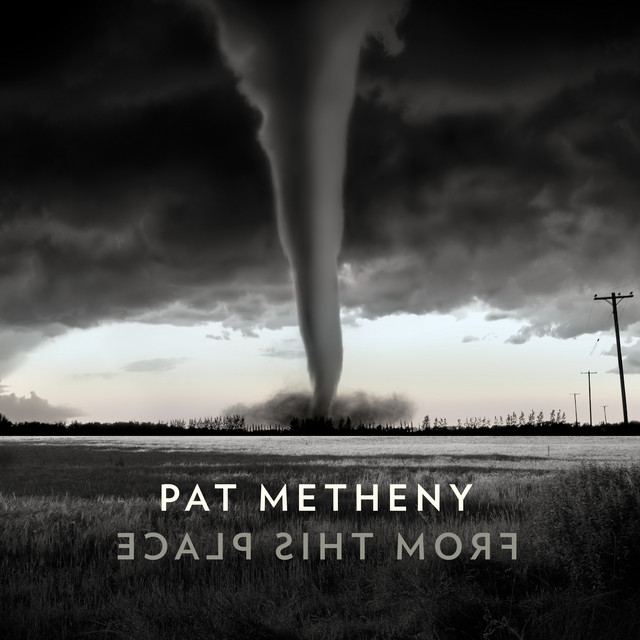
From This Place
Pat Metheny
Avant-Garde Jazz
Contemporary Jazz
Jazz
2011
1
/5
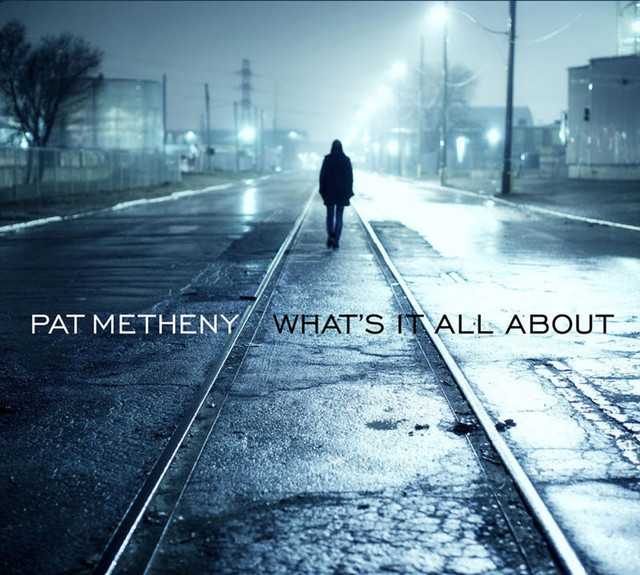
What's It All About
Pat Metheny
Avant-Garde Jazz
Instrumental
Jazz
2010
1
/5
Orchestrion
Pat Metheny
Mechanical Music
2003
1
/5
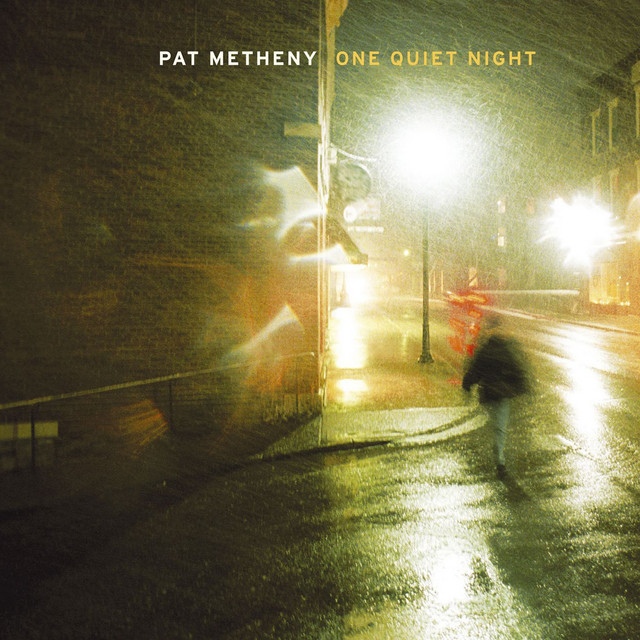
One Quiet Night
Pat Metheny
Avant-Garde Jazz
Contemporary Jazz
Jazz
1999
1
/5
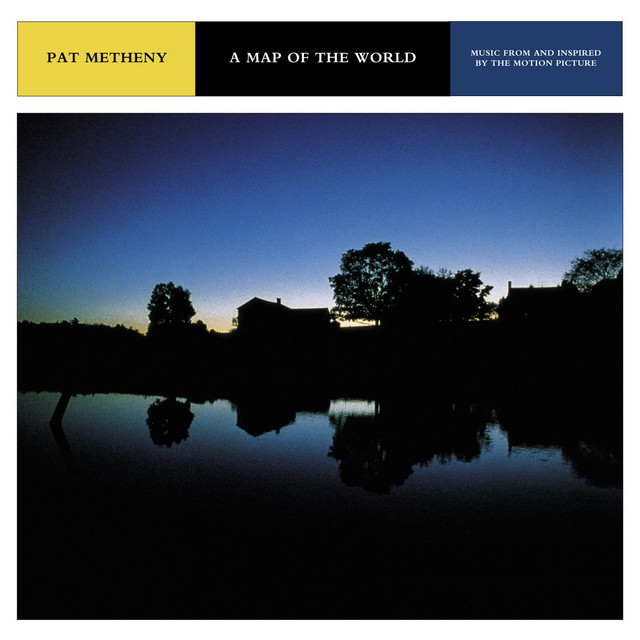
A Map of the World-Music from and Inspired by the Motion Picture
Pat Metheny
Avant-Garde Jazz
1997
3
/5
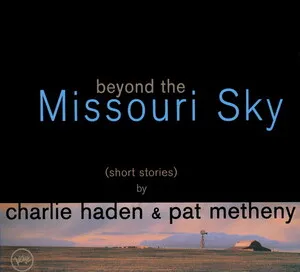
Beyond the Missouri Sky (Short Stories)
Charlie Haden & Pat Metheny
Chamber Jazz
Contemporary Jazz
Instrumental Jazz
1992
3
/5
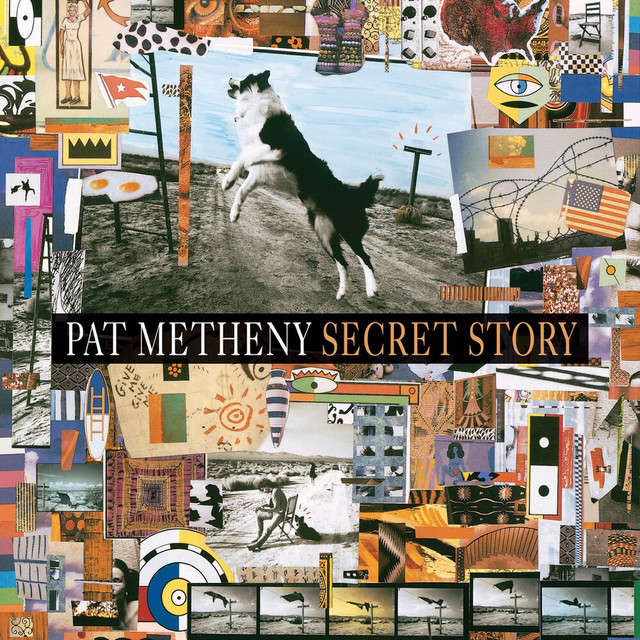
Secret Story
Pat Metheny
Avant-Garde Jazz
1990
2
/5
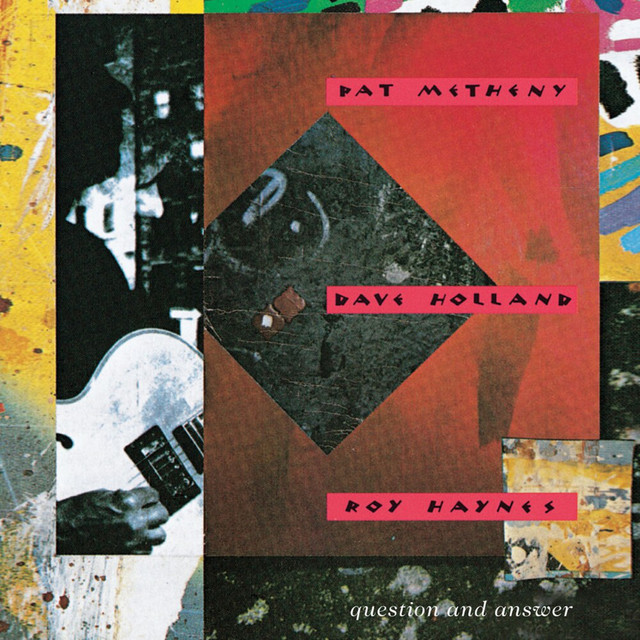
Question and Answer
Pat Metheny
Avant-Garde Jazz
1982
3
/5
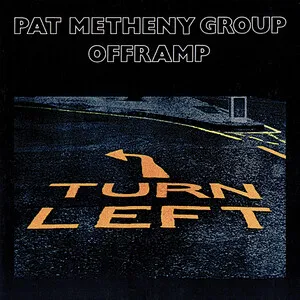
Offramp
Pat Metheny Group
Ecm Style Jazz
Electronic
Jazz
1981
3
/5
As Falls Wichita, So Falls Wichita Falls
Pat Metheny & Lyle Mays
Ecm Style Jazz
1980
2
/5
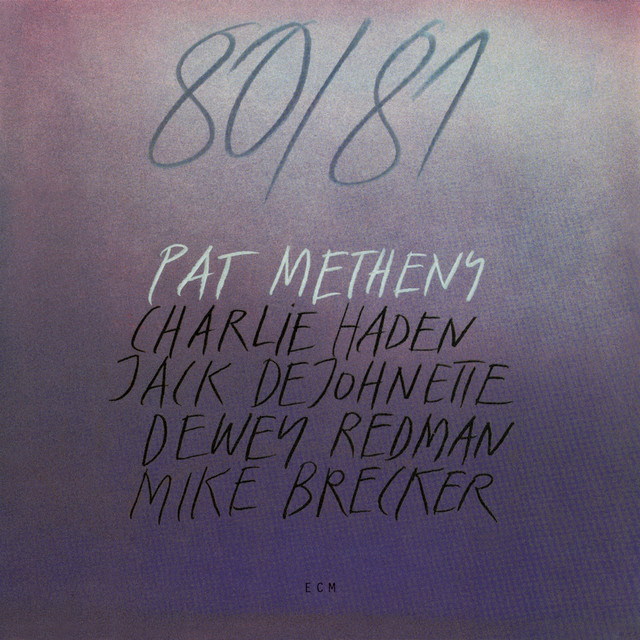
80/81
Pat Metheny
Avant-Garde Jazz
1979
2
/5
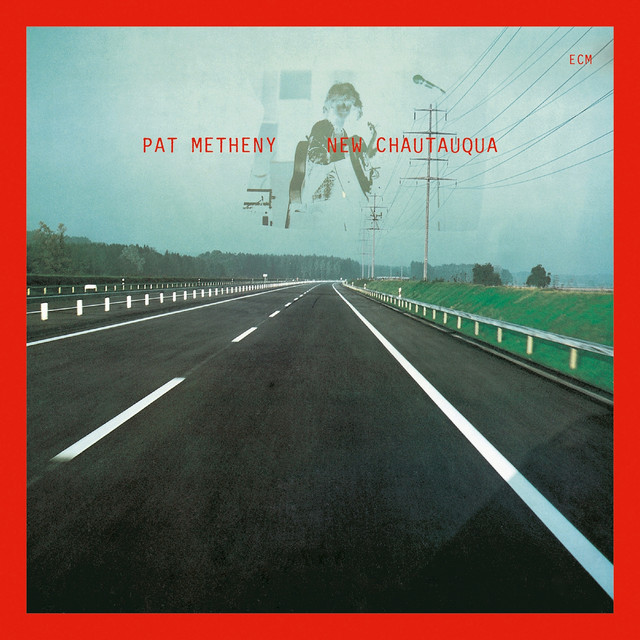
New Chautauqua
Pat Metheny
Avant-Garde Jazz
1977
2
/5
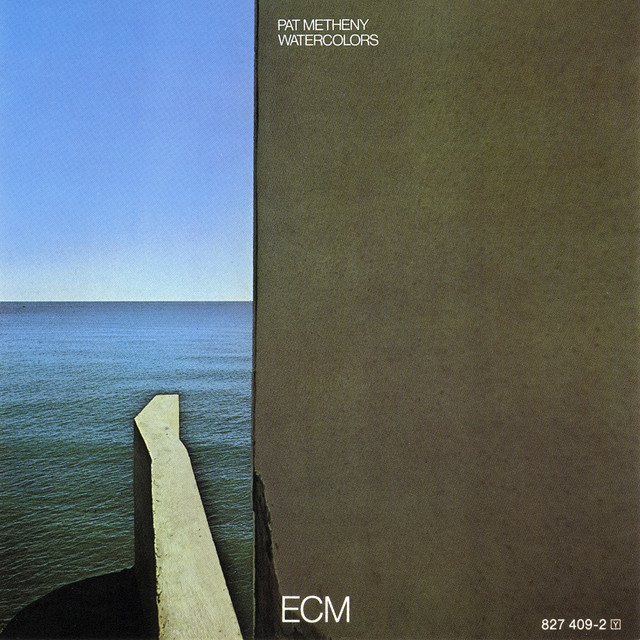
Watercolors
Pat Metheny
Avant-Garde Jazz
1976
3
/5
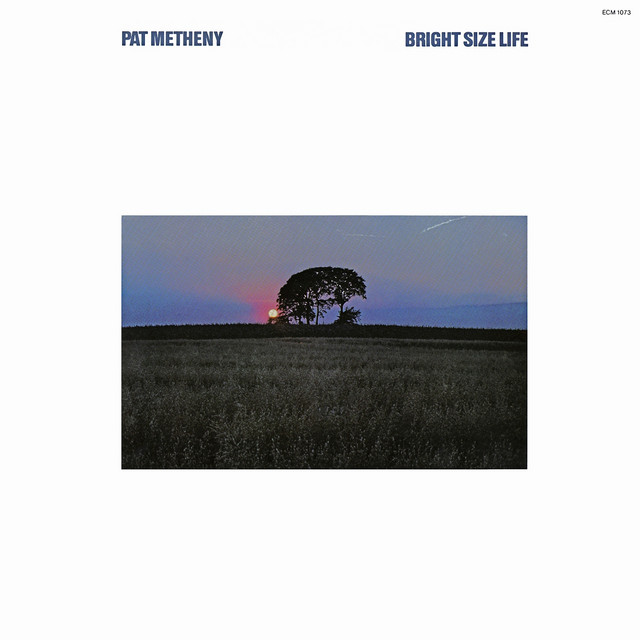
Bright Size Life
Pat Metheny
Avant-Garde Jazz
Contemporary Post-Bop
Similar artists
3
/5
Keith Jarrett
Ecm Style Jazz
Contemporary Jazz
Jazz
2
/5
The Bad Plus
Avant-Garde Jazz
Jazz
Contemporary Jazz
3
/5
Esbjörn Svensson Trio
Jazz
Modern Jazz Trio
Contemporary Jazz
3
/5
Aaron Parks
Ecm Style Jazz
Jazz Fusion
Contemporary Jazz
1
/5
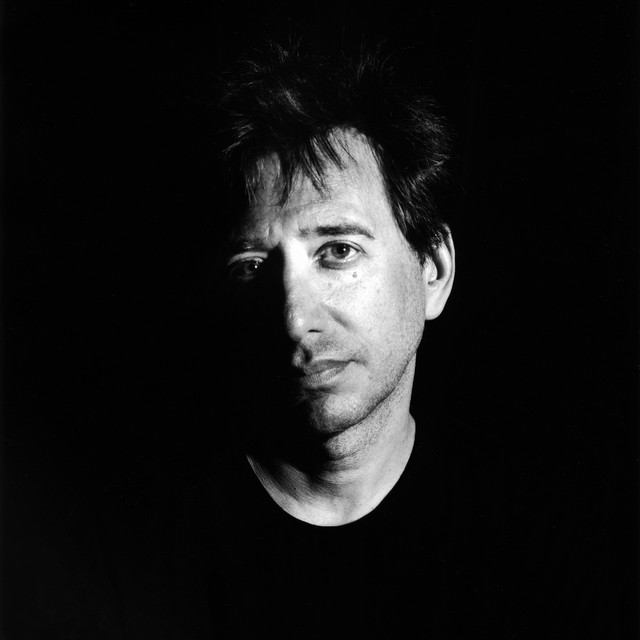
John Zorn
Avant-Garde Jazz
Free Improvisation
Jazz
4
/5
Miles Davis
Jazz
Jazz Fusion
Hard Bop
3
/5
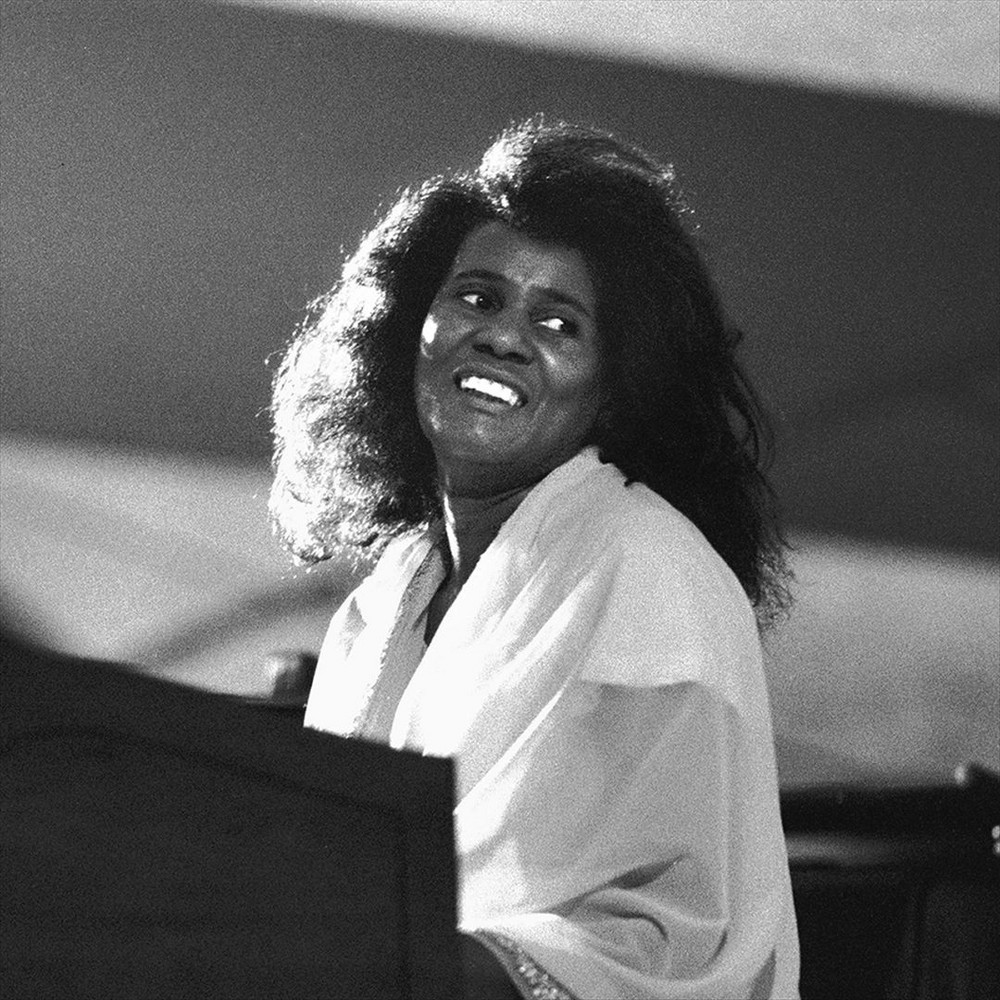
Alice Coltrane
Jazz
Free Jazz
Spiritual Jazz
3
/5
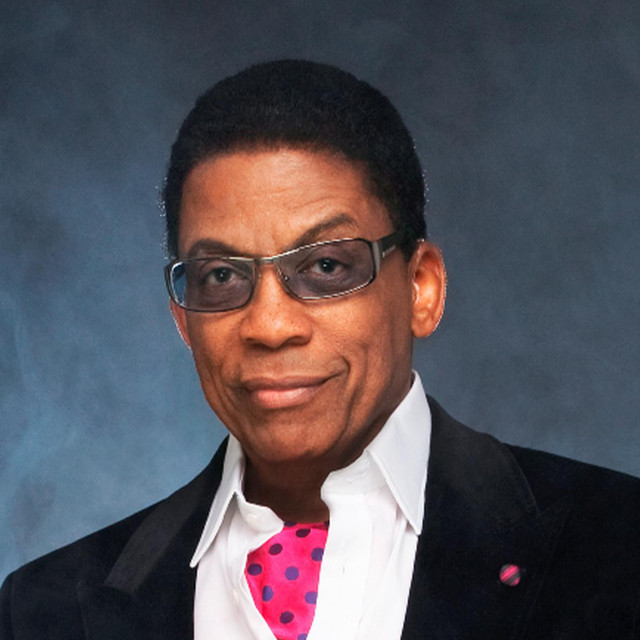
Herbie Hancock
Jazz
Jazz Fusion
Jazz-Funk
3
/5
GoGo Penguin
Modern Jazz Trio
Contemporary Jazz
Jazz
3
/5
Pat Metheny Group
Jazz
Jazz Fusion
Ecm Style Jazz
Download our mobile app
Get the Melodigging app and start digging for new genres on the go
Download on the App Store
Get it on Google Play
© 2026 Melodigging
Give feedback
Legal
Melodding was created as a tribute to
Every Noise at Once
, which inspired us to help curious minds keep digging into music's ever-evolving genres.