Genres
Artists
Albums
Make Music
Sign in
Sign in
Artists
Contemporary Jazz
Artists
Contemporary Jazz
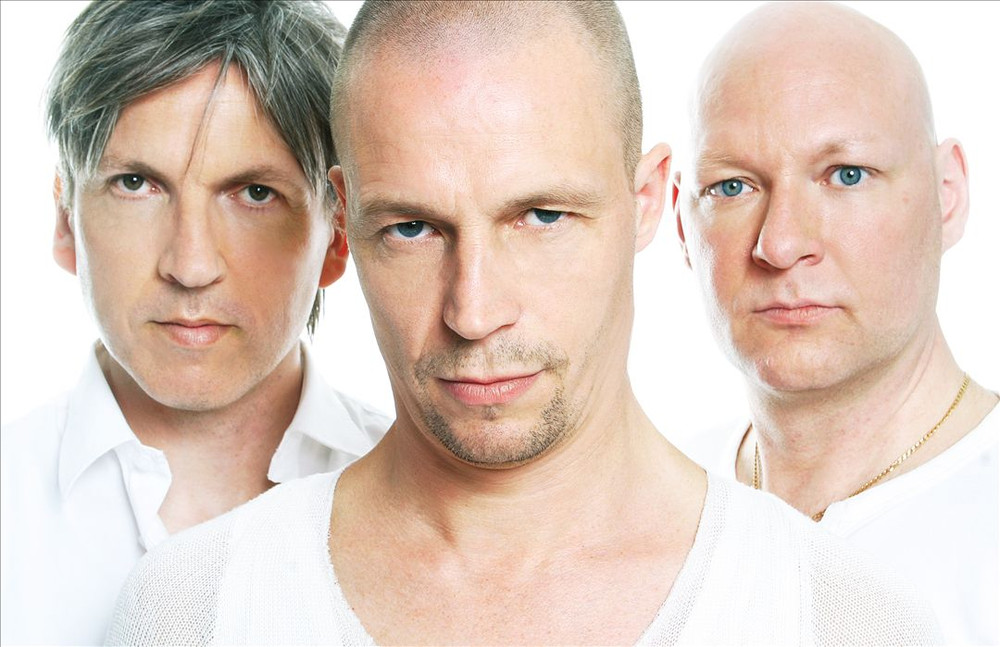
Portico Quartet
2007–2021
·
4 albums
Listen
3
/5
Genres
New London Jazz
New London Jazz is a contemporary jazz movement centered in London that fuses classic jazz language with Afro-diasporic rhythms, UK club culture, and DIY community energy. It is characterized by polyrhythmic drumming, strong bass foundations drawn from sound‑system culture, concise melodic hooks for horns, and open, riff‑based vamps that invite collective improvisation. Aesthetically it sits between spiritual jazz, afrobeat/highlife grooves, broken beat and hip hop, often performed with the immediacy of a live dance set while retaining the harmonic curiosity of modern jazz. Grassroots platforms such as Tomorrow’s Warriors, Jazz re:freshed, Steam Down, Church of Sound, and the Total Refreshment Centre incubated the scene, while labels and curators like Brownswood amplified it globally.
Discover
Listen
Organic Electronic
Organic electronic is a downtempo, groove‑driven branch of electronic music that blends acoustic and world instruments with modern production. Typically sitting around 100–115 BPM, it favors hand percussion, mallets, strings, winds, and field recordings over hard-edged drum machines. The result is a warm, tactile sound where shakers, frame drums, and ethnic instruments (such as oud, kora, saz, flutes, or kalimba) weave through gentle synth pads and understated basslines. Melodic language often leans on modal colors (Dorian, Phrygian, Mixolydian) and drone‑like sustains, creating a hypnotic, earthy atmosphere. Born from bohemian club culture and outdoor gatherings, the style emphasizes long, evolving arrangements, subtle crescendos, and humanized timing—music equally at home on intimate dancefloors, sunset sets, and mindful listening contexts.
Discover
Listen
Organic Ambient
Organic ambient is a strain of ambient music that emphasizes natural, acoustic, and tactile timbres over purely synthetic ones. Its sound world is built from softly mic’d pianos and guitars, mallet percussion, strings, voice layers, and environmental field recordings (wind, water, birds, room tone), then gently processed with spacious reverbs, tape warmth, and subtle granular or delay treatments. Compared with classic electronic ambient, the adjective “organic” points to breath, touch, and the audible presence of rooms and spaces: creaking pedals, bow noise, finger sounds on strings, and a bed of environmental sound. Harmony tends toward consonant, slowly evolving chords; rhythm is minimal or absent; and dynamics are restrained, inviting calm, contemplation, and connection with place.
Discover
Listen
Nu Jazz
Nu jazz is a late-1990s movement that blends contemporary electronic production with the improvisational language and harmony of jazz. It keeps jazz’s extended chords, modal colors, and live soloing, but places them over programmed beats, sampled textures, and synth-driven arrangements. Typical tracks feature warm Rhodes or piano voicings, roomy horns, and deep bass sitting alongside house, broken beat, or downtempo grooves. The result is music that feels both club-ready and listening-focused, bridging intimate jazz sensibilities with modern electronic sound design.
Discover
Listen
Downtempo
Downtempo is a mellow, groove-oriented branch of electronic music characterized by slower tempos, plush textures, and a focus on atmosphere over dancefloor intensity. Typical tempos range from about 60–110 BPM, with swung or laid-back rhythms, dub-informed basslines, and warm, jazz-tinged harmonies. Stylistically, it blends the spaciousness of ambient, the head-nodding rhythms of hip hop and breakbeat, and the cosmopolitan smoothness of lounge and acid jazz. Producers often use sampled drums, Rhodes or Wurlitzer electric pianos, guitar licks with delay, and field recordings to create intimate, cinematic soundscapes. The mood spans from soulful and romantic to introspective and dusk-lit, making it a staple of after-hours listening, cafes, and relaxed club back rooms.
Discover
Listen
Contemporary Jazz
Contemporary jazz is an umbrella term for post-1970 jazz that absorbs advances from post‑bop, fusion, free jazz, modern classical, and global traditions while retaining the core values of improvisation and interaction. It favors a flexible rhythmic feel (from straight‑8 to polyrhythms), modal and post‑tonal harmony, and a producer’s ear for space, texture, and sound design. Unlike earlier era labels tied to a single movement, contemporary jazz denotes a living, evolving practice. It ranges from intimate acoustic trios to electronics‑enhanced ensembles, often using odd meters, ambient timbres, and song forms that move beyond the 32‑bar standard. The result is a wide spectrum—from lyrical, ECM‑influenced spaciousness to groove‑forward, rhythmically intricate music influenced by funk and world traditions.
Discover
Listen
Ecm Style Jazz
ECM style jazz refers to the spacious, chamber-like jazz aesthetic associated with the German label ECM (Edition of Contemporary Music), founded in 1969. The sound blends the restrained lyricism of Cool Jazz, the notated clarity and counterpoint of Third Stream/Western classical traditions, and the coloristic harmony and timbral exploration of Jazz Fusion. Hallmarks include crystalline recording quality with pronounced room ambience, patient tempos, modal or pedal-point harmony, and a strong emphasis on tone, silence, and ensemble blend. Melodies often feel hymn-like or folk-inflected; rhythms drift between rubato openness and subtly grooving ostinati rather than hard backbeats. The result is contemplative, atmospheric jazz that can feel as close to contemporary classical and ambient music as it does to post-bop.
Discover
Listen
Ambient
Ambient is a form of electronic and electroacoustic music that prioritizes tone, atmosphere, and texture over conventional song structures and rhythmic drive. It typically features slow-moving harmonies, sustained drones, gentle timbral shifts, and extensive use of space and silence. Rather than drawing attention to itself through hooks or beats, ambient is designed to be as ignorable as it is interesting, rewarding both background listening and focused immersion. Artists often employ synthesizers, samplers, tape loops, field recordings, and subtle acoustic instruments, with reverb and delay creating a sense of place. Substyles range from luminous, consonant soundscapes to darker, more dissonant atmospheres.
Discover
Listen
Chamber Jazz
Chamber jazz is a refined, small-ensemble approach to jazz that borrows the intimacy, timbral palette, and structural thinking of classical chamber music. Instead of big-band power or hard-swinging virtuosic displays, it prioritizes subtle dynamics, contrapuntal lines, and carefully shaped arrangements. Typical instrumentation includes piano, vibraphone, guitar, double bass, light percussion, and at times strings or woodwinds. Improvisation remains central, but solos are restrained, conversational, and integrated into composed frameworks. The overall sound is spacious, lyrical, and acoustically focused—frequently closer to the volume and precision of a chamber group than to a club combo. Historically adjacent to cool jazz and Third Stream, the style was later deepened by the ECM label’s spacious production aesthetic, which emphasized silence, resonance, and a modern classical sensibility. The result is music that can feel calm and contemplative without losing jazz’s harmonic depth and rhythmic subtlety.
Discover
Listen
Avant-Garde Jazz
Avant-garde jazz is a boundary-pushing current of jazz that privileges experimentation, collective improvisation, and timbral exploration over conventional song forms and chord progressions. It often uses atonality or loose tonality, extended instrumental techniques, shifting or absent meters, and open forms. Ensembles may emphasize texture and density as much as melody and harmony, drawing as readily from modern classical music and non-Western traditions as from blues and bebop. While sometimes intense or noisy, avant-garde jazz also embraces spaciousness and silence, allowing players to interact in real time without predetermined roles. The result is music that questions the limits of jazz itself, foregrounding sound, spontaneity, and social expression.
Discover
Listen
Jazz
Jazz is an improvisation-centered music tradition that emerged from African American communities in the early 20th century. It blends blues feeling, ragtime syncopation, European harmonic practice, and brass band instrumentation into a flexible, conversational art. Defining features include swing rhythm (a triplet-based pulse), call-and-response phrasing, blue notes, and extended harmonies built on 7ths, 9ths, 11ths, and 13ths. Jazz is as much a way of making music—spontaneous interaction, variation, and personal sound—as it is a set of forms and tunes. Across its history, jazz has continually hybridized, from New Orleans ensembles and big-band swing to bebop, cool and hard bop, modal and free jazz, fusion, and contemporary cross-genre experiments. Its influence permeates global popular and art music.
Discover
Listen
Instrumental Jazz
Instrumental jazz is jazz music performed without a lead vocalist, placing the expressive focus on melody instruments, rhythm section interplay, and improvisation. It typically features a "head–solos–head" structure, where a composed theme frames spontaneously created solos. Harmonically, instrumental jazz is known for extended chords (9ths, 11ths, 13ths), ii–V–I cadences, modal harmony, and chromatic voice-leading. Rhythmically it draws on swing, syncopation, and groove-based feels from walking bass and ride-cymbal patterns to contemporary straight-8ths and odd meters. Ensembles range from intimate trios and quartets to large big bands, giving the style great timbral variety. By removing lyrics, instrumental jazz emphasizes timbre, phrasing, and interaction—how players listen and respond to one another—making it a showcase for improvisational storytelling and ensemble conversation.
Discover
Listen
Electronic
Electronic is a broad umbrella genre defined by the primary use of electronically generated or electronically processed sound. It encompasses music made with synthesizers, drum machines, samplers, computers, and studio/tape techniques, as well as electroacoustic manipulation of recorded or synthetic sources. The genre ranges from academic and experimental traditions to popular and dance-oriented forms. While its sonic palette is rooted in electricity and circuitry, its aesthetics span minimal and textural explorations, structured song forms, and beat-driven club permutations. Electronic emphasizes sound design, timbre, and studio-as-instrument practices as much as melody and harmony.
Discover
Listen
Instrumental
Instrumental is music created and performed without sung lyrics, placing the expressive weight on melody, rhythm, harmony, and timbre produced by instruments. As an umbrella practice it appears in many cultures, but its modern identity cohered in Baroque-era Europe when purely instrumental forms such as the sonata, concerto, and dance suites began to flourish. Since then, instrumental thinking—developing motives, structuring form without text, and showcasing timbral contrast—has informed everything from orchestral music and solo piano repertoire to post-rock, film scores, and beat-driven electronic styles. Instrumental works can be intimate (solo or chamber) or expansive (full orchestra), narrative (programmatic) or abstract (absolute music). The absence of lyrics invites listeners to project imagery and emotion, making the style a natural fit for cinema, games, and contemplative listening.
Discover
Listen
Show all 14 genres
Albums
2021
3
/5
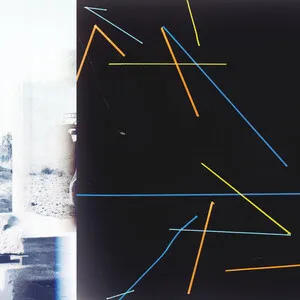
Monument
Portico Quartet
Nu Jazz
Contemporary Jazz
Electronic
2019
1
/5
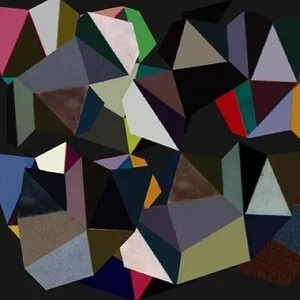
Memory Streams
Portico Quartet
Nu Jazz
Ambient
Electronic
2009
2
/5
Isla
Portico Quartet
Ecm Style Jazz
Jazz
2007
1
/5
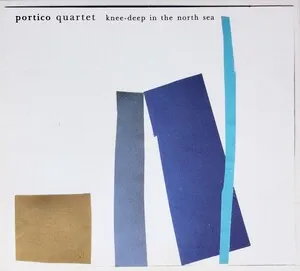
Knee-Deep in the North Sea
Portico Quartet
Chamber Jazz
Ecm Style Jazz
Contemporary Jazz
Similar artists
3
/5
GoGo Penguin
Modern Jazz Trio
Contemporary Jazz
Jazz
3
/5
Esbjörn Svensson Trio
Jazz
Modern Jazz Trio
Contemporary Jazz
3
/5
Nils Petter Molvær
Ecm Style Jazz
Jazz
Nu Jazz
3
/5
Pat Metheny
Avant-Garde Jazz
Jazz
Jazz Fusion
3
/5
Nubya Garcia
Jazz
New London Jazz
Indie Jazz
1
/5
Various Artists
Afro-Funk
Alternative Rock
Ambient
2
/5
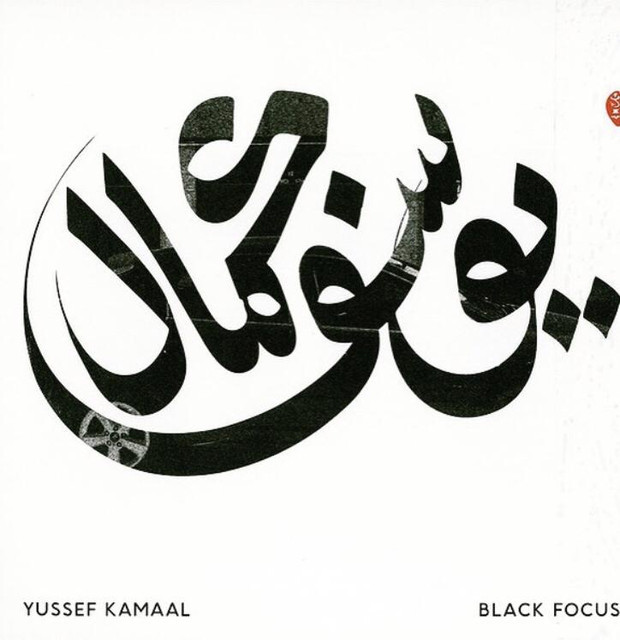
Yussef Kamaal
Jazz
Jazz-Funk
New London Jazz
1
/5
Triosk
Nu Jazz
Idm
Post-Rock
2
/5
Jan Jelinek
Glitch
Idm
Ambient
3
/5
Keith Jarrett
Ecm Style Jazz
Contemporary Jazz
Jazz
Download our mobile app
Get the Melodigging app and start digging for new genres on the go
Download on the App Store
Get it on Google Play
© 2026 Melodigging
Give feedback
Legal
Melodding was created as a tribute to
Every Noise at Once
, which inspired us to help curious minds keep digging into music's ever-evolving genres.