Genres
Artists
Albums
Make Music
Sign in
Sign in
Albums
By Gregory Golub
Albums
By Gregory Golub
Jazz Aftertaste
November 19, 2019
Listen
Genres
Contemporary Jazz
Contemporary jazz is an umbrella term for post-1970 jazz that absorbs advances from post‑bop, fusion, free jazz, modern classical, and global traditions while retaining the core values of improvisation and interaction. It favors a flexible rhythmic feel (from straight‑8 to polyrhythms), modal and post‑tonal harmony, and a producer’s ear for space, texture, and sound design. Unlike earlier era labels tied to a single movement, contemporary jazz denotes a living, evolving practice. It ranges from intimate acoustic trios to electronics‑enhanced ensembles, often using odd meters, ambient timbres, and song forms that move beyond the 32‑bar standard. The result is a wide spectrum—from lyrical, ECM‑influenced spaciousness to groove‑forward, rhythmically intricate music influenced by funk and world traditions.
Discover
Listen
Classic Jazz
Classic jazz refers to the earliest, pre-swing era of jazz that coalesced in New Orleans and spread to Chicago and New York during the Jazz Age. It is characterized by small ensembles, collective improvisation, and a two-beat feel rooted in marches, ragtime, and the blues. A typical front line of cornet/trumpet, clarinet, and trombone spins interlocking melodies over a rhythm section of banjo or piano, tuba or string bass, and drums. Forms such as the 12-bar blues and 16- or 32-bar popular song structures dominate, and arrangements often alternate ensemble choruses with brief breaks and solo spots. The music retains the "Spanish tinge" (habanera rhythms), heavy use of mutes and growls, and call-and-response textures that reflect both African American and Creole traditions.
Discover
Listen
Instrumental Jazz
Instrumental jazz is jazz music performed without a lead vocalist, placing the expressive focus on melody instruments, rhythm section interplay, and improvisation. It typically features a "head–solos–head" structure, where a composed theme frames spontaneously created solos. Harmonically, instrumental jazz is known for extended chords (9ths, 11ths, 13ths), ii–V–I cadences, modal harmony, and chromatic voice-leading. Rhythmically it draws on swing, syncopation, and groove-based feels from walking bass and ride-cymbal patterns to contemporary straight-8ths and odd meters. Ensembles range from intimate trios and quartets to large big bands, giving the style great timbral variety. By removing lyrics, instrumental jazz emphasizes timbre, phrasing, and interaction—how players listen and respond to one another—making it a showcase for improvisational storytelling and ensemble conversation.
Discover
Listen
Similar albums
Hide discovered
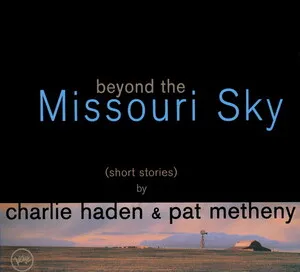
1997
Beyond the Missouri Sky (Short Stories)
Charlie Haden & Pat Metheny
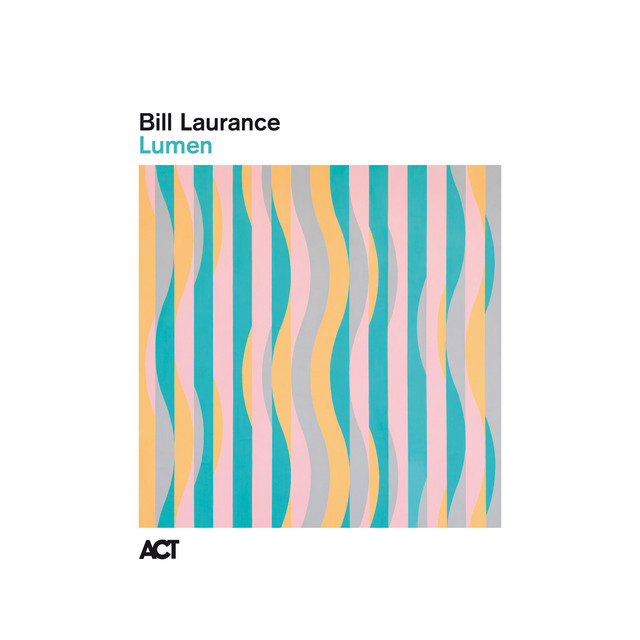
2025
Lumen
Bill Laurance
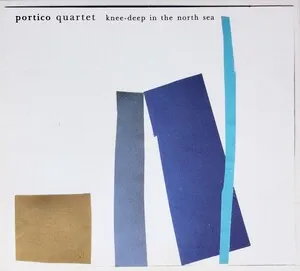
2007
Knee-Deep in the North Sea
Portico Quartet
2024
Bloom
Bill Laurance, The Untold Orchestra
2022
Affinity
Bill Laurance
2008
The Good Intent
Bill Laurance
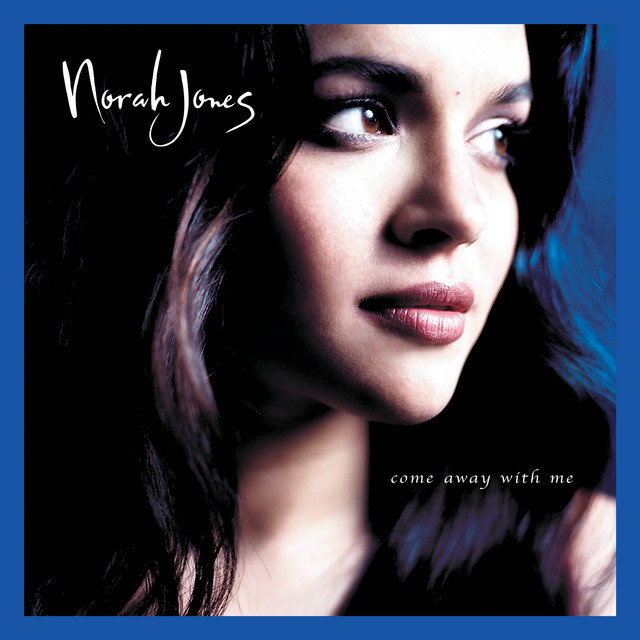
2002
Come Away With Me (Super Deluxe Edition)
Norah Jones
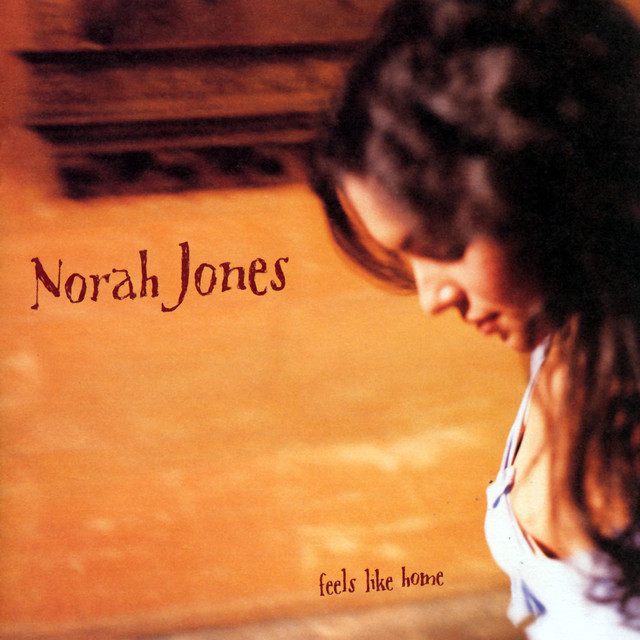
2004
Feels Like Home
Norah Jones
2020
It Is What It Is
Thundercat
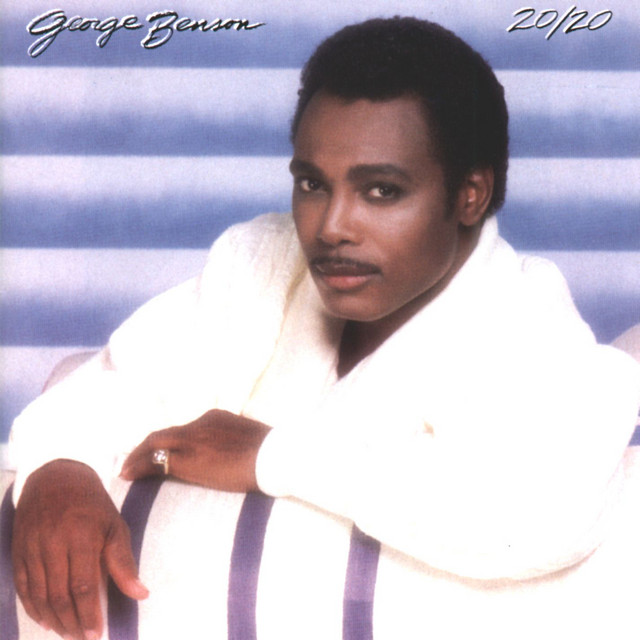
1985
20/20
George Benson
Download our mobile app
Get the Melodigging app and start digging for new genres on the go
Download on the App Store
Get it on Google Play
© 2026 Melodigging
Give feedback
Legal
Melodding was created as a tribute to
Every Noise at Once
, which inspired us to help curious minds keep digging into music's ever-evolving genres.