Genres
Artists
Albums
Make Music
Sign in
Sign in
Artists
Spiritual Jazz
Artists
Spiritual Jazz
Gábor Szabó
1966–2025
·
11 albums
Listen
3
/5
Genres
Souldies
Souldies is a modern revival of classic lowrider “oldies” soul—slow, tender ballads rooted in 1960s and early-’70s sweet soul and doo‑wop aesthetics, reimagined by a new generation of largely Chicano/Latinx artists in Southern California. Characterized by warm, analog-leaning production, mellow backbeats, honeyed vocal harmonies, and heart‑on‑sleeve lyricism, the style favors mid‑slow tempos, tape‑like saturation, spring/plate reverb, and minimalist yet expressive arrangements. English and Spanish (or Spanglish) lyrics often explore love, longing, devotion, and cruising/lowrider culture. Souldies sits at the intersection of classic soul, rhythm & blues, northern soul selections, and Latin soul, offering a contemporary, community‑centered sound that feels both timeless and newly personal.
Discover
Listen
Disco
Disco is a dance-music genre and nightlife subculture that crystallized in the United States during the 1970s, drawing especially from African-American, Italian-American, Latino, and queer club communities. Musically, disco is typified by a steady four-on-the-floor kick drum, syncopated and melodic electric-bass lines, lush string sections, bright brass and horns, electric pianos and synthesizers, and percussive, choppy rhythm guitars. Arrangements often feature orchestral colors, handclaps, congas, and vibraphone or bell textures, all engineered to deliver a continuous, groove-forward experience for the dance floor. The style combines the rich orchestration and romantic sweep of Philadelphia soul with the bottom-end drive of funk and the songcraft of contemporary R&B/pop, delivered in DJ-friendly extended mixes and 12-inch singles designed for club play.
Discover
Listen
Spiritual Jazz
Spiritual jazz is a strand of modern jazz that seeks transcendence through sound, blending free improvisation, modal frameworks, and non‑Western musical concepts to evoke the sacred, the cosmic, and the ecstatic. It often features long, open forms; drones and pedal points; polyrhythmic percussion; and timbres associated with ritual or meditation (harp, flutes, bells, tanpura). Melodic language leans toward modes and scales from African, Middle Eastern, and South Asian traditions alongside blues inflection. The mood can shift from contemplative prayer to cathartic release, and vocal elements may include chants, mantras, spoken word, or invocations aligned with spiritual or philosophical themes.
Discover
Listen
Funk
Funk is a rhythm-forward African American popular music style that centers on groove, syncopation, and interlocking parts. Rather than emphasizing complex chord progressions, funk builds tight, repetitive vamps that highlight the rhythm section and create an irresistible dance feel. The genre is marked by syncopated drum patterns, melodic yet percussive bass lines, choppy guitar "chanks," punchy horn stabs, call‑and‑response vocals, and a strong backbeat. Funk’s stripped-down harmony, prominent use of the one (accenting the downbeat), and polyrhythmic layering draw deeply from soul, rhythm and blues, jazz, gospel, and African rhythmic traditions. From James Brown’s late-1960s innovations through the expansive P-Funk universe and the slicker sounds of the 1970s and 1980s, funk has continually evolved while seeding countless other genres, from disco and hip hop to house and modern R&B.
Discover
Listen
Post-Bop
Post-bop is a modern jazz style that emerged in the early-to-mid 1960s as a synthesis of bebop, hard bop, modal jazz, cool jazz, third stream ideas, and the experimental impulses of the avant‑garde. It typically features acoustic small ensembles (often trumpet, saxophone, piano, bass, and drums) interacting with highly flexible time, non-functional or modal harmony, and motivic development rather than relying strictly on bebop chord cycles. Its sound balances structure and freedom: forms are clearly composed and often intricate, but improvisers stretch time feels, reharmonize on the fly, and use advanced harmonic colors such as quartal voicings, pedal points, and chromatic planing. Canonical touchstones include Miles Davis’s mid‑’60s Second Great Quintet (e.g., E.S.P., Nefertiti), Wayne Shorter’s Speak No Evil, Herbie Hancock’s Maiden Voyage, Andrew Hill’s Point of Departure, and many mid‑’60s Blue Note recordings that pushed beyond hard bop.
Discover
Listen
Psychploitation
Psychploitation is a late-1960s studio-driven, budget-conscious offshoot of psychedelic rock that "exploited" the era’s fascination with mind-expansion and far-out sounds. Issued largely by budget and library labels, these LPs were often credited to ad‑hoc studio projects and session players. The music foregrounds fuzz guitars, Farfisa/Vox organs, electric sitar, droning tambura, vibraphone, heavy spring reverb, tape delay, and ping‑pong stereo effects. Tracks tend to be instrumental or minimally voiced, groove-led, and hooky—sometimes covers of current hits—designed as sonic spectacles to sell the psychedelic idea as much as a band. Aesthetically, psychploitation blurs garage-rock grit, lounge/easy listening sheen, exotica motifs, and soundtrack/library sensibilities. Today it’s prized by crate-diggers for its kitsch-meets-innovation charm, sample-ready breaks, and vivid period production.
Discover
Listen
Raga Rock
Raga rock is a 1960s-born fusion of Western rock and Indian classical concepts, characterized by sustained drones, modal (non-chordal) harmony, sitar- or sitar-like guitar timbres, and cyclical rhythmic patterns. The style seeks a hypnotic, transcendental feel by borrowing the raga’s emphasis on a single tonal center and ornamental melodic movement rather than functional chord progressions. Signature features include tambura (tanpura) or tambura-like drones, sitar or sitar-emulating electric guitar lines with bends and slides (meend), tabla-inspired grooves alongside a rock backbeat, and psychedelic studio techniques such as tape loops, reverse guitar, and phasing. Lyrically, songs often reference mysticism, meditation, and inner travel, aligning with 1960s countercultural and psychedelic sensibilities.
Discover
Listen
Sitarsploitation
Sitarsploitation is a retro subgenre of pop, rock, and easy-listening that capitalized on the Western 1960s fascination with Indian sounds—especially the sitar. It typically features catchy, groove-led arrangements where the sitar or electric sitar takes the melodic lead over loungey rhythm sections, lush strings, vibraphone, and wordless choruses. Rather than pursuing strict raga performance practice, sitarsploitation uses the timbre and ornamentation of the sitar in concise, radio-friendly formats. It blends psychedelic textures, exotica ambience, and light orchestral touches with drones and modal riffs inspired by Indian classical music.
Discover
Listen
Jazz Fusion
Jazz fusion (often simply called "fusion") blends the improvisational language and harmonic richness of jazz with the amplified instruments, grooves, and song forms of rock, funk, and R&B. It typically features electric guitars, electric bass or fretless bass, Rhodes electric piano, clavinet, analog and digital synthesizers, and a drum kit playing backbeat- and syncopation-heavy patterns. Hallmarks include extended chords and modal harmony, complex and shifting meters, brisk unison lines, virtuosic improvisation, and a production aesthetic that embraces effects processing and studio craft. The style ranges from fiery, aggressive workouts to polished, atmospheric textures, often within the same piece. Emerging in the late 1960s and flourishing through the 1970s, jazz fusion became a bridge between jazz audiences and rock/funk listeners, shaping later styles such as jazz-funk, smooth jazz, nu jazz, and parts of progressive and technical rock/metal.
Discover
Listen
Psychedelic Pop
Psychedelic pop is a 1960s-born fusion that marries the hook-driven immediacy of pop with the timbral color, studio experimentation, and altered-perception aesthetics of psychedelic music. It favors concise song forms and memorable melodies while introducing unusual sounds (sitar, Mellotron, harpsichord), tape effects (backmasking, varispeed, flanging), and surreal or whimsical imagery. Compared to psychedelic rock, it is brighter, more tuneful, and radio-friendly, often wrapping adventurous production techniques in singable choruses and lush vocal harmonies.
Discover
Listen
Avant-Garde Jazz
Avant-garde jazz is a boundary-pushing current of jazz that privileges experimentation, collective improvisation, and timbral exploration over conventional song forms and chord progressions. It often uses atonality or loose tonality, extended instrumental techniques, shifting or absent meters, and open forms. Ensembles may emphasize texture and density as much as melody and harmony, drawing as readily from modern classical music and non-Western traditions as from blues and bebop. While sometimes intense or noisy, avant-garde jazz also embraces spaciousness and silence, allowing players to interact in real time without predetermined roles. The result is music that questions the limits of jazz itself, foregrounding sound, spontaneity, and social expression.
Discover
Listen
Chamber Jazz
Chamber jazz is a refined, small-ensemble approach to jazz that borrows the intimacy, timbral palette, and structural thinking of classical chamber music. Instead of big-band power or hard-swinging virtuosic displays, it prioritizes subtle dynamics, contrapuntal lines, and carefully shaped arrangements. Typical instrumentation includes piano, vibraphone, guitar, double bass, light percussion, and at times strings or woodwinds. Improvisation remains central, but solos are restrained, conversational, and integrated into composed frameworks. The overall sound is spacious, lyrical, and acoustically focused—frequently closer to the volume and precision of a chamber group than to a club combo. Historically adjacent to cool jazz and Third Stream, the style was later deepened by the ECM label’s spacious production aesthetic, which emphasized silence, resonance, and a modern classical sensibility. The result is music that can feel calm and contemplative without losing jazz’s harmonic depth and rhythmic subtlety.
Discover
Listen
Exotica
Exotica is a mid‑century style of mood music that blends jazz harmony, easy‑listening orchestration, and a collage of global percussion and timbral signifiers meant to evoke imaginary tropical, Polynesian, Asian, African, and Latin locales. Characterized by vibraphone and marimba leads, lush strings, woodwinds, wordless vocals, bird calls, gongs, and abundant reverberation, it creates a cinematic “armchair travel” experience. Rather than documenting specific traditions, exotica assembles stylized sound cues—Afro‑Cuban grooves, Polynesian drum patterns, pentatonic and whole‑tone colors—into atmospheric mini‑dramas. The genre flourished alongside postwar tiki culture and hi‑fi/stereo demonstrations, prioritizing vivid spatial staging and evocative orchestration over virtuoso soloing.
Discover
Listen
Jazz Pop
Jazz pop blends the melodic immediacy and song structures of pop with the harmonic richness, phrasing, and instrumentation of jazz. Typical arrangements feature piano or guitar-led rhythm sections, upright or electric bass, light drum kits (often with brushes), and tasteful horns or strings. Harmonically it favors extended chords (maj7, 9ths, 13ths), ii–V–I cadences, and sophisticated substitutions, while rhythms range from gentle swing and bossa nova to straight pop backbeats. Vocals usually emphasize warm timbres, nuanced crooning, and elastic, behind-the-beat phrasing. The result is urbane, approachable music that keeps pop’s hooks and forms while carrying jazz’s color and elegance, making it a perennial crossover sound for radio, lounges, and contemporary singer‑songwriters.
Discover
Listen
Gypsy Jazz
Gypsy jazz (often called jazz manouche) is an acoustic, string-driven style of swing developed by Romani musicians in Paris in the 1930s, most famously by guitarist Django Reinhardt and violinist Stéphane Grappelli with the Quintette du Hot Club de France. Its signature sound pairs percussive rhythm-guitar strumming (la pompe) with virtuosic single-note lines, violin leads, and a walking double bass, typically without drums or horns. Harmonically, it blends American swing-era jazz changes with European influences such as musette waltzes and classical voice-leading, yielding rich dominant chords, diminished passing harmony, and chromatic approach lines. The result is a bright, agile, and highly danceable style that can be both exuberant and lyrical.
Discover
Listen
Jazz
Jazz is an improvisation-centered music tradition that emerged from African American communities in the early 20th century. It blends blues feeling, ragtime syncopation, European harmonic practice, and brass band instrumentation into a flexible, conversational art. Defining features include swing rhythm (a triplet-based pulse), call-and-response phrasing, blue notes, and extended harmonies built on 7ths, 9ths, 11ths, and 13ths. Jazz is as much a way of making music—spontaneous interaction, variation, and personal sound—as it is a set of forms and tunes. Across its history, jazz has continually hybridized, from New Orleans ensembles and big-band swing to bebop, cool and hard bop, modal and free jazz, fusion, and contemporary cross-genre experiments. Its influence permeates global popular and art music.
Discover
Listen
Show all 16 genres
Albums
2025
1
/5
The Complete Gabor Szabo in Budapest
Gábor Szabó
Spiritual Jazz
Disco
Funk
2022
1
/5
Live in Cleveland 1976
Gábor Szabó
Spiritual Jazz
2010
2
/5
Jazz Raga
Gabor Szabo
Psychploitation
Sitarsploitation
Raga Rock
2005
1
/5
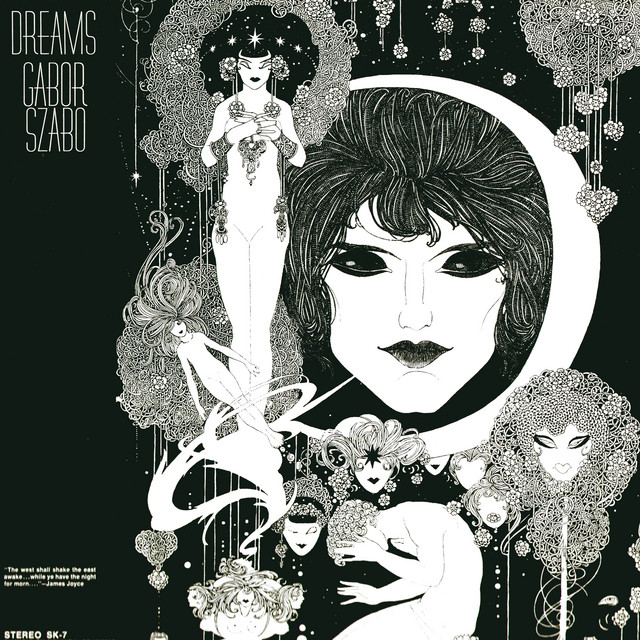
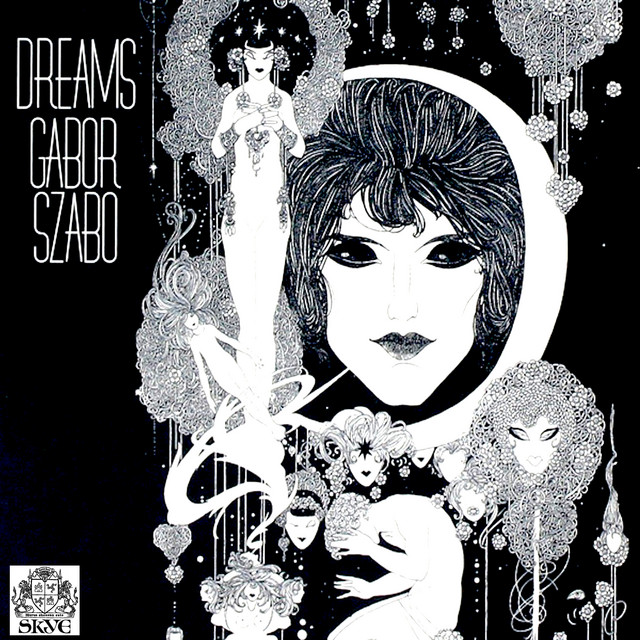
Dreams
Gábor Szabó
Spiritual Jazz
1971
3
/5
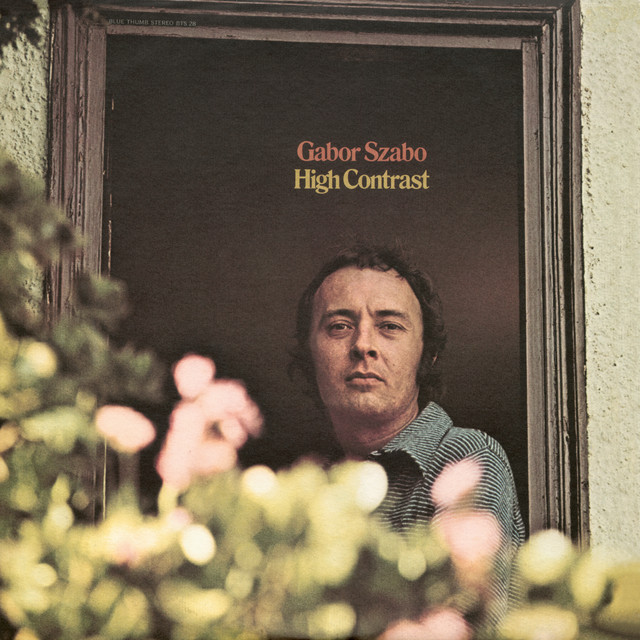
High Contrast
Gábor Szabó
Spiritual Jazz
1969
3
/5
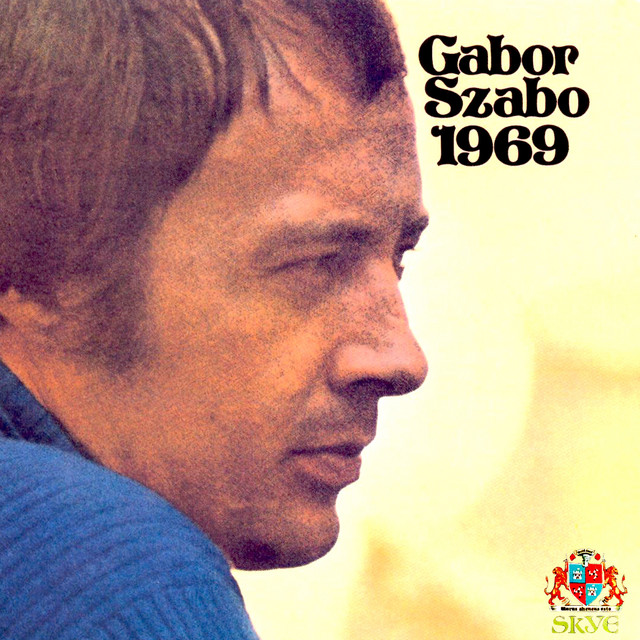
1969
Gábor Szabó
Spiritual Jazz
1968
2
/5
Dreams
Gabor Szabo
Gypsy Jazz
Chamber Jazz
1968
2
/5
Dreams
Gábor Szabó
Spiritual Jazz
Avant-Garde Jazz
Jazz
1967
3
/5
Dreams (2022 Remastered Version)
Gábor Szabó
Spiritual Jazz
1966
2
/5
Gypsy '66
Gabor Szabo with Gary McFarland & Co.
Gypsy Jazz
Spiritual Jazz
1966
3
/5
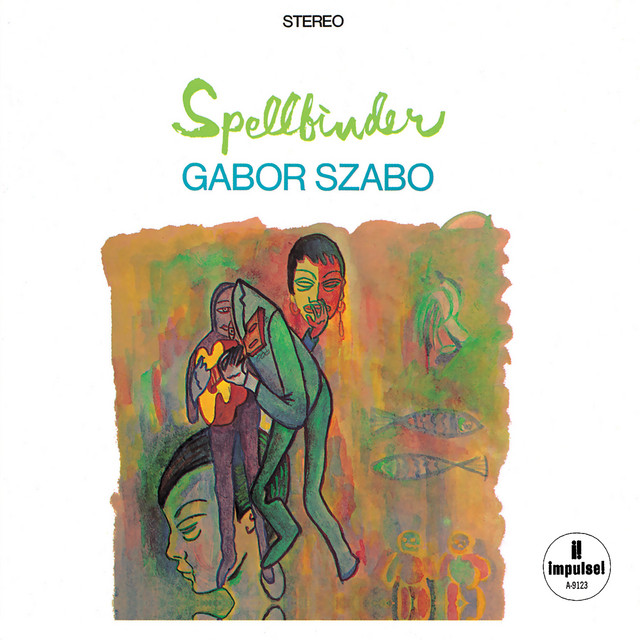
Spellbinder
Gabor Szabo
Gypsy Jazz
Spiritual Jazz
Similar artists
3
/5
Alice Coltrane
Jazz
Free Jazz
Spiritual Jazz
3
/5
Pharoah Sanders
Jazz
Free Jazz
Spiritual Jazz
2
/5
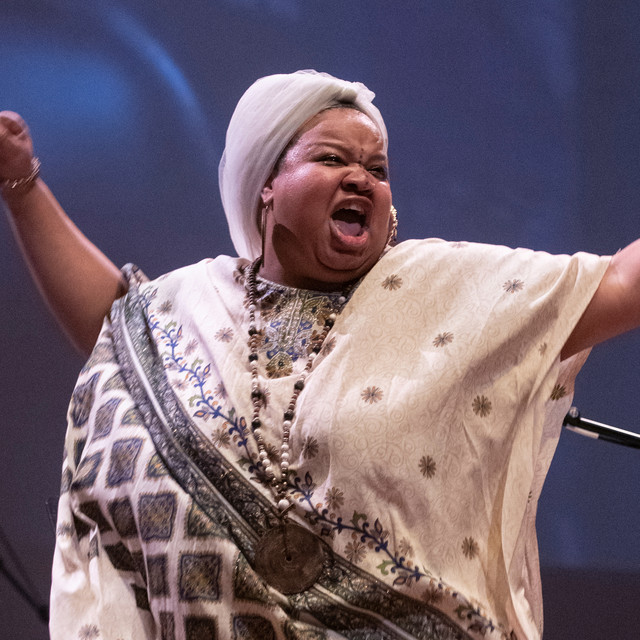
Angel Bat Dawid
Spiritual Jazz
Jazz
Avant-Garde Jazz
4
/5
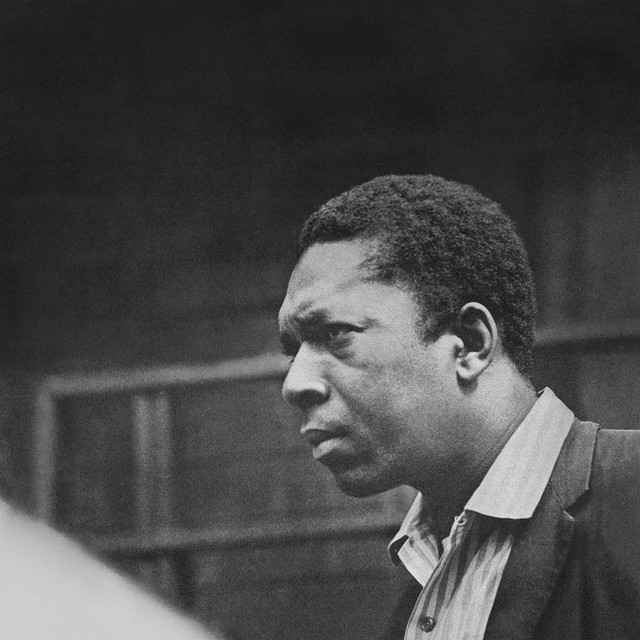
John Coltrane
Free Jazz
Hard Bop
Jazz
3
/5
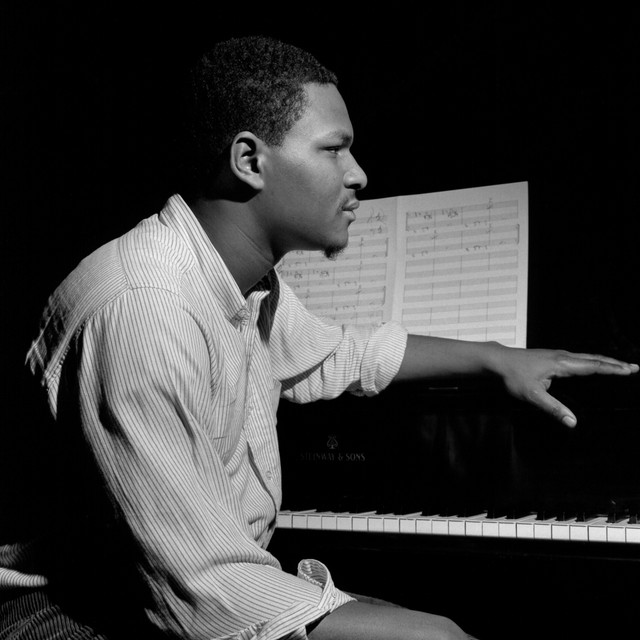
McCoy Tyner
Bebop
Cool Jazz
Free Jazz
3
/5
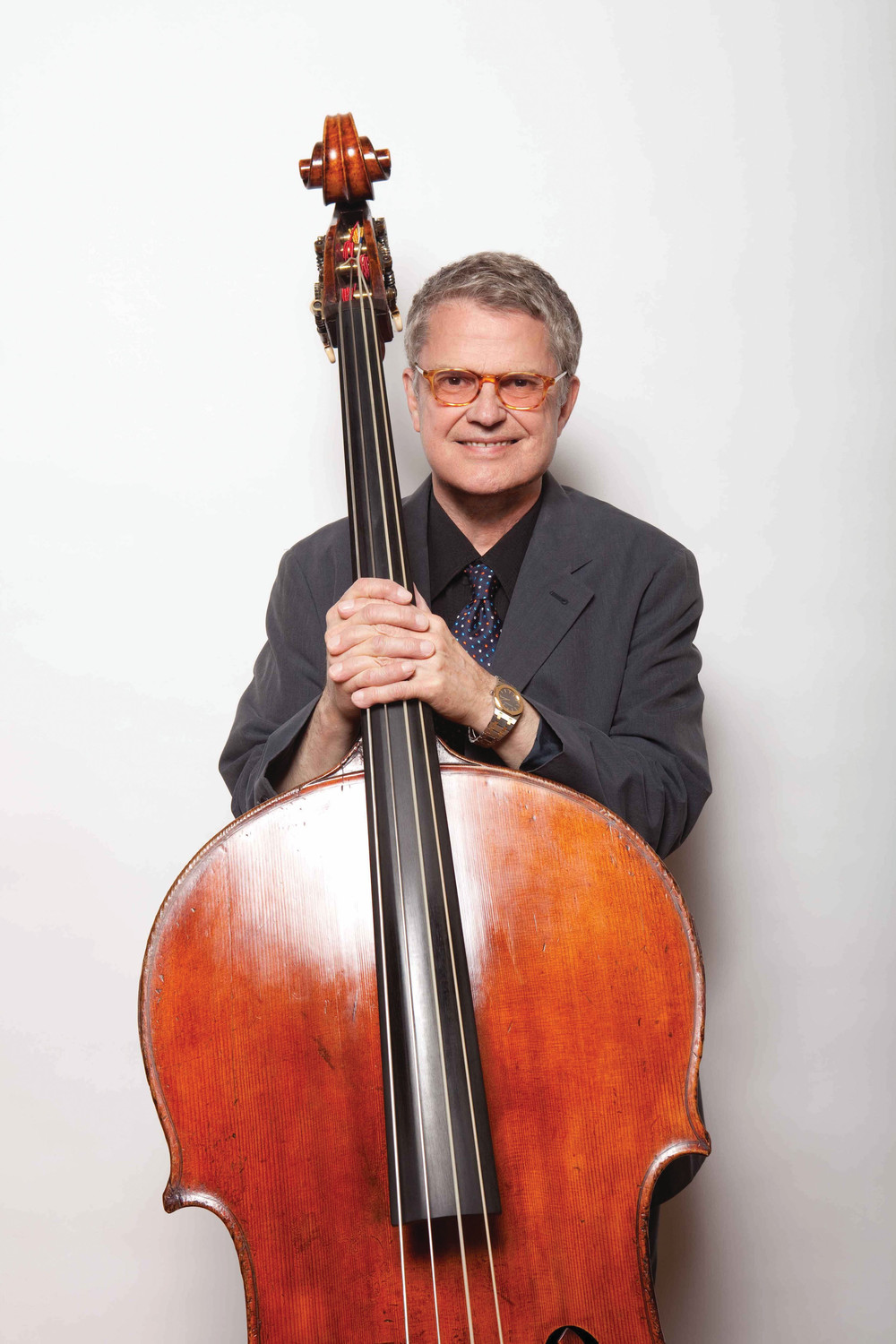
Charlie Haden
Jazz
Avant-Garde Jazz
Big Band
3
/5
Sun Ra
Jazz
Afrofuturism
Experimental Big Band
2
/5
Don Cherry
Free Jazz
Jazz
Avant-Garde
1
/5
Various Artists
Afro-Funk
Alternative Rock
Ambient
2
/5
Norman Connors
Classic Soul
Jazz-Funk
Philly Soul
Download our mobile app
Get the Melodigging app and start digging for new genres on the go
Download on the App Store
Get it on Google Play
© 2026 Melodigging
Give feedback
Legal
Melodding was created as a tribute to
Every Noise at Once
, which inspired us to help curious minds keep digging into music's ever-evolving genres.