Genres
Artists
Albums
Make Music
Sign in
Sign in
Artists
Spiritual Jazz
Artists
Spiritual Jazz
Angel Bat Dawid
2019–2023
·
6 albums
Listen
2
/5
Genres
New London Jazz
New London Jazz is a contemporary jazz movement centered in London that fuses classic jazz language with Afro-diasporic rhythms, UK club culture, and DIY community energy. It is characterized by polyrhythmic drumming, strong bass foundations drawn from sound‑system culture, concise melodic hooks for horns, and open, riff‑based vamps that invite collective improvisation. Aesthetically it sits between spiritual jazz, afrobeat/highlife grooves, broken beat and hip hop, often performed with the immediacy of a live dance set while retaining the harmonic curiosity of modern jazz. Grassroots platforms such as Tomorrow’s Warriors, Jazz re:freshed, Steam Down, Church of Sound, and the Total Refreshment Centre incubated the scene, while labels and curators like Brownswood amplified it globally.
Discover
Listen
New Isolationism
New isolationism is a contemporary strain of isolationist ambient and post-industrial minimalism that emerged in the 2010s, particularly around Scandinavian experimental labels and studios. It foregrounds intimate, close-mic’d sound, negative space, and a quiet-but-present noise floor; its pieces feel both internal and architectural, like rooms built from reverb tails, tape hiss, and soft electronics. Sonically, the style blends glacial drones, fragile chamber timbres (strings, organ, piano), lo‑fi electronics, and field recordings into stark, slow-evolving tableaux. Melodic information is sparse—often only a few tones or gestures—while rhythm is either absent or reduced to distant pulses, heartbeats, or mechanical cycles. Vocals, when they appear, are murmured, diaristic, or abstracted by pitch and time manipulation. Aesthetically, new isolationism is post‑internet and diaristic: it captures solitude, memory, and dislocation with a palette that feels personal yet estranged, drawing as much from contemporary gallery sound practice as from classic dark ambient.
Discover
Listen
Spiritual Jazz
Spiritual jazz is a strand of modern jazz that seeks transcendence through sound, blending free improvisation, modal frameworks, and non‑Western musical concepts to evoke the sacred, the cosmic, and the ecstatic. It often features long, open forms; drones and pedal points; polyrhythmic percussion; and timbres associated with ritual or meditation (harp, flutes, bells, tanpura). Melodic language leans toward modes and scales from African, Middle Eastern, and South Asian traditions alongside blues inflection. The mood can shift from contemplative prayer to cathartic release, and vocal elements may include chants, mantras, spoken word, or invocations aligned with spiritual or philosophical themes.
Discover
Listen
Avant-Garde Jazz
Avant-garde jazz is a boundary-pushing current of jazz that privileges experimentation, collective improvisation, and timbral exploration over conventional song forms and chord progressions. It often uses atonality or loose tonality, extended instrumental techniques, shifting or absent meters, and open forms. Ensembles may emphasize texture and density as much as melody and harmony, drawing as readily from modern classical music and non-Western traditions as from blues and bebop. While sometimes intense or noisy, avant-garde jazz also embraces spaciousness and silence, allowing players to interact in real time without predetermined roles. The result is music that questions the limits of jazz itself, foregrounding sound, spontaneity, and social expression.
Discover
Listen
Free Jazz
Free jazz is a radical branch of jazz that rejects fixed chord progressions, strict meter, and conventional song forms in favor of collective improvisation, textural exploration, and spontaneous interaction. Musicians prioritize timbre, dynamics, and gesture as much as pitch and harmony, often using extended techniques (multiphonics, overblowing, prepared piano) and unconventional sounds. While rooted in the blues and earlier jazz vocabularies, free jazz frees improvisers from pre-set harmonic cycles, allowing lines to unfold over tonal centers, shifting modes, drones, or complete atonality. Rhythm sections may float without a steady pulse, or drive with layered polyrhythms and “energy playing.” The result ranges from contemplative soundscapes to cathartic, high-intensity eruptions. Culturally, the genre intersected with the civil rights era and broader avant-garde movements, emphasizing autonomy, community, and new possibilities for musical expression.
Discover
Listen
Experimental
Experimental music is an umbrella term for practices that prioritize exploration, process, and discovery over adherence to established genre norms. It embraces new sound sources, nonstandard tuning systems, indeterminacy and chance operations, graphic and open-form scores, extended techniques, and technology-led sound design (tape, electronics, computers, and live processing). Rather than a single style, it is a methodology and ethos: testing hypotheses about sound, structure, and performance, often blurring boundaries between composition, improvisation, sound art, and performance art. Listeners can expect unfamiliar timbres, unusual forms, and an emphasis on how music is made as much as the resulting sound.
Discover
Listen
Soul
Soul is a genre of popular music that blends the spiritual fervor and vocal techniques of African‑American gospel with the grooves and song forms of rhythm & blues and the harmonic palette of jazz and blues. It is defined by impassioned, melismatic lead vocals; call‑and‑response with backing singers; handclaps and a strong backbeat; syncopated bass lines; and memorable horn or string riffs. Typical instrumentation includes drum kit, electric bass, electric guitar, piano or Hammond organ, horns (trumpet, saxophone, trombone), and sometimes orchestral strings. Lyrically, soul ranges from love and heartbreak to pride, social commentary, and spiritual yearning. Regionally distinct scenes—such as Detroit’s Motown, Memphis/Stax, Muscle Shoals, Chicago, New Orleans, and Philadelphia—shaped different flavors of soul, while the style’s emotional directness and rhythmic drive made it a cornerstone of later funk, disco, contemporary R&B, and hip hop.
Discover
Listen
Folk
Folk is a song-centered acoustic tradition rooted in community storytelling, everyday life, and social history. It emphasizes clear melodies, simple harmonies, and lyrics that foreground narrative, protest, and personal testimony. As a modern recorded genre, folk coalesced in the early-to-mid 20th century in the United States out of older ballad, work song, and rural dance traditions. It typically features acoustic instruments (guitar, banjo, fiddle, mandolin, harmonica), strophic song forms, and participatory singing (choruses, call-and-response).
Discover
Listen
Jazz
Jazz is an improvisation-centered music tradition that emerged from African American communities in the early 20th century. It blends blues feeling, ragtime syncopation, European harmonic practice, and brass band instrumentation into a flexible, conversational art. Defining features include swing rhythm (a triplet-based pulse), call-and-response phrasing, blue notes, and extended harmonies built on 7ths, 9ths, 11ths, and 13ths. Jazz is as much a way of making music—spontaneous interaction, variation, and personal sound—as it is a set of forms and tunes. Across its history, jazz has continually hybridized, from New Orleans ensembles and big-band swing to bebop, cool and hard bop, modal and free jazz, fusion, and contemporary cross-genre experiments. Its influence permeates global popular and art music.
Discover
Listen
Electronic
Electronic is a broad umbrella genre defined by the primary use of electronically generated or electronically processed sound. It encompasses music made with synthesizers, drum machines, samplers, computers, and studio/tape techniques, as well as electroacoustic manipulation of recorded or synthetic sources. The genre ranges from academic and experimental traditions to popular and dance-oriented forms. While its sonic palette is rooted in electricity and circuitry, its aesthetics span minimal and textural explorations, structured song forms, and beat-driven club permutations. Electronic emphasizes sound design, timbre, and studio-as-instrument practices as much as melody and harmony.
Discover
Listen
Show all 10 genres
Albums
2023
1
/5
Requiem for Jazz
Angel Bat Dawid
Spiritual Jazz
Experimental
Folk
2020
1
/5
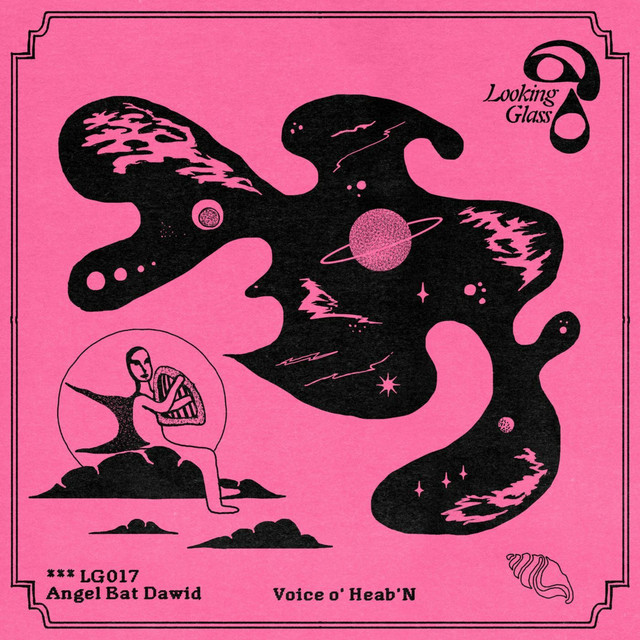
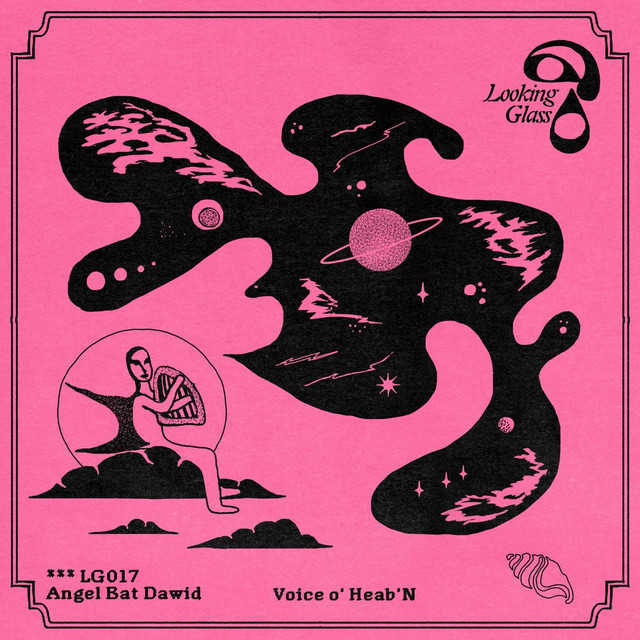
Voice o' Heab'N
Angel Bat Dawid
Spiritual Jazz
2020
1
/5
Voice o' Heab'N
Angel Bat Dawid
Spiritual Jazz
2020
1
/5
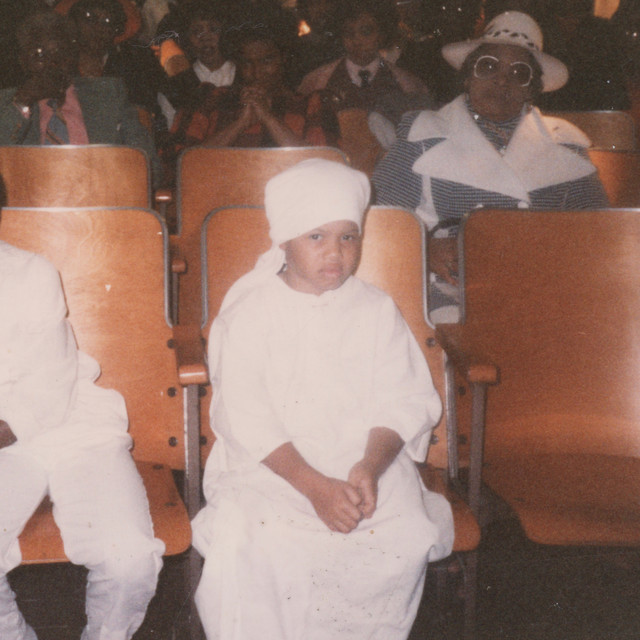
Transition East
Angel Bat Dawid
Spiritual Jazz
Electronic
Jazz
2019
2
/5
The Oracle
Angel Bat Dawid
Spiritual Jazz
Avant-Garde Jazz
Jazz
2019
2
/5
The Oracle
Angel Bat Dawid
Spiritual Jazz
Avant-Garde Jazz
Jazz
Similar artists
3
/5
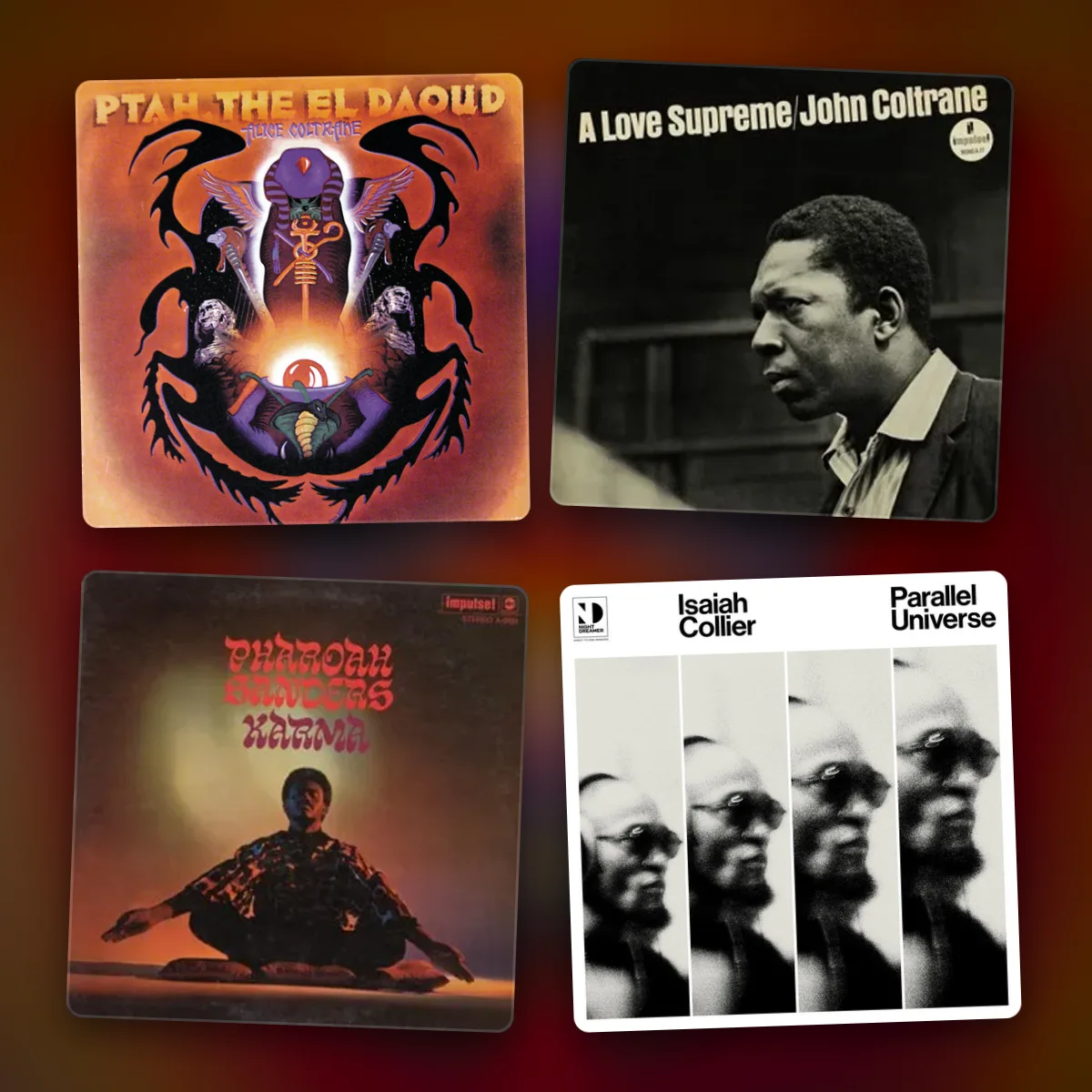
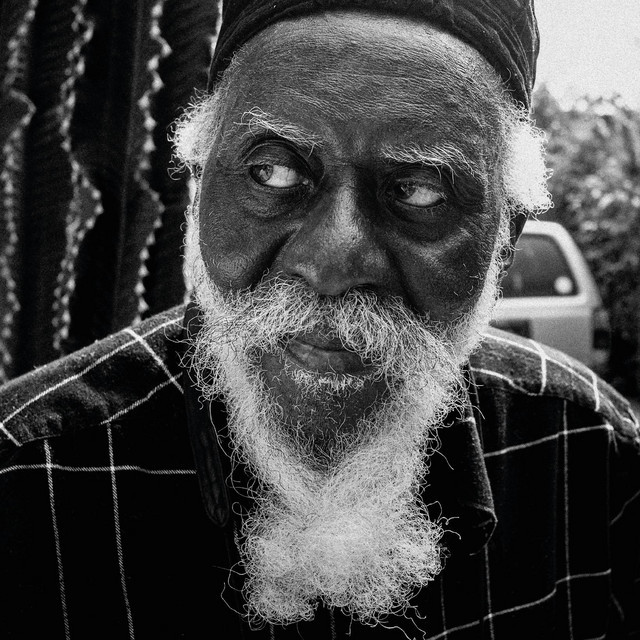
Pharoah Sanders
Jazz
Free Jazz
Spiritual Jazz
3
/5
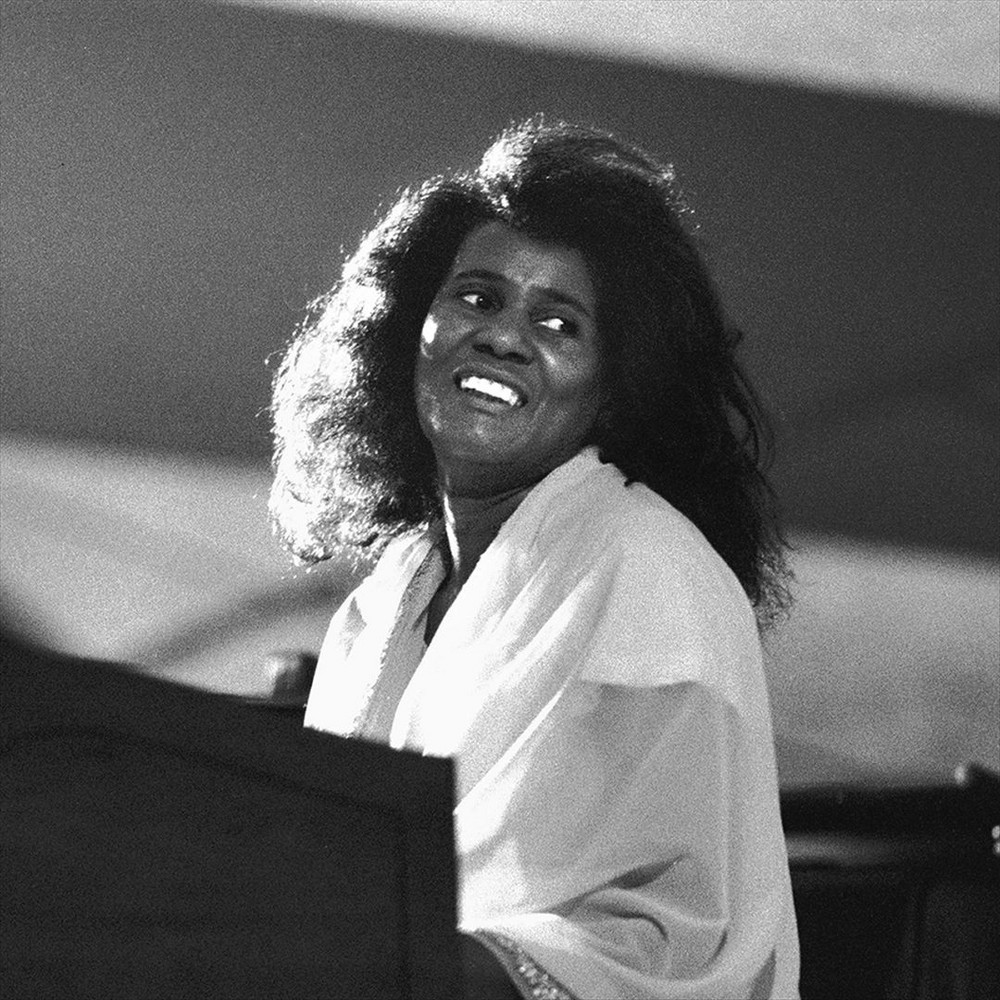
Alice Coltrane
Jazz
Free Jazz
Spiritual Jazz
4
/5
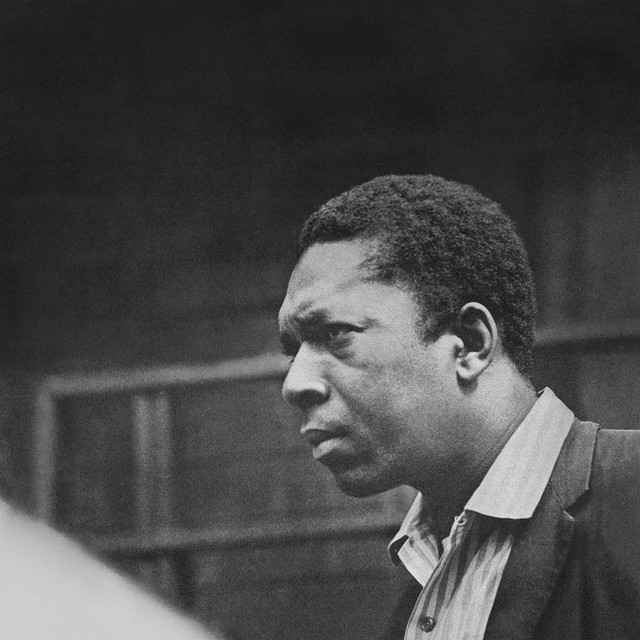
John Coltrane
Free Jazz
Hard Bop
Jazz
1
/5
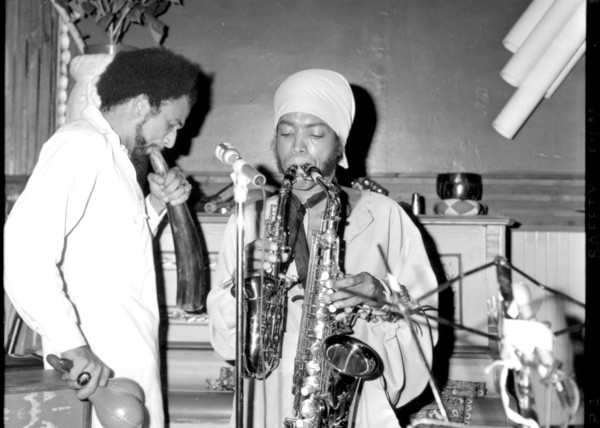
The Pyramids
Free Jazz
Afro-Jazz
Jazz
1
/5
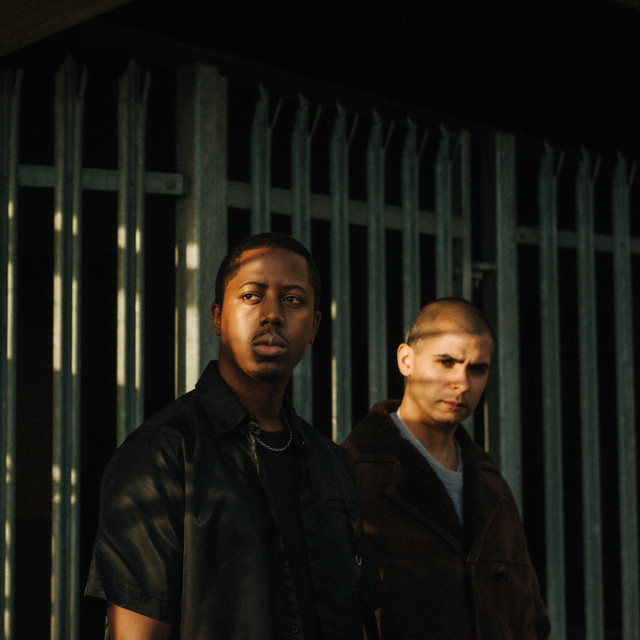
Binker and Moses
Free Jazz
Jazz
New London Jazz
3
/5
McCoy Tyner
Bebop
Cool Jazz
Free Jazz
3
/5
Sun Ra
Jazz
Afrofuturism
Experimental Big Band
2
/5
Don Cherry
Free Jazz
Jazz
Avant-Garde
1
/5
Irreversible Entanglements
Free Jazz
Spoken Word
Jazz Poetry
3
/5
Gábor Szabó
Spiritual Jazz
Gypsy Jazz
Jazz
Download our mobile app
Get the Melodigging app and start digging for new genres on the go
Download on the App Store
Get it on Google Play
© 2026 Melodigging
Give feedback
Legal
Melodding was created as a tribute to
Every Noise at Once
, which inspired us to help curious minds keep digging into music's ever-evolving genres.