Genres
Artists
Albums
Make Music
Sign in
Sign in
Artists
Technical Thrash
Artists
Technical Thrash
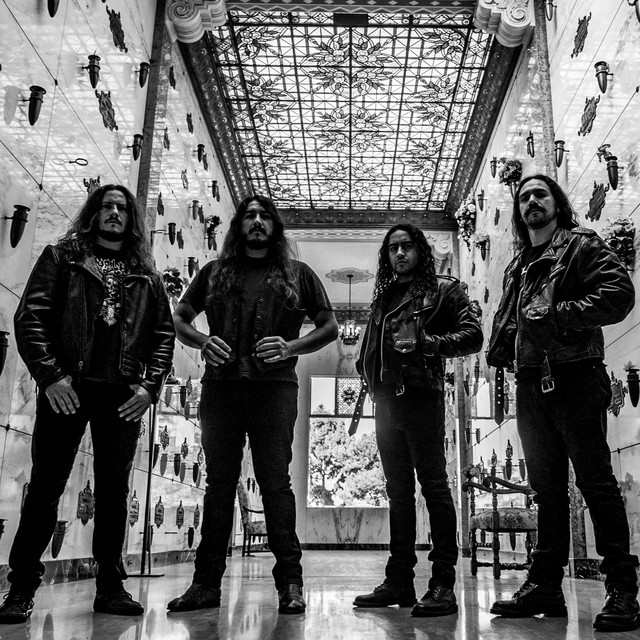
Exmortus
2014–2022
·
3 albums
Listen
2
/5
Genres
New Wave Of Speed Metal
The new wave of speed metal is a 2010s revivalist movement that resurrects the breakneck tempos, razor‑edged riffing, and high‑energy songwriting of classic 1980s speed metal. It favors twin‑guitar harmonies, athletic rhythm sections, and soaring, clean vocals that deliver anthemic hooks. Unlike the harsher edge of thrash, this wave leans into melodicism and precision: galloping rhythms, tightly palm‑muted alternate‑picked riffs, and flamboyant guitar solos. Production tends to be crisp but analog‑minded, evoking vintage warmth while meeting modern loudness and clarity.
Discover
Listen
New Wave Of Thrash Metal
New wave of thrash metal is a modern revival movement that re-emphasizes the core traits of 1980s thrash metal: fast tempos, palm-muted riffing, sharp down-picked rhythms, and urgent, confrontational energy. Compared to many 1990s and early-2000s metal trends, it typically favors rawer guitar tones, simpler (but very tight) song structures, and riff-first writing. The style often blends classic Bay Area and Teutonic thrash vocabulary with contemporary recording clarity and occasional crossover-hardcore bite, while generally avoiding the extreme technicality or low-end focus associated with technical death metal or modern metalcore.
Discover
Listen
Melodic Death Metal
Melodic death metal (often shortened to melodeath) blends the speed, aggression, and harsh vocals of death metal with the harmonized guitar leads, memorable melodies, and songcraft of traditional heavy metal and thrash. It is characterized by twin‑guitar harmonies, fast tremolo riffs, punchy palm‑muted rhythms, and growled or screamed vocals, often contrasted with catchy, clearly articulated lead lines. Compared to traditional death metal, the genre favors stronger tonal centers, consonant interval harmonies (thirds and sixths), and more accessible structures, while retaining double‑kick intensity and occasional blast beats. Production tends to be tighter and clearer than early death metal, and many bands incorporate keyboards for texture. The style is strongly associated with the early–mid 1990s Gothenburg scene in Sweden, though parallel strains also emerged in the UK and Finland.
Discover
Listen
Technical Thrash
Technical thrash is a virtuosic, hyper-precise offshoot of thrash metal that emphasizes complex song structures, fast tempo shifts, and advanced musicianship. It fuses the speed and aggression of classic thrash with the rhythmic intricacy and harmonic adventurousness of progressive music and jazz-influenced playing. Expect staccato, palm‑muted riffing in odd meters, polymetric drum work, extended instrumental passages, and lead guitar work that blends neoclassical runs with outside-note phrasing. Lyrically, technical thrash often explores science fiction, technology, psychology, and social critique, matching its cerebral musical approach with equally concept-driven themes.
Discover
Listen
Speed Metal
Speed metal is a fast, precision-driven branch of heavy metal that crystallized at the turn of the 1980s. It emphasizes aggressive tempos, tightly synchronized riffing, and virtuosic lead guitar work, while generally retaining melodic, often clean or strident vocals. Compared with thrash metal, speed metal tends to be less percussive and more melodic, favoring galloping rhythms, twin-guitar harmonies, and classic verse–chorus structures. Drums often employ rapid double-time feels and double-bass patterns, while bass frequently mirrors the rhythm guitar to reinforce propulsion. Lyrical themes range from rebellion and street realism to fantasy, warfare, and sci‑fi.
Discover
Listen
Thrash Metal
Thrash metal is an extreme subgenre of heavy metal defined by blistering tempos, tightly palm‑muted low‑register riffs, and sharp, aggressive execution. Songs commonly drive at 180–240 BPM, pairing chugging, down‑picked rhythms with shredding leads and rapid alternate‑picked lines. Drumming emphasizes double‑kick work, skank/D‑beat patterns, and abrupt, syncopated accents that lock tightly with the guitars. Vocals range from rough, shouted delivery to snarling barks and occasionally cleaner, declamatory phrasing. Lyrically, thrash favors social critique, anti‑authoritarian themes, war and dystopia, and street‑level realism, matching the music’s urgency. The overall aesthetic is lean, fast, and technical—channeling the speed and directness of hardcore punk through the tonal weight and precision of heavy metal.
Discover
Listen
Neoclassical Metal
Neoclassical metal is a subgenre of heavy metal that fuses metal’s high-gain power and speed with the harmony, counterpoint, and virtuosity of European classical music. It emphasizes fast, ornate lead guitar and keyboard lines modeled on Baroque and Romantic-era idioms—think harmonic minor scales, diminished arpeggios, rapid sequences, pedal points, and dramatic cadences. Performers commonly use techniques like alternate picking, sweep picking, legato, tapping, and precise articulation at very high tempos. Arrangements often feature guitar–keyboard unisons or call-and-response, brisk rhythms, and clear tonal centers, evoking the drama of composers such as Bach, Vivaldi, and Paganini while keeping metal’s aggression and drive.
Discover
Listen
Technical Thrash Metal
Technical thrash metal is a highly intricate, precision-focused branch of thrash metal that emphasizes complex songwriting, demanding musicianship, and advanced rhythmic and harmonic ideas. It retains the speed and aggression of classic thrash, but layers in odd time signatures, frequent tempo shifts, syncopated riffing, contrapuntal guitar parts, and harmonically adventurous chord progressions. Bass and drums are foregrounded with independent, virtuosic lines, and guitar work often features rapid alternate picking, string-skipping, sweeping, and chromatic runs. Lyrically, the style favors cerebral or conceptual themes—technology, dystopia, science fiction, social critique—delivered with clear, assertive vocals ranging from gritty shouts to cleaner, piercing tones.
Discover
Listen
Death Metal
Death metal is an extreme subgenre of heavy metal defined by heavily distorted, low‑tuned guitars, rapid and complex riffing, blast beat drumming, and harsh guttural vocals. Its harmonic language favors chromaticism, dissonance, and tremolo-picked lines that create an ominous, abrasive atmosphere. Lyrically, death metal often explores dark or transgressive themes—mortality, mythology, anti-religion, psychological horror, and the macabre—sometimes with philosophical or social commentary. Production ranges from raw and cavernous to hyper-precise and technical, reflecting the genre’s many regional scenes and substyles. From the mid‑1980s Florida scene (Tampa) and parallel developments in the US, UK, and Sweden, death metal evolved into numerous branches including brutal death metal, technical death metal, melodic death metal, and death‑doom, each emphasizing different aspects of speed, complexity, melody, or heaviness.
Discover
Listen
Metal
Metal (often used to mean heavy metal in its broad, umbrella sense) is a loud, guitar-driven style of rock defined by high-gain distortion, emphatic and often martial rhythms, and a dense, powerful low end. It foregrounds riff-based songwriting, dramatic dynamics, virtuosic guitar solos, and commanding vocals that range from melodic wails to aggressive snarls and growls. Harmonically, metal favors minor modes, modal color (Aeolian, Phrygian), chromaticism, and tritone-inflected tension, while thematically it explores power, mythology, the occult, social critique, fantasy, and existential subjects. While adjacent to hard rock, metal typically pushes amplification, distortion, precision, and thematic intensity further, forming a foundation for many specialized subgenres.
Discover
Listen
Neoclassicism
Neoclassicism in music is a 20th‑century movement that revived forms, genres, and aesthetics from the Baroque and Classical eras, but reframed them with modern harmony, rhythm, and orchestration. It emphasizes clarity, balance, objectivity, and contrapuntal craft, often rejecting late‑Romantic excess while retaining a tonal or modal center enriched by dissonance, bitonality, and crisp rhythmic drive. Typical hallmarks include neobaroque dance suites, neoclassical sonatas and concerti, chamber‑oriented scoring, clean textures, and a dry, anti‑rhetorical performance style.
Discover
Listen
Show all 11 genres
Albums
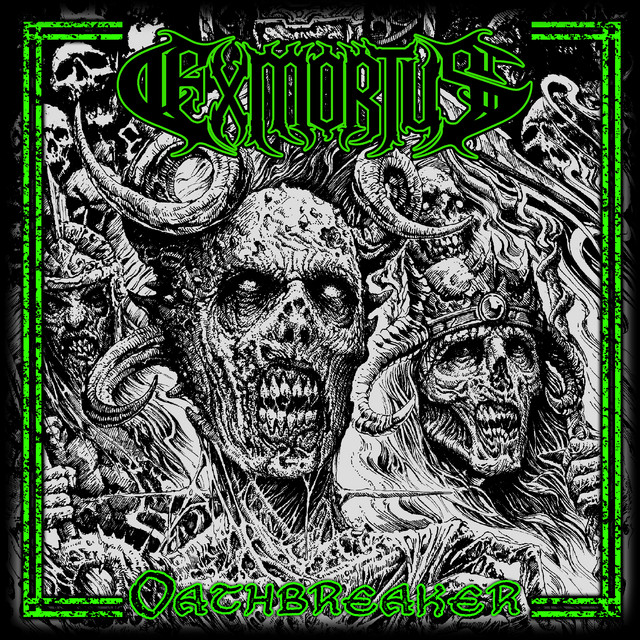
2022
1
/5
Oathbreaker
Exmortus
New Wave Of Thrash Metal
Technical Thrash
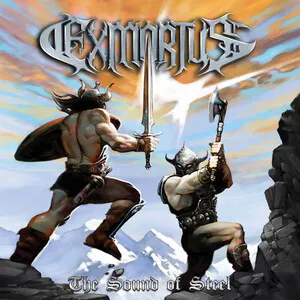
2018
1
/5
The Sound of Steel
Exmortus
Neoclassical Metal
Melodic Death Metal
Technical Thrash Metal
2014
2
/5
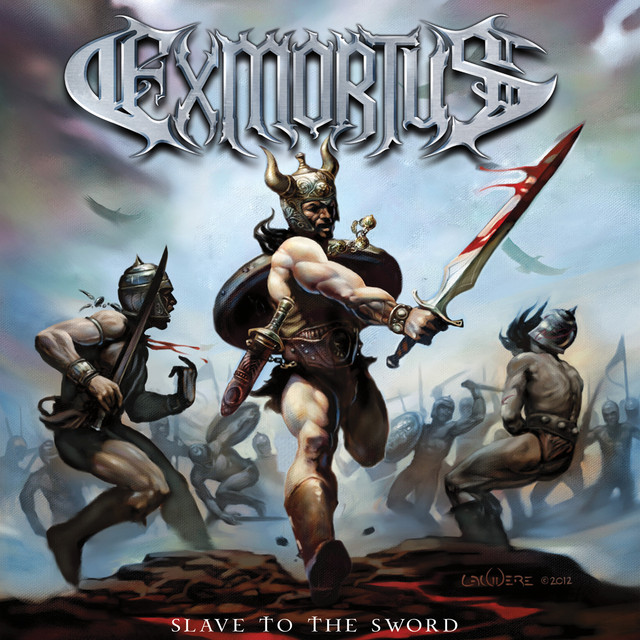
Slave to the Sword
Exmortus
Technical Thrash
Similar artists
2
/5
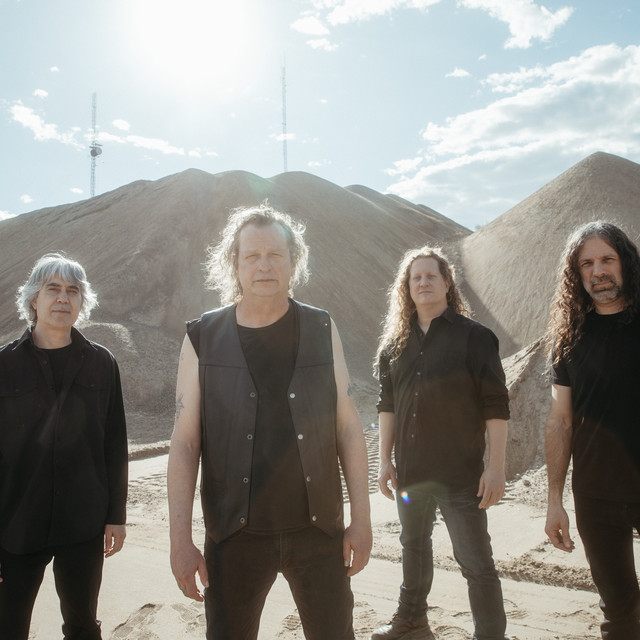
Voivod
Technical Thrash
Progressive Metal
Thrash Metal
2
/5
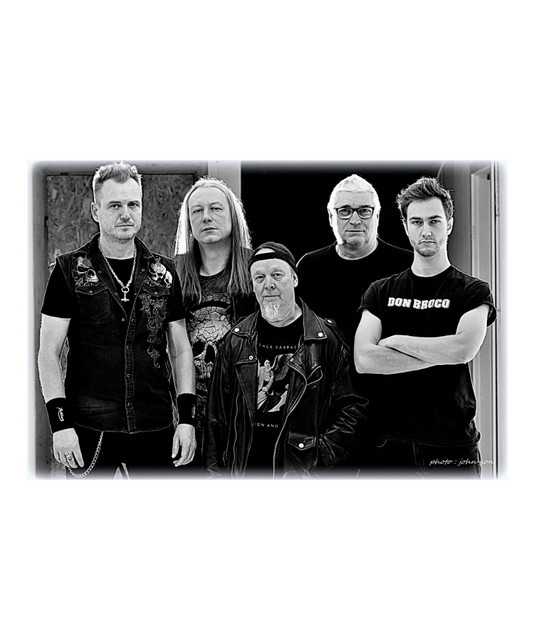
Artillery
New Wave Of Thrash Metal
Technical Thrash
Thrash Metal
2
/5
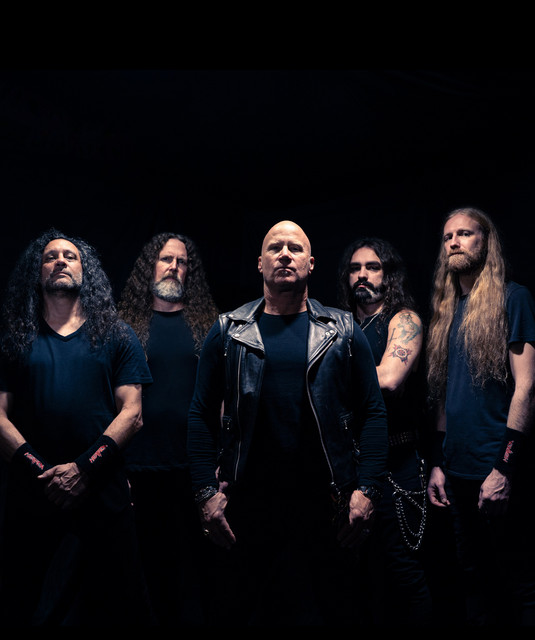
Heathen
Technical Thrash
Metal
Thrash Metal
4
/5
Amon Amarth
Death Metal
Melodic Death Metal
Tolkien Metal
3
/5
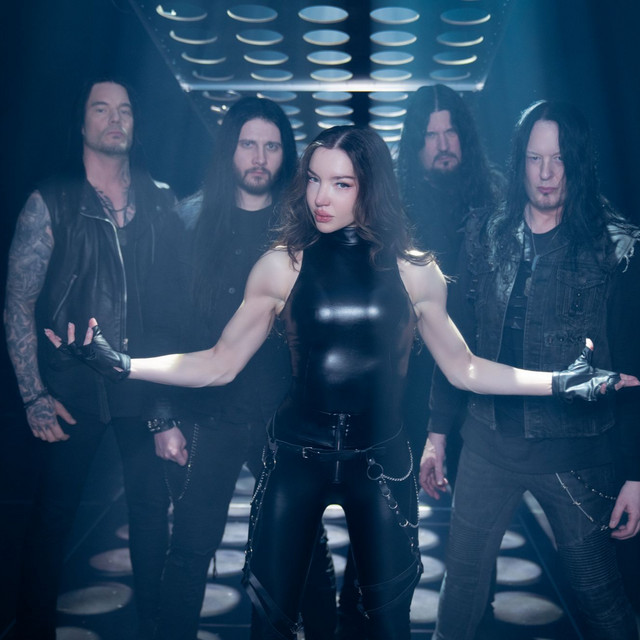
Arch Enemy
Melodic Death Metal
Metal
Death Metal
2
/5
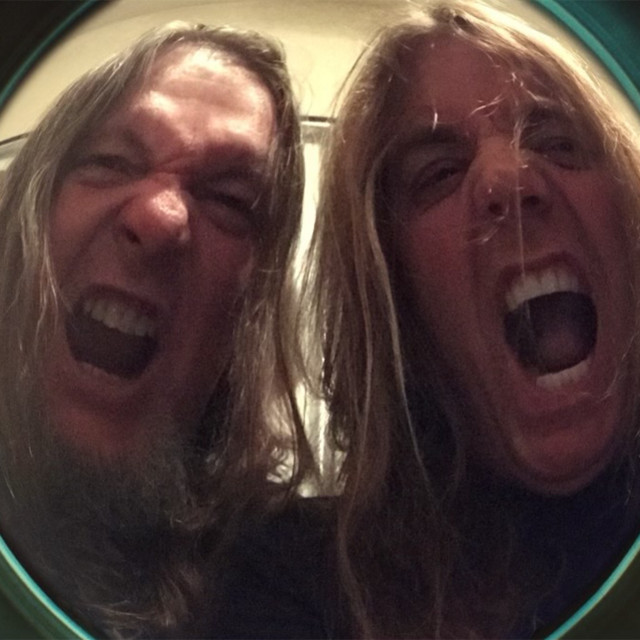
Sadus
Thrash Metal
Death Metal
Technical Thrash
3
/5
Symphony X
Neoclassical Metal
Metal
Neoclassicism
2
/5
Skeletonwitch
Black Metal
Death Metal
Melodic Death Metal
3
/5
Kreator
Melodic Thrash
Thrash Metal
Heavy Metal
3
/5
Meshuggah
Djent
Progressive Groove Metal
Technical Groove Metal
Download our mobile app
Get the Melodigging app and start digging for new genres on the go
Download on the App Store
Get it on Google Play
© 2026 Melodigging
Give feedback
Legal
Melodding was created as a tribute to
Every Noise at Once
, which inspired us to help curious minds keep digging into music's ever-evolving genres.