Genres
Artists
Albums
Make Music
Sign in
Sign in
Artists
Post-Doom Metal
Artists
Post-Doom Metal
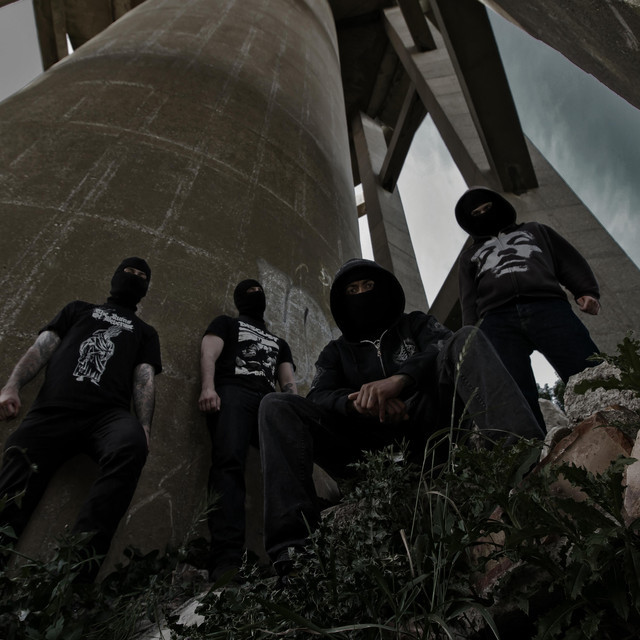
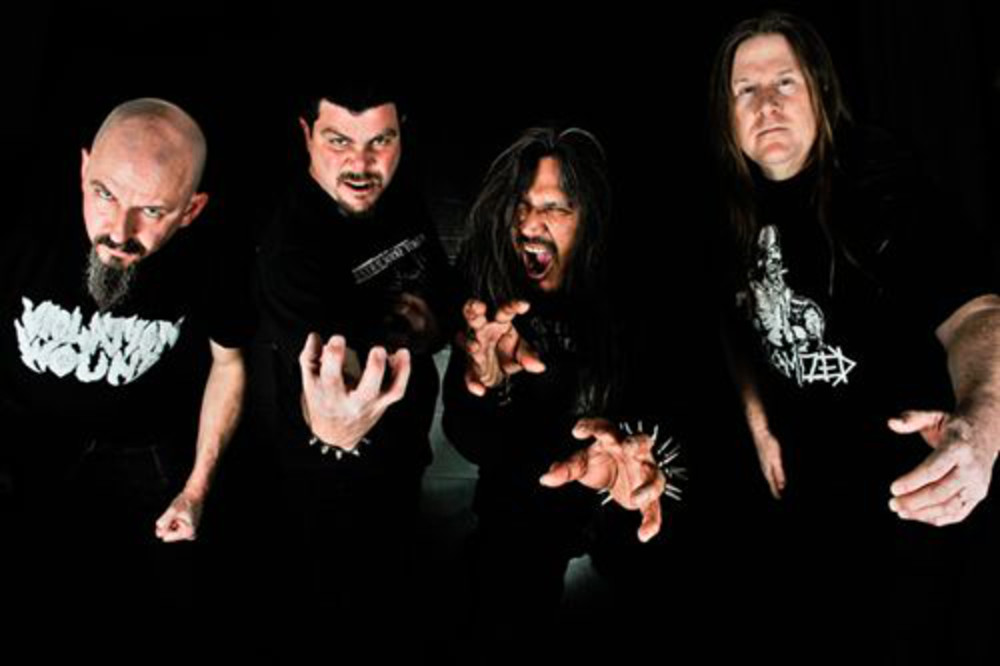
Dragged Into Sunlight
2009
·
1 album
Listen
2
/5
Genres
Voidgaze
Voidgaze is a heavy, atmospheric offshoot of shoegaze that fuses dense, down‑tuned guitars with post‑metal weight and blackgaze/atmospheric black metal expansiveness. The sound foregrounds towering walls of fuzz and reverb, but replaces the genre’s classic dreaminess with a cavernous, cosmic darkness—hence the sense of “the void.” Typical tracks pivot between tectonic, slow‑burn passages and explosive peaks: blast‑beat or double‑time surges may erupt beneath layers of smeared guitars, then collapse back into glacial, reverb‑soaked textures. Vocals are usually soft, breathy, or distant in the mix (sometimes screamed as a texture), serving the atmosphere rather than acting as a focal melody. Lyrically, voidgaze tends toward the existential—nature, vastness, decay, memory, and spiritual unease—mirroring the music’s sense of scale and sublimity.
Discover
Listen
New Isolationism
New isolationism is a contemporary strain of isolationist ambient and post-industrial minimalism that emerged in the 2010s, particularly around Scandinavian experimental labels and studios. It foregrounds intimate, close-mic’d sound, negative space, and a quiet-but-present noise floor; its pieces feel both internal and architectural, like rooms built from reverb tails, tape hiss, and soft electronics. Sonically, the style blends glacial drones, fragile chamber timbres (strings, organ, piano), lo‑fi electronics, and field recordings into stark, slow-evolving tableaux. Melodic information is sparse—often only a few tones or gestures—while rhythm is either absent or reduced to distant pulses, heartbeats, or mechanical cycles. Vocals, when they appear, are murmured, diaristic, or abstracted by pitch and time manipulation. Aesthetically, new isolationism is post‑internet and diaristic: it captures solitude, memory, and dislocation with a palette that feels personal yet estranged, drawing as much from contemporary gallery sound practice as from classic dark ambient.
Discover
Listen
Post-Doom Metal
Post-doom metal is a doom-derived style that blends the slow, heavy weight of doom metal with the expansive structures and textural focus associated with post-rock and post-metal. Compared to traditional doom, it often relies less on blues-based riff repetition and more on long-form crescendos, layered guitars, and dynamic contrast (quiet, spacious passages that swell into crushing climaxes). The genre commonly emphasizes atmosphere and emotional build-up, using down-tuned guitars, sustained chords, and dense low-end while keeping arrangements cinematic and patient rather than riff-forward and verse-chorus driven.
Discover
Listen
Autonomous Black Metal
Autonomous black metal is a politically radical branch of black metal that aligns itself with left-wing, anarchist, and anti-fascist principles. Sometimes overlapping with or framed as RABM (Red & Anarchist Black Metal), it emphasizes DIY ethics, community self-organization, and explicit opposition to authoritarianism and bigotry. Musically, it combines the raw tremolo-picked riffing, blast beats, and shrieked vocals of classic black metal with the urgency and rhythmic propulsion of crust punk and d-beat. Production is often intentionally unvarnished to preserve intensity and immediacy, while atmospheric passages, field recordings, or folk-inflected interludes may appear to underline ecological or social themes. Lyrically, the style addresses anti-capitalism, labor struggles, anti-fascism, feminism, anti-racism, environmentalism, and solidarity with social movements, frequently tying releases to benefit causes and grassroots networks.
Discover
Listen
Atmospheric Sludge Metal
Atmospheric sludge metal is a hybrid of sludge metal’s heaving, down-tuned weight and the expansive, cinematic scope of post-rock and ambient music. It favors long-form structures, glacial tempos, and tectonic riffing that build into towering crescendos. Guitars are layered with delay and reverb to carve out vast soundscapes; bass and drums move between hypnotic, ritualistic grooves and explosive climaxes; vocals shift from haunted whispers to anguished roars. Rather than focusing only on aggression, the style stresses mood, texture, and dynamics—inviting the listener into an immersive, cathartic journey that feels both monolithic and ethereal.
Discover
Listen
Death Metal
Death metal is an extreme subgenre of heavy metal defined by heavily distorted, low‑tuned guitars, rapid and complex riffing, blast beat drumming, and harsh guttural vocals. Its harmonic language favors chromaticism, dissonance, and tremolo-picked lines that create an ominous, abrasive atmosphere. Lyrically, death metal often explores dark or transgressive themes—mortality, mythology, anti-religion, psychological horror, and the macabre—sometimes with philosophical or social commentary. Production ranges from raw and cavernous to hyper-precise and technical, reflecting the genre’s many regional scenes and substyles. From the mid‑1980s Florida scene (Tampa) and parallel developments in the US, UK, and Sweden, death metal evolved into numerous branches including brutal death metal, technical death metal, melodic death metal, and death‑doom, each emphasizing different aspects of speed, complexity, melody, or heaviness.
Discover
Listen
Dark Ambient
Dark ambient is a post‑industrial subgenre that coalesced in the mid‑1980s, drawing primarily on ambient music but shifting its focus toward ominous, subterranean space and timbre. It is characterized by long, low‑frequency drones; dissonant or microtonal overtones; and an enveloping, gloomy or catacomb‑like atmosphere. While largely electronic (synthesizers, samplers, tape and digital processing), artists frequently incorporate field recordings, contact‑mic textures, bowed metal, gongs, and fragments of traditional instruments captured with semi‑acoustic techniques and then heavily processed. Melody and pulse are minimized; instead the music emphasizes immersive sound design, psychoacoustic detail, and slowly evolving textures that evoke dread, awe, and isolation.
Discover
Listen
Death-Doom Metal
Death-doom metal is a fusion of death metal’s extremity and doom metal’s slow, crushing weight. It pairs down-tuned, monolithic riffs and oppressive tempos with death metal features such as guttural growls, occasional double-kick bursts, and abrasive distortion. The mood is bleak and melancholic, often enhanced by minor-key harmonies, sustained chords, and sparse melodic figures. Some bands add keyboards, violin, or clean guitar interludes to deepen the sense of tragedy and atmosphere. Lyrically, it focuses on grief, mortality, desolation, and existential dread. Arrangements tend to be long-form and dynamic: glacial passages anchor the music while strategically placed surges of death-metal intensity create cathartic contrast.
Discover
Listen
Doom Metal
Doom metal is a heavy metal subgenre defined by slow to mid-tempo grooves, down-tuned, highly distorted guitars, and an atmosphere of dread, melancholy, and weight. It emphasizes ominous, minor-key riffs and sustained tones over speed or virtuosity, creating a crushing sense of space and inevitability. Vocals range from plaintive and theatrical (epic/traditional doom) to anguished wails or harsh growls (death-doom), and lyrics often explore themes of suffering, mortality, the occult, apocalyptic visions, and existential despair. Song structures are typically riff-centric and long-form, with repetition and gradual dynamic shifts producing a hypnotic, ritualistic feel.
Discover
Listen
Metal
Metal (often used to mean heavy metal in its broad, umbrella sense) is a loud, guitar-driven style of rock defined by high-gain distortion, emphatic and often martial rhythms, and a dense, powerful low end. It foregrounds riff-based songwriting, dramatic dynamics, virtuosic guitar solos, and commanding vocals that range from melodic wails to aggressive snarls and growls. Harmonically, metal favors minor modes, modal color (Aeolian, Phrygian), chromaticism, and tritone-inflected tension, while thematically it explores power, mythology, the occult, social critique, fantasy, and existential subjects. While adjacent to hard rock, metal typically pushes amplification, distortion, precision, and thematic intensity further, forming a foundation for many specialized subgenres.
Discover
Listen
Show all 10 genres
Albums
2009
2
/5
Hatred for Mankind
Dragged Into Sunlight
Autonomous Black Metal
Doom Metal
Post-Doom Metal
Similar artists
2
/5
Pallbearer
Doom Metal
Psychedelic Doom
Post-Doom Metal
2
/5
The Body
Death Industrial
Doom Metal
Sludge Metal
2
/5
Bell Witch
Post-Doom Metal
Funeral Doom
Doom Metal
2
/5
Torche
Post-Doom Metal
Sludge Metal
Stoner Rock
1
/5
Sumac
Post-Doom Metal
Atmospheric Sludge Metal
Doom Metal
1
/5
Chapel Of Disease
Grisly Death Metal
Death Metal
Voidgaze
3
/5
Amorphis
Progressive Doom
Progressive Metal
Viking Metal
3
/5
The Acacia Strain
Downtempo Deathcore
Deathcore
Metalcore
2
/5
Khemmis
Doom Metal
Heavy Metal
Post-Doom Metal
2
/5
Autopsy
Death Metal
Deathgrind
Grindcore
Download our mobile app
Get the Melodigging app and start digging for new genres on the go
Download on the App Store
Get it on Google Play
© 2026 Melodigging
Give feedback
Legal
Melodding was created as a tribute to
Every Noise at Once
, which inspired us to help curious minds keep digging into music's ever-evolving genres.