Your digging level

For this genre
0/8
🏆
Sign in, then listen to this genre to level up

Description

Post-doom metal is a doom-derived style that blends the slow, heavy weight of doom metal with the expansive structures and textural focus associated with post-rock and post-metal.

Compared to traditional doom, it often relies less on blues-based riff repetition and more on long-form crescendos, layered guitars, and dynamic contrast (quiet, spacious passages that swell into crushing climaxes).

The genre commonly emphasizes atmosphere and emotional build-up, using down-tuned guitars, sustained chords, and dense low-end while keeping arrangements cinematic and patient rather than riff-forward and verse-chorus driven.


Sources: Spotify, Wikipedia, Discogs, Rate Your Music, MusicBrainz, and other online sources

History

Roots and foundations

Post-doom metal emerged in the 2000s as doom metal artists and adjacent heavy bands increasingly adopted the pacing, repetition, and crescendo-based songwriting of post-rock.

2000s: Formation of a recognizable approach

During the 2000s, bands began combining traditional doom’s down-tuned heaviness with post-metal’s expansive structures and post-rock’s patient atmosphere, leading to long tracks built around gradual development and dramatic peaks.

2010s–present: Refinement and cross-pollination

In the 2010s and beyond, post-doom metal continued to cross-pollinate with atmospheric sludge, blackgaze, and ambient influences, while production trends favored wide stereo soundscapes, thick low-end, and highly dynamic arrangements that highlight tension and release.
How to make a track in this genre

Instrumentation and tone
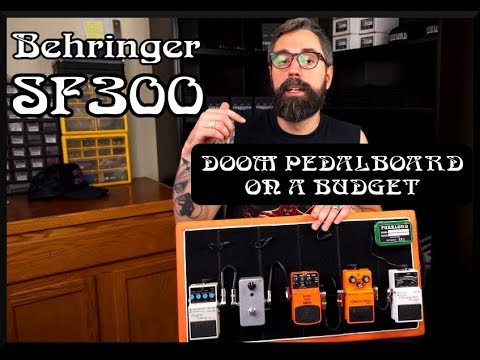
•   Use down-tuned electric guitars (commonly C standard to drop A) with high headroom amps or layered distortion/fuzz to create sustained, wall-like chords. •   Bass should be prominent, often mirroring the root motion and reinforcing the low-frequency “mass” rather than playing busy fills. •   Drums should prioritize slow-to-mid tempos with strong kick-and-floor-tom weight; cymbal swells and mallet work help build crescendos.
Rhythm and pacing
•   Write primarily in slow tempos (often 50–90 BPM), but allow sections to accelerate slightly during climaxes. •   Build tension through repetition with small changes: add layers, widen voicings, increase drum density, or shift accents. •   Use long-form structures (6–15+ minutes) where intensity grows in stages rather than arriving quickly.
Harmony and melody
•   Favor modal or minor-centered harmony; movement can be minimal, but each chord should feel “inevitable” and heavy. •   Use sustained intervals (power chords, fifths, octaves) plus occasional color tones (seconds, fourths, minor sixths) for bleak or yearning atmosphere. •   Melodies are often sparse and motif-based; let a simple theme recur while the arrangement evolves around it.
Dynamics and arrangement (the core of the style)
•   Start with space: clean or lightly overdriven guitars, drones, or ambient noise. •   Add layers gradually: second guitar with tremolo picking or octave lines, bass saturation, then fuller drum patterns. •   Reserve the heaviest distortion and the densest drum work for late-track peaks to make climaxes feel earned.
Vocals and lyrics (optional but common)
•   Vocals may be absent or used sparingly; when present, they often alternate between distant clean singing and harsher screams/roars. •   Lyrics commonly explore grief, existential dread, nature, isolation, or spiritual struggle, matching the music’s slow-burn intensity.
Production tips
•   Aim for wide stereo guitars and a thick but controlled low end; avoid over-compressing so crescendos retain impact. •   Let reverb and delay create depth, but keep the fundamental riff intelligible when the mix becomes massive.

Main artists

Top tracks

Locked
Share your favorite track to unlock other users’ top tracks
Influenced by
Challenges
Digger Battle
Let's see who can find the best track in this genre
© 2026 Melodigging
Melodding was created as a tribute to Every Noise at Once, which inspired us to help curious minds keep digging into music's ever-evolving genres.
Buy me a coffee for Melodigging