Your digging level
Description
UK doom metal is the United Kingdom’s distinctive take on doom metal, marked by extremely slow tempos, towering low-end guitar tones, and a mood that ranges from bleak and elegiac to occult and monolithic.
The scene is historically bifurcated between two major strands: the death/doom and gothic-tinged sound pioneered by the so‑called “Peaceville Three” (Paradise Lost, My Dying Bride, Anathema), and the trad/stoner doom lineage spearheaded by Cathedral and later Electric Wizard. Across both strands, characteristic features include down‑tuned, riff-first songwriting, sustained minor harmonies and tritones, mournful melodic leads, and vocals that move from cavernous growls to plaintive cleans or ritualistic chants.
Production typically emphasizes a thick, saturated guitar wall, prominent bass, and roomy drums, evoking a sense of weight, space, and inevitability. Lyrically, UK doom frequently explores sorrow, loss, romantic fatalism, myth, and the occult, reflecting the genre’s uniquely British fusion of desolation and grandeur.
History
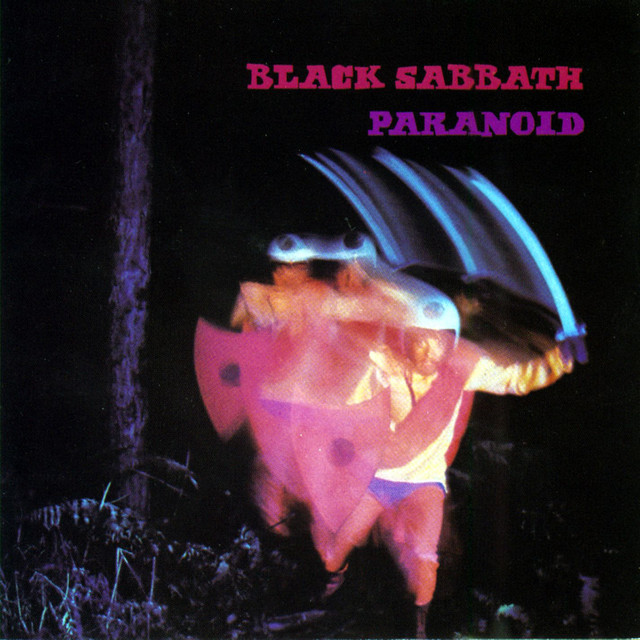
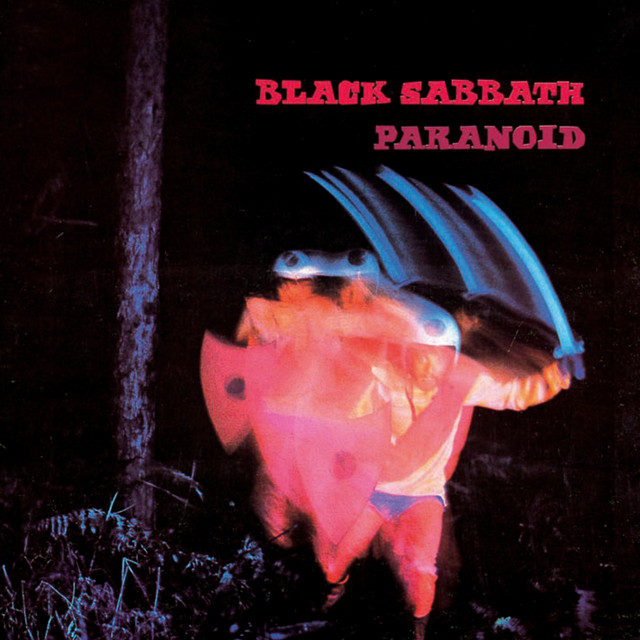
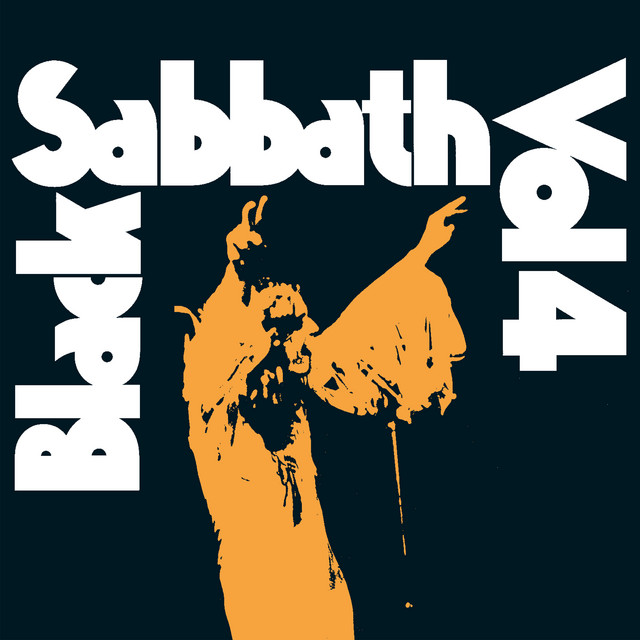
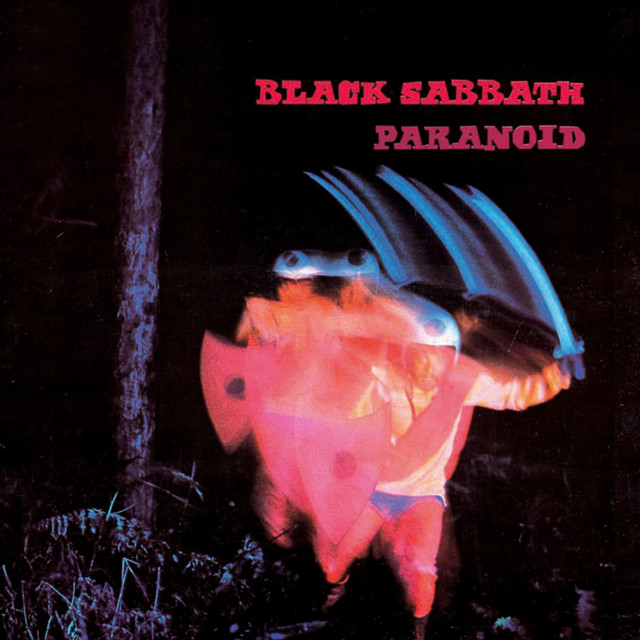
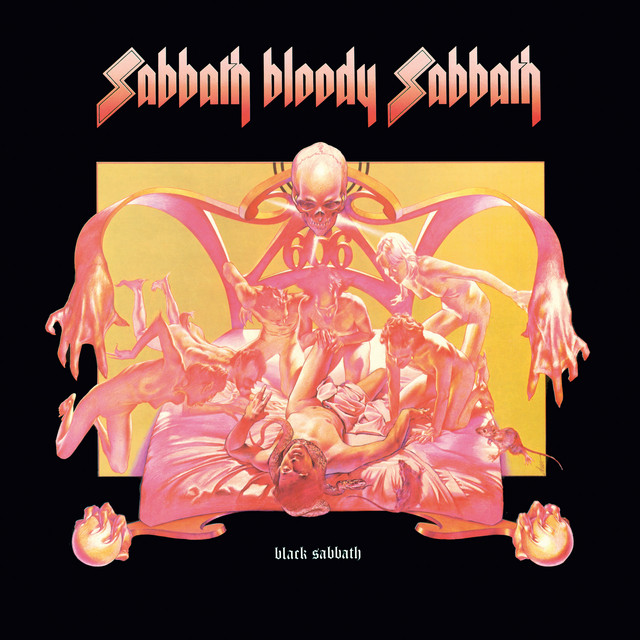
The seeds of UK doom metal were sown by Black Sabbath’s slow, ominous riffing and horror-laden imagery, which inspired a generation of heavy bands to embrace darker tempos and tones. During the NWOBHM, Witchfinder General and Pagan Altar distilled Sabbath’s heaviness into a raw, early doom template that would echo through the scene.
A defining moment arrived with Yorkshire’s “Peaceville Three”: Paradise Lost, My Dying Bride, and Anathema. Their early output on Peaceville Records codified death/doom—combining death metal’s growls and heft with glacial tempos, sorrow-laden harmonies, violin/keys, and gothic atmospheres. By the mid‑1990s, these bands helped catalyze the rise of gothic metal, even as their own sounds evolved in divergent directions.
Parallel to death/doom, Cathedral—led by ex‑Napalm Death vocalist Lee Dorrian—revived traditional doom with massive, swinging Sabbathian riffs and retro worship. Electric Wizard then pushed UK doom into a psychedelic, fuzz‑drenched abyss, defining a darker, more occult, stoner‑doom aesthetic. Labels like Rise Above amplified this strain, cementing a second pillar of the UK doom identity.
The UK continued to shape doom’s extremes: Esoteric stretched funeral‑doom vastness to psychedelic, mind‑bending lengths; Warning and later 40 Watt Sun emphasized emotionally devastating, minimal, clean‑voiced doom; Conan forged an ultra‑low, war‑drone stomp; and a revitalized underground saw acts like Moss and The Wounded Kings embrace cavernous, ritualistic heaviness. Festivals (e.g., Doom Over London) and stalwart labels (Peaceville, Rise Above, Candlelight) helped maintain a vibrant ecosystem.
UK doom metal remains a global reference point, its dual lineage—death/gothic doom and trad/stoner doom—informing funeral doom, post‑doom, and modern stoner/sludge worldwide. Newer UK bands fold in post‑metal, psych, and occult rock, while the classics continue to define the genre’s balance of sorrow, scale, and sonic gravity.