Your digging level

For this genre
0/8
🏆
Sign in, then listen to this genre to level up

Description

Funeral doom is an extreme substyle of doom metal characterized by ultra-slow tempos, vast dynamic space, and an atmosphere that oscillates between desolate melancholy and solemn grandeur.

Songs often extend well beyond 10 minutes, built from sustained, down-tuned guitars, cavernous bass, sparse drum hits, and prominent keyboard or church-organ timbres. Vocals typically range from abyssal death-doom growls to distant, reverb-drenched cleans and choral textures. Rather than focusing on riffs in the traditional sense, arrangements emphasize long-form harmonic drones, pedal tones, and gradual textural shifts.

Lyrically, funeral doom contemplates death, loss, metaphysical dread, and the sublime—frequently invoking imagery of nature, oceanic vastness, and mythic or literary themes. The result is music that feels monolithic and ritualistic, inviting patient, immersive listening rather than visceral immediacy.


Sources: Spotify, Wikipedia, Discogs, Rate Your Music, MusicBrainz, and other online sources

History

Origins (early 1990s)

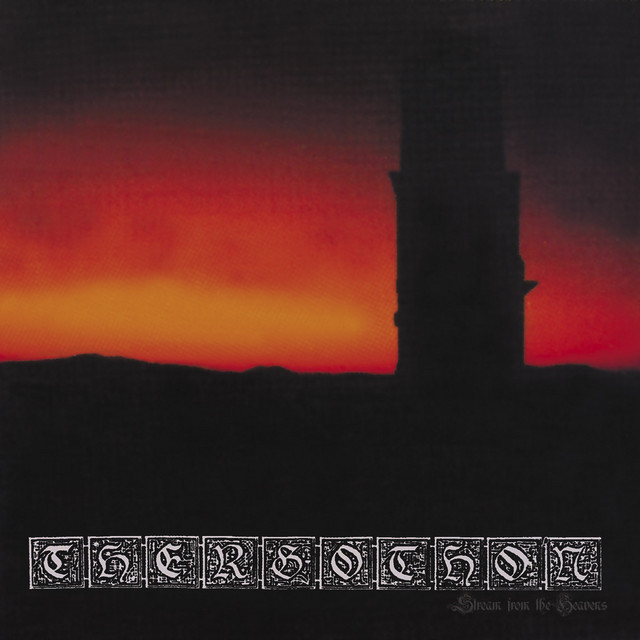
Funeral doom emerged in the early 1990s, with Finland widely recognized as its cradle. Thergothon’s Stream from the Heavens (1994) and Skepticism’s Stormcrowfleet (1995) codified the genre’s ultra-slow pacing, organ-led grandeur, and abyssal growls. In Norway, Funeral’s Tragedies (1995) added a distinctly tragic, melodic sensibility. These records transformed death-doom’s heaviness into something more static, ceremonial, and architecturally vast.

Consolidation (mid–late 1990s)

Across the mid–late 1990s, the sound took root internationally. The UK’s Esoteric (Epistemological Despondency, 1994) folded psychedelic extremity into long-form doom, while the United States’ Evoken (formed 1992; Embrace the Emptiness, 1998) brought a sepulchral, reverb-laden approach. Finland continued to shape the idiom with projects that treated organ and sustained harmony as equal pillars to guitars and drums.

Global spread (2000s)

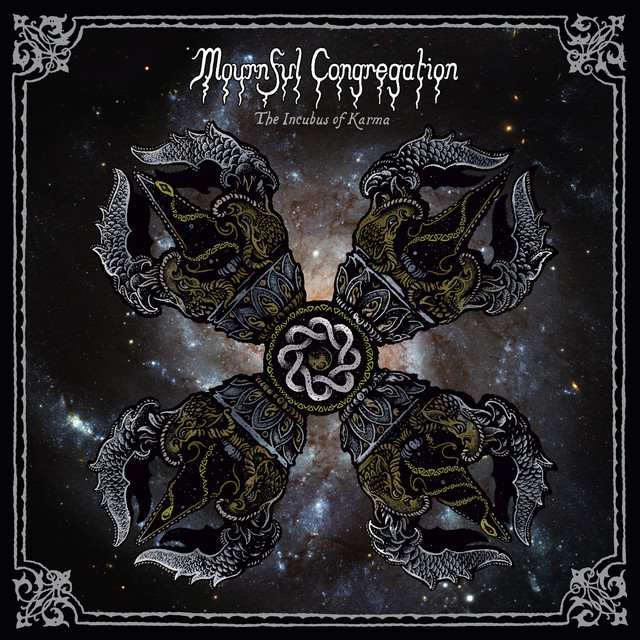
The 2000s saw an expansion in both reach and refinement. Finland’s Shape of Despair (Shades of…, 2000) favored ethereal keyboards and choral textures; Australia’s Mournful Congregation (The Monad of Creation, 2005) emphasized baroque melodicism within glacial structures; Germany’s Ahab (The Call of the Wretched Sea, 2006) developed a “nautical” funeral doom aesthetic with maritime literature as thematic anchor. Festivals and dedicated labels helped connect a once-obscure scene to a global audience.

Renewal & hybrids (2010s–present)

The 2010s brought renewed attention and boundary-pushing statements. Bell Witch’s Mirror Reaper (2017)—one 80+ minute composition—demonstrated the form’s potential for monumental single-movement design. Numerous artists hybridized funeral doom with drone, ambient, post-metal, and shoegaze elements, influencing adjacent niches (e.g., doomgaze, post-doom metal) while keeping the core ethos—extreme slowness, sustained harmony, and existential gravitas—intact.

How to make a track in this genre

Core tempo, meter, and pacing
•   Write at ultra-slow tempos (roughly 20–60 BPM). Consider half-time feels and long rests to let resonance bloom. •   Use simple meters (4/4 or 6/8) and avoid excessive syncopation; gravity and sustain are the priorities.
Harmony, melody, and texture
•   Favor sustained, down-tuned guitars (C standard or lower; even baritone or extended-range) with thick but not overly saturated distortion. Pedal tones and drones are foundational. •   Use slow harmonic rhythm—chord changes can be measured in dozens of bars. Minor modes (Aeolian, Phrygian) and modal mixture suit the mood; add color tones (2nds, 4ths, 6ths) for tension. •   Layer organ/choir pads or string synths for a liturgical, solemn aura. Subtle counter-melodies on lead guitar or keys should unfold sparingly.
Arrangement and form
•   Think in long arcs: multi-part suites, gradual crescendos, and textural evolution rather than verse/chorus repetition. •   Drums should be sparse and orchestral: mallet strikes on toms, timpani-like rolls, cymbal swells. Leave space between hits. •   Bass anchors the tectonic movement—use sustained notes, occasional slides, and gentle overdrive to magnify depth.
Vocals and lyrics
•   Primary delivery often uses deep growls; alternate with distant cleans, chants, or spoken passages for contrast. •   Themes: mortality, grief, mythic seascapes, deserts, ruins, cosmic insignificance. Write with evocative imagery and pacing that matches the music’s monumental feel.
Production and mix
•   Prioritize headroom and decay. Long reverbs (plates/halls) on vocals, guitars, and organs create the cathedral-like space typical of the style. •   Shape low-end carefully (HPF on guitars/keys to leave room for bass and kick). Slow-attack compression helps preserve transient weight without choking sustain. •   Use automation to reveal and conceal layers over minutes, guiding the listener through the structure.
Practical workflow tips
•   Compose with a slow click or click subdivisions off; feel the sustain, not the grid. Track in sections and stitch through crossfades. •   If parts feel busy, remove notes rather than add. Funeral doom thrives on patience, proportion, and resonance.

Top tracks

Locked
Share your favorite track to unlock other users’ top tracks
Influenced by
Has influenced
Challenges
Digger Battle
Let's see who can find the best track in this genre
© 2026 Melodigging
Melodding was created as a tribute to Every Noise at Once, which inspired us to help curious minds keep digging into music's ever-evolving genres.
Buy me a coffee for Melodigging