Genres
Artists
Albums
Make Music
Sign in
Sign in
Artists
Death Industrial
Artists
Death Industrial
The Body
2010–2024
·
12 albums
Listen
2
/5
Genres
Gaian Doom
Gaian doom is a doom-metal offshoot that fuses the genre’s glacial tempos and colossal low-end with eco-spiritual themes, nature soundscapes, and droning textures. It often foregrounds the relationship between humanity and the biosphere, evoking forests, mountains, oceans, and cycles of decay and renewal. Musically, it draws from drone and post-metal’s long-form crescendos, sludge’s weight, and dark ambient’s textural depth. Field recordings (wind, water, birds, rain) and acoustic timbres (hand percussion, bowed instruments, harmonium) are layered around downtuned riffs to create a ritual, earth-centric atmosphere. Lyrics tend to be mythopoetic, animist, or ecological, emphasizing Gaia as a living, interdependent system.
Discover
Listen
New Isolationism
New isolationism is a contemporary strain of isolationist ambient and post-industrial minimalism that emerged in the 2010s, particularly around Scandinavian experimental labels and studios. It foregrounds intimate, close-mic’d sound, negative space, and a quiet-but-present noise floor; its pieces feel both internal and architectural, like rooms built from reverb tails, tape hiss, and soft electronics. Sonically, the style blends glacial drones, fragile chamber timbres (strings, organ, piano), lo‑fi electronics, and field recordings into stark, slow-evolving tableaux. Melodic information is sparse—often only a few tones or gestures—while rhythm is either absent or reduced to distant pulses, heartbeats, or mechanical cycles. Vocals, when they appear, are murmured, diaristic, or abstracted by pitch and time manipulation. Aesthetically, new isolationism is post‑internet and diaristic: it captures solitude, memory, and dislocation with a palette that feels personal yet estranged, drawing as much from contemporary gallery sound practice as from classic dark ambient.
Discover
Listen
Post-Doom Metal
Post-doom metal is a doom-derived style that blends the slow, heavy weight of doom metal with the expansive structures and textural focus associated with post-rock and post-metal. Compared to traditional doom, it often relies less on blues-based riff repetition and more on long-form crescendos, layered guitars, and dynamic contrast (quiet, spacious passages that swell into crushing climaxes). The genre commonly emphasizes atmosphere and emotional build-up, using down-tuned guitars, sustained chords, and dense low-end while keeping arrangements cinematic and patient rather than riff-forward and verse-chorus driven.
Discover
Listen
Death Industrial
Death industrial is a bleak, slow-moving offshoot of post-industrial music that fuses the oppressive electronics of power electronics with the cavernous atmospheres of dark ambient. It favors heavy, corroded textures, throttled dynamics, and a ritualistic sense of pace over conventional song structures. Typical tracks revolve around grim loops of rumbling low-end, metallic drags, and asphyxiating drones, punctuated by sparse, reverberant percussion and eruptions of saturated noise. Vocals—when present—are usually shouted, whispered, or processed into inhuman growls, often conveying themes of death, decay, pathology, and abjection. The production aesthetic embraces tape hiss, feedback, clipping, and analog grime, creating a sense of claustrophobic physicality.
Discover
Listen
New England Metal
New England metal is a regional umbrella for the heavy music that emerged from the six U.S. states of the Northeast (Massachusetts, Connecticut, Rhode Island, Maine, New Hampshire, and Vermont). It blends hardcore’s physicality with metal’s riff craft and extremity, and is best known for a distinctive vein of melodic-yet-heavy metalcore alongside deathcore, post‑metal, and sludge/doom. Hallmarks include Gothenburg‑style harmonized riffs welded to breakdowns, precision double‑kick drumming, a mix of harsh screams and anthemic clean choruses, and an austere, wintry mood often reflected in lyrical themes of perseverance and introspection. A dense network of VFW halls, college towns, DIY spaces, and the Worcester‑based New England Metal & Hardcore Festival forged tight inter‑scene cross‑pollination, while local studios and labels helped codify a sound that is both technically sharp and emotionally direct.
Discover
Listen
Drone Metal
Drone metal (often called drone doom) is an extreme, minimalist offshoot of doom metal that centers on sustained tones, monumental volume, and glacial tempos. Rather than relying on riffs or conventional grooves, it foregrounds long, vibrating chords, amplifier feedback, and the physical presence of sound itself. Its textures are typically cavernous and monochromatic, with guitars tuned very low, notes held for extended durations, and percussion either sparse or entirely absent. Vocals—if present—range from ritualistic chants to guttural growls or distant murmurs, often treated as another layer of texture rather than a narrative lead. The result is immersive and meditative, yet crushing: a music of weight, space, and resonance that emphasizes timbre and decay over melody and rhythm.
Discover
Listen
Stoner Metal
Stoner metal is a heavy, riff-centered offshoot of doom metal that fuses the low-and-slow weight of early Sabbath with the hazy psychedelia and fuzz-drenched tones of 1970s hard rock. It emphasizes down-tuned guitars, thick midrange, and hypnotic, groove-forward drumming, often evoking a desert-heat mirage of sustained riffs and feedback. Compared to stoner rock, stoner metal leans darker and heavier, with a doomier pulse, longer song structures, and an almost trance-like fixation on repetition. Lyrics frequently explore cosmic wanderlust, occult imagery, apocalyptic visions, and cannabis counterculture, while production tends to favor warm, analog saturation and room-heavy drum sounds.
Discover
Listen
Power Noise
Power noise, also known as rhythmic noise, is a club-oriented offshoot of industrial and noise that focuses on heavily distorted, beat-driven patterns. It emphasizes pounding kick drums, clipped and bit-crushed percussion, metallic samples, and relentless repetition over traditional melody or harmony. The tempo typically ranges from 120 to 160 BPM, with grooves that alternate between strict four-on-the-floor and jagged, syncopated sequences. Producers use waveshaping, hard clipping, resonant filtering, and dynamic abuse to turn drums and noise bursts into the main musical material, resulting in a stark, physical, and hypnotically mechanized sound. While rooted in the experimental ethos of noise, power noise is designed for the dancefloor, bridging abrasive timbres with propulsive, minimalist structures.
Discover
Listen
Sludge Metal
Sludge metal is a hybrid of doom metal’s slow, downtuned weight and hardcore punk’s raw aggression. It emphasizes thick, overdriven guitar tones, throttling bass, and drums that lurch between trudging slow-motion grooves and ragged mid‑tempo blasts. Vocals are typically screamed, barked, or anguished, often buried slightly in the mix to feel abrasive and cathartic. The style took shape in the late 1980s United States—particularly the Pacific Northwest and the American South—where bands fused Sabbath‑like doom riffs with the DIY harshness of hardcore and the scabrous textures of noise rock. Lyrical themes commonly explore addiction, despair, social decay, and Southern Gothic imagery, delivered with an intentionally gritty, unvarnished production aesthetic.
Discover
Listen
Industrial Metal
Industrial metal is a fusion of the mechanized, abrasive textures of industrial music with the weight, riff-driven power, and aggression of heavy metal. It emphasizes machine-like rhythms, down-tuned guitars, harsh or processed vocals, and extensive use of sequencers, drum machines, and sampling. The sound often evokes dystopian, anti-authoritarian, and techno-skeptical themes, with a tight, repetitive groove that feels both robotic and visceral. Hallmarks include palm-muted chug riffs synchronized to quantized beats, distorted bass and synth layers, and production that foregrounds hard-edged, metallic timbres and found sounds (e.g., factory noise, machinery, alarms).
Discover
Listen
Noise Rock
Noise rock is a subgenre of rock that deliberately embraces distortion, feedback, dissonance, and abrasive textures as primary musical materials rather than mere effects. It prioritizes timbre, volume, and sonic density over conventional melody and harmony, often using nonstandard tunings, prepared or detuned guitars, and extended techniques to generate harsh overtones and sheets of sound. Rhythm sections tend to be driving and repetitive, anchoring the chaos with motorik pulses, lurching grooves, or pummeling, minimal patterns. Vocals range from spoken and murmured to shouted and cathartic, with lyrics that skew cryptic, confrontational, or surreal. Aesthetically, noise rock traces a line from punk’s anti-virtuosity and DIY ethos through no wave’s iconoclasm and the avant-garde’s interest in sound-as-sound, yielding music that can be physically intense, psychologically unsettling, and artistically exploratory.
Discover
Listen
Power Electronics
Power electronics is an extreme offshoot of industrial and noise music characterized by high-gain feedback, piercing oscillators, abrasive drones, and confrontational, often shouted or screamed vocal performances. The music typically rejects conventional rhythm, melody, and harmony, favoring raw, atonal textures sculpted with distortion, EQ, and dynamics. Lyrical content is deliberately transgressive—fixated on power, control, taboo, and violence—presented either as provocation, critique, or uncomfortable reportage. Performances are frequently intense and minimalist: a few analog synths or tone generators, a mixer pushed into clipping, a microphone, and a handful of pedals can fill the spectrum with searing noise. The aesthetic is stark, ascetic, and confrontational rather than dance-oriented, aligning it more with performance art than club culture.
Discover
Listen
Alternative Rock
Alternative rock is a broad umbrella for guitar-based rock that emerged from the independent and college-radio scenes as a counterpoint to mainstream, commercial rock. It blends the energy and ethos of punk with the textural and songwriting experiments of post-punk, new wave, jangle pop, and noise rock, often foregrounding introspective or socially aware lyrics. Across its many strains—from the melodic minimalism of college rock to the loud-quiet-loud dynamics of grunge and the artful experimentation of Radiohead-era modernism—alternative rock prioritizes authenticity, sonic individuality, and a do-it-yourself approach. Its sound ranges from chiming, chorus-laden clean guitars to abrasive distortion and feedback, supported by straightforward rock rhythms or off-kilter grooves, and production that can be either raw and live-sounding or polished yet unconventional.
Discover
Listen
Avant-Garde Metal
Avant-garde metal is a branch of metal that embraces experimentation as a core principle. It extends the genre’s sonic vocabulary through unusual song forms, dissonant harmony, non-standard instrumentation, and an eagerness to fuse styles that traditionally sit outside heavy music. Where conventional metal often relies on riff-driven structures, avant-garde metal frequently employs through-composed forms, asymmetrical rhythms, and abrupt dynamic shifts. Its palette can include strings, woodwinds, brass, electronics, prepared instruments, and extended vocal techniques alongside distorted guitars and aggressive drums. Lyrically and conceptually, the style leans toward the surreal, the philosophical, and the theatrical. The result is a deliberately challenging, exploratory music that values atmosphere, texture, and surprise as much as impact and heaviness.
Discover
Listen
Post-Industrial
Post-industrial is an umbrella term for the diverse musical currents that evolved out of first‑wave industrial music in the early 1980s. Rather than a single sound, it describes a methodology: the recontextualization of noise, tape collage, found sound, non‑traditional percussion, and transgressive or esoteric themes into new hybrids. It commonly emphasizes textural experimentation over conventional song form, drawing on ambient drones, harsh electronics, ritualistic rhythms, and performance-art strategies. The scene grew through DIY cassette culture, mail‑art networks, and small independent labels, fostering substyles like power electronics, dark ambient, neofolk, martial industrial, and illbient. Aesthetically, post‑industrial retains industrial’s confrontational stance but disperses it into atmospheric, political, mystical, and avant‑garde directions, making it as much a way of working with sound and media as a genre label.
Discover
Listen
Doom Metal
Doom metal is a heavy metal subgenre defined by slow to mid-tempo grooves, down-tuned, highly distorted guitars, and an atmosphere of dread, melancholy, and weight. It emphasizes ominous, minor-key riffs and sustained tones over speed or virtuosity, creating a crushing sense of space and inevitability. Vocals range from plaintive and theatrical (epic/traditional doom) to anguished wails or harsh growls (death-doom), and lyrics often explore themes of suffering, mortality, the occult, apocalyptic visions, and existential despair. Song structures are typically riff-centric and long-form, with repetition and gradual dynamic shifts producing a hypnotic, ritualistic feel.
Discover
Listen
Metal
Metal (often used to mean heavy metal in its broad, umbrella sense) is a loud, guitar-driven style of rock defined by high-gain distortion, emphatic and often martial rhythms, and a dense, powerful low end. It foregrounds riff-based songwriting, dramatic dynamics, virtuosic guitar solos, and commanding vocals that range from melodic wails to aggressive snarls and growls. Harmonically, metal favors minor modes, modal color (Aeolian, Phrygian), chromaticism, and tritone-inflected tension, while thematically it explores power, mythology, the occult, social critique, fantasy, and existential subjects. While adjacent to hard rock, metal typically pushes amplification, distortion, precision, and thematic intensity further, forming a foundation for many specialized subgenres.
Discover
Listen
Industrial
Industrial is an experimental electronic music tradition that uses abrasive timbres, mechanical rhythms, and transgressive aesthetics. Its sound palette often includes distorted drum machines, tape loops, metallic percussion, feedback, and found-object recordings alongside synthesizers and samplers. Emerging from late-1970s UK underground art and performance scenes, industrial foregrounds themes of dehumanization, technology, surveillance, and power. Releases frequently embrace anti-commercial presentation, stark graphic design, and confrontational performance art, treating the studio as a laboratory for sonic manipulation rather than a vehicle for conventional songcraft. While early industrial emphasized noise, tape processing, and avant-garde collage, later waves fused the style with dancefloor precision (EBM), rock and metal heft, and club-oriented production, giving rise to a broad post-industrial family that remains influential in experimental, electronic, and popular music.
Discover
Listen
Noise
Noise is an experimental music genre that uses non-traditional sound sources, distortion, feedback, and extreme dynamics as primary musical materials. Instead of emphasizing melody, harmony, or conventional rhythm, it focuses on texture, density, timbre, and the physical presence of sound. Practitioners sculpt saturated walls of sound, piercing feedback, metallic clatter, contact-mic scrapes, tape hiss, and electronic interference into works that can be confrontational or meditative. Performances often highlight process and immediacy—improvisation, body movement, and site-specific acoustics—while recordings can range from lo-fi cassette overload to meticulously layered studio constructions. Though rooted in early avant-garde ideas, the genre coalesced as a distinct practice in the late 1970s and 1980s, especially through Japan’s ‘Japanoise’ scene, and subsequently influenced numerous styles across industrial, punk-adjacent, and experimental electronic music.
Discover
Listen
Heavy Metal
Heavy metal is a loud, guitar-driven style of rock defined by heavily distorted riffs, thunderous drums, and powerful vocals. Its musical language emphasizes minor modes, modal (Aeolian, Phrygian) riffing, and energy over groove, often featuring virtuosic guitar solos and dramatic dynamic contrasts. Emerging from late-1960s blues rock and psychedelic experimentation, heavy metal codified a darker, heavier sound with bands like Black Sabbath, Deep Purple, and Led Zeppelin. The genre values weight, intensity, and grandeur—whether through plodding, doom-laden tempos or galloping, high-energy rhythms—paired with themes that range from personal struggle and social critique to fantasy, mythology, and the occult.
Discover
Listen
Drone
Drone is a minimalist music genre defined by sustained tones, long durations, and extremely gradual change. Harmony is often static or centered on a single fundamental with subtle overtone shifts, while rhythm tends toward stasis or very slow pulses. Sound sources range from acoustic instruments (e.g., strings, organ, bagpipes, shruti box, tambura) to electronics (sine waves, oscillators, feedback, tape loops, and later digital synthesis and processing). Many composers favor just intonation or other alternative tuning systems to emphasize beating patterns, psychoacoustic effects, and the internal life of sound. Although drone as a sonic principle is ancient and global, the modern experimental genre cohered in the 1960s through the New York minimalists and related avant‑garde circles, then spread into ambient, experimental, and heavy music scenes. The focus is less on melody and more on timbre, resonance, and the phenomenology of listening.
Discover
Listen
Rock
Rock is a broad family of popular music centered on amplified instruments, a strong backbeat, and song forms that foreground riffs, choruses, and anthemic hooks. Emerging from mid‑20th‑century American styles like rhythm & blues, country, and gospel-inflected rock and roll, rock quickly expanded in scope—absorbing folk, blues, and psychedelic ideas—while shaping global youth culture. Core sonic markers include electric guitar (often overdriven), electric bass, drum kit emphasizing beats 2 and 4, and emotive lead vocals. Rock songs commonly use verse–chorus structures, blues-derived harmony, and memorable melodic motifs, ranging from intimate ballads to high‑energy, stadium‑sized performances.
Discover
Listen
Pop
Pop is a broad, hook-driven style of popular music designed for wide appeal. It emphasizes memorable melodies, concise song structures, polished vocals, and production intended for radio, charts, and mass media. While pop continually absorbs elements from other styles, its core remains singable choruses, accessible harmonies, and rhythmic clarity. Typical forms include verse–pre-chorus–chorus, frequent use of bridges and middle-eights, and ear-catching intros and outros. Pop is not defined by a single instrumentation. It flexibly incorporates acoustic and electric instruments, drum machines, synthesizers, and increasingly digital production techniques, always in service of the song and the hook.
Discover
Listen
Electronic
Electronic is a broad umbrella genre defined by the primary use of electronically generated or electronically processed sound. It encompasses music made with synthesizers, drum machines, samplers, computers, and studio/tape techniques, as well as electroacoustic manipulation of recorded or synthetic sources. The genre ranges from academic and experimental traditions to popular and dance-oriented forms. While its sonic palette is rooted in electricity and circuitry, its aesthetics span minimal and textural explorations, structured song forms, and beat-driven club permutations. Electronic emphasizes sound design, timbre, and studio-as-instrument practices as much as melody and harmony.
Discover
Listen
Show all 24 genres
Albums
2024
1
/5
The Crying Out of Things
The Body
Death Industrial
New England Metal
Metal
2024
1
/5
End of Line
The Body
Death Industrial
New England Metal
Post-Doom Metal
2024
2
/5
Orchards of a Futile Heaven
The Body & Dis Fig
Death Industrial
Power Electronics
Post-Industrial
2022
1
/5
Enemy of Love
The Body & OAA
Power Noise
Electronic
Metal
2021
1
/5
I've Seen All I Need To See
The Body
Death Industrial
New England Metal
Alternative Rock
2020
1
/5
A Lament
The Body
Death Industrial
2018
2
/5
I Have Fought Against It, but I Can't Any Longer.
The Body
Death Industrial
New England Metal
2017
1
/5
Ascending a Mountain of Heavy Light
The Body & Full of Hell
Power Electronics
Avant-Garde Metal
Doom Metal
2016
2
/5
No One Deserves Happiness
The Body
Death Industrial
Electronic
Rock
2013
1
/5
Christs, Redeemers
The Body
Death Industrial
Doom Metal
Sludge Metal
2010
1
/5
All the Waters of the Earth Turn to Blood
The Body
Death Industrial
2010
2
/5
All The Waters Of The Earth Turn To Blood
The Body
New England Metal
Death Industrial
Doom Metal
Similar artists
3
/5
Neurosis
Progressive Sludge
Sludge Metal
Atmospheric Sludge Metal
2
/5
Pallbearer
Doom Metal
Psychedelic Doom
Post-Doom Metal
2
/5
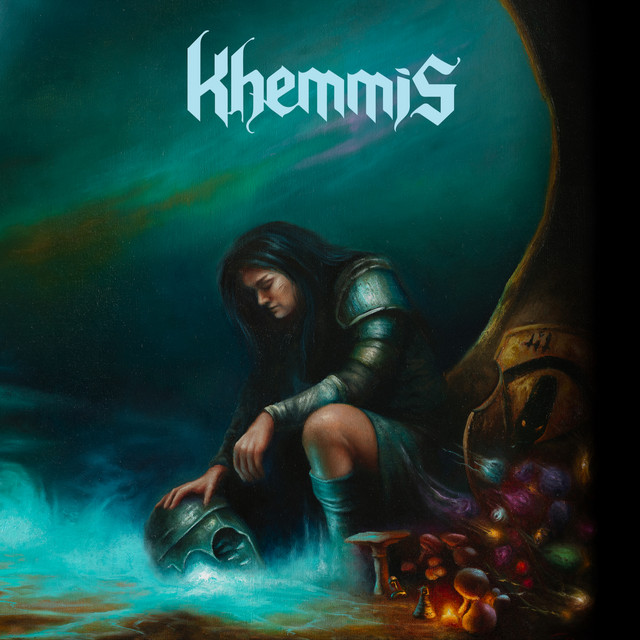
Khemmis
Doom Metal
Heavy Metal
Post-Doom Metal
2
/5
Bell Witch
Post-Doom Metal
Funeral Doom
Doom Metal
2
/5
Torche
Post-Doom Metal
Sludge Metal
Stoner Rock
2
/5
Primitive Man
Doom Metal
Drone Metal
Sludge Metal
1
/5
Sumac
Post-Doom Metal
Atmospheric Sludge Metal
Doom Metal
2
/5
Scissorfight
New England Metal
Stoner Rock
Groove Metal
2
/5
Big Business
Doom Metal
Drone Metal
Noise Rock
2
/5
Cough
Doom Metal
Drone
Drone Metal
Download our mobile app
Get the Melodigging app and start digging for new genres on the go
Download on the App Store
Get it on Google Play
© 2026 Melodigging
Give feedback
Legal
Melodding was created as a tribute to
Every Noise at Once
, which inspired us to help curious minds keep digging into music's ever-evolving genres.