Your digging level
Description
Gaian doom is a doom-metal offshoot that fuses the genre’s glacial tempos and colossal low-end with eco-spiritual themes, nature soundscapes, and droning textures. It often foregrounds the relationship between humanity and the biosphere, evoking forests, mountains, oceans, and cycles of decay and renewal.
Musically, it draws from drone and post-metal’s long-form crescendos, sludge’s weight, and dark ambient’s textural depth. Field recordings (wind, water, birds, rain) and acoustic timbres (hand percussion, bowed instruments, harmonium) are layered around downtuned riffs to create a ritual, earth-centric atmosphere. Lyrics tend to be mythopoetic, animist, or ecological, emphasizing Gaia as a living, interdependent system.
History
Doom metal’s foundational traits—slow tempos, downtuned guitars, and a focus on atmosphere—provided the initial template. Through the 2000s, drone metal and post‑metal expanded doom’s sound design and song length, while cascadian and atmospheric black metal established an explicitly nature‑oriented, eco‑spiritual ethos. Simultaneously, dark ambient and field‑recording practices popularized the use of environmental sound as musical material.
In the early-to-mid 2010s, artists began integrating these threads into doom in a consistent, thematic way: long, ritualistic compositions; organic textures; and lyrics centered on ecology, biomes, and planetary cycles. Online tagging culture and playlist ecosystems gave the style a vocabulary—“Gaian doom”—to distinguish it from more occult, urban, or sci‑fi themed doom variants.
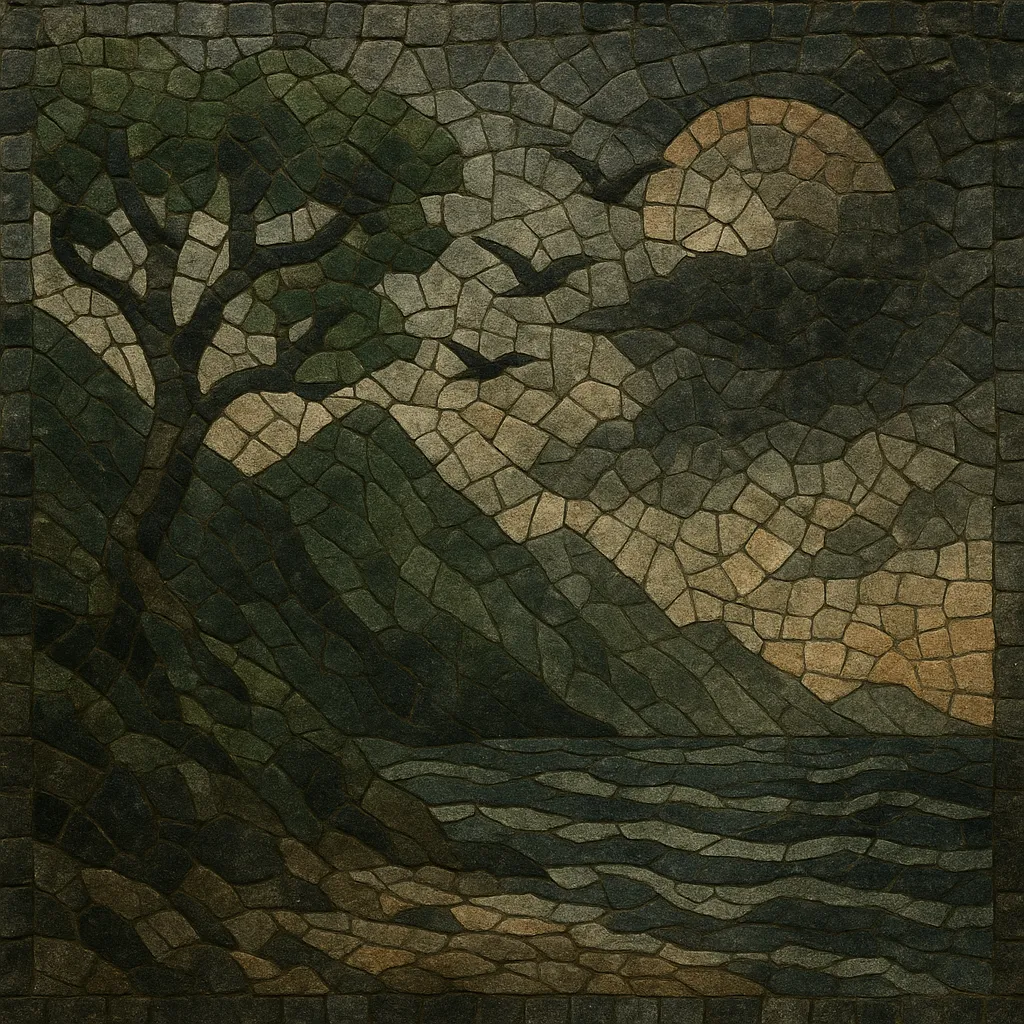
The aesthetic coalesced around earth-toned production, heavy use of drones, and pastoral/animist imagery. Performances and artwork emphasized natural symbolism (flora, stone, weather) and cyclic forms. Albums commonly presented as suites with movements that mimic growth, erosion, and renewal.
Gaian doom remains a niche but influential micro‑scene within the broader doom/post‑metal world. It cross-pollinates with neofolk and ambient communities, and its ecological focus resonates with contemporary environmental concerns, giving the genre a distinct conceptual identity.
Use very low tunings (C standard to drop A) and slow to very slow tempos (≈ 50–80 BPM). Favor long-form structures (8–20+ minutes) that evolve gradually, with sections that feel like natural processes—bloom, swell, erosion, silence.
Build around sustained power-chord drones, modal harmony (Aeolian, Dorian, Phrygian), and pedal tones. Layer clean guitars, bowed instruments, and synth pads under distorted riffs to create an earthen, enveloping bed. Leave space for resonance and decay.
Keep rhythms sparse and deliberate: half-time grooves, tectonic cymbal swells, and tom-heavy patterns. Use dynamic arcs—quiet field‑recording introductions, massive mid‑track peaks, and dissolving codas—to mirror natural cycles.
Incorporate field recordings (wind, rain, streams, birds, distant thunder) and subtle foley (stone scraping, wood creaks). Blend them musically—sidechain to the kick, low‑pass to sit beneath guitars, or gate them rhythmically—so they feel integral rather than decorative.
Employ varied vocal approaches: distant baritone chants, subdued cleans, or cavernous growls drenched in reverb. Write lyrics with ecological and animist imagery—soil, mycelium networks, tides, succession—favoring metaphor and cyclical language over narrative.
Use roomy drum ambience, wide stereo guitars, and tape‑like saturation. High‑pass non‑essentials to protect sub‑bass. Allow long tails and natural noise to breathe; the noise floor can function as part of the atmosphere.

Top albums