Genres
Artists
Albums
Make Music
Sign in
Sign in
Artists
Progressive Sludge
Artists
Progressive Sludge
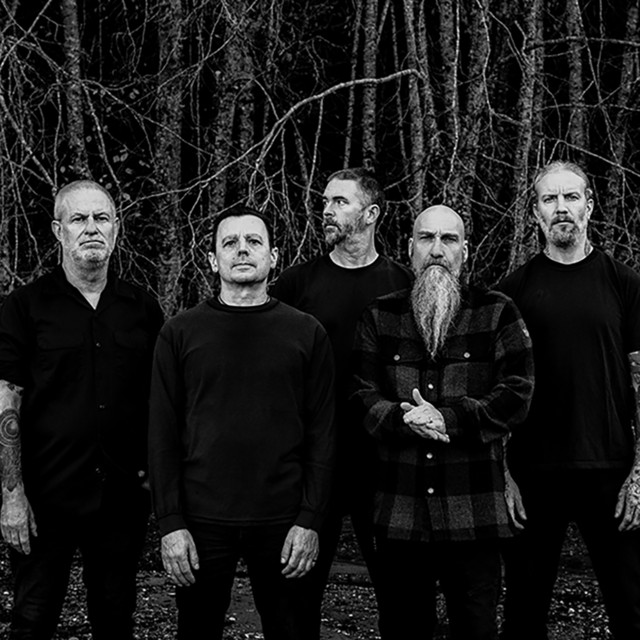
Neurosis
1992–2016
·
11 albums
Listen
3
/5
Genres
Progressive Sludge
Progressive sludge is a fusion of sludge metal’s thick, downtuned heaviness with the adventurous song structures, odd meters, and conceptual scope of progressive rock/metal. Expect massive riffing, rough‑edged vocals (screamed, bellowed, or alternating with cleans), and a rhythm section that moves from lurching half‑time to intricate polymeters. Between waves of distortion, bands often carve out atmospheric passages—clean guitars, synths, or post‑rock crescendos—that frame multi‑part songs and concept albums. Tones are saturated and gritty (fuzz/overdrive into high‑headroom amps), but arrangements are dynamic: long forms, recurring motifs, tempo shifts, and textural contrasts. Lyrically, progressive sludge leans toward big‑picture themes—myth, nature, cosmology, psychology—treating sludge’s catharsis with a prog mind for narrative and structure.
Discover
Listen
Post-Doom Metal
Post-doom metal is a doom-derived style that blends the slow, heavy weight of doom metal with the expansive structures and textural focus associated with post-rock and post-metal. Compared to traditional doom, it often relies less on blues-based riff repetition and more on long-form crescendos, layered guitars, and dynamic contrast (quiet, spacious passages that swell into crushing climaxes). The genre commonly emphasizes atmosphere and emotional build-up, using down-tuned guitars, sustained chords, and dense low-end while keeping arrangements cinematic and patient rather than riff-forward and verse-chorus driven.
Discover
Listen
Atmospheric Sludge Metal
Atmospheric sludge metal is a hybrid of sludge metal’s heaving, down-tuned weight and the expansive, cinematic scope of post-rock and ambient music. It favors long-form structures, glacial tempos, and tectonic riffing that build into towering crescendos. Guitars are layered with delay and reverb to carve out vast soundscapes; bass and drums move between hypnotic, ritualistic grooves and explosive climaxes; vocals shift from haunted whispers to anguished roars. Rather than focusing only on aggression, the style stresses mood, texture, and dynamics—inviting the listener into an immersive, cathartic journey that feels both monolithic and ethereal.
Discover
Listen
Post-Metal
Post-metal is a heavy, atmospheric offshoot of metal that blends the weight and distortion of sludge and doom with the expansive dynamics and textural focus of post-rock. Instead of traditional verse–chorus structures, it emphasizes long-form development, layering, and crescendos, often moving from sparse, ambient passages to overwhelming climaxes. Vocals (if present) are used more as another texture—ranging from harsh screams to distant, chant-like cleans—while guitars prioritize drones, pedal tones, and richly effected timbres over conventional riffs. The result is music that feels cinematic and immersive: slow-to-mid tempos, tectonic low-end, and wide dynamic arcs that convey bleakness, catharsis, and grandeur in equal measure.
Discover
Listen
Post-Rock
Post-rock is a style that uses traditional rock instrumentation—guitars, bass, drums, and often piano or strings—to create expansive textures, evolving soundscapes, and dynamic arcs rather than conventional verse–chorus songs. It emphasizes timbre, atmosphere, and gradual development: clean or lightly overdriven guitars drenched in delay and reverb, cyclical ostinatos, layered crescendos, and pronounced quiet–loud dynamics. Vocals, if present, are often sparse, wordless, or treated as another textural layer. The genre draws heavily from ambient, minimalism, krautrock, progressive and space rock, shoegaze, noise rock, and experimental practices, yielding music that can feel cinematic, contemplative, and emotionally cathartic.
Discover
Listen
Drone Metal
Drone metal (often called drone doom) is an extreme, minimalist offshoot of doom metal that centers on sustained tones, monumental volume, and glacial tempos. Rather than relying on riffs or conventional grooves, it foregrounds long, vibrating chords, amplifier feedback, and the physical presence of sound itself. Its textures are typically cavernous and monochromatic, with guitars tuned very low, notes held for extended durations, and percussion either sparse or entirely absent. Vocals—if present—range from ritualistic chants to guttural growls or distant murmurs, often treated as another layer of texture rather than a narrative lead. The result is immersive and meditative, yet crushing: a music of weight, space, and resonance that emphasizes timbre and decay over melody and rhythm.
Discover
Listen
Stoner Metal
Stoner metal is a heavy, riff-centered offshoot of doom metal that fuses the low-and-slow weight of early Sabbath with the hazy psychedelia and fuzz-drenched tones of 1970s hard rock. It emphasizes down-tuned guitars, thick midrange, and hypnotic, groove-forward drumming, often evoking a desert-heat mirage of sustained riffs and feedback. Compared to stoner rock, stoner metal leans darker and heavier, with a doomier pulse, longer song structures, and an almost trance-like fixation on repetition. Lyrics frequently explore cosmic wanderlust, occult imagery, apocalyptic visions, and cannabis counterculture, while production tends to favor warm, analog saturation and room-heavy drum sounds.
Discover
Listen
Sludge Metal
Sludge metal is a hybrid of doom metal’s slow, downtuned weight and hardcore punk’s raw aggression. It emphasizes thick, overdriven guitar tones, throttling bass, and drums that lurch between trudging slow-motion grooves and ragged mid‑tempo blasts. Vocals are typically screamed, barked, or anguished, often buried slightly in the mix to feel abrasive and cathartic. The style took shape in the late 1980s United States—particularly the Pacific Northwest and the American South—where bands fused Sabbath‑like doom riffs with the DIY harshness of hardcore and the scabrous textures of noise rock. Lyrical themes commonly explore addiction, despair, social decay, and Southern Gothic imagery, delivered with an intentionally gritty, unvarnished production aesthetic.
Discover
Listen
Crossover Thrash
Crossover thrash is a high-speed fusion of hardcore punk’s brevity, aggression, and shouted vocals with thrash metal’s palm-muted riffing, galloping rhythms, and precision. Songs are typically short and explosive, built on frantic tempos, chunky power-chord riffs, skank and thrash beats, and gang-shout choruses. The style emphasizes mosh-worthy breakdowns, razor-edged guitar tones, and a raw, street-level attitude that keeps the music direct and confrontational. While lyrically rooted in hardcore’s anti-authoritarian and everyday-life themes, crossover thrash often adds a sarcastic or tongue-in-cheek edge, pairing social commentary with skate culture and party energy.
Discover
Listen
Crust Punk
Crust punk is a dark, heavy, and politically charged offshoot of punk that fuses the speed and rawness of hardcore with the weight and bleak atmospheres of metal. It is characterized by abrasive, overdriven guitar tones, pounding D‑beat and double‑time rhythms, and harsh, shouted vocals. Lyrically, crust punk confronts themes such as anti-militarism, anti-fascism, environmental collapse, social decay, and everyday survival under capitalism, often presented through apocalyptic or dystopian imagery. Its sound and message are inseparable from the DIY ethic, squatter culture, and grassroots activism that nurtured the scene.
Discover
Listen
Doom Metal
Doom metal is a heavy metal subgenre defined by slow to mid-tempo grooves, down-tuned, highly distorted guitars, and an atmosphere of dread, melancholy, and weight. It emphasizes ominous, minor-key riffs and sustained tones over speed or virtuosity, creating a crushing sense of space and inevitability. Vocals range from plaintive and theatrical (epic/traditional doom) to anguished wails or harsh growls (death-doom), and lyrics often explore themes of suffering, mortality, the occult, apocalyptic visions, and existential despair. Song structures are typically riff-centric and long-form, with repetition and gradual dynamic shifts producing a hypnotic, ritualistic feel.
Discover
Listen
Metal
Metal (often used to mean heavy metal in its broad, umbrella sense) is a loud, guitar-driven style of rock defined by high-gain distortion, emphatic and often martial rhythms, and a dense, powerful low end. It foregrounds riff-based songwriting, dramatic dynamics, virtuosic guitar solos, and commanding vocals that range from melodic wails to aggressive snarls and growls. Harmonically, metal favors minor modes, modal color (Aeolian, Phrygian), chromaticism, and tritone-inflected tension, while thematically it explores power, mythology, the occult, social critique, fantasy, and existential subjects. While adjacent to hard rock, metal typically pushes amplification, distortion, precision, and thematic intensity further, forming a foundation for many specialized subgenres.
Discover
Listen
Hardcore Punk
Hardcore punk is a faster, louder, and more abrasive offshoot of late-1970s punk rock. Songs are typically short (often under two minutes), propelled by rapid tempos, aggressive down‑stroked guitar riffs, and shouted or barked vocals. The style prioritizes raw energy over technical ornamentation: power‑chord harmony, minimal guitar solos, and tightly locked rhythm sections dominate. Lyrically, hardcore punk is intensely direct—often political, anti‑authoritarian, and socially critical—reflecting a DIY ethic that values independent labels, self‑organized shows, and community‑run spaces. The genre coalesced in U.S. scenes such as Los Angeles, Washington, D.C., New York, and Boston, and soon spread internationally. Its velocity, attitude, and grassroots infrastructure profoundly shaped underground music and paved the way for numerous metal, punk, and alternative subgenres.
Discover
Listen
Heavy Metal
Heavy metal is a loud, guitar-driven style of rock defined by heavily distorted riffs, thunderous drums, and powerful vocals. Its musical language emphasizes minor modes, modal (Aeolian, Phrygian) riffing, and energy over groove, often featuring virtuosic guitar solos and dramatic dynamic contrasts. Emerging from late-1960s blues rock and psychedelic experimentation, heavy metal codified a darker, heavier sound with bands like Black Sabbath, Deep Purple, and Led Zeppelin. The genre values weight, intensity, and grandeur—whether through plodding, doom-laden tempos or galloping, high-energy rhythms—paired with themes that range from personal struggle and social critique to fantasy, mythology, and the occult.
Discover
Listen
Drone
Drone is a minimalist music genre defined by sustained tones, long durations, and extremely gradual change. Harmony is often static or centered on a single fundamental with subtle overtone shifts, while rhythm tends toward stasis or very slow pulses. Sound sources range from acoustic instruments (e.g., strings, organ, bagpipes, shruti box, tambura) to electronics (sine waves, oscillators, feedback, tape loops, and later digital synthesis and processing). Many composers favor just intonation or other alternative tuning systems to emphasize beating patterns, psychoacoustic effects, and the internal life of sound. Although drone as a sonic principle is ancient and global, the modern experimental genre cohered in the 1960s through the New York minimalists and related avant‑garde circles, then spread into ambient, experimental, and heavy music scenes. The focus is less on melody and more on timbre, resonance, and the phenomenology of listening.
Discover
Listen
Rock
Rock is a broad family of popular music centered on amplified instruments, a strong backbeat, and song forms that foreground riffs, choruses, and anthemic hooks. Emerging from mid‑20th‑century American styles like rhythm & blues, country, and gospel-inflected rock and roll, rock quickly expanded in scope—absorbing folk, blues, and psychedelic ideas—while shaping global youth culture. Core sonic markers include electric guitar (often overdriven), electric bass, drum kit emphasizing beats 2 and 4, and emotive lead vocals. Rock songs commonly use verse–chorus structures, blues-derived harmony, and memorable melodic motifs, ranging from intimate ballads to high‑energy, stadium‑sized performances.
Discover
Listen
Experimental
Experimental music is an umbrella term for practices that prioritize exploration, process, and discovery over adherence to established genre norms. It embraces new sound sources, nonstandard tuning systems, indeterminacy and chance operations, graphic and open-form scores, extended techniques, and technology-led sound design (tape, electronics, computers, and live processing). Rather than a single style, it is a methodology and ethos: testing hypotheses about sound, structure, and performance, often blurring boundaries between composition, improvisation, sound art, and performance art. Listeners can expect unfamiliar timbres, unusual forms, and an emphasis on how music is made as much as the resulting sound.
Discover
Listen
Electronic
Electronic is a broad umbrella genre defined by the primary use of electronically generated or electronically processed sound. It encompasses music made with synthesizers, drum machines, samplers, computers, and studio/tape techniques, as well as electroacoustic manipulation of recorded or synthetic sources. The genre ranges from academic and experimental traditions to popular and dance-oriented forms. While its sonic palette is rooted in electricity and circuitry, its aesthetics span minimal and textural explorations, structured song forms, and beat-driven club permutations. Electronic emphasizes sound design, timbre, and studio-as-instrument practices as much as melody and harmony.
Discover
Listen
Show all 18 genres
Albums
2016
1
/5
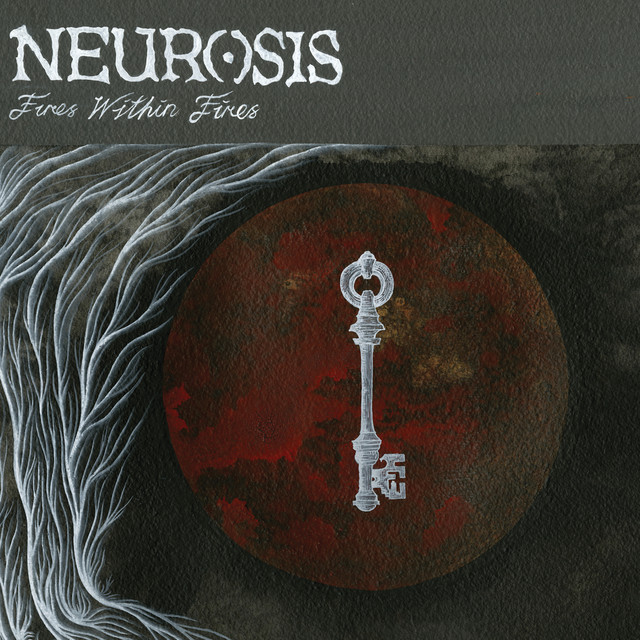
Fires Within Fires
Neurosis
Progressive Sludge
Heavy Metal
Post-Metal
2012
1
/5
Honor Found in Decay
Neurosis
Progressive Sludge
Experimental
Metal
2007
2
/5
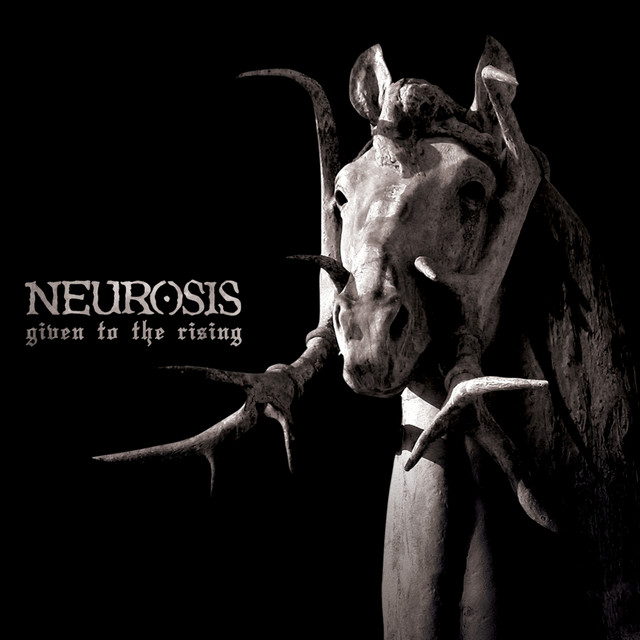
Given to the Rising
Neurosis
Atmospheric Sludge Metal
Progressive Sludge
Doom Metal
2004
2
/5
The Eye of Every Storm
Neurosis
Atmospheric Sludge Metal
Post-Metal
Progressive Sludge
2001
2
/5
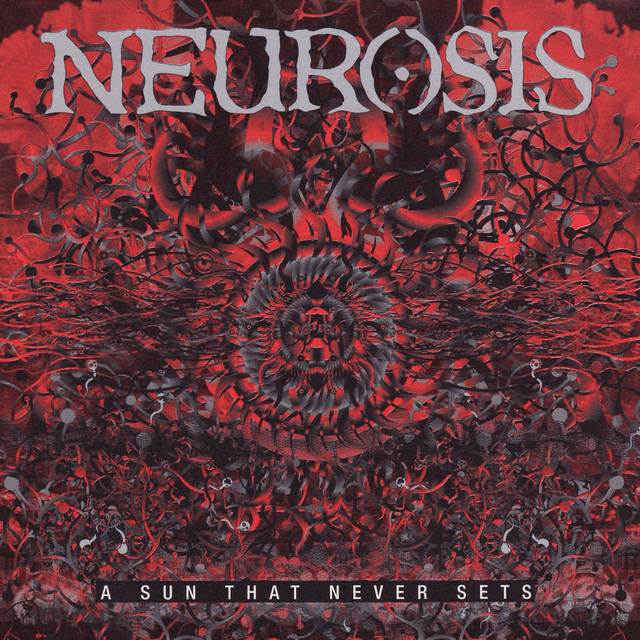
A Sun That Never Sets
Neurosis
Atmospheric Sludge Metal
Progressive Sludge
Post-Metal
2000
1
/5
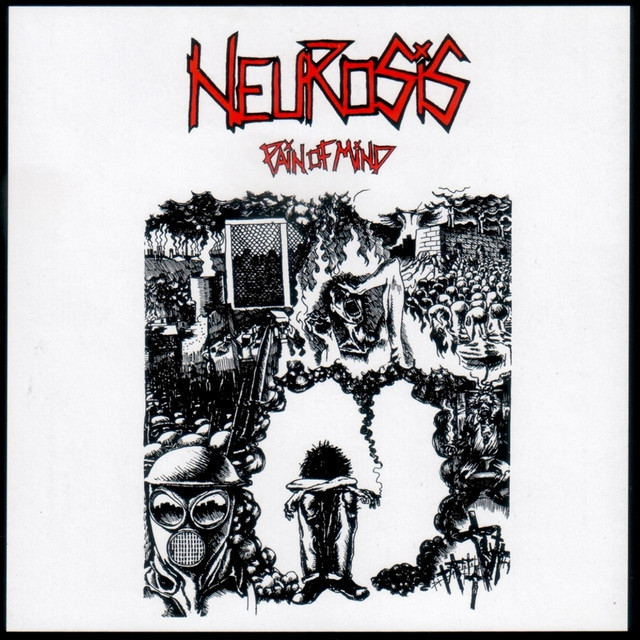
Pain of Mind
Neurosis
Progressive Sludge
Crossover Thrash
Crust Punk
1999
2
/5
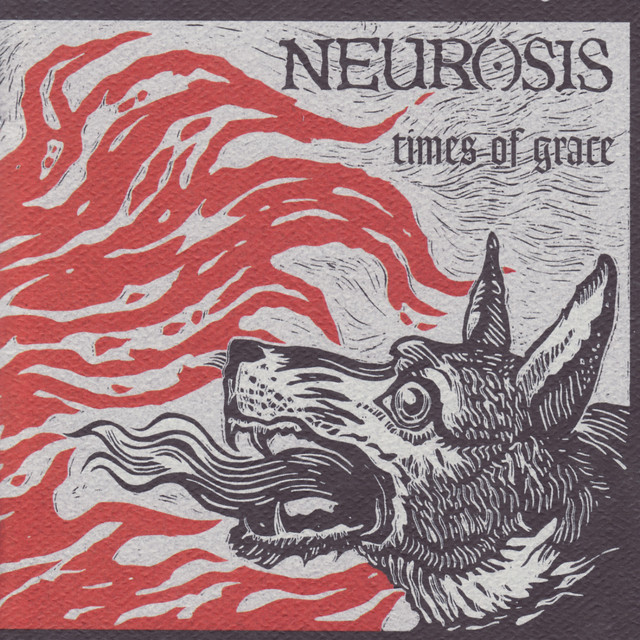
Times of Grace
Neurosis
Atmospheric Sludge Metal
Sludge Metal
Post-Metal
1996
2
/5
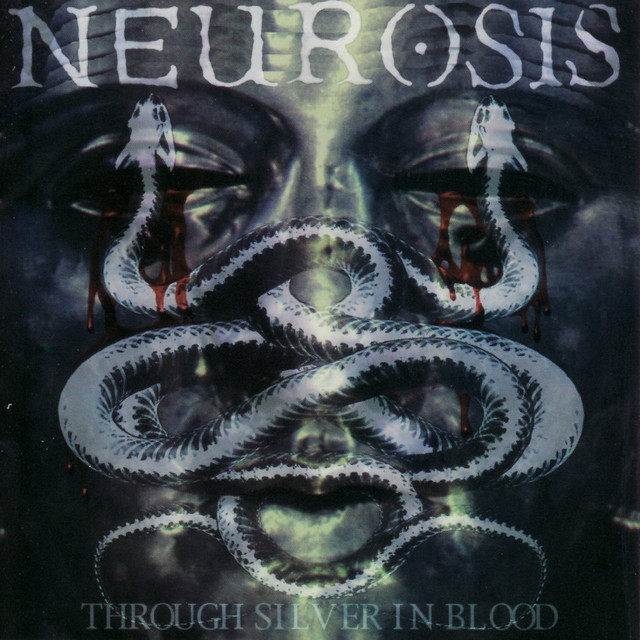
Through Silver in Blood
Neurosis
Atmospheric Sludge Metal
Sludge Metal
Post-Metal
1994
2
/5
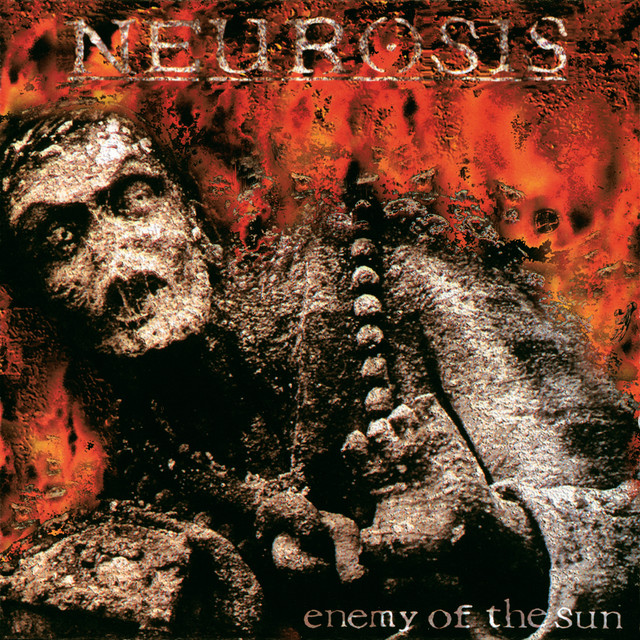
Enemy of the Sun
Neurosis
Progressive Sludge
Atmospheric Sludge Metal
Post-Metal
1994
2
/5
Enemy of the Sun
Neurosis
Atmospheric Sludge Metal
Post-Metal
Progressive Sludge
1992
2
/5
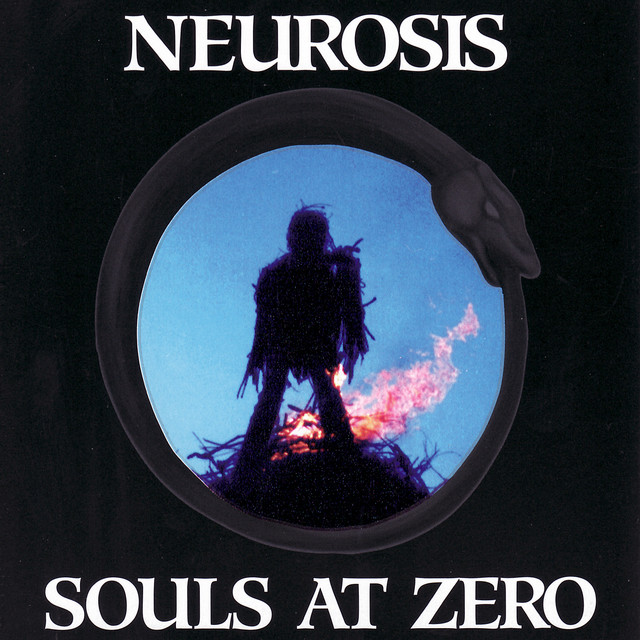
Souls at Zero
Neurosis
Atmospheric Sludge Metal
Sludge Metal
Post-Metal
Similar artists
3
/5
Cult Of Luna
Atmospheric Sludge Metal
Sludge Metal
Post-Metal
3
/5
The Ocean
Progressive Metal
Sludge Metal
Atmospheric Sludge Metal
3
/5
Amenra
Doom Metal
Drone Metal
Post-Rock
2
/5
ISIS
Sludge Metal
Post-Rock
Post-Metal
2
/5
Julie Christmas
Sludge Metal
Doom Metal
Drone Metal
3
/5
Baroness
Progressive Sludge
Progressive Metal
Sludge Metal
3
/5
Boris
Gaian Doom
Drone
Drone Metal
2
/5
Kylesa
Progressive Sludge
Stoner Metal
Doom Metal
2
/5
OM
Drone Rock
Stoner Rock
Doom Metal
2
/5
Conjurer
Doom Metal
Mathcore
Sludge Metal
Download our mobile app
Get the Melodigging app and start digging for new genres on the go
Download on the App Store
Get it on Google Play
© 2026 Melodigging
Give feedback
Legal
Melodding was created as a tribute to
Every Noise at Once
, which inspired us to help curious minds keep digging into music's ever-evolving genres.