Genres
Make Music
Artists
Albums
Challenges
Sign in
Sign in
Albums
By Neurosis
Albums
By Neurosis
Honor Found in Decay
October 29, 2012
Listen
1
/5
Genres
Progressive Sludge
Progressive sludge is a fusion of sludge metal’s thick, downtuned heaviness with the adventurous song structures, odd meters, and conceptual scope of progressive rock/metal. Expect massive riffing, rough‑edged vocals (screamed, bellowed, or alternating with cleans), and a rhythm section that moves from lurching half‑time to intricate polymeters. Between waves of distortion, bands often carve out atmospheric passages—clean guitars, synths, or post‑rock crescendos—that frame multi‑part songs and concept albums. Tones are saturated and gritty (fuzz/overdrive into high‑headroom amps), but arrangements are dynamic: long forms, recurring motifs, tempo shifts, and textural contrasts. Lyrically, progressive sludge leans toward big‑picture themes—myth, nature, cosmology, psychology—treating sludge’s catharsis with a prog mind for narrative and structure.
Discover
Listen
Metal
Metal (often used to mean heavy metal in its broad, umbrella sense) is a loud, guitar-driven style of rock defined by high-gain distortion, emphatic and often martial rhythms, and a dense, powerful low end. It foregrounds riff-based songwriting, dramatic dynamics, virtuosic guitar solos, and commanding vocals that range from melodic wails to aggressive snarls and growls. Harmonically, metal favors minor modes, modal color (Aeolian, Phrygian), chromaticism, and tritone-inflected tension, while thematically it explores power, mythology, the occult, social critique, fantasy, and existential subjects. While adjacent to hard rock, metal typically pushes amplification, distortion, precision, and thematic intensity further, forming a foundation for many specialized subgenres.
Discover
Listen
Experimental
Experimental music is an umbrella term for practices that prioritize exploration, process, and discovery over adherence to established genre norms. It embraces new sound sources, nonstandard tuning systems, indeterminacy and chance operations, graphic and open-form scores, extended techniques, and technology-led sound design (tape, electronics, computers, and live processing). Rather than a single style, it is a methodology and ethos: testing hypotheses about sound, structure, and performance, often blurring boundaries between composition, improvisation, sound art, and performance art. Listeners can expect unfamiliar timbres, unusual forms, and an emphasis on how music is made as much as the resulting sound.
Discover
Listen
Rock
Rock is a broad family of popular music centered on amplified instruments, a strong backbeat, and song forms that foreground riffs, choruses, and anthemic hooks. Emerging from mid‑20th‑century American styles like rhythm & blues, country, and gospel-inflected rock and roll, rock quickly expanded in scope—absorbing folk, blues, and psychedelic ideas—while shaping global youth culture. Core sonic markers include electric guitar (often overdriven), electric bass, drum kit emphasizing beats 2 and 4, and emotive lead vocals. Rock songs commonly use verse–chorus structures, blues-derived harmony, and memorable melodic motifs, ranging from intimate ballads to high‑energy, stadium‑sized performances.
Discover
Listen
Similar albums
2015
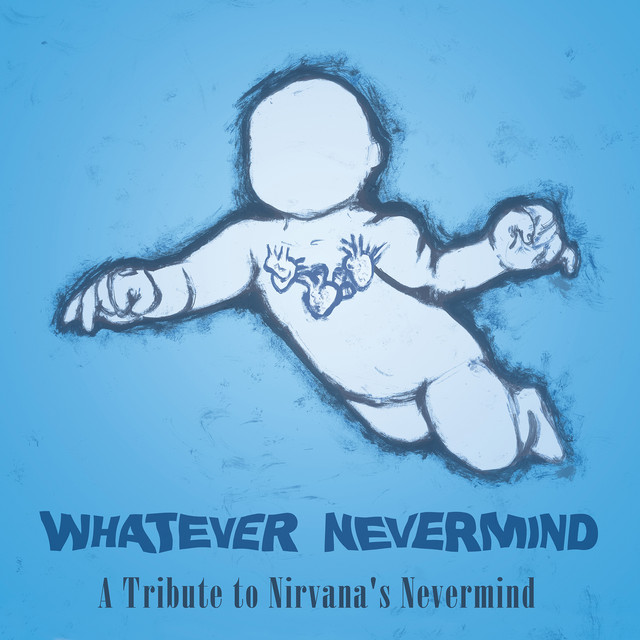
Whatever Nevermind: A Tribute to Nirvana's Nevermind
Kylesa
2023
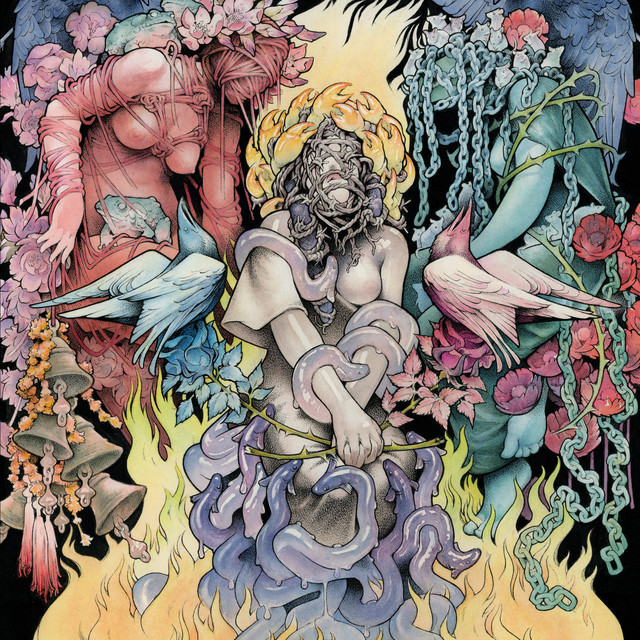
STONE (Deluxe)
Baroness
2007
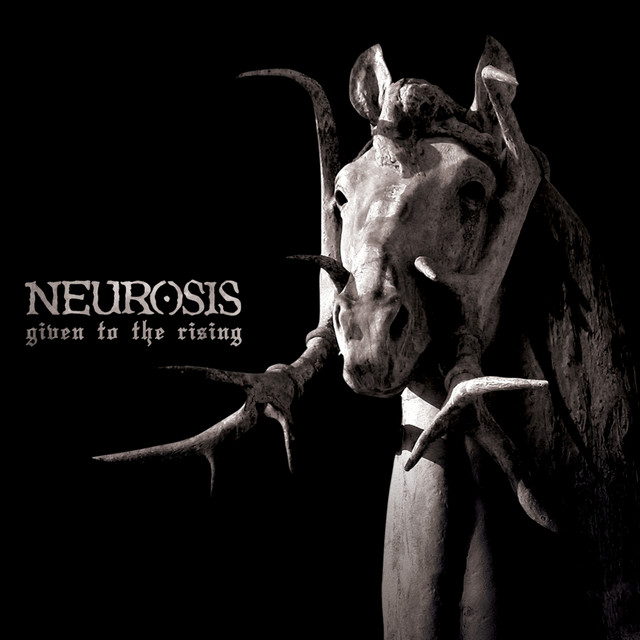
Given to the Rising
Neurosis
2003
Boris at Last -Feedbacker-
Boris
2001
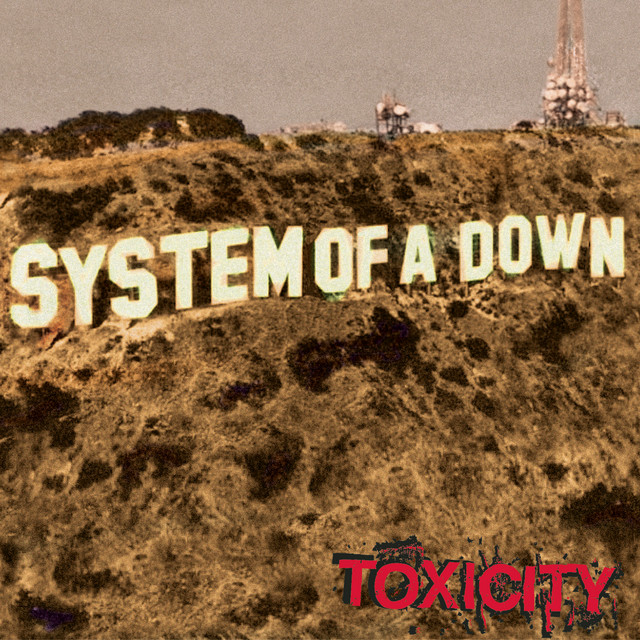
Toxicity
System of a Down
2002
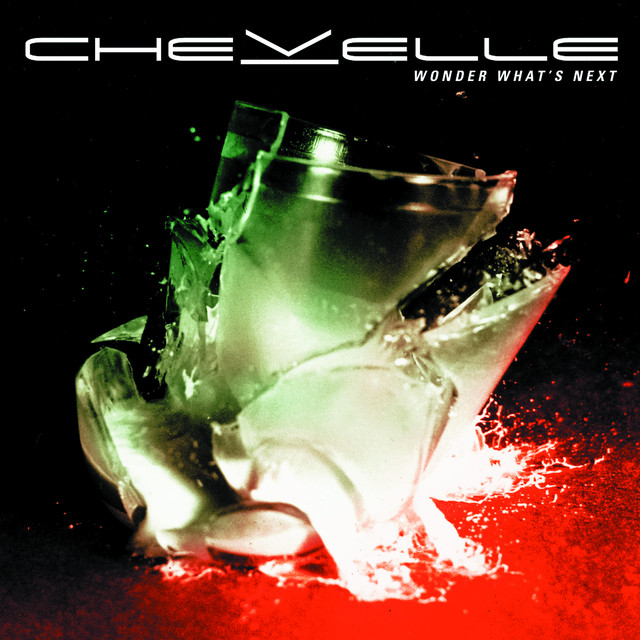
Wonder What's Next (Expanded Edition)
Chevelle
1999
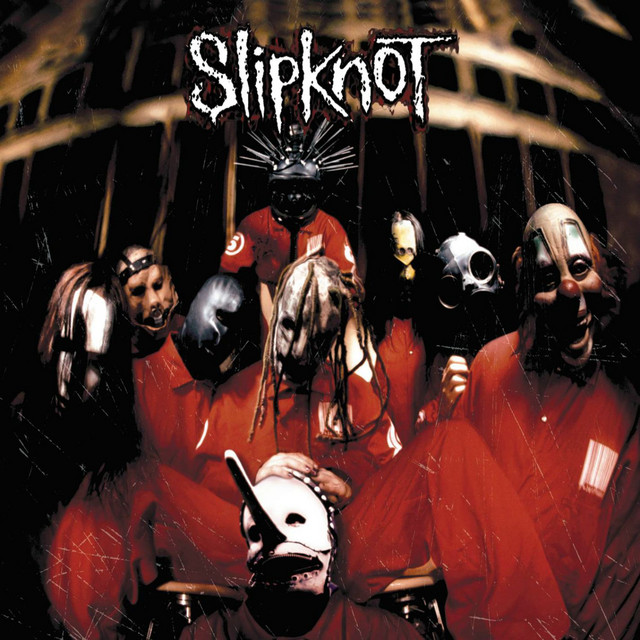
Slipknot
Slipknot
1970
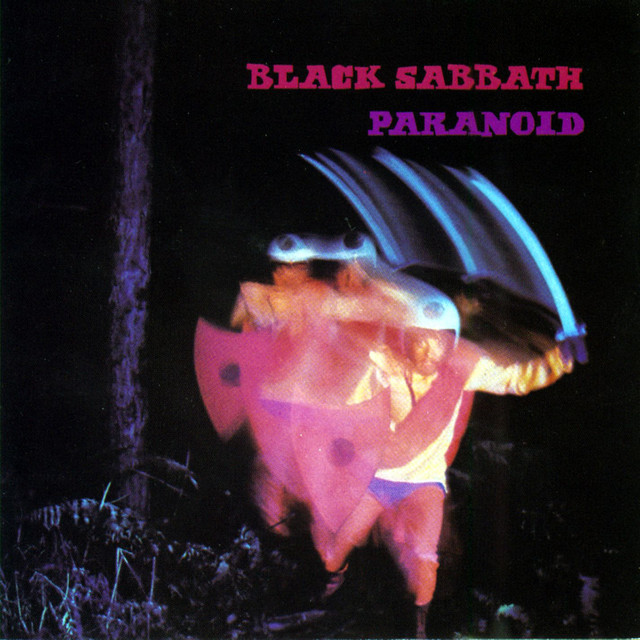
Paranoid
Black Sabbath
2022
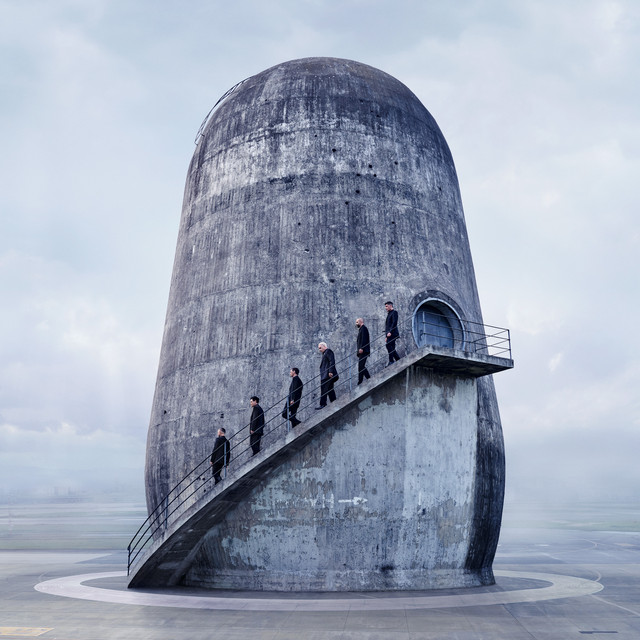
Zeit
Rammstein
2020
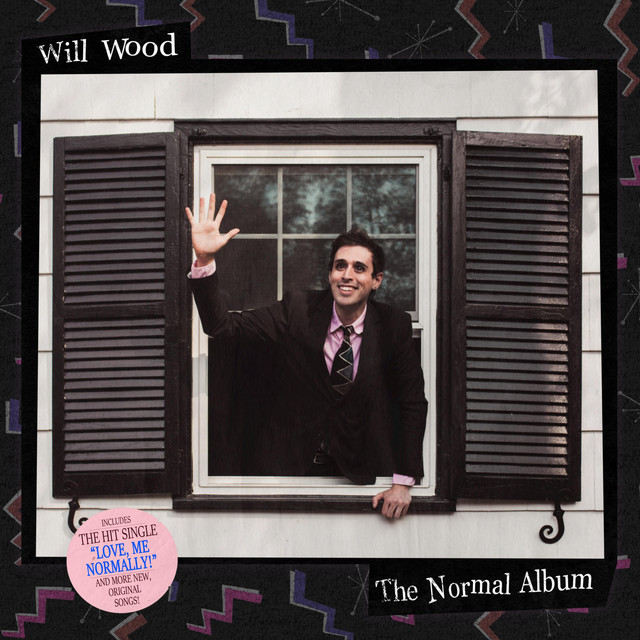
The Normal Album
Will Wood
Download our mobile app
Get the Melodigging app and start digging for new genres on the go
Download on the App Store
Get it on Google Play
© 2026 Melodigging
Give feedback
Legal
Melodding was created as a tribute to
Every Noise at Once
, which inspired us to help curious minds keep digging into music's ever-evolving genres.