Genres
Make Music
Artists
Albums
Challenges
Sign in
Sign in
Albums
By Neurosis
Albums
By Neurosis
The Eye of Every Storm
June 29, 2004
Listen
2
/5
Genres
Progressive Sludge
Progressive sludge is a fusion of sludge metal’s thick, downtuned heaviness with the adventurous song structures, odd meters, and conceptual scope of progressive rock/metal. Expect massive riffing, rough‑edged vocals (screamed, bellowed, or alternating with cleans), and a rhythm section that moves from lurching half‑time to intricate polymeters. Between waves of distortion, bands often carve out atmospheric passages—clean guitars, synths, or post‑rock crescendos—that frame multi‑part songs and concept albums. Tones are saturated and gritty (fuzz/overdrive into high‑headroom amps), but arrangements are dynamic: long forms, recurring motifs, tempo shifts, and textural contrasts. Lyrically, progressive sludge leans toward big‑picture themes—myth, nature, cosmology, psychology—treating sludge’s catharsis with a prog mind for narrative and structure.
Discover
Listen
Atmospheric Sludge Metal
Atmospheric sludge metal is a hybrid of sludge metal’s heaving, down-tuned weight and the expansive, cinematic scope of post-rock and ambient music. It favors long-form structures, glacial tempos, and tectonic riffing that build into towering crescendos. Guitars are layered with delay and reverb to carve out vast soundscapes; bass and drums move between hypnotic, ritualistic grooves and explosive climaxes; vocals shift from haunted whispers to anguished roars. Rather than focusing only on aggression, the style stresses mood, texture, and dynamics—inviting the listener into an immersive, cathartic journey that feels both monolithic and ethereal.
Discover
Listen
Post-Metal
Post-metal is a heavy, atmospheric offshoot of metal that blends the weight and distortion of sludge and doom with the expansive dynamics and textural focus of post-rock. Instead of traditional verse–chorus structures, it emphasizes long-form development, layering, and crescendos, often moving from sparse, ambient passages to overwhelming climaxes. Vocals (if present) are used more as another texture—ranging from harsh screams to distant, chant-like cleans—while guitars prioritize drones, pedal tones, and richly effected timbres over conventional riffs. The result is music that feels cinematic and immersive: slow-to-mid tempos, tectonic low-end, and wide dynamic arcs that convey bleakness, catharsis, and grandeur in equal measure.
Discover
Listen
Sludge Metal
Sludge metal is a hybrid of doom metal’s slow, downtuned weight and hardcore punk’s raw aggression. It emphasizes thick, overdriven guitar tones, throttling bass, and drums that lurch between trudging slow-motion grooves and ragged mid‑tempo blasts. Vocals are typically screamed, barked, or anguished, often buried slightly in the mix to feel abrasive and cathartic. The style took shape in the late 1980s United States—particularly the Pacific Northwest and the American South—where bands fused Sabbath‑like doom riffs with the DIY harshness of hardcore and the scabrous textures of noise rock. Lyrical themes commonly explore addiction, despair, social decay, and Southern Gothic imagery, delivered with an intentionally gritty, unvarnished production aesthetic.
Discover
Listen
Rock
Rock is a broad family of popular music centered on amplified instruments, a strong backbeat, and song forms that foreground riffs, choruses, and anthemic hooks. Emerging from mid‑20th‑century American styles like rhythm & blues, country, and gospel-inflected rock and roll, rock quickly expanded in scope—absorbing folk, blues, and psychedelic ideas—while shaping global youth culture. Core sonic markers include electric guitar (often overdriven), electric bass, drum kit emphasizing beats 2 and 4, and emotive lead vocals. Rock songs commonly use verse–chorus structures, blues-derived harmony, and memorable melodic motifs, ranging from intimate ballads to high‑energy, stadium‑sized performances.
Discover
Listen
Electronic
Electronic is a broad umbrella genre defined by the primary use of electronically generated or electronically processed sound. It encompasses music made with synthesizers, drum machines, samplers, computers, and studio/tape techniques, as well as electroacoustic manipulation of recorded or synthetic sources. The genre ranges from academic and experimental traditions to popular and dance-oriented forms. While its sonic palette is rooted in electricity and circuitry, its aesthetics span minimal and textural explorations, structured song forms, and beat-driven club permutations. Electronic emphasizes sound design, timbre, and studio-as-instrument practices as much as melody and harmony.
Discover
Listen
Similar albums
2006
The Galilean Satellites
Rosetta
2001
A Sun That Never Sets
Neurosis
2006
Somewhere Along the Highway
Cult of Luna
1996
Through Silver in Blood
Neurosis
1999
Times of Grace
Neurosis
2004
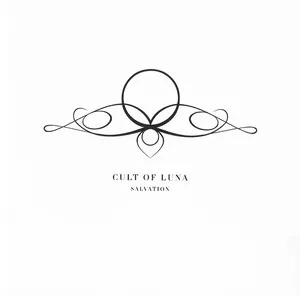
Salvation
Cult of Luna
2019
A Dawn to Fear
Cult of Luna
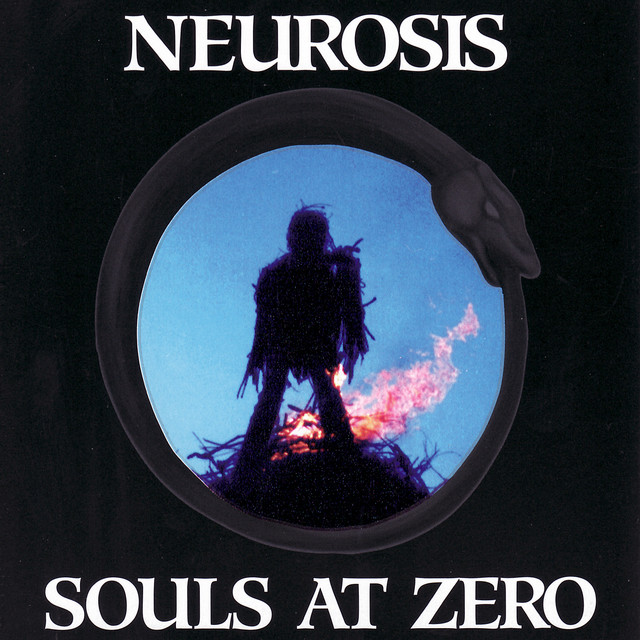
1992
Souls at Zero
Neurosis
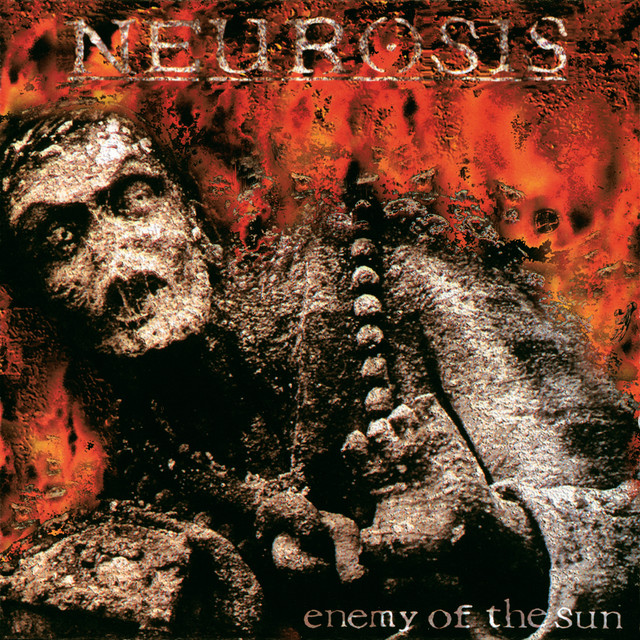
1994
Enemy of the Sun
Neurosis
1994
Enemy of the Sun
Neurosis
Download our mobile app
Get the Melodigging app and start digging for new genres on the go
Download on the App Store
Get it on Google Play
© 2026 Melodigging
Give feedback
Legal
Melodding was created as a tribute to
Every Noise at Once
, which inspired us to help curious minds keep digging into music's ever-evolving genres.