Your digging level
Description
Power electronics is an extreme offshoot of industrial and noise music characterized by high-gain feedback, piercing oscillators, abrasive drones, and confrontational, often shouted or screamed vocal performances. The music typically rejects conventional rhythm, melody, and harmony, favoring raw, atonal textures sculpted with distortion, EQ, and dynamics.
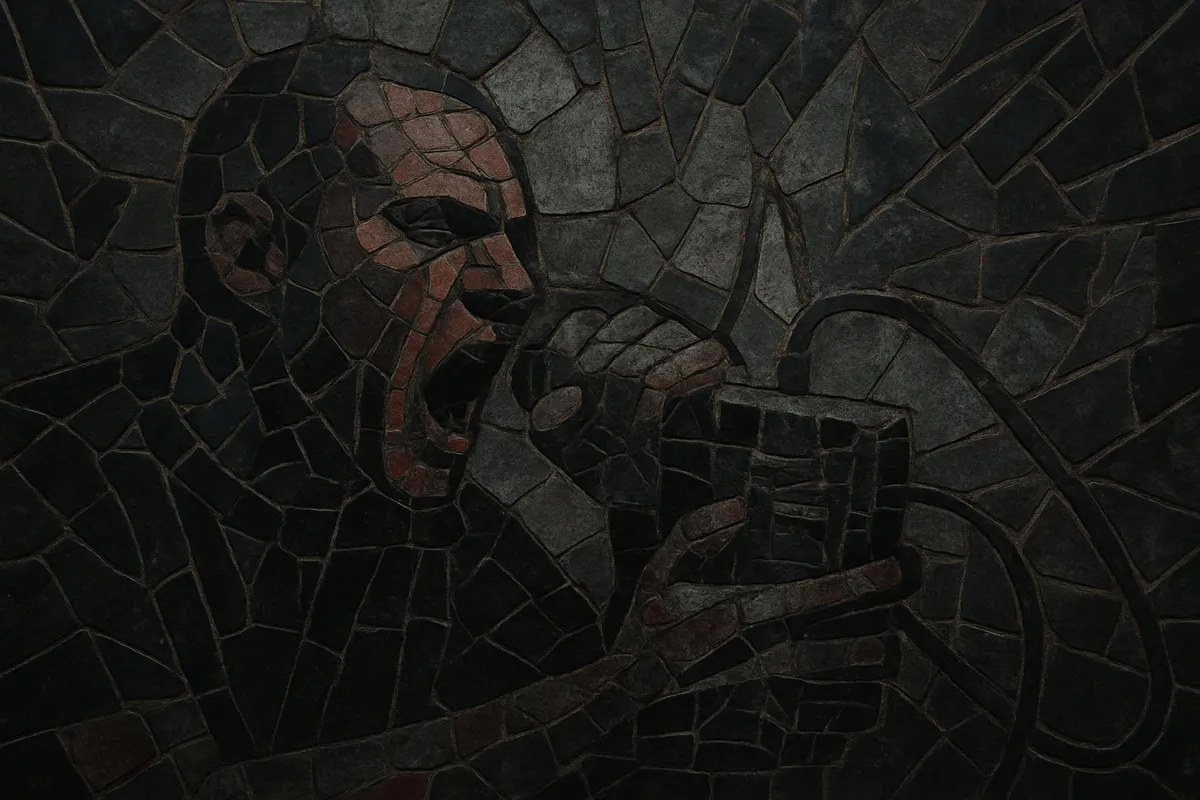
Lyrical content is deliberately transgressive—fixated on power, control, taboo, and violence—presented either as provocation, critique, or uncomfortable reportage. Performances are frequently intense and minimalist: a few analog synths or tone generators, a mixer pushed into clipping, a microphone, and a handful of pedals can fill the spectrum with searing noise. The aesthetic is stark, ascetic, and confrontational rather than dance-oriented, aligning it more with performance art than club culture.


History
Power electronics emerged in the UK at the turn of the 1980s from the outer limits of industrial and noise. William Bennett’s Whitehouse and the Come Organisation articulated a new, harsher minimalism: high-voltage feedback, pure-tone oscillation, and brutally direct vocals. The term “power electronics” became associated with this approach—less rhythmic than early industrial, more pared down and sonically punishing than many contemporaneous noise experiments.
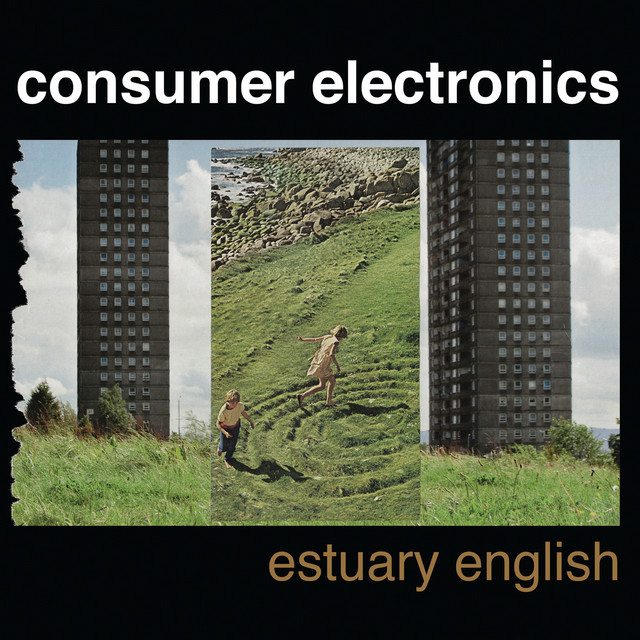
Groups such as Ramleh, Consumer Electronics, and Sutcliffe Jügend, along with tape labels like Come Organisation and Broken Flag, defined the sound and ethics: minimal gear, maximal intensity, and transgressive content meant to probe the aesthetics of power and abuse. The scene spread through mail-art networks and cassette culture, privileging DIY production, xeroxed visuals, and small, confrontational live events.
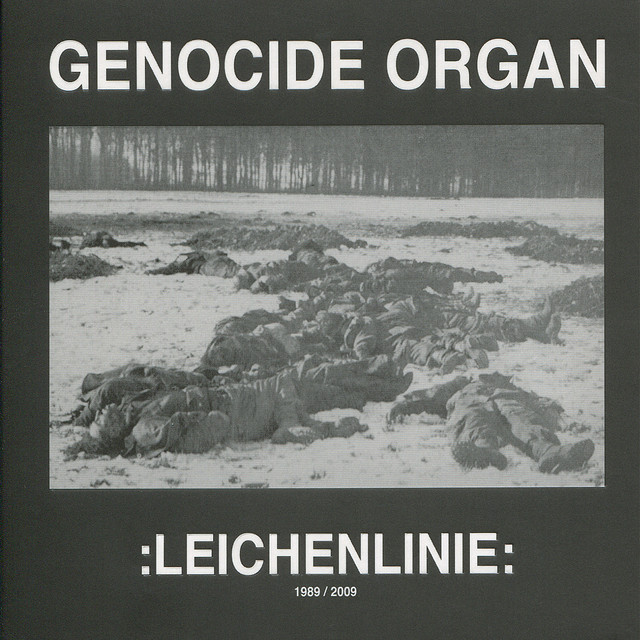
In the 1990s, the style consolidated across Europe and the US. German outfits like Genocide Organ and labels such as Tesco Organization helped codify a darker, more ritualistic variant; UK and US undergrounds continued via Cold Spring and Hospital Productions. Sonically, some artists introduced denser layers, field recordings, and more elaborate staging, while others retained the bare-bones oscillators-and-mic template.
The 2000s saw renewed interest through boutique labels, reissues, and cross-pollination with death industrial and harsh noise. Artists like Prurient bridged communities, while Finnish and US scenes brought newer names and small-run editions. Ongoing debates about ethics, context, and intent accompanied the genre’s transgressive tropes, prompting more explicit framing and critical discourse. Despite changes in technology (DAWs, compact pedals), the core aesthetics—severity, minimalism, confrontation—remain intact.