Your digging level
Description
Japanoise is an extreme, experimental branch of noise music that arose in Japan and became known for its overwhelming volume, dense timbral saturation, and improvisatory intensity. The term was popularized by Western writers to describe a constellation of Japanese artists who pushed noise to visceral, physical extremes.
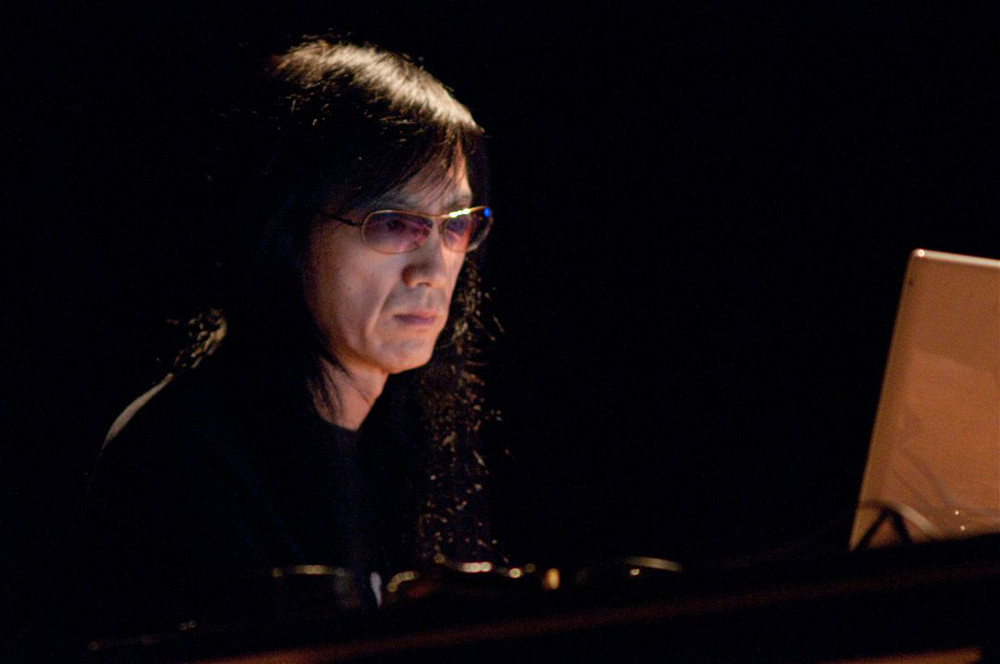
Rather than melody or harmony, Japanoise foregrounds texture, feedback, distortion, and the live manipulation of electronics, contact mics, metal objects, and effects chains. Performances often emphasize spontaneity, risk, and theatricality, ranging from static, crushing walls of sound to frenetic cut‑up barrages.


History
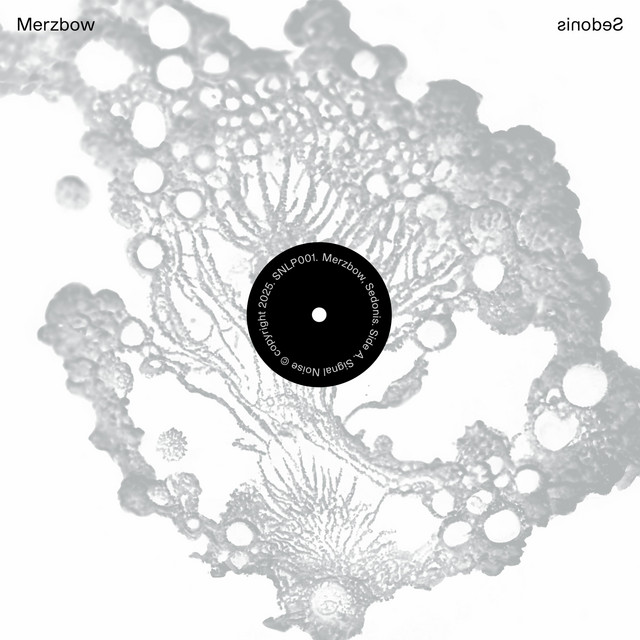
The roots of Japanoise lie in Japan’s post‑punk and experimental underground, where artists fused the attitude of punk and no wave with industrial abrasion, free improvisation, and the collage logic of musique concrète. Early formations such as Merzbow, Hijokaidan, and Incapacitants used cheap electronics, tape manipulation, and feedback to create raw, high‑energy sets in Tokyo and Osaka live houses.
Independent labels, mail‑order catalogs, and zines connected the scene domestically and abroad. Cassette networks and small imprints (e.g., Alchemy Records) enabled rapid dissemination of recordings, often documenting volatile live shows and one‑off studio experiments.
By the 1990s, international labels and distributors helped bring Japanoise to global audiences. Iconic releases (e.g., Merzbow’s mid‑90s albums) showcased extremes of density and volume, while tours and festivals spread the scene’s reputation for cathartic performances. The term "Japanoise" became a convenient shorthand in Western press for Japan’s particularly ferocious noise output.
Digital tools, DIY electronics, and online platforms broadened participation and documentation. Offshoots like harsh noise wall drew inspiration from Japanoise’s focus on texture, while elements of its aesthetics filtered into drone, extreme metal, industrial, and sound art contexts. Today, Japanoise remains both a historical reference point and a living practice centered on tactile sound, improvisation, and sonic excess.
Aim for sound over song: prioritize texture, saturation, and physical impact rather than melody or conventional harmony. Embrace improvisation and immediacy, letting feedback systems and chance interactions guide transitions.