Your digging level
Description
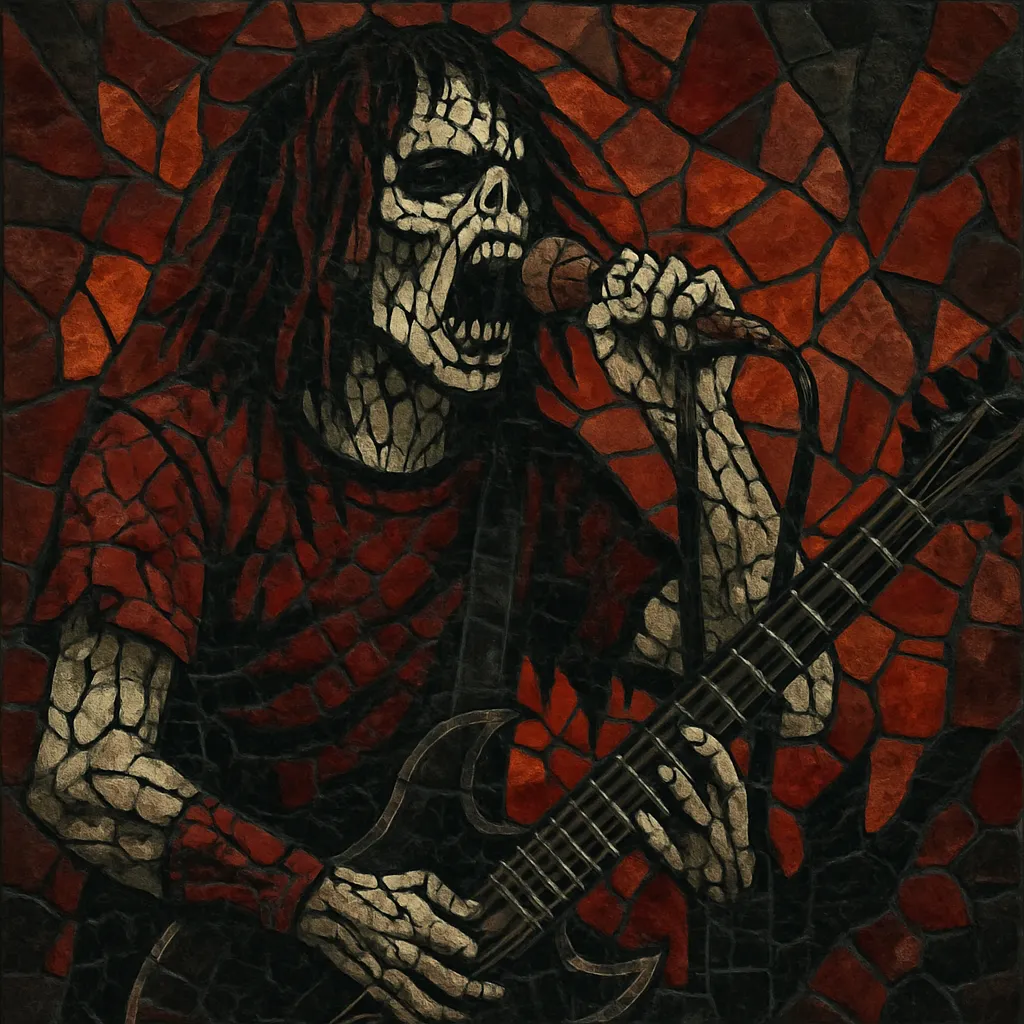
Deathgrind is a fusion of death metal and grindcore that combines the former’s low‑tuned, heavy riffing and guttural vocals with the latter’s ultra‑fast tempos, blast‑beat drumming, and short, abrupt song structures.
Typical tracks run one to three minutes, feature rapid chromatic tremolo picking, sudden tempo shifts, and a relentless rhythmic attack. Vocals alternate between deep death‑metal growls and high‑pitched screams, while lyrics range from socio‑political critique to graphic, gore‑themed narratives depending on the band.
Production tends to be tight and cutting, often with triggered kicks, aggressive guitar tones, and clear articulation so that riffs remain intelligible at extreme speed.


History
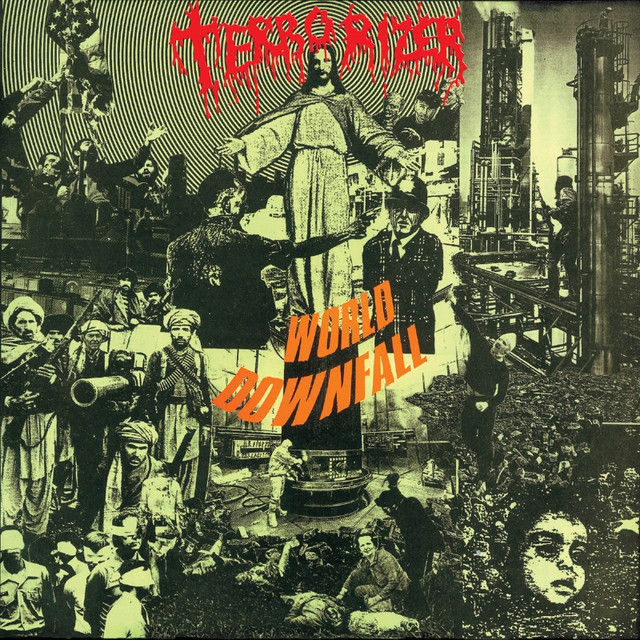
Deathgrind emerged at the intersection of UK grindcore and death metal’s global rise. Bands like Napalm Death and Carcass, rooted in the Birmingham grindcore scene, began incorporating heavier death‑metal riffing and deeper vocals, while U.S. acts such as Terrorizer brought Florida/LA death‑metal weight to grind’s speed. Key early documents include Terrorizer’s “World Downfall” (1989) and Carcass’s “Symphonies of Sickness” (1989), which showcased a balance of blast‑beat intensity and death‑metal heft.
Throughout the 1990s, groups including Brutal Truth, Assück, and Dying Fetus pushed the style’s technical precision and rhythmic complexity, while Napalm Death’s ongoing evolution helped normalize the hybrid aesthetic. Independent labels (e.g., Earache, Relapse) and international tape‑trading networks spread the sound, cementing deathgrind as a distinct branch within extreme metal.
A new wave—Cattle Decapitation, Misery Index, Exhumed, Aborted, and Benighted—refined production values, tightened songwriting, and toured widely, bringing deathgrind to larger festival stages. The era also saw thematic diversification: some bands embraced politically charged and environmental lyrics, while others maintained gore‑centric or satirical approaches.
Deathgrind continued to globalize and cross‑pollinate with technical death metal and elements of hardcore and deathcore, but retained its core identity of speed, density, and aggression. Landmark releases and relentless live performances kept the genre’s profile high, with contemporary acts achieving both critical recognition and devoted underground followings.
Use two downtuned electric guitars (C standard to Drop B/A), bass with mild to heavy distortion, and a precise drum kit capable of sustained blast beats. Prioritize tight palm‑muted tremolo picking and chromatic or dissonant interval choices (tritones, minor seconds).
Aim for extreme tempos (often 220–300+ BPM). Employ blast‑beat variants (traditional blast, bomb blast, gravity blast), skank beats, and d‑beats. Contrast hyperspeed sections with short mid‑tempo death‑metal grooves or stuttering stop‑starts to create impact.
Compose compact, through‑composed songs of one to three minutes. Chain together short riff “cells” with abrupt cuts, metric shifts, and quick turnarounds. Keep harmony sparse and dissonant; focus on rhythmic propulsion and riff clarity rather than extended harmonic development.
Alternate guttural growls with higher screams. Phrase vocals in tight bursts to fit dense rhythms. Lyrical themes can be socio‑political/critical (e.g., labor, ecological collapse) or gore‑focused and satirical—choose a consistent thematic voice and imagery.
Use high‑gain, articulate guitar tones with controlled low end and a present upper‑mid bite so tremolo lines read clearly. Tighten the low end with bass locking to kicks. Triggered or layered kick drums help maintain definition at extreme speeds. Master loudly but preserve transient attack to avoid blurring blasts.
Open with an immediate blast or a half‑bar pickup. Insert brief groove drops to reset the ear before returning to blasts. Keep solos concise or textural. End decisively—hard stops, final stabs, or a rapid decelerando into noise can all work well.