Genres
Artists
Albums
Make Music
Sign in
Sign in
Artists
Death Metal
Artists
Death Metal
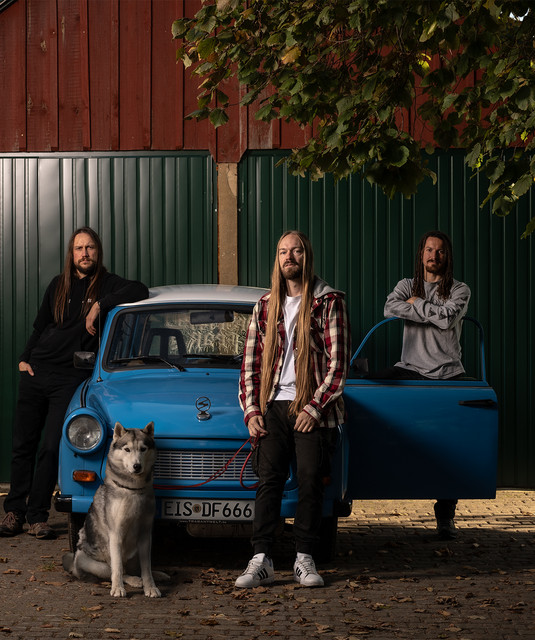
Chapel Of Disease
2015–2024
·
3 albums
Listen
1
/5
Genres
Grisly Death Metal
Grisly death metal is a particularly filthy, gore‑soaked strain of old‑school death metal that embraces the abrasive “buzzsaw” guitar tone, cavernous growls, and grim, necrotic atmospheres. It is heavily indebted to early 1990s Swedish death metal, but re-emerged as a modern revival aesthetic in the late 2000s and especially the 2010s. Sonically, the style centers on detuned riffing through the iconic HM‑2 “chainsaw” distortion, stout mid‑tempo stomps with d‑beat and punky drive, occasional blasts, and songwriting that favors heft and mood over technical flash. Lyrically and visually it leans into morbid horror, rot, and cemetery imagery, with raw, unpolished production that amplifies a feeling of decay and menace.
Discover
Listen
Voidgaze
Voidgaze is a heavy, atmospheric offshoot of shoegaze that fuses dense, down‑tuned guitars with post‑metal weight and blackgaze/atmospheric black metal expansiveness. The sound foregrounds towering walls of fuzz and reverb, but replaces the genre’s classic dreaminess with a cavernous, cosmic darkness—hence the sense of “the void.” Typical tracks pivot between tectonic, slow‑burn passages and explosive peaks: blast‑beat or double‑time surges may erupt beneath layers of smeared guitars, then collapse back into glacial, reverb‑soaked textures. Vocals are usually soft, breathy, or distant in the mix (sometimes screamed as a texture), serving the atmosphere rather than acting as a focal melody. Lyrically, voidgaze tends toward the existential—nature, vastness, decay, memory, and spiritual unease—mirroring the music’s sense of scale and sublimity.
Discover
Listen
Cavernous Death Metal
Cavernous death metal is a murky, reverb-drenched strain of old-school death metal that foregrounds claustrophobic atmosphere over clinical precision. Hallmarks include extremely downtuned guitars, tremolo-picked and chromatic riffing, lurching doom-laden passages, and very deep, often indecipherable guttural vocals. Production aesthetics are central: drums are thunderous yet blurred, guitars and bass form a monolithic wall of low-end, and large-room or plate reverbs smear the mix to evoke the feeling of sound emanating from a subterranean chamber. Rather than bright, high-fidelity tones, the style prefers darkness, distance, and density—suggesting sinister space, decay, and ancient dread. Compositionally it draws on early 1990s death and death-doom blueprints, but the 2010s revival codified the "cavernous" sound as a distinct aesthetic, emphasizing mood, negative space, and oppressive resonance as much as riffcraft.
Discover
Listen
Death Metal
Death metal is an extreme subgenre of heavy metal defined by heavily distorted, low‑tuned guitars, rapid and complex riffing, blast beat drumming, and harsh guttural vocals. Its harmonic language favors chromaticism, dissonance, and tremolo-picked lines that create an ominous, abrasive atmosphere. Lyrically, death metal often explores dark or transgressive themes—mortality, mythology, anti-religion, psychological horror, and the macabre—sometimes with philosophical or social commentary. Production ranges from raw and cavernous to hyper-precise and technical, reflecting the genre’s many regional scenes and substyles. From the mid‑1980s Florida scene (Tampa) and parallel developments in the US, UK, and Sweden, death metal evolved into numerous branches including brutal death metal, technical death metal, melodic death metal, and death‑doom, each emphasizing different aspects of speed, complexity, melody, or heaviness.
Discover
Listen
Progressive Death Metal
Progressive death metal is a branch of death metal that fuses the genre’s extreme vocals, blast‑beat drumming, and downtuned riffing with progressive rock/metal traits such as long, multi‑section song forms, odd meters, dynamic contrasts, and frequent clean/acoustic passages. Compared with straight death metal, it places heavier emphasis on harmonic exploration (modal mixture, chromatic and dissonant voicings), rhythmic complexity (polymeter, tempo modulation), and conceptual or narrative albums. Many landmark bands also integrate jazz fusion vocabulary and instrumental virtuosity, creating music that is both aggressive and intricately arranged. Early and canonical exponents include acts that mixed death metal’s intensity with progressive rock’s ambition and jazz‑derived techniques.
Discover
Listen
Heavy Metal
Heavy metal is a loud, guitar-driven style of rock defined by heavily distorted riffs, thunderous drums, and powerful vocals. Its musical language emphasizes minor modes, modal (Aeolian, Phrygian) riffing, and energy over groove, often featuring virtuosic guitar solos and dramatic dynamic contrasts. Emerging from late-1960s blues rock and psychedelic experimentation, heavy metal codified a darker, heavier sound with bands like Black Sabbath, Deep Purple, and Led Zeppelin. The genre values weight, intensity, and grandeur—whether through plodding, doom-laden tempos or galloping, high-energy rhythms—paired with themes that range from personal struggle and social critique to fantasy, mythology, and the occult.
Discover
Listen
Metal
Metal (often used to mean heavy metal in its broad, umbrella sense) is a loud, guitar-driven style of rock defined by high-gain distortion, emphatic and often martial rhythms, and a dense, powerful low end. It foregrounds riff-based songwriting, dramatic dynamics, virtuosic guitar solos, and commanding vocals that range from melodic wails to aggressive snarls and growls. Harmonically, metal favors minor modes, modal color (Aeolian, Phrygian), chromaticism, and tritone-inflected tension, while thematically it explores power, mythology, the occult, social critique, fantasy, and existential subjects. While adjacent to hard rock, metal typically pushes amplification, distortion, precision, and thematic intensity further, forming a foundation for many specialized subgenres.
Discover
Listen
Progressive Rock
Progressive rock is a rock subgenre that expands the genre’s formal, harmonic, and conceptual boundaries. It favors long-form compositions, intricate arrangements, and virtuosic musicianship, often drawing on Western classical, jazz, folk, and psychedelic idioms. Typical hallmarks include multi-part suites, shifting time signatures, extended instrumental passages, recurring motifs, and concept albums that present unified themes or narratives. The sound palette commonly features electric guitar, bass, and drums alongside an array of keyboards (Hammond organ, Mellotron, Moog/ARP synthesizers, piano), woodwinds or brass, and occasional orchestral additions. Lyrics often explore science fiction, mythology, philosophy, social commentary, and introspective themes.
Discover
Listen
Rock
Rock is a broad family of popular music centered on amplified instruments, a strong backbeat, and song forms that foreground riffs, choruses, and anthemic hooks. Emerging from mid‑20th‑century American styles like rhythm & blues, country, and gospel-inflected rock and roll, rock quickly expanded in scope—absorbing folk, blues, and psychedelic ideas—while shaping global youth culture. Core sonic markers include electric guitar (often overdriven), electric bass, drum kit emphasizing beats 2 and 4, and emotive lead vocals. Rock songs commonly use verse–chorus structures, blues-derived harmony, and memorable melodic motifs, ranging from intimate ballads to high‑energy, stadium‑sized performances.
Discover
Listen
Show all 9 genres
Albums
2024
2
/5
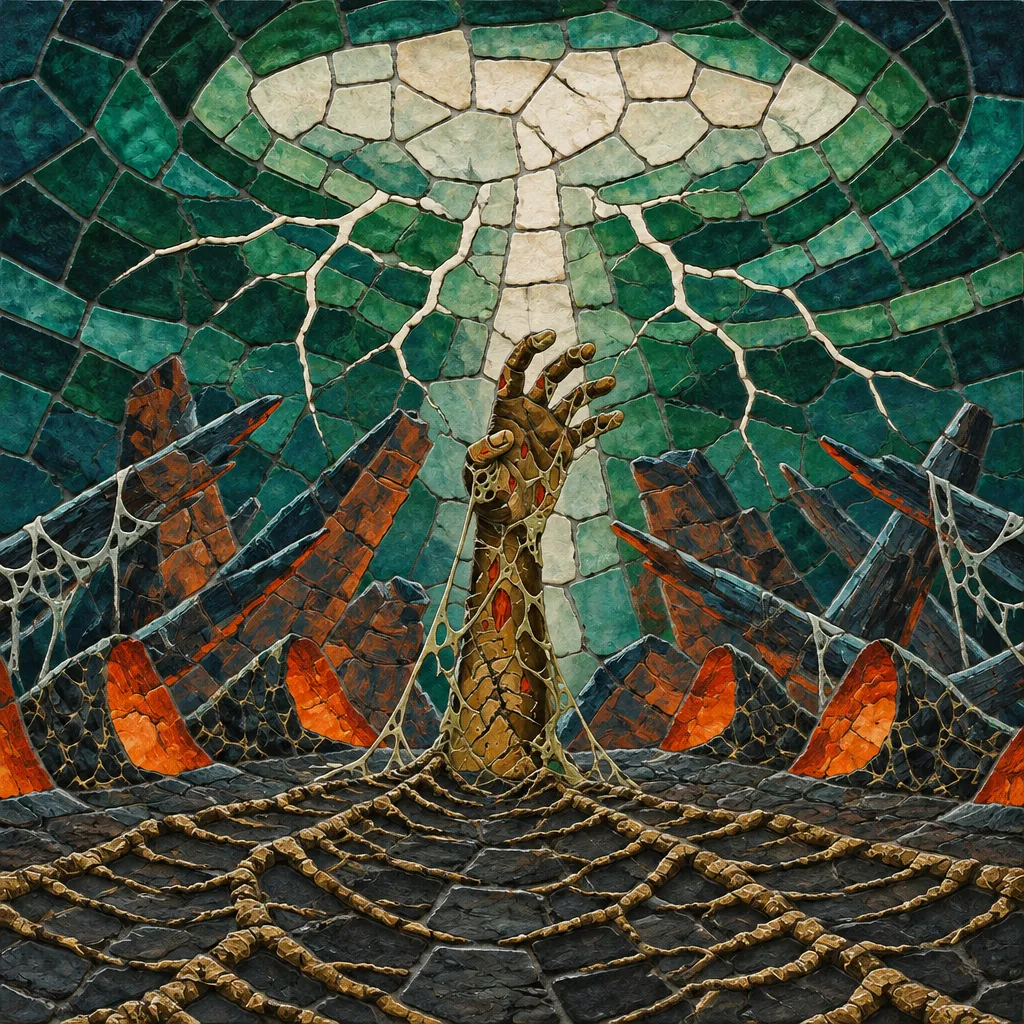
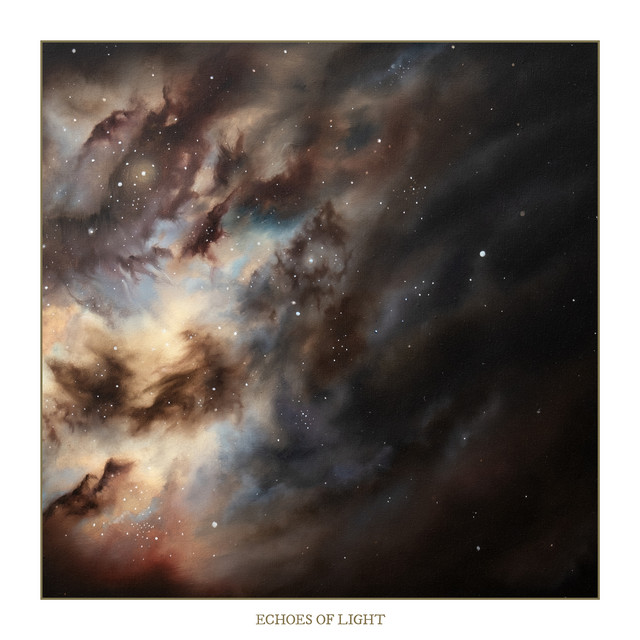
Echoes of Light
Chapel Of Disease
Grisly Death Metal
Voidgaze
Death Metal
2018
2
/5
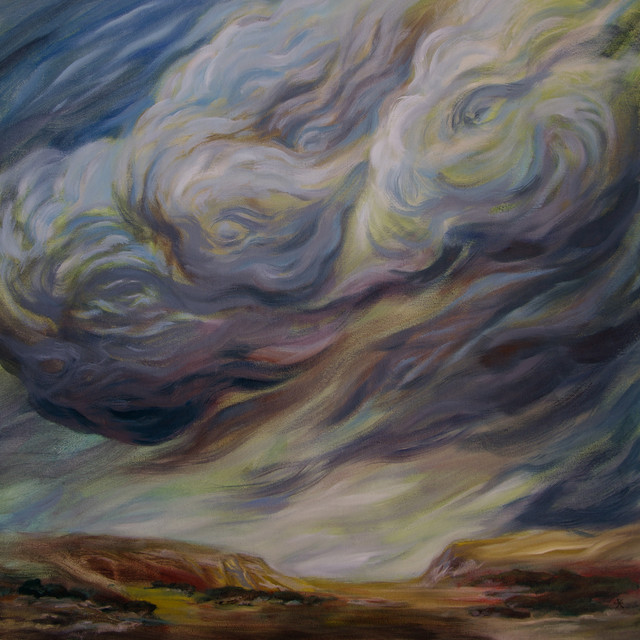
...And as We Have Seen the Storm, We Have Embraced the Eye
Chapel Of Disease
Grisly Death Metal
Death Metal
Rock
2015
1
/5
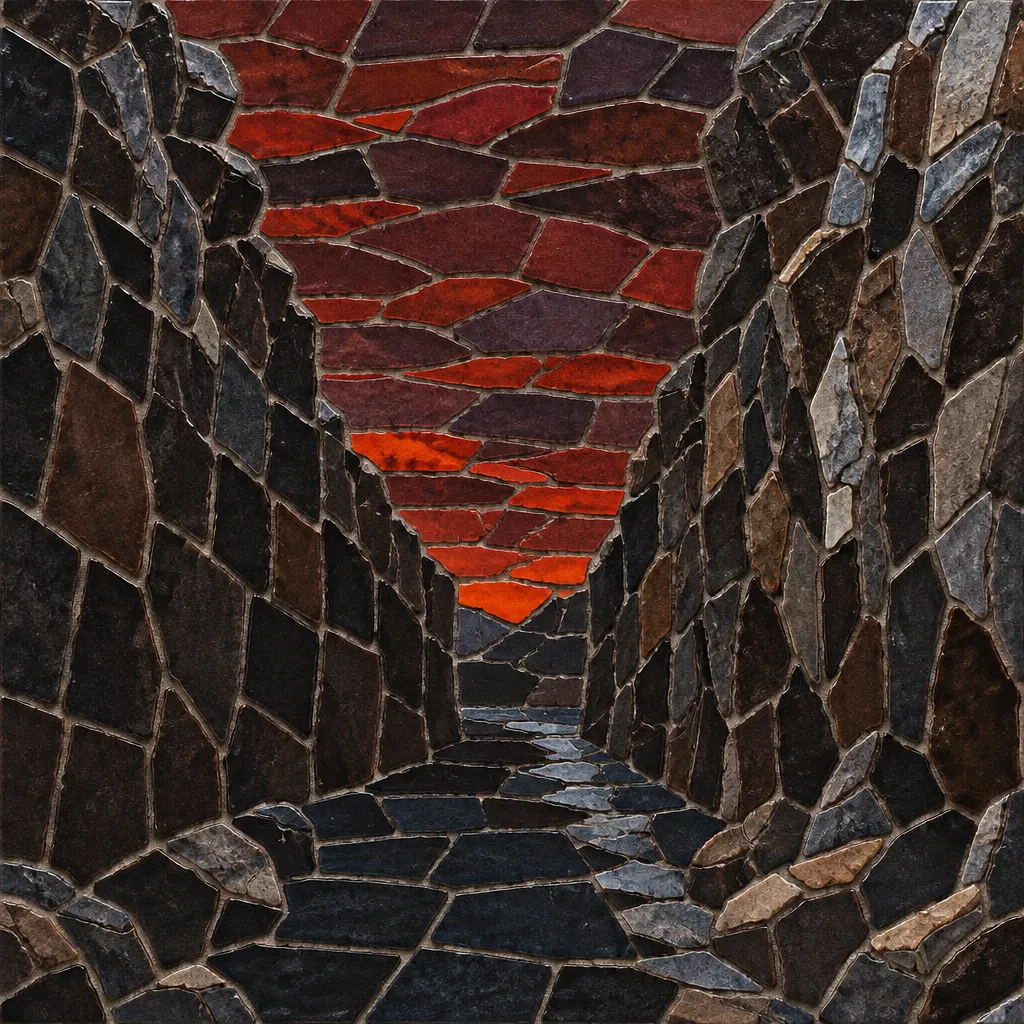
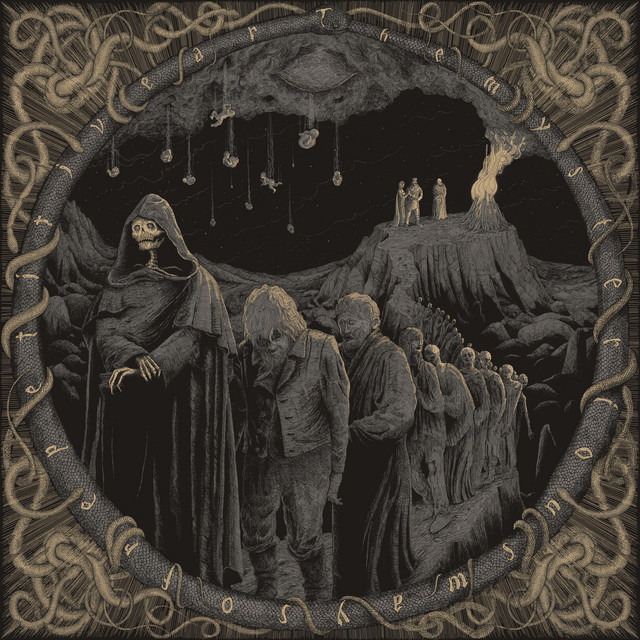
The Mysterious Ways Of Repetitive Art
Chapel Of Disease
Grisly Death Metal
Death Metal
Heavy Metal
Similar artists
2
/5
Skeletal Remains
Grisly Death Metal
Death Metal
Rock
2
/5
Deserted Fear
Grisly Death Metal
Death Metal
Melodic Death Metal
4
/5
Gojira
French Death Metal
Progressive Groove Metal
Progressive Metal
4
/5
Amon Amarth
Death Metal
Melodic Death Metal
Tolkien Metal
4
/5
Opeth
Death Metal
Progressive Death Metal
Progressive Metal
3
/5
Meshuggah
Djent
Progressive Groove Metal
Technical Groove Metal
3
/5
Behemoth
Black Metal
Death Metal
Pagan Black Metal
3
/5
Darkthrone
Black Metal
Death Metal
Metal
3
/5
The Acacia Strain
Downtempo Deathcore
Deathcore
Metalcore
3
/5
Napalm Death
Grindcore
Deathgrind
Death Metal
Download our mobile app
Get the Melodigging app and start digging for new genres on the go
Download on the App Store
Get it on Google Play
© 2026 Melodigging
Give feedback
Legal
Melodding was created as a tribute to
Every Noise at Once
, which inspired us to help curious minds keep digging into music's ever-evolving genres.