Genres
Artists
Albums
Make Music
Sign in
Sign in
Artists
Chamber Music
Artists
Chamber Music
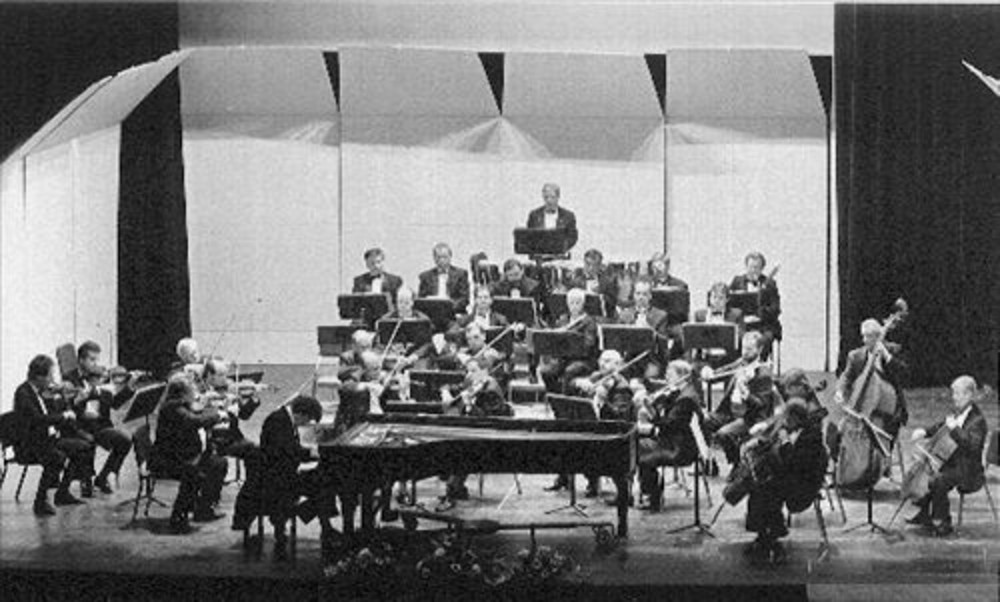
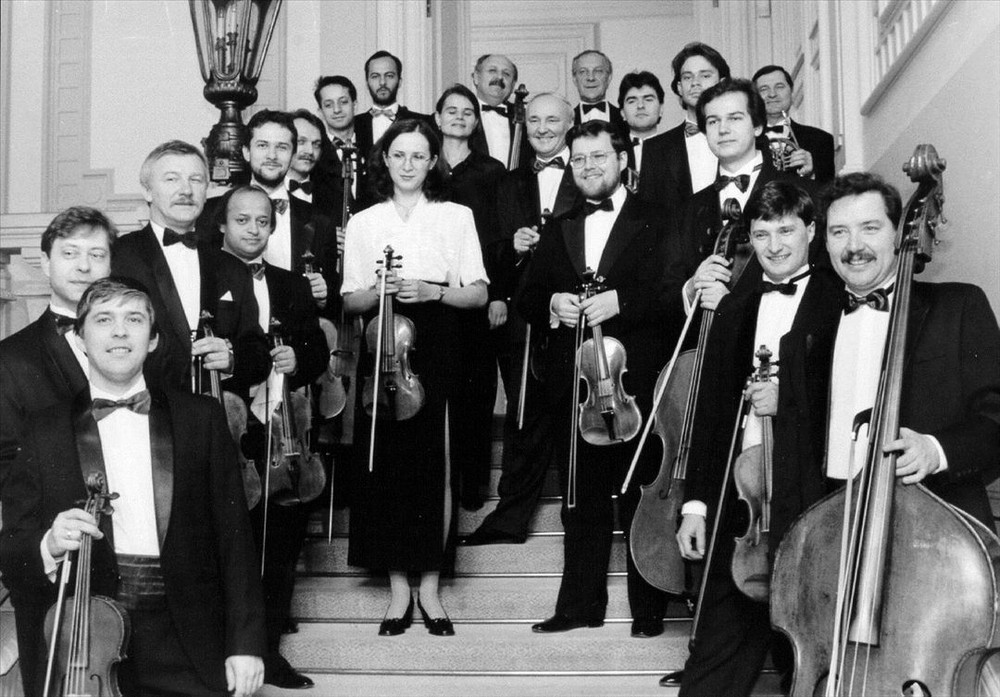
Czech Philharmonic Chamber Orchestra
2014–2021
·
3 albums
Listen
3
/5
Genres
432hz
432hz is a wellness-oriented ambient/New Age micro-genre built around tuning music to the alternative concert pitch A=432 Hz instead of the modern standard A=440 Hz. In practice, 432hz releases are largely instrumental, slow-tempo, and reverb-rich, combining soft pads, drones, gentle piano, bowls/chimes, and nature sounds. Tracks are marketed for relaxation, meditation, yoga, sleep, and "energy" or "chakra" work, and are frequently tagged with wellness keywords. While advocates claim psychoacoustic or physiological benefits from 432 Hz tuning, these claims remain unproven; the sound signature audiences respond to is the calm production, consonant harmony, and spacious mixing typical of ambient and New Age music. As a streaming-native style, 432hz thrives on platforms like YouTube and Spotify where long-form background listening, SEO-friendly titling, and looping visuals support use-cases such as study, mindfulness, and sleep.
Discover
Listen
Scorecore
Scorecore is a contemporary, playlist-driven microgenre that packages the language of modern film, TV, and game scoring into self-contained tracks designed for standalone listening. It blends hybrid orchestral writing (strings, brass, choir) with cinematic sound design (sub-booms, braaams, risers, whooshes) and pulsing electronics. Cues typically emphasize clear dramatic arcs, ostinato-based momentum, and maximal dynamic builds aimed at evoking spectacle, tension, or catharsis—without being tied to a specific screen narrative. Harmonically, scorecore favors modal minor, neo-Romantic progressions, pedal points, and tension-release devices. Rhythmically, it relies on motoric string figures, heavy percussion layers, and synth pulses that scale from intimate “underscore” textures to full-ensemble climaxes.
Discover
Listen
Children's Choir
Children's choir is a choral tradition featuring treble voices (typically ages 6–18) singing in unison or multi-part harmony (SA, SSA, or SSAA), often accompanied by piano, organ, or small orchestra. Its repertoire spans sacred and secular music: hymns, anthems, folk-song arrangements, art songs, and contemporary works written expressly for developing voices. The style emphasizes clear diction, blended tone, healthy vocal production within limited ranges, and text-centered expression. Ensembles can be community-based, school-affiliated, or connected to cathedrals and conservatories, with training that combines musicianship, language, and ensemble skills.
Discover
Listen
Symfonicky Orchestr
Symfonický orchestr (symphony orchestra) refers to the large, standardized classical ensemble designed for the performance of symphonies, overtures, tone poems, concertos, and other large-scale works. It typically includes strings, woodwinds, brass, percussion, and often harp, keyboards, or auxiliary instruments. As the repertory expanded from the Classical into the Romantic era, the ensemble grew in size and color to realize wider dynamic range, more complex textures, and dramatic narratives. Today, the symphony orchestra is both a musical institution and a performance tradition, encompassing concert presentations, opera pits, film sessions, and contemporary commissions.
Discover
Listen
Concerto
A concerto is a large-scale composition that sets one or more solo instruments in dynamic dialogue with an orchestra. Its core idea is contrast—between soloist and tutti—and the dramatic negotiation of power, color, and thematic responsibility. While Baroque concertos often relied on ritornello form, the Classical era standardized a three-movement plan (fast–slow–fast) with sonata principles in the opening movement. The Romantic period emphasized virtuosity and expressive foregrounding of the soloist, and the 20th–21st centuries broadened the palette with new instruments, harmonies, and formats. Across eras, the concerto remains a showcase for instrumental character, technical brilliance, and the art of orchestral conversation.
Discover
Listen
Chamber Music
Chamber music is a tradition of composed music for small ensembles—typically one player per part—intended for intimate spaces such as courts, salons, and private rooms rather than large public halls. Its aesthetic emphasizes clarity of texture, conversational interplay among parts, and balance without a conductor. Hallmark formations include the string quartet, piano trio, wind quintet, string quintet, and various mixed ensembles. Multi‑movement cycles (often in sonata form) and finely wrought counterpoint are common, ranging from Baroque trio sonatas to Classical string quartets and modern works with expanded timbres and techniques. Because of its scale and transparency, chamber music has long been a proving ground for compositional craft and ensemble musicianship, shaping the core of Western art music from the Baroque through the present.
Discover
Listen
Orchestral
Orchestral music refers to compositions written for an orchestra—a large ensemble typically built around a string section (violins, violas, cellos, double basses), complemented by woodwinds, brass, percussion, and often harp, keyboard, or other auxiliary instruments. A conductor coordinates the ensemble, shaping balance, phrasing, and expression. The style emphasizes coloristic timbre combinations, dynamic range from the softest pianissimo to explosive tuttis, and textures that can shift seamlessly between transparent chamber-like writing and monumental masses of sound. Orchestral writing underpins concert genres such as symphonies, overtures, and tone poems, as well as opera, ballet, and modern film and game scores. While orchestral writing evolved across centuries, its core craft centers on melody, counterpoint, harmony, register, and orchestration—the art of assigning musical ideas to instruments to achieve clarity, contrast, and narrative impact.
Discover
Listen
Bohemian Baroque
Bohemian Baroque refers to Baroque-era music cultivated in the historical lands of Bohemia and Moravia (today the Czech Republic). It flourished in courts, cathedral chapels, Jesuit colleges, and pilgrimage churches during the 17th and early 18th centuries. Stylistically, it blends Italianate concertato writing and the stylus phantasticus with the contrapuntal rigor of Central Europe. It emphasizes basso continuo, expressive rhetoric, chromatic inflection, and brilliant writing for strings and natural trumpets, while also preserving a rich vernacular hymn tradition (kancionál) in Czech. The repertoire spans masses, litanies, motets, sonatas, sacred cantatas, and devotional songs, ranging from monumental polychoral works to intimate pieces for voice and continuo. Its sound world is at once ceremonial and devotional, often marked by festive trumpets for feast days and poignant chromaticism in penitential movements.
Discover
Listen
Show all 8 genres
Albums
2021
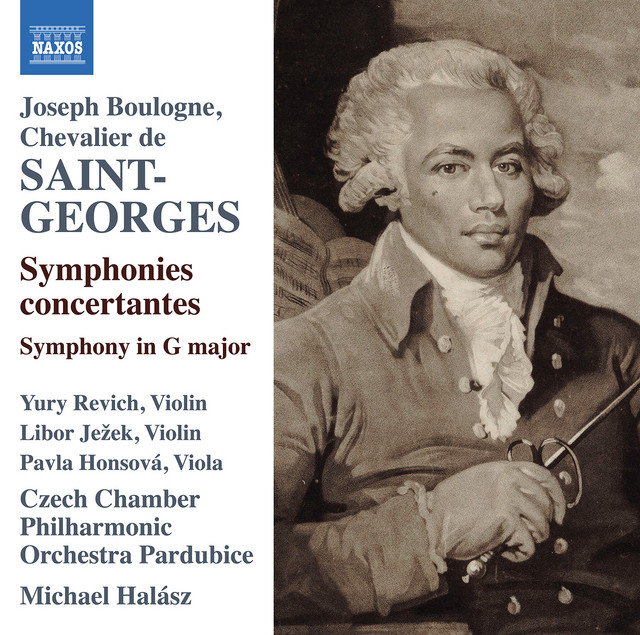
Saint-Georges: Orchestral Works
Joseph Boulogne Chevalier de Saint-Georges, Czech Philharmonic Chamber Orchestr…
Scorecore
Symfonicky Orchestr
2016
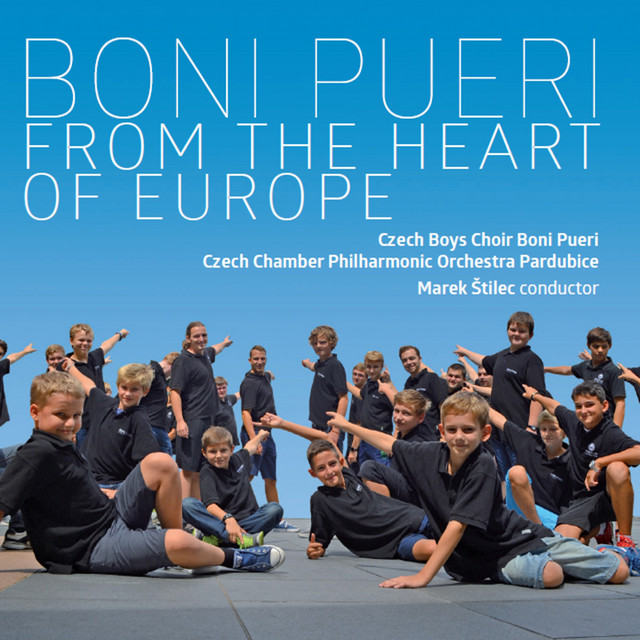
From the Heart of Europe
Boni Pueri, Czech Philharmonic Chamber Orchestra, Marek Štilec
Children's Choir
2014
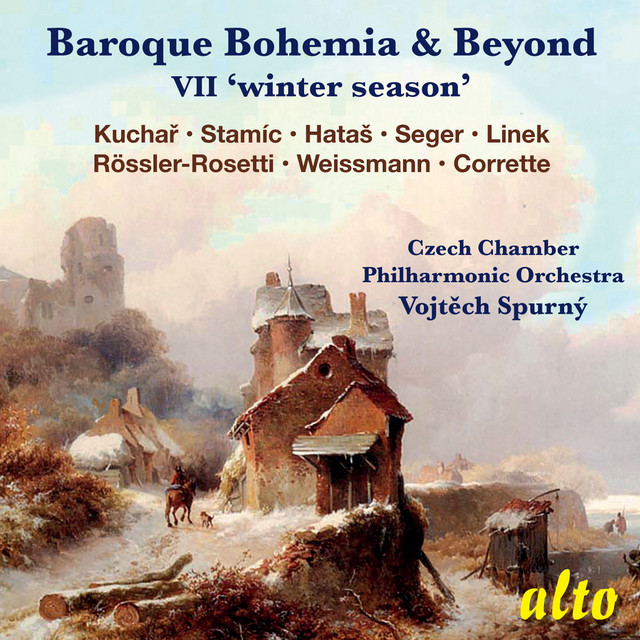
Baroque Bohemia & Beyond VII: "Winter Season"
Frantisek Antonin Rössler-Rosetti, Jiří Ignác Linek, Michel Corrette, Czech Phi…
Bohemian Baroque
Similar artists
4
/5
Capella Istropolitana
Classical
Chamber Orchestra
Orchestral
4
/5
Wolfgang Amadeus Mozart
Classical
Requiem
Classical Period
4
/5
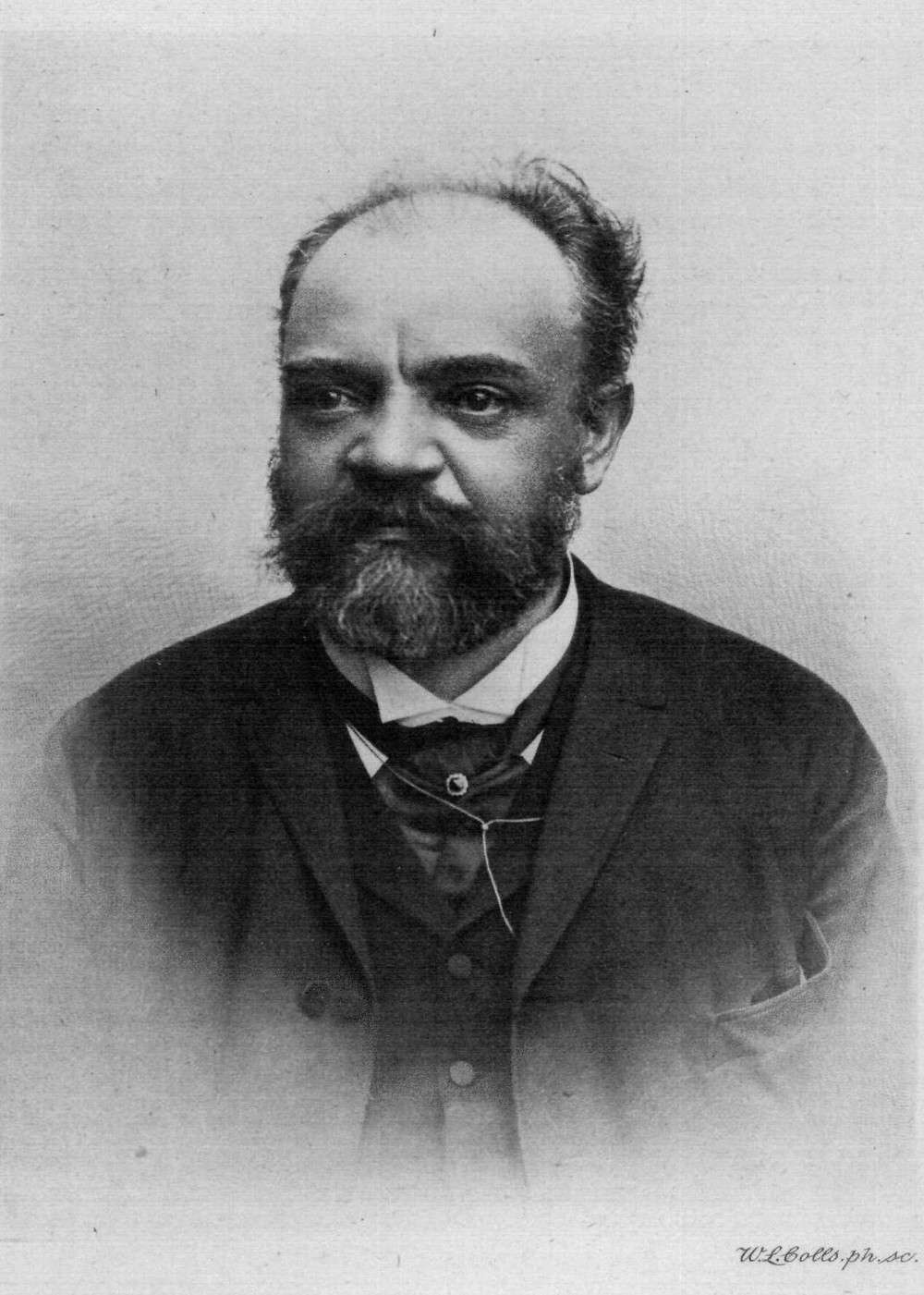
Antonín Dvořák
Classical
Symphony
Symfonicky Orchestr
4
/5
Johann Sebastian Bach
Baroque
Classical
Baroque Suite
4
/5
Academy of St. Martin in the Fields
Baroque
Classical
Classical Performance
4
/5
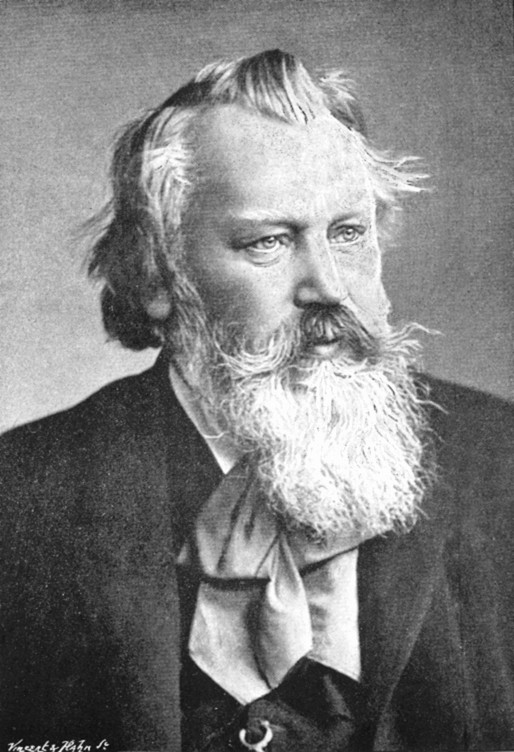
Johannes Brahms
Classical Clarinet
Classical Piano Quartet
Concerto
3
/5
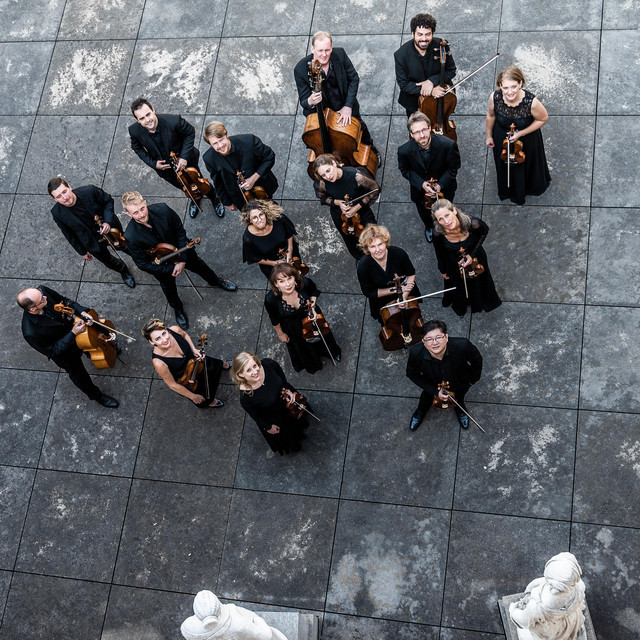
Stuttgart Chamber Orchestra
Baroque
Classical
Orchestral
3
/5
Osmo Vänskä
Classical
Orchestral
Concerto
4
/5
Ludwig van Beethoven
Classical
Classical Period
Romantic Classical
4
/5
Herbert von Karajan
Classical
Symphonic Poem
Symphony
Download our mobile app
Get the Melodigging app and start digging for new genres on the go
Download on the App Store
Get it on Google Play
© 2026 Melodigging
Give feedback
Legal
Melodding was created as a tribute to
Every Noise at Once
, which inspired us to help curious minds keep digging into music's ever-evolving genres.