Genres
Artists
Albums
Make Music
Sign in
Sign in
Artists
Anti-Folk
Artists
Anti-Folk
Crywank
2020–2021
·
2 albums
Listen
3
/5
Genres
Pov: Indie
"pov: indie" is a social-media-native microstyle built around short, cinematic indie-pop/indie-rock snippets designed to accompany a first-person (POV) narrative. Instead of being defined by a single new musical technique, it is defined by context: the music is chosen or written to feel like the soundtrack to a specific moment (a crush, a late-night walk, moving to a new city, seasonal nostalgia). Sonically it typically uses bright but soft guitars or synths, intimate vocals, simple memorable hooks, and production that reads clearly on phone speakers. The emotional tone is often wistful, tender, and “coming-of-age,” with lyrics that can be understood quickly in a 10–30 second clip.
Discover
Listen
Small Room
Small room is a contemporary micro‑genre that sits near bedroom pop and intimate indie folk, defined by hushed, close‑miked vocals, minimal arrangements, and soft dynamics. Its recordings emphasize the natural, dry sound of a single space—often literally a small room—creating an intimate, confessional atmosphere. Typical instrumentations include gentle acoustic or clean electric guitar, soft piano, understated electronic drums, and airy pads or lo‑fi textures. Tempos are moderate to slow, harmonic movement is simple and diatonic, and lyrics focus on introspection, relationships, and everyday detail. The overall aesthetic privileges understatement, warmth, and proximity, as if the artist were singing a private demo directly to the listener.
Discover
Listen
Weirdcore
Weirdcore is an internet-native microgenre and aesthetic of experimental electronic music that leans into liminal nostalgia, eerie memory, and uncanny ambience. Its sound palette often combines misty pads, degraded samples, tape hiss, and bitcrushed percussion with disembodied voices, classroom and mall PA announcements, retro operating system chimes, and field recordings of empty or transitional spaces. Harmonically, weirdcore favors drones, slowly shifting modal clusters, and ambiguous, memory-warping intervals that feel familiar yet distorted. Rhythm ranges from beatless, foggy soundscapes to brittle, broken 2-step and slow, stumbling downtempo pulses. Heavy time-stretching, granular manipulation, wow-and-flutter, convolution reverbs, and spectral or cassette-style degradation are central to its texture. Although closely tied to a visual aesthetic (liminal spaces, late-night analog glow, low-resolution signage), weirdcore as a musical style is defined by its uncanny collage sensibility: sampling and warping everyday audio detritus until it becomes emotionally charged, melancholic, and faintly unsettling.
Discover
Listen
Diy Emo
DIY emo is a grassroots, home-recorded and community-driven branch of contemporary emo that blends twinkly Midwest-emo guitar work, confessional lyricism, and pop-punk urgency with a distinctly lo‑fi, self-produced aesthetic. It foregrounds the ethics of the do‑it‑yourself underground: basement shows, tape or Bandcamp releases, collective touring, and a preference for intimacy over polish. Sonically, it leans on clean, chiming guitars, melodic basslines, dynamic drumming, and unvarnished vocals that veer from soft-spoken to cathartic sing-alongs. Rather than chasing radio gloss, DIY emo embraces rawness and vulnerability—often capturing the feel of a crowded living room show—while channeling themes of friendship, mental health, hometowns, and the bittersweet transitions of early adulthood.
Discover
Listen
Freak Folk
Freak folk is a 2000s revival and mutation of psychedelic and traditional folk that embraces eccentric vocals, surreal lyrics, and homespun, experimental arrangements. It blends fingerpicked acoustics and hand percussion with harps, harmoniums, toy instruments, and found sounds, often recorded in lo‑fi, intimate settings. Aesthetically, it is earthy yet otherworldly: pastoral melodies, drones, and modal harmonies coexist with whimsical, childlike timbres and mystical imagery. The scene is closely associated with the New Weird America movement, valuing communal creativity, DIY production, and a porous boundary between folk tradition and avant‑garde exploration.
Discover
Listen
Anti-Folk
Anti-folk is a subversive, DIY-minded offshoot of folk that blends the confessional songwriting of the 1960s coffeehouse scene with the irreverence, speed, and attitude of punk. It favors raw, often lo-fi production, simple chord progressions, direct melodies, and sardonic, self-aware lyrics that skewer both mainstream pop and earnest folk orthodoxy. Performances typically feel intimate and unvarnished, privileging personality, humor, and immediacy over polish. The scene coalesced around New York City’s Lower East Side/East Village in the 1980s and 1990s, later inspiring companion scenes in the UK and Europe. Anti-folk’s tone ranges from playful and comedic to biting and political, but it consistently celebrates individuality, candor, and a hand-made aesthetic.
Discover
Listen
Emo
Emo is a rock subgenre that emerged from the mid-1980s Washington, D.C. hardcore punk scene as “emotional hardcore” (often shortened to emocore). It retains punk’s urgency but foregrounds confessional, vulnerable lyrics and dramatic dynamic shifts. Across its eras, emo has encompassed several distinct sounds: the intense, cathartic D.C. style; the melodic, guitar‑intricate “Midwest emo” of the 1990s; and the 2000s mainstream wave that blended emo’s lyrical candor with pop‑punk hooks (often called “emo pop”). Common musical traits include intertwining clean and overdriven guitars, intricate arpeggios and counter‑melodies, elastic song structures, and vocals that range from intimate murmurs to raw, impassioned shouts.
Discover
Listen
Lo-Fi
Lo-fi is a music aesthetic and genre defined by an embrace of audible imperfections—tape hiss, clipping, room noise, distorted transients, and uneven performance—that would be treated as errors in high-fidelity recording. Emerging from the DIY ethos of American indie and punk scenes, lo-fi turns budget constraints and home-recording limitations into a signature sound. Songs are often intimate, direct, and unvarnished, prioritizing immediacy and personality over polish. Typical lo-fi recordings use 4-track cassette or similarly modest setups, simple chord progressions, and understated vocals, spanning rock, folk, pop, and experimental approaches while retaining a homemade warmth and nostalgic patina.
Discover
Listen
Folk Punk
Folk punk fuses the raw speed, attitude, and DIY ethos of punk with the acoustic instruments, storytelling, and melodic traditions of folk. It often features shouted sing‑alongs, gang vocals, and energetic strumming alongside fiddles, accordions, banjos, and acoustic guitars. Lyrically, the genre ranges from personal confessionals and working‑class narratives to pointed political critique and anti‑establishment themes. Production can be intentionally rough or lo‑fi, reflecting its busking roots and community‑first approach to performance.
Discover
Listen
Punk
Punk is a fast, abrasive, and minimalist form of rock music built around short songs, stripped-down instrumentation, and confrontational, anti-establishment lyrics. It emphasizes DIY ethics, raw energy, and immediacy over virtuosity, often featuring distorted guitars, shouted or sneered vocals, and simple, catchy melodies. Typical songs run 1–3 minutes, sit around 140–200 BPM, use power chords and basic progressions (often I–IV–V), and favor live, unpolished production. Beyond sound, punk is a cultural movement encompassing zines, independent labels, political activism, and a fashion vocabulary of ripped clothes, leather, and safety pins.
Discover
Listen
Experimental
Experimental music is an umbrella term for practices that prioritize exploration, process, and discovery over adherence to established genre norms. It embraces new sound sources, nonstandard tuning systems, indeterminacy and chance operations, graphic and open-form scores, extended techniques, and technology-led sound design (tape, electronics, computers, and live processing). Rather than a single style, it is a methodology and ethos: testing hypotheses about sound, structure, and performance, often blurring boundaries between composition, improvisation, sound art, and performance art. Listeners can expect unfamiliar timbres, unusual forms, and an emphasis on how music is made as much as the resulting sound.
Discover
Listen
Folk
Folk is a song-centered acoustic tradition rooted in community storytelling, everyday life, and social history. It emphasizes clear melodies, simple harmonies, and lyrics that foreground narrative, protest, and personal testimony. As a modern recorded genre, folk coalesced in the early-to-mid 20th century in the United States out of older ballad, work song, and rural dance traditions. It typically features acoustic instruments (guitar, banjo, fiddle, mandolin, harmonica), strophic song forms, and participatory singing (choruses, call-and-response).
Discover
Listen
Show all 12 genres
Albums
2021
2
/5
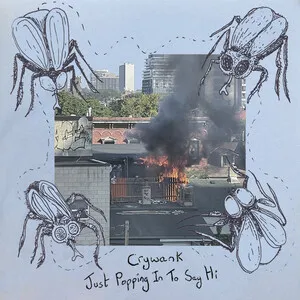
Just Popping in to Say Hi
Crywank
Anti-Folk
Emo
Folk
2020
2
/5
Fist Me 'Til Your Hand Comes Out My Mouth
Crywank
Freak Folk
Experimental
Folk
Similar artists
1
/5
Various Artists
Afro-Funk
Alternative Rock
Ambient
3
/5
The Microphones
Indie Folk
Anti-Folk
Avant-Folk
3
/5
Neutral Milk Hotel
Elephant 6
Indie Rock
Rock
3
/5
Mount Eerie
Indie Folk
Anti-Folk
Rock
3
/5
dandelion hands
Lo-Fi Emo
Analog Horror
Experimental
2
/5
Six Organs Of Admittance
Free Folk
Folk Rock
Indie Folk
2
/5
Richard Dawson
Experimental Psych
Art Rock
Avant-Folk
3
/5
The Mountain Goats
New Weird America
Indie Folk
Rock
3
/5
Guided By Voices
Indie Rock
Gbvfi
Alternative Pop
4
/5
Regina Spektor
Anti-Folk
Piano Rock
Lilith
Download our mobile app
Get the Melodigging app and start digging for new genres on the go
Download on the App Store
Get it on Google Play
© 2026 Melodigging
Give feedback
Legal
Melodding was created as a tribute to
Every Noise at Once
, which inspired us to help curious minds keep digging into music's ever-evolving genres.