Genres
Artists
Albums
Make Music
Sign in
Sign in
Artists
Progressive Rock
Artists
Progressive Rock
Coheed and Cambria
2003–2025
·
5 albums
Listen
4
/5
Genres
Emo Revival
Emo revival is a 2010s resurgence of the melodic, introspective strain of 1990s and early-2000s emo, updated with indie-rock and math-rock sensibilities. It emphasizes twinkly, interlocking clean guitars, confessional and diaristic lyrics, dynamic quiet‑loud arrangements, and a DIY ethos rooted in house shows, small labels, and online communities. Compared with 2000s mainstream emo-pop, the revival leans closer to Midwest emo and indie aesthetics—often cleaner in tone, more rhythmically intricate, and less polished, while remaining hooky and emotionally direct.
Discover
Listen
Neo Metal
Neo metal is a contemporary, hybrid branch of heavy music that fuses modern metal riffing and breakdown power with glossy, pop-aware songwriting and electronic production. It borrows the bounce and hip‑hop sensibility of late‑1990s/early‑2000s nu metal, the precision of metalcore and djent, and the synthetic textures of EDM, trap, and industrial. Hallmarks include down‑tuned 7–8‑string guitars, half‑time, groove‑led drums, sub‑heavy 808s, and an emotive vocal palette that shifts between screams, rap‑cadenced phrasing, and soaring pop choruses. Studio craft is central: sound design, side‑chained synths, layered vocals, and punchy, wide masters aim for festival‑scale impact while remaining radio/playlist friendly.
Discover
Listen
Trap Metal
Trap metal is a fusion of contemporary trap production and the aggression of metal and hardcore. It typically pairs distorted 808 bass, half‑time trap drums, and rapid hi‑hat rolls with screamed or harshly delivered vocals, down‑tuned guitar riffs (live or sampled), and industrial textures. Aesthetically, it emphasizes raw intensity, mosh‑pit energy, and abrasive sound design while retaining hip‑hop’s hook‑driven song structures and lyrical cadences. Themes often revolve around alienation, rage, nihilism, and personal struggle, delivered with a visceral, cathartic tone.
Discover
Listen
Post-Post-Hardcore
Post-post-hardcore is a polished, third-wave offshoot of post-hardcore that crystallized in the 2010s. It fuses the genre’s emotive, dynamic vocals and tension-release structures with modern pop hooks, electronic programming, and metalcore heft. Compared with classic post-hardcore, it favors glossy production, radio-leaning choruses, and hybridized textures—think syncopated djent-lite riffs under bright synths, EDM-style risers and drops, half-time breakdowns, and call-and-response vocals (screamed versus soaring cleans). The result is an accessible yet intense sound that thrives in the internet era of playlists, YouTube covers, and scene cross-pollination.
Discover
Listen
Post-Screamo
Post-screamo is a modern, studio-savvy offshoot of screamo that blends the genre’s emotive harsh vocals with sleek, pop-leaning hooks and polished, post-hardcore/metalcore instrumentation. Compared with classic screamo, it favors dynamic “scream-and-sing” song forms, EDM/electronic textures, and breakdowns with djent-tinged guitar tones. Clean choruses, cinematic builds, and glossy production sit alongside cathartic screams, creating a style that is equal parts heavy release and radio-ready melodicism.
Discover
Listen
Swancore
Swancore is a bright, technical offshoot of post-hardcore marked by intricate, funk-tinged guitar work, elastic grooves, and the interplay of soaring clean vocals with harsher screams. Named after guitarist Will Swan (Dance Gavin Dance), the style emphasizes tight, syncopated riffing, frequent tapping, and jazz-fusion flourishes wrapped in catchy, pop-forward hooks. Arrangements pivot rapidly between aggressive bursts and sleek melodic passages. The harmony often ventures beyond basic triads to include extensions, mode mixture, and chromatic voice-leading, while drums favor ghost-note heavy, linear patterns and occasional odd-meter turns. Despite the complexity, Swancore typically retains an upbeat, glossy production aesthetic that highlights clarity, agility, and rhythmic snap.
Discover
Listen
Classify
Classify is a streaming-era microgenre that blends light classical technique with contemporary pop repertoire, typically presented as unobtrusive instrumental covers. It prioritizes soft dynamics, gentle tempos, and intimate recording to create a calm, elegant backdrop suitable for studying, working, or events. Most arrangements are for solo piano, string quartet, cello/piano duos, or small chamber ensembles. Harmonies remain diatonic and consonant, melodies are clearly voiced, and textures favor arpeggios, ostinati, and sustained legato lines. The overall aesthetic borrows from modern classical and new age moods while retaining the familiarity of pop song forms.
Discover
Listen
Modern Ska Punk
Modern ska punk is a 2010s–2020s reboot of ska’s off‑beat guitar “skank” and brass arrangements fused with pop‑punk hooks, hardcore energy, and contemporary indie/DIY production. It keeps Jamaican ska’s upstroke rhythm and walking bass feel, but toggles to double‑time punk beats and distortion for choruses, foregrounding big gang vocals and tightly voiced horn stabs. Culturally, the scene coalesced around inclusive, explicitly anti‑racist/anti‑sexist, queer‑affirming DIY communities (e.g., Bad Time Records), and a new crop of bands that treat ska not as nostalgia but as a flexible songwriting language. High‑profile signals of the revival included Jeff Rosenstock’s 2021 full‑album ska rework SKA DREAM, and We Are the Union’s Ordinary Life, a trans‑affirming, hook‑forward ska‑punk LP. The term “New Tone,” popularized by members of Bad Operation, captures a cleaner, roots‑aware but forward‑looking branch of the sound.
Discover
Listen
The Wave
The Wave is a loosely defined cluster of American post-hardcore/emo bands that surged in the early 2010s as emo-pop’s mainstream moment faded. The name was a tongue‑in‑cheek scene tag that stuck in press coverage, but it points to a real overlap in sound, ethos, and touring networks. Musically, The Wave fuses the urgency of 1990s post‑hardcore and screamo with confessional, literate lyric writing associated with emo. Expect shouted or half‑sung/half‑spoken vocals, dynamic quiet‑loud builds, intricate but driving drums, and guitar textures that shift between glassy clean arpeggios and overdriven, emotive climaxes. The songs often emphasize catharsis, narrative detail, and community-minded DIY presentation.
Discover
Listen
Modern Alternative Rock
Modern alternative rock is a contemporary continuation of alternative rock that blends the genre’s guitar-driven core with modern pop sensibilities and updated production. It typically features crisp, radio-ready mixes, prominent melodic hooks, and a balance of loud/quiet dynamics influenced by 1990s alt-rock. Compared with classic alternative rock, it often uses tighter song structures, brighter vocal production, and occasional electronic layers while keeping a band-based feel. Lyrics commonly focus on personal anxiety, relationships, self-doubt, and social disillusionment, delivered with an emotionally direct tone.
Discover
Listen
Emo Pop
Emo pop blends the confessional lyricism and emotional intensity of emo with the bright hooks, concise song forms, and polished production of mainstream pop and pop-punk. The style typically features up-tempo drums, chimey or lightly overdriven guitars, and anthemic choruses built around earworm melodies and glossy vocal harmonies. Lyrical themes revolve around vulnerability, relationships, growing pains, and self-doubt, delivered in an earnest, often dramatic vocal style. Production tends to be clean and radio-ready, with dynamic contrasts between restrained verses and explosive, cathartic choruses.
Discover
Listen
Alternative Rock
Alternative rock is a broad umbrella for guitar-based rock that emerged from the independent and college-radio scenes as a counterpoint to mainstream, commercial rock. It blends the energy and ethos of punk with the textural and songwriting experiments of post-punk, new wave, jangle pop, and noise rock, often foregrounding introspective or socially aware lyrics. Across its many strains—from the melodic minimalism of college rock to the loud-quiet-loud dynamics of grunge and the artful experimentation of Radiohead-era modernism—alternative rock prioritizes authenticity, sonic individuality, and a do-it-yourself approach. Its sound ranges from chiming, chorus-laden clean guitars to abrasive distortion and feedback, supported by straightforward rock rhythms or off-kilter grooves, and production that can be either raw and live-sounding or polished yet unconventional.
Discover
Listen
Alternative Punk
Alternative punk is a broad, independent-minded branch of punk that stretches punk’s velocity and attitude into more melodic, experimental, and stylistically hybrid directions. It retains punk’s DIY ethos and raw edge, but embraces unusual song structures, artful dissonance, jangly or noisy guitar textures, and introspective or socially observant lyrics. Often tied to college radio and small labels, alternative punk bridged the gap between late-1970s punk/post-punk and the alternative and indie explosions of the late 1980s and 1990s.
Discover
Listen
Progressive Metal
Progressive metal blends the ambition and extended song forms of progressive rock with the heaviness, timbre, and energy of heavy metal. It is characterized by complex arrangements, frequent time‑signature changes, virtuosic instrumental passages, thematic or concept‑driven albums, and a wide dynamic range from delicate, atmospheric sections to aggressive, high‑gain climaxes. Harmonically it draws on modal interchange, chromatic voice‑leading, and jazz‑fusion colors, while rhythmically it favors polymeters, polyrhythms, and metric modulation. Keyboards and layered production often add orchestral or cinematic scope.
Discover
Listen
Progressive Rock
Progressive rock is a rock subgenre that expands the genre’s formal, harmonic, and conceptual boundaries. It favors long-form compositions, intricate arrangements, and virtuosic musicianship, often drawing on Western classical, jazz, folk, and psychedelic idioms. Typical hallmarks include multi-part suites, shifting time signatures, extended instrumental passages, recurring motifs, and concept albums that present unified themes or narratives. The sound palette commonly features electric guitar, bass, and drums alongside an array of keyboards (Hammond organ, Mellotron, Moog/ARP synthesizers, piano), woodwinds or brass, and occasional orchestral additions. Lyrics often explore science fiction, mythology, philosophy, social commentary, and introspective themes.
Discover
Listen
Hard Rock
Hard rock is a loud, riff-driven style of rock music built around heavily amplified electric guitars, a powerful rhythm section, and assertive vocals. Songs typically center on memorable, blues-based guitar riffs, strong backbeats, and energetic, often shouted or belted choruses. The genre emphasizes power, groove, and visceral impact over intricate harmony or extended improvisation. Distortion, power chords, pentatonic melodies, and call‑and‑response between vocals and guitar are core traits, while lyrical themes often explore rebellion, lust, swagger, escape, and cathartic release.
Discover
Listen
Rock
Rock is a broad family of popular music centered on amplified instruments, a strong backbeat, and song forms that foreground riffs, choruses, and anthemic hooks. Emerging from mid‑20th‑century American styles like rhythm & blues, country, and gospel-inflected rock and roll, rock quickly expanded in scope—absorbing folk, blues, and psychedelic ideas—while shaping global youth culture. Core sonic markers include electric guitar (often overdriven), electric bass, drum kit emphasizing beats 2 and 4, and emotive lead vocals. Rock songs commonly use verse–chorus structures, blues-derived harmony, and memorable melodic motifs, ranging from intimate ballads to high‑energy, stadium‑sized performances.
Discover
Listen
Show all 17 genres
Albums
2025
1
/5
Key Entity Extraction VII - Yuko The Trivial
Coheed and Cambria
Progressive Rock
2025
3
/5
The Father of Make Believe
Coheed and Cambria
Progressive Rock
Rock
2024
2
/5
Searching for Tomorrow
Coheed and Cambria
Progressive Rock
2024
1
/5
Searching for Tomorrow
Coheed and Cambria
Progressive Rock
Modern Alternative Rock
2003
4
/5
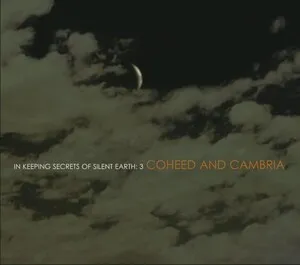
In Keeping Secrets of Silent Earth: 3
Coheed and Cambria
Emo Pop
Alternative Punk
Alternative Rock
Similar artists
5
/5
Muse
Alternative Rock
Rock
Permanent Wave
1
/5
Various Artists
Afro-Funk
Alternative Rock
Ambient
4
/5
Cage The Elephant
Punk Blues
Indie Rock
Rock
3
/5
Anathema
Progressive Doom
Progressive Rock
Alternative Rock
2
/5
Cardiacs
Progressive Rock
Art Rock
Zolo
5
/5
The Neighbourhood
Modern Alternative Rock
Rock
Alternative Rock
4
/5
TOOL
Progressive Metal
Progressive Rock
Art Rock
4
/5
Polyphia
Instrumental Rock
Progressive Metal
Math Rock
3
/5
Porcupine Tree
Progressive Rock
Space Rock
Progressive Metal
3
/5
The Mars Volta
Progressive Rock
Art Rock
Rock
Download our mobile app
Get the Melodigging app and start digging for new genres on the go
Download on the App Store
Get it on Google Play
© 2026 Melodigging
Give feedback
Legal
Melodding was created as a tribute to
Every Noise at Once
, which inspired us to help curious minds keep digging into music's ever-evolving genres.