Genres
Artists
Albums
Make Music
Sign in
Sign in
Artists
Progressive Doom
Artists
Progressive Doom
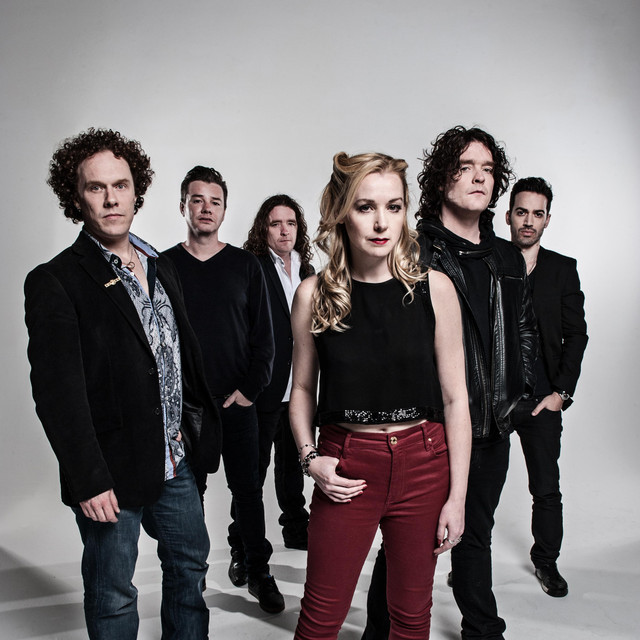
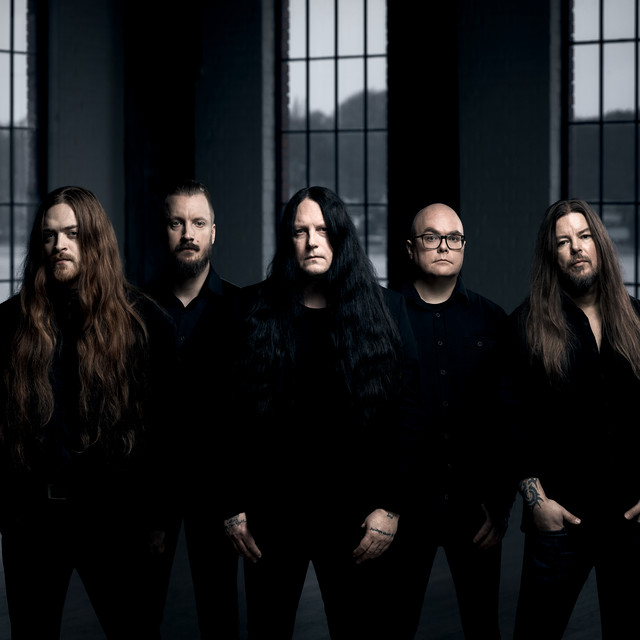
Anathema
1996–2017
·
13 albums
Listen
3
/5
Genres
Indie Shoegaze
Indie shoegaze is a modern fusion of indie rock songcraft with the texture-heavy aesthetics of classic shoegaze. It keeps the haze: washed-out guitars drenched in reverb and delay, breathy or buried vocals, and a strong emphasis on atmosphere. Unlike the denser, sometimes overwhelming walls of sound in late-’80s/early-’90s shoegaze, indie shoegaze tends to prize clearer hooks, jangly patterns, and compact song forms. The result is a gauzy, melodic sound that feels intimate and contemporary while still dreamily saturated.
Discover
Listen
Melancholia
Melancholia is an internet-era microgenre centered on soft-focus, sorrow-tinged pop and indie songs that foreground intimacy, space, and emotional candor. Tracks are typically slow to mid‑tempo, sung in a close, almost confessional register, and framed by sparse, reverb‑soaked textures. Sonically it lives between dream pop, bedroom pop, and slowcore: shimmering guitars or wistful synth pads drift over understated beats; piano, acoustic guitar, and low‑key electronic drums carry muted, pulsing grooves. Harmonies often favor minor keys, suspended chords, and gentle extensions (7ths/9ths) that heighten a bittersweet glow. Lyrically, melancholia lingers on solitude, late‑night self‑reflection, breakups, and fragile hope. The genre coalesced through streaming playlists and social media, where its hush, negative space, and diaristic tone translate into a cohesive, instantly recognizable mood.
Discover
Listen
Progressive Doom
Progressive doom is a fusion of doom metal’s weighty, slow-to-mid tempos and somber atmospheres with the adventurous songwriting and technical curiosity of progressive rock and progressive metal. Hallmarks include long, multi-part songs, frequent dynamic contrasts, unusual time signatures or metric shifts, and richly layered guitar harmonies. Clean vocals often intermingle with harsh growls, while keyboards, strings, or acoustic interludes broaden the palette beyond traditional doom. Lyrically, the genre leans toward existential, poetic, and conceptual themes, reinforcing an epic yet melancholic tone.
Discover
Listen
Gothic Metal
Gothic metal is a fusion of the heaviness and slow, atmospheric pull of doom metal with the dark romanticism and melodrama of gothic rock. It emphasizes minor-key harmony, thick guitar textures, and prominent keyboards or orchestral pads to create a brooding, cinematic mood. Vocals range from deep baritone croons and clean female sopranos to harsh growls—sometimes used together in the "beauty-and-the-beast" style. Lyrical themes often explore love and loss, mortality, melancholy, myth, and the supernatural, presented with a sense of theatricality. While centered in metal, the style borrows from dark wave’s somber synths and gothic rock’s atmosphere, leading to variations that lean toward doom, symphonic, or even alternative-leaning approaches.
Discover
Listen
Alternative Rock
Alternative rock is a broad umbrella for guitar-based rock that emerged from the independent and college-radio scenes as a counterpoint to mainstream, commercial rock. It blends the energy and ethos of punk with the textural and songwriting experiments of post-punk, new wave, jangle pop, and noise rock, often foregrounding introspective or socially aware lyrics. Across its many strains—from the melodic minimalism of college rock to the loud-quiet-loud dynamics of grunge and the artful experimentation of Radiohead-era modernism—alternative rock prioritizes authenticity, sonic individuality, and a do-it-yourself approach. Its sound ranges from chiming, chorus-laden clean guitars to abrasive distortion and feedback, supported by straightforward rock rhythms or off-kilter grooves, and production that can be either raw and live-sounding or polished yet unconventional.
Discover
Listen
Progressive Metal
Progressive metal blends the ambition and extended song forms of progressive rock with the heaviness, timbre, and energy of heavy metal. It is characterized by complex arrangements, frequent time‑signature changes, virtuosic instrumental passages, thematic or concept‑driven albums, and a wide dynamic range from delicate, atmospheric sections to aggressive, high‑gain climaxes. Harmonically it draws on modal interchange, chromatic voice‑leading, and jazz‑fusion colors, while rhythmically it favors polymeters, polyrhythms, and metric modulation. Keyboards and layered production often add orchestral or cinematic scope.
Discover
Listen
Death-Doom Metal
Death-doom metal is a fusion of death metal’s extremity and doom metal’s slow, crushing weight. It pairs down-tuned, monolithic riffs and oppressive tempos with death metal features such as guttural growls, occasional double-kick bursts, and abrasive distortion. The mood is bleak and melancholic, often enhanced by minor-key harmonies, sustained chords, and sparse melodic figures. Some bands add keyboards, violin, or clean guitar interludes to deepen the sense of tragedy and atmosphere. Lyrically, it focuses on grief, mortality, desolation, and existential dread. Arrangements tend to be long-form and dynamic: glacial passages anchor the music while strategically placed surges of death-metal intensity create cathartic contrast.
Discover
Listen
Doom Metal
Doom metal is a heavy metal subgenre defined by slow to mid-tempo grooves, down-tuned, highly distorted guitars, and an atmosphere of dread, melancholy, and weight. It emphasizes ominous, minor-key riffs and sustained tones over speed or virtuosity, creating a crushing sense of space and inevitability. Vocals range from plaintive and theatrical (epic/traditional doom) to anguished wails or harsh growls (death-doom), and lyrics often explore themes of suffering, mortality, the occult, apocalyptic visions, and existential despair. Song structures are typically riff-centric and long-form, with repetition and gradual dynamic shifts producing a hypnotic, ritualistic feel.
Discover
Listen
Metal
Metal (often used to mean heavy metal in its broad, umbrella sense) is a loud, guitar-driven style of rock defined by high-gain distortion, emphatic and often martial rhythms, and a dense, powerful low end. It foregrounds riff-based songwriting, dramatic dynamics, virtuosic guitar solos, and commanding vocals that range from melodic wails to aggressive snarls and growls. Harmonically, metal favors minor modes, modal color (Aeolian, Phrygian), chromaticism, and tritone-inflected tension, while thematically it explores power, mythology, the occult, social critique, fantasy, and existential subjects. While adjacent to hard rock, metal typically pushes amplification, distortion, precision, and thematic intensity further, forming a foundation for many specialized subgenres.
Discover
Listen
Progressive Rock
Progressive rock is a rock subgenre that expands the genre’s formal, harmonic, and conceptual boundaries. It favors long-form compositions, intricate arrangements, and virtuosic musicianship, often drawing on Western classical, jazz, folk, and psychedelic idioms. Typical hallmarks include multi-part suites, shifting time signatures, extended instrumental passages, recurring motifs, and concept albums that present unified themes or narratives. The sound palette commonly features electric guitar, bass, and drums alongside an array of keyboards (Hammond organ, Mellotron, Moog/ARP synthesizers, piano), woodwinds or brass, and occasional orchestral additions. Lyrics often explore science fiction, mythology, philosophy, social commentary, and introspective themes.
Discover
Listen
Acoustic Rock
Acoustic rock is a style of rock music built primarily around acoustic instruments—especially steel‑string acoustic guitars—while retaining rock’s song forms, rhythmic drive, and hook‑oriented choruses. Compared with folk or traditional singer‑songwriter material, acoustic rock tends to use stronger backbeats (often played with light drums or hand percussion), more prominent bass movement, and dynamic, chorus‑centric arrangements. The result is a warm, wood‑toned timbre with the energy and structures of rock, but without the distortion and heaviness typical of electric guitar‑led styles. The genre spans intimate solo performances to full‑band “unplugged” settings, often featuring strummed open chords, fingerstyle passages, vocal harmonies, and occasional alternate tunings or capo use to shape color and register.
Discover
Listen
Symphonic Rock
Symphonic rock is a style of rock that integrates orchestral instrumentation, classical forms, and large‑scale arrangements into the core sound of a rock band. Typical timbres include strings, brass, woodwinds, choir, mellotron, Hammond organ, piano, and analog synthesizers supporting guitars, bass, and drums. The genre emphasizes grand, cinematic dynamics, thematic development, and harmonic richness drawn from Western classical music, while retaining the energy and songcraft of rock. It often overlaps with progressive rock, but places a particular focus on lush orchestration, romantic melodicism, and overtly symphonic textures—ranging from studio overdubs and mellotron layers to fully scored collaborations with symphony orchestras.
Discover
Listen
Rock
Rock is a broad family of popular music centered on amplified instruments, a strong backbeat, and song forms that foreground riffs, choruses, and anthemic hooks. Emerging from mid‑20th‑century American styles like rhythm & blues, country, and gospel-inflected rock and roll, rock quickly expanded in scope—absorbing folk, blues, and psychedelic ideas—while shaping global youth culture. Core sonic markers include electric guitar (often overdriven), electric bass, drum kit emphasizing beats 2 and 4, and emotive lead vocals. Rock songs commonly use verse–chorus structures, blues-derived harmony, and memorable melodic motifs, ranging from intimate ballads to high‑energy, stadium‑sized performances.
Discover
Listen
Show all 13 genres
Albums
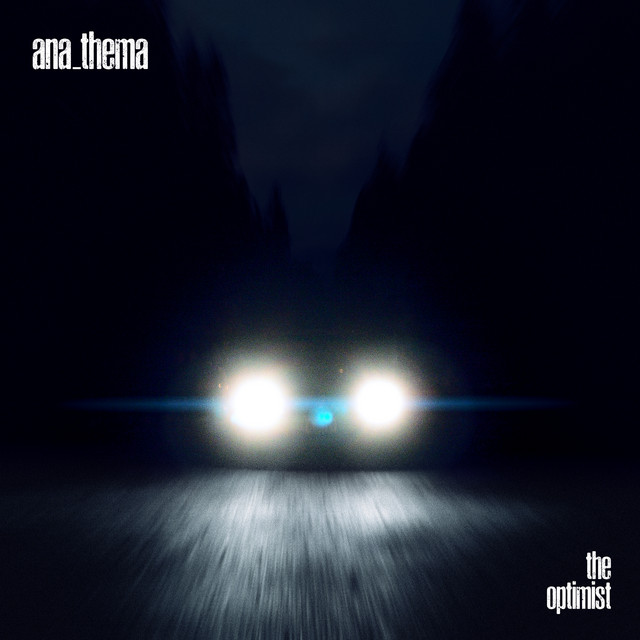
2017
3
/5
The Optimist
Anathema
Progressive Doom
Alternative Rock
Rock
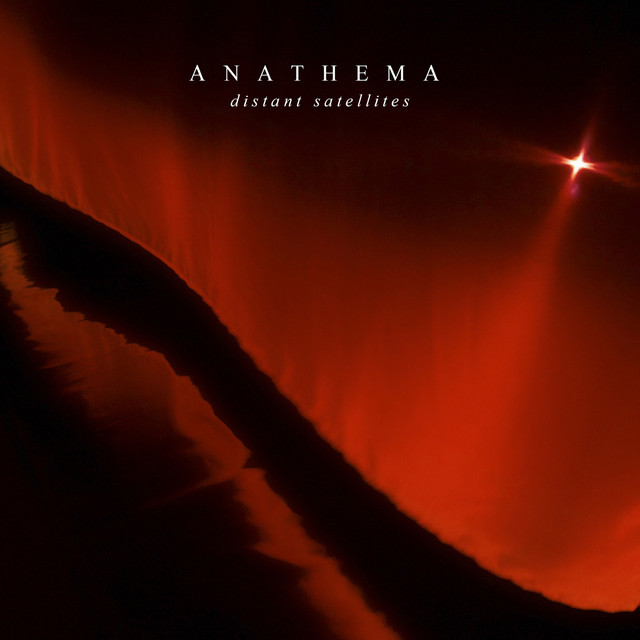
2014
3
/5
Distant Satellites
Anathema
Progressive Doom
Alternative Rock
Rock
2013
3
/5
Universal
Anathema
Progressive Doom
Alternative Rock
Progressive Rock
2012
1
/5
Weather Systems
Anathema
Progressive Doom
2012
3
/5
Weather Systems
Porcupine Tree, Porcupine Tree, Engineers, Porcupine Tree, Pineapple Thief, The…
Progressive Doom
2011
2
/5
Falling Deeper
Anathema
Symphonic Rock
Alternative Rock
Progressive Rock
2011
3
/5
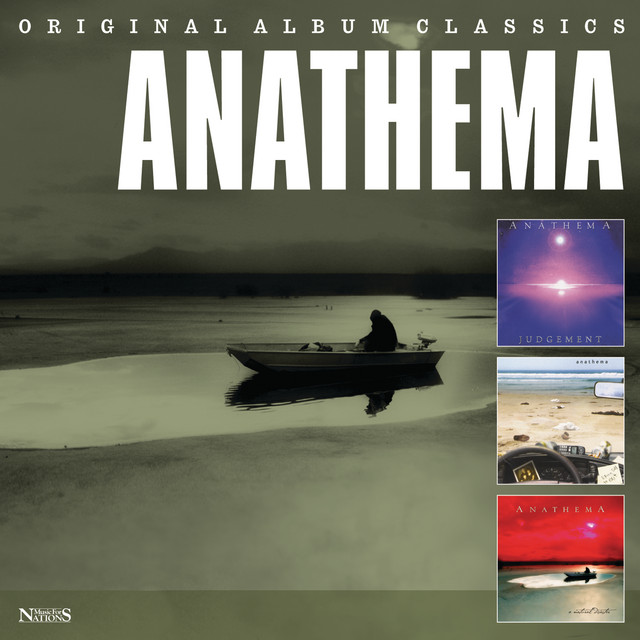
Original Album Classics
Anathema
Progressive Doom
Alternative Rock
Progressive Rock
2008
3
/5
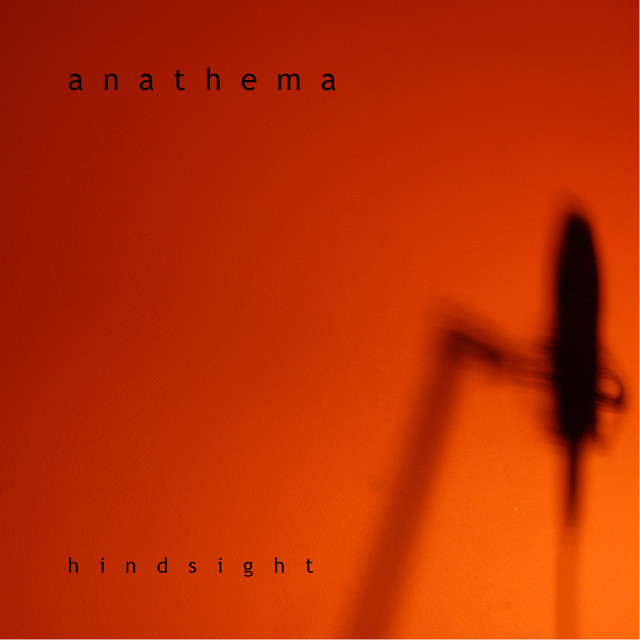
Hindsight
Anathema
Progressive Doom
Acoustic Rock
Alternative Rock
2003
3
/5
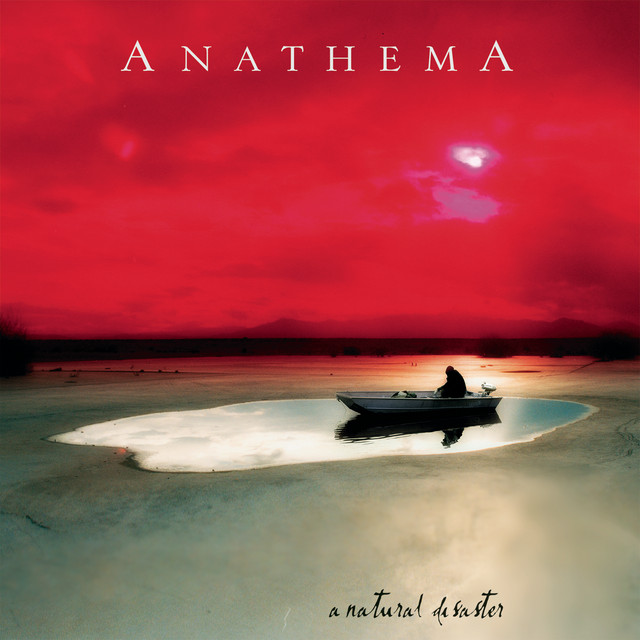
A Natural Disaster (Remastered)
Anathema
Progressive Doom
2001
2
/5
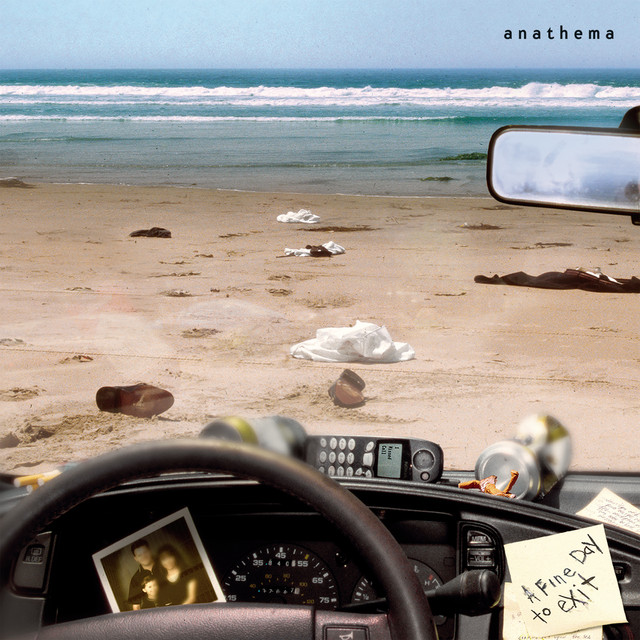
A Fine Day to Exit (Remastered)
Anathema
Progressive Doom
Alternative Rock
Progressive Rock
1999
3
/5
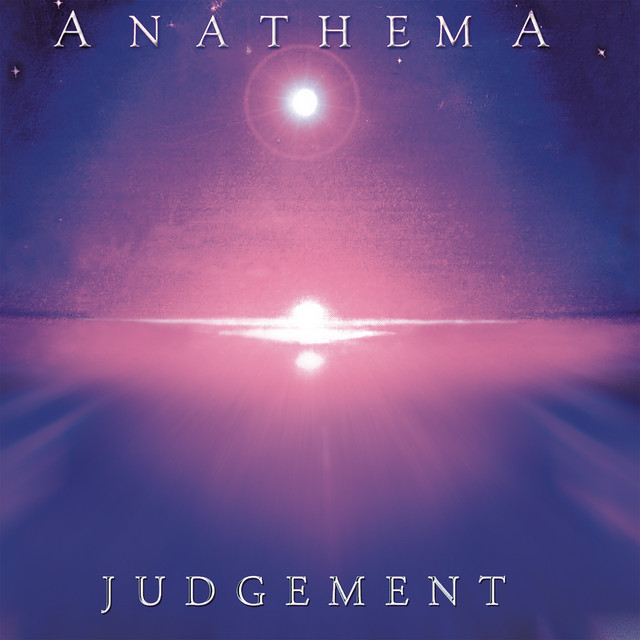
Judgement (Remastered)
Anathema
Progressive Doom
1998
3
/5
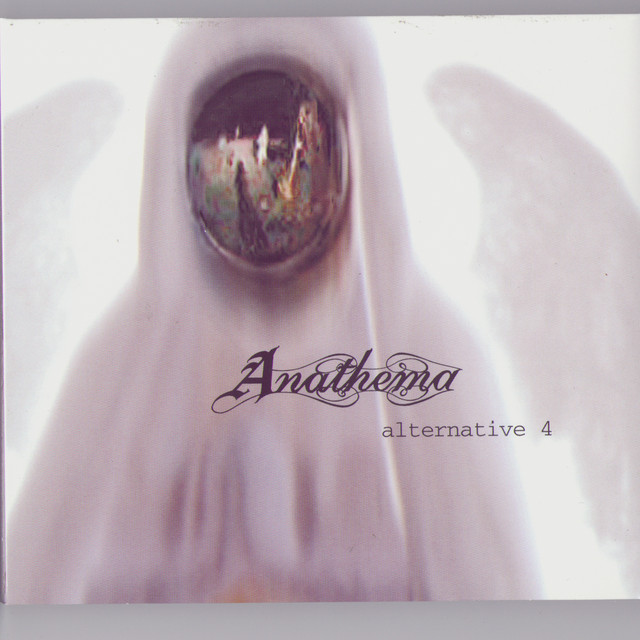
Alternative 4
Anathema
Progressive Doom
Alternative Rock
Gothic Metal
1996
2
/5
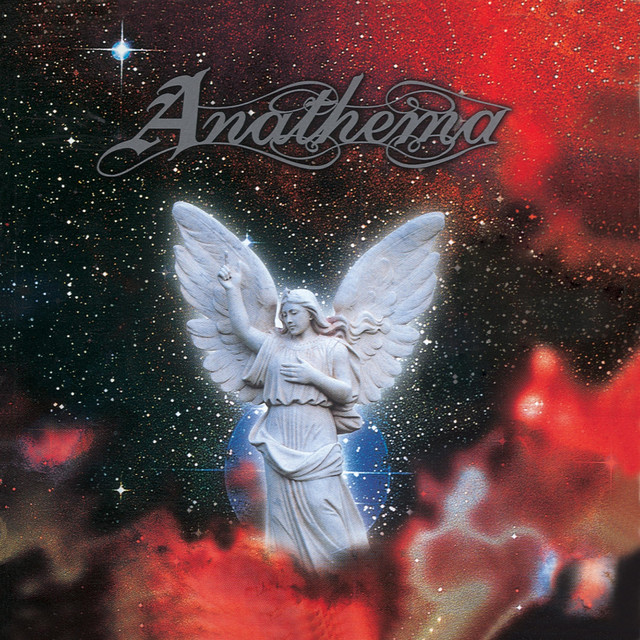
Eternity
Anathema
Progressive Doom
Doom Metal
Similar artists
3
/5
Katatonia
Doom Metal
Gothic Metal
Alternative Metal
3
/5
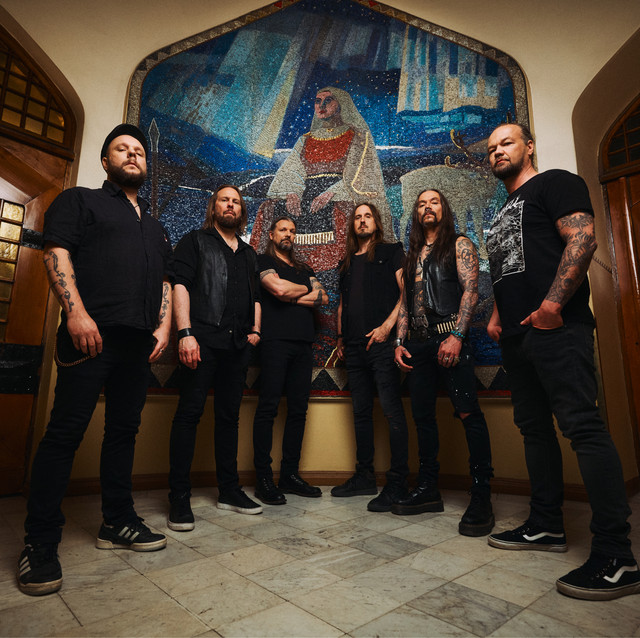
Amorphis
Progressive Doom
Progressive Metal
Viking Metal
5
/5
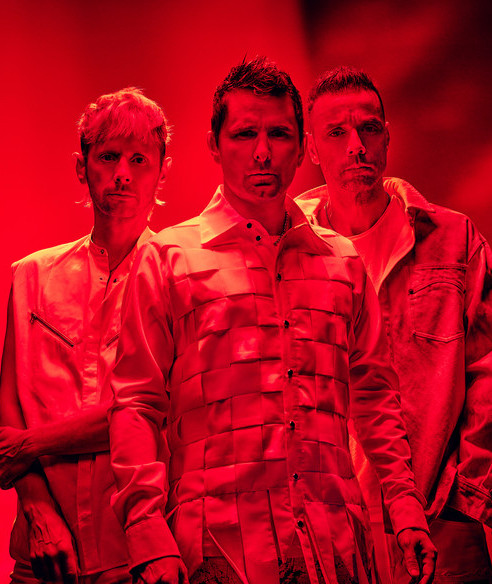
Muse
Alternative Rock
Rock
Permanent Wave
2
/5
Cardiacs
Progressive Rock
Art Rock
Zolo
4
/5
Black Sabbath
Doom Metal
Hard Rock
Heavy Metal
3
/5
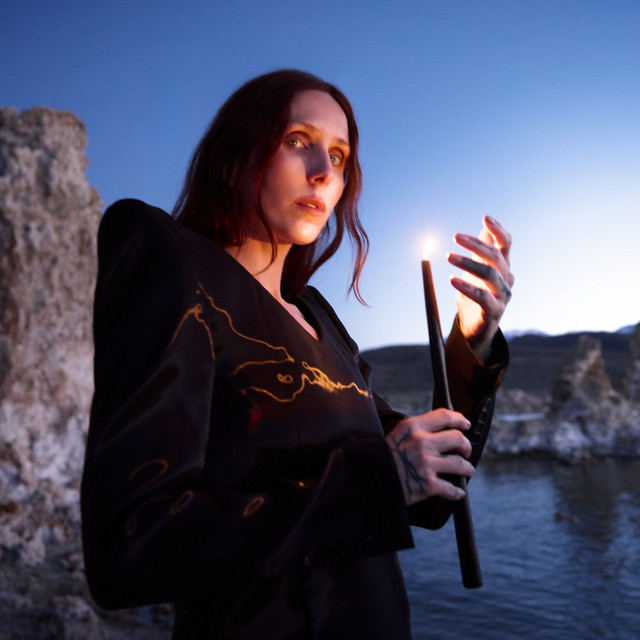
Chelsea Wolfe
Doomgaze
Gaian Doom
Rock
3
/5
Elder
Progressive Doom
Stoner Metal
Stoner Rock
4
/5
TOOL
Progressive Metal
Progressive Rock
Art Rock
3
/5
Melvins
Sludge Metal
Drone Metal
Grunge
4
/5
Santana
Latin Rock
Rock
Blues Rock
Download our mobile app
Get the Melodigging app and start digging for new genres on the go
Download on the App Store
Get it on Google Play
© 2026 Melodigging
Give feedback
Legal
Melodding was created as a tribute to
Every Noise at Once
, which inspired us to help curious minds keep digging into music's ever-evolving genres.