Genres
Artists
Albums
Make Music
Sign in
Sign in
Artists
Fula Music
Artists
Fula Music
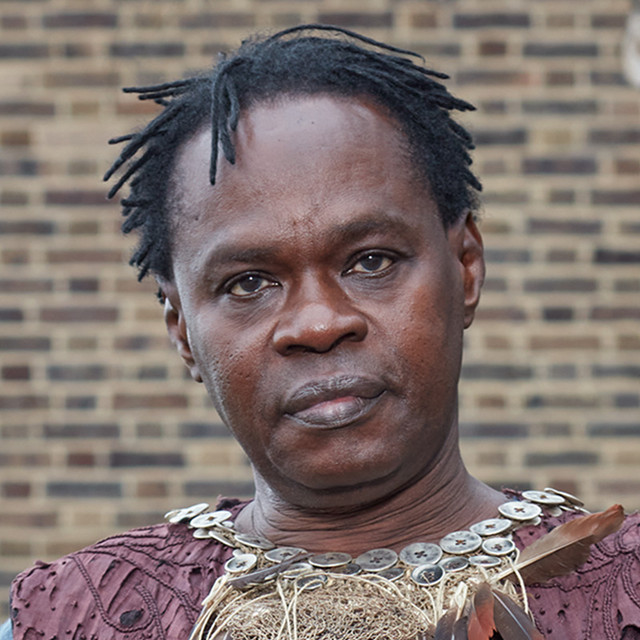
Baaba Maal
1989–2023
·
14 albums
Listen
3
/5
Genres
Indiecoustica
Indiecoustica blends the intimacy of acoustic singer‑songwriter traditions with the melodic sensibilities of indie pop and the organic warmth of indie folk. Typically centered on fingerpicked or lightly strummed acoustic guitar (often paired with piano, soft percussion, and stacked vocal harmonies), the style favors close‑mic'd vocals, gentle dynamics, and evocative, cinematic builds. Its songs are crafted for emotional immediacy and clarity, making the genre a frequent fit for sync placements in film, television, and branded content. Arrangements are spacious and textural rather than dense, using handclaps, stomps, shakers, glockenspiel, and subtle strings to add lift without overpowering the core acoustic performance.
Discover
Listen
Stomp And Holler
Stomp and holler is a modern folk/roots-leaning style marked by foot-stomping rhythms, handclaps, group vocal shouts, and anthemic, sing-along choruses. It blends the acoustic timbres of Americana and bluegrass with the immediacy of indie rock and pop songcraft. Typical arrangements feature acoustic guitar, banjo or mandolin, upright or floor-tom style percussion (often a kick-driven, four-on-the-floor pulse), and layered gang vocals that surge from hushed verses to cathartic, shoutable hooks. Harmonies are simple and diatonic, while lyrics favor earnest themes of resilience, community, travel, love, and self-discovery. The sound rose to mainstream prominence in the early 2010s through festival-ready bands whose performances emphasized communal energy—clapping, stomping, and call-and-response—bridging campfire intimacy and arena-scale uplift.
Discover
Listen
Afropop
Afropop is a modern, pan‑African pop style that blends West and Central African rhythmic traditions with global pop, R&B, hip hop, dancehall, and electronic production. It favors catchy toplines, call‑and‑response hooks, bright guitar licks inspired by highlife and soukous, and mid‑tempo grooves designed for dancing. Songs are often multilingual, moving fluidly between English or French and local languages or pidgins, while lyrics center on romance, joy, aspiration, and celebration. Production commonly uses syncopated percussion, warm sub‑bass, plucky synths or marimbas, and clean, melodic vocals (often with tasteful Auto‑Tune), resulting in an upbeat, accessible sound with unmistakably African groove and feel.
Discover
Listen
Downtempo
Downtempo is a mellow, groove-oriented branch of electronic music characterized by slower tempos, plush textures, and a focus on atmosphere over dancefloor intensity. Typical tempos range from about 60–110 BPM, with swung or laid-back rhythms, dub-informed basslines, and warm, jazz-tinged harmonies. Stylistically, it blends the spaciousness of ambient, the head-nodding rhythms of hip hop and breakbeat, and the cosmopolitan smoothness of lounge and acid jazz. Producers often use sampled drums, Rhodes or Wurlitzer electric pianos, guitar licks with delay, and field recordings to create intimate, cinematic soundscapes. The mood spans from soulful and romantic to introspective and dusk-lit, making it a staple of after-hours listening, cafes, and relaxed club back rooms.
Discover
Listen
World
World music is a broad, industry-coined umbrella for traditional, folk, and contemporary popular styles from around the globe that fall outside the Anglo-American pop mainstream. The label emerged in the 1980s as a retail and marketing category to group diverse regional musics for international distribution. Musically, it spans acoustic and electric instrumentation; modal, pentatonic, and microtonal pitch systems; and rhythms ranging from cyclical grooves and polyrhythms to asymmetrical meters. While the term can obscure local specificity, it also facilitated cross-cultural collaboration, festivals, and recordings that brought regional genres to wider audiences.
Discover
Listen
Worldbeat
Worldbeat is a pop-oriented fusion that blends contemporary Western production (pop, rock, dance, and electronic) with rhythms, instruments, scales, and vocal styles drawn from diverse musical traditions around the world. It typically features layered percussion, polyrhythms, call-and-response vocals, and multilingual or code-switching lyrics, while maintaining accessible song forms and hook-driven choruses. Arrangements often juxtapose drum kits, bass guitar, and synths with instruments such as kora, mbira, oud, sitar, djembe, balafon, or charango. As a retail and radio category in the 1980s–1990s, worldbeat served both as a creative space for cross-cultural collaboration and a marketing umbrella, attracting praise for bridge-building and criticism for occasional exoticism or unequal credit-sharing.
Discover
Listen
Desert Blues
Desert blues is a Saharan/Sahelian guitar tradition that blends West African modal and pentatonic song forms with the timbre and cyclical riffing of electric blues and rock. Characterized by hypnotic ostinatos, handclaps or calabash percussion, and call-and-response vocals, it creates a trance-like propulsion often compared to a camel’s gait across the dunes. The style commonly features pentatonic and Dorian-leaning melodies, droning bass strings, and interlocking guitar parts bathed in warm overdrive and roomy reverb. Lyrics, frequently sung in Tamasheq, Songhai, or Bambara, speak poetically about exile (assouf), nomadism, resistance, and the harsh beauty of desert life.
Discover
Listen
Mbalax
Mbalax is the high‑energy urban dance music of Senegal (and the wider Senegambia region, including The Gambia and parts of Mauritania). It fuses indigenous Wolof/Serer vocal styles and polyrhythmic sabar drum ensembles with modern electric bands and pop song forms. Rooted in the Serer ritual tradition of njuup (noted for call‑and‑response vocals, praise singing, and driving hand‑drum cycles), mbalax was shaped in the post‑colonial, pan‑ethnic city culture that formed around Dakar. From the late 1970s onward, singers and bands adapted sabar’s interlocking rhythms to electric bass, guitar, keyboards, horns, and the tama (talking drum), while drawing on Cuban son and Congolese rumba/soukous as well as American soul, funk, R&B, and pop. The result is a dazzling, syncopated groove—athletic in its percussion, melismatic in its vocals, and celebratory on the dance floor—that became Senegal’s signature popular style and a major West African musical export.
Discover
Listen
World Fusion
World fusion is a broad, exploratory approach that blends musical traditions from different cultures with contemporary forms such as jazz, rock, ambient, and electronic music. Rather than being tied to a single folk lineage, it privileges hybrid instrumentation, modal and rhythmic vocabularies from around the globe, and collaborative performance practices. Compared with the more pop-oriented worldbeat, world fusion tends to be more improvisational, texture-driven, and studio- or ensemble-focused. It commonly juxtaposes instruments like oud, kora, sitar, tabla, duduk, and frame drums with electric guitar, synthesizers, and jazz rhythm sections, often emphasizing modal harmony, drones, polyrhythms, and odd meters.
Discover
Listen
Afrobeat
Afrobeat is a horn-driven, polyrhythmic, and politically charged style that emerged in Nigeria, spearheaded by bandleader Fela Kuti and drummer Tony Allen. It fuses West African highlife and juju with American funk, jazz, and soul to create extended, hypnotic grooves. Typical tracks revolve around interlocking guitar and keyboard ostinatos, elastic bass vamps, dense percussion (shekere, congas, agogô, cowbell), and tightly arranged horn riffs that punctuate the beat. Vocals often use call-and-response and socially conscious lyrics, delivered in English, Nigerian Pidgin, or Yoruba. Harmonically sparse but rhythmically intricate, Afrobeat prioritizes feel: long, evolving arrangements, richly syncopated drum patterns, and sectional dynamics that spotlight solos and collective interplay.
Discover
Listen
Art Pop
Art pop is a strand of pop music that treats the pop song as a canvas for high-concept ideas, experimental techniques, and cross-media aesthetics. It marries accessible melodies and hooks with the visual culture of art schools, the conceptual rigor of the avant-garde, and the studio-as-instrument ethos. Sonically, art pop favors eclectic instrumentation (synths, orchestral timbres, guitars, found sounds), unusual song forms, and sophisticated harmony. It often employs collage, musique concrète–like textures, and theatrical vocal delivery while still keeping a pop-facing surface. Beyond sound, art pop is deeply visual and conceptual: albums are framed as coherent artworks, stagecraft and video are integral, and lyrics tend toward intertextuality, character work, irony, and social commentary. The result is pop that is both immediate and idea-driven.
Discover
Listen
Pop
Pop is a broad, hook-driven style of popular music designed for wide appeal. It emphasizes memorable melodies, concise song structures, polished vocals, and production intended for radio, charts, and mass media. While pop continually absorbs elements from other styles, its core remains singable choruses, accessible harmonies, and rhythmic clarity. Typical forms include verse–pre-chorus–chorus, frequent use of bridges and middle-eights, and ear-catching intros and outros. Pop is not defined by a single instrumentation. It flexibly incorporates acoustic and electric instruments, drum machines, synthesizers, and increasingly digital production techniques, always in service of the song and the hook.
Discover
Listen
Afro-Jazz
Afro-jazz is a fusion genre that blends the improvisational language, harmony, and ensemble practices of jazz with the rhythmic vocabulary, grooves, and timbral palette of African musical traditions. Characterized by polyrhythms, cyclical vamps, call-and-response, and prominent percussion, Afro-jazz often features horn sections and keyboards (piano or electric piano) articulating jazz harmonies over dance-oriented African grooves. The result ranges from intimate, melodic pieces to high-energy, club-ready performances. While it developed across several African locales, the South African "African jazz" movement of the 1950s—rooted in marabi and kwela—was especially formative, as were contemporaneous West African fusions of highlife and jazz.
Discover
Listen
Folk
Folk is a song-centered acoustic tradition rooted in community storytelling, everyday life, and social history. It emphasizes clear melodies, simple harmonies, and lyrics that foreground narrative, protest, and personal testimony. As a modern recorded genre, folk coalesced in the early-to-mid 20th century in the United States out of older ballad, work song, and rural dance traditions. It typically features acoustic instruments (guitar, banjo, fiddle, mandolin, harmonica), strophic song forms, and participatory singing (choruses, call-and-response).
Discover
Listen
Jazz
Jazz is an improvisation-centered music tradition that emerged from African American communities in the early 20th century. It blends blues feeling, ragtime syncopation, European harmonic practice, and brass band instrumentation into a flexible, conversational art. Defining features include swing rhythm (a triplet-based pulse), call-and-response phrasing, blue notes, and extended harmonies built on 7ths, 9ths, 11ths, and 13ths. Jazz is as much a way of making music—spontaneous interaction, variation, and personal sound—as it is a set of forms and tunes. Across its history, jazz has continually hybridized, from New Orleans ensembles and big-band swing to bebop, cool and hard bop, modal and free jazz, fusion, and contemporary cross-genre experiments. Its influence permeates global popular and art music.
Discover
Listen
Country Blues
Country blues—also called rural blues or folk blues—is the earliest widely documented form of the blues, rooted in the everyday music-making of African Americans in the rural American South. It typically features a solo singer accompanying themselves on acoustic guitar, with flexible time, expressive vocal delivery, and abundant use of blue notes. While 12‑bar structures are common, country blues often stretches or compresses measures to fit the lyric, making phrasing elastic and conversational. Regional flavors emerged—Delta (driving, droning thumb bass and slide), Piedmont (ragtime‑inflected fingerpicking), and Texas (looser phrasing and single‑string leads)—but all share storytelling lyrics about work, travel, love, hardship, and spiritual longing.
Discover
Listen
Electronic
Electronic is a broad umbrella genre defined by the primary use of electronically generated or electronically processed sound. It encompasses music made with synthesizers, drum machines, samplers, computers, and studio/tape techniques, as well as electroacoustic manipulation of recorded or synthetic sources. The genre ranges from academic and experimental traditions to popular and dance-oriented forms. While its sonic palette is rooted in electricity and circuitry, its aesthetics span minimal and textural explorations, structured song forms, and beat-driven club permutations. Electronic emphasizes sound design, timbre, and studio-as-instrument practices as much as melody and harmony.
Discover
Listen
Fula Music
Fula music (also called Fulani, Fulɓe or Pulaar/Fulfulde music) encompasses the vocal and instrumental traditions of one of the largest Sahelian peoples, spread from Senegal and Mauritania across Guinea, Mali and Niger to Cameroon and beyond. It is deeply tied to pastoral lifeways, Islamic scholarship, and praise‑song traditions. Characteristic timbres include the tambin (end‑blown Fulani flute), the hoddu/xalam (a small plucked lute related to the ngoni), the riiti/nyanyeru (one‑string spike fiddle), calabash and hand percussion, and rich vocal styles with ululation, melisma, and call‑and‑response. Melodies often orbit pentatonic or modal collections and ride cyclical grooves in 6/8 or 12/8, supporting poetic lyrics in Pulaar/Fulfulde that recount genealogy, moral counsel, devotional piety, courtship, migration, and the beauty and challenges of pastoral life.
Discover
Listen
Griot
Griot (also called jeli/jali) is the hereditary West African tradition of poet-singers, historians, and musicians whose craft combines storytelling, praise-singing, genealogy, diplomacy, and music. It is centered in the Mande world of today’s Mali, Senegal, Gambia, and Guinea, and is best known for virtuosic performances on the kora (21‑string harp-lute), balafon (xylophone), and ngoni (lute), alongside powerful, ornamented vocals. Griot music is structured around cyclical ostinatos with improvisatory flourishes, call-and-response, and text that preserves communal memory—epics, lineages, and moral instruction—delivered in languages such as Mandinka and Bambara. While deeply traditional, the griot aesthetic has adapted to modern stages and studios, influencing global “world music,” West African pop, and blues-derived styles.
Discover
Listen
Show all 19 genres
Albums
2023
1
/5
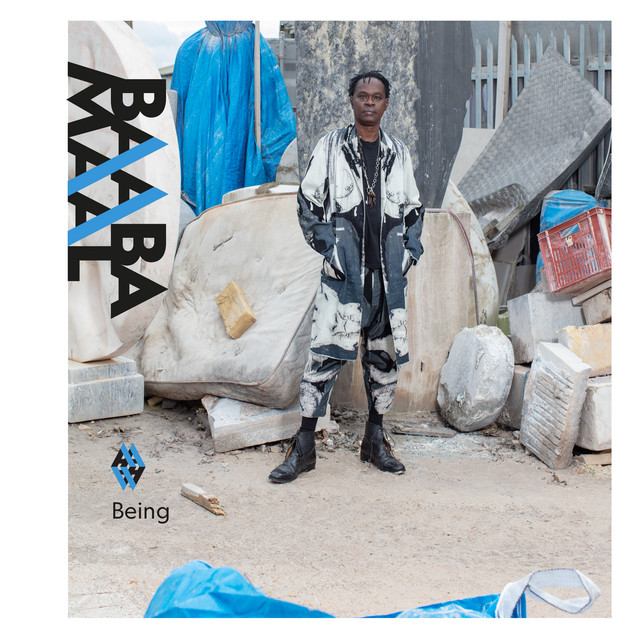
Being
Baaba Maal
Fula Music
Griot
Afro-Jazz
2016
2
/5
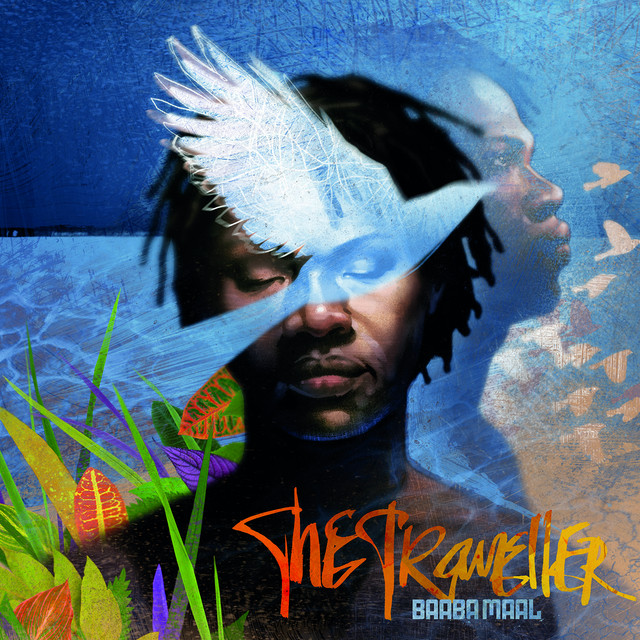
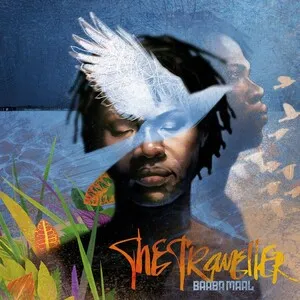
The Traveller
Baaba Maal
Griot
2015
2
/5
Passion Sources
Baaba Maal
Griot
2001
2
/5
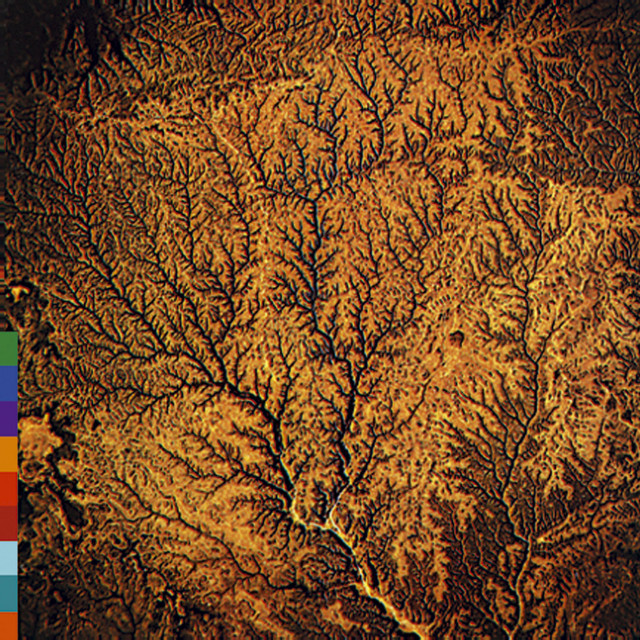
Missing You (Mi Yeewnii)
Baaba Maal
Griot
Mbalax
World
1998
2
/5
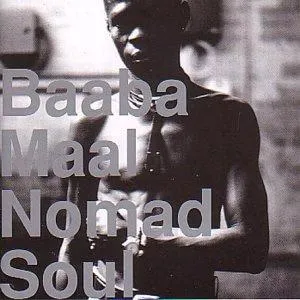
Nomad Soul
Baaba Maal
Fula Music
Downtempo
Electronic
1994
1
/5
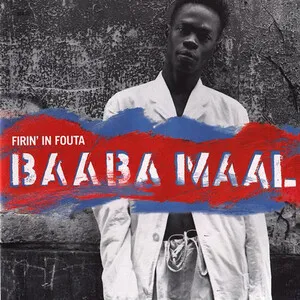
Firin' in Fouta
Baaba Maal
Fula Music
1992
2
/5
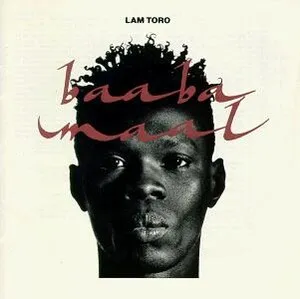
Lam Toro
Baaba Maal
Fula Music
Electronic
Pop
1989
2
/5
Djam Leelii
Baaba Maal & Mansour Seck
Fula Music
Griot
Country Blues
1989
2
/5
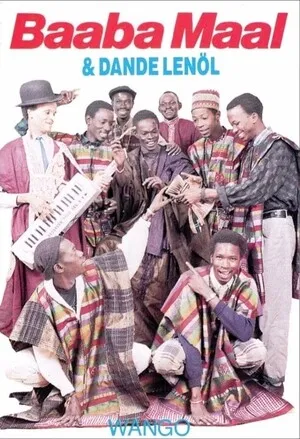
Wango
Baaba Maal
Fula Music
Taara
Baaba Maal
Fula Music
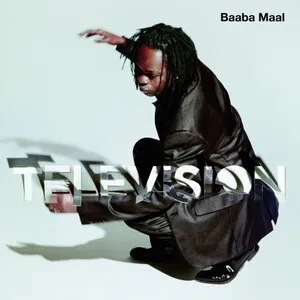
Television
Baaba Maal
Fula Music
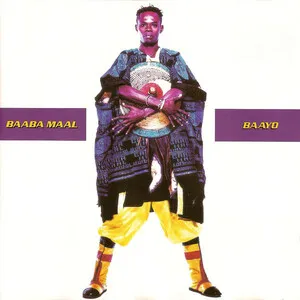
Baayo
Baaba Maal
Fula Music
The Traveller
Baaba Maal
Fula Music
Missing You (Mi Yeewnii)
Baaba Maal
Fula Music
Similar artists
3
/5
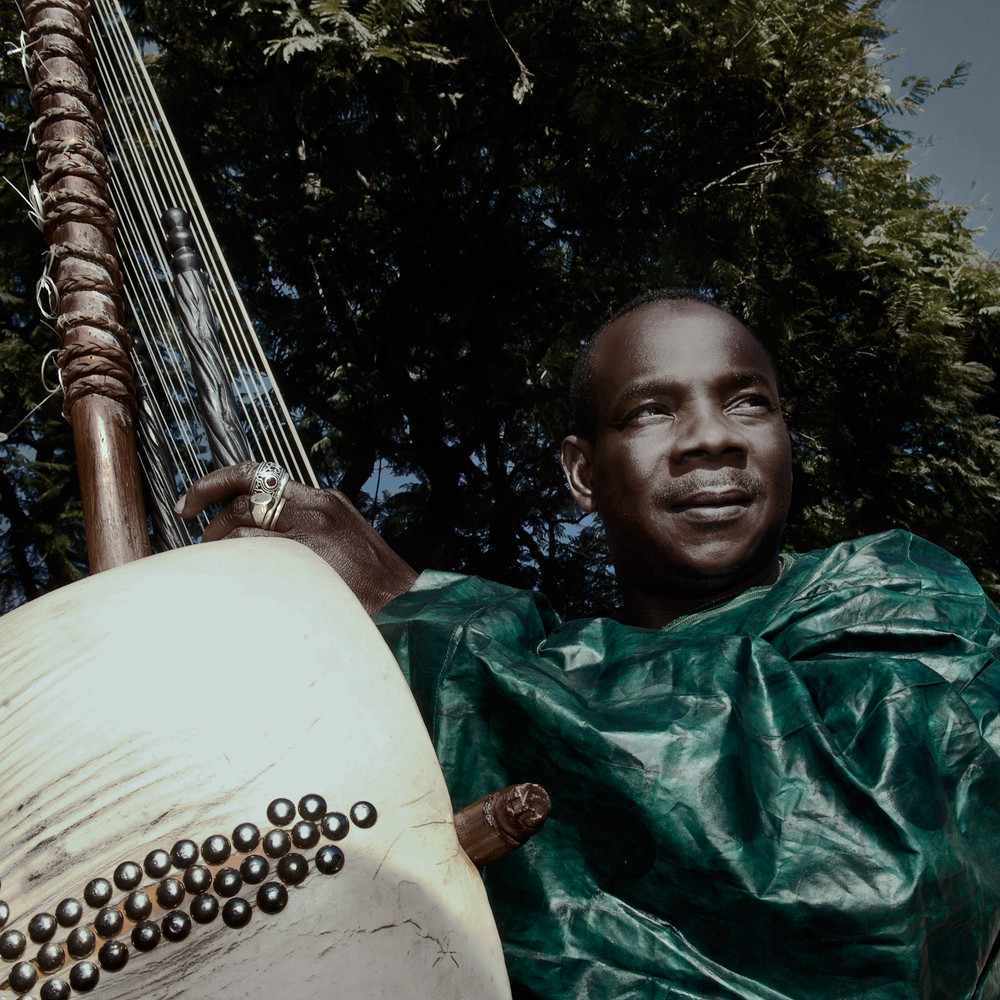
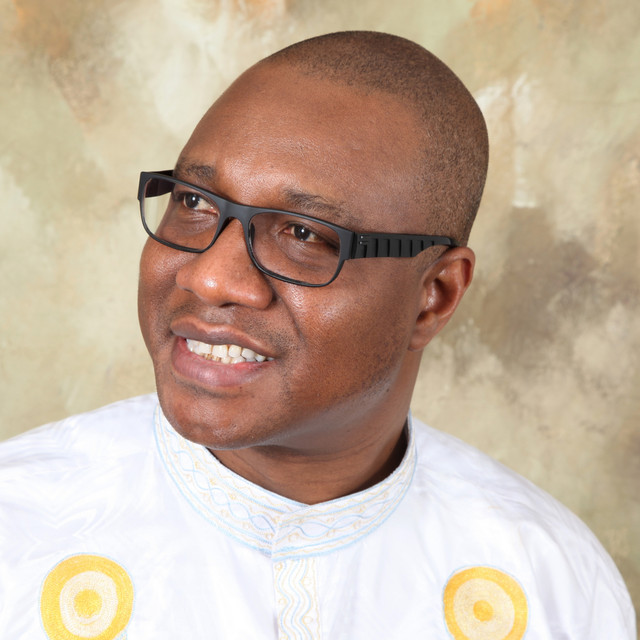
Toumani Diabaté
Griot
Mande Music
World
1
/5
Various Artists
Afro-Funk
Alternative Rock
Ambient
3
/5
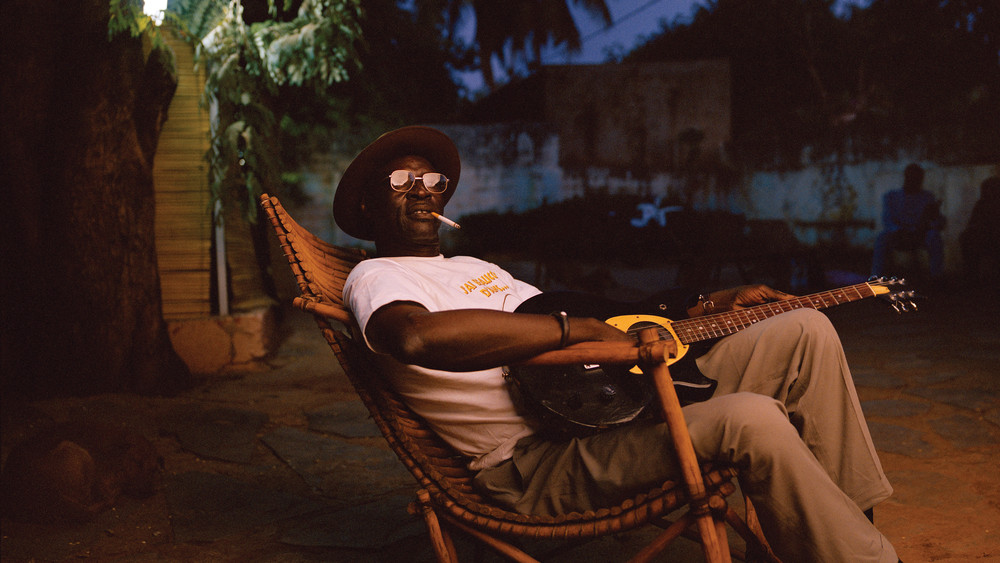
Ali Farka Touré
Songhai Music
Blues
Desert Blues
3
/5
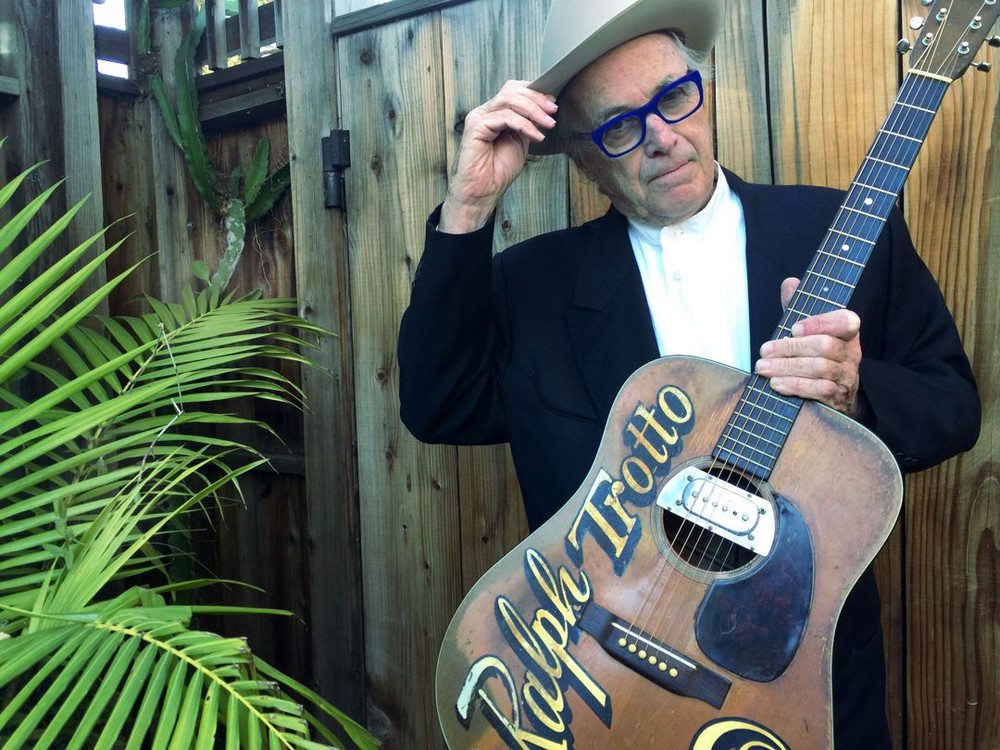
Ry Cooder
Piedmont Blues
Blues
Jazz
1 Giant Leap
Desert Blues
Downtempo
Electronic
3
/5
Sékouba Bambino
Griot
Desert Blues
Kizomba
2
/5
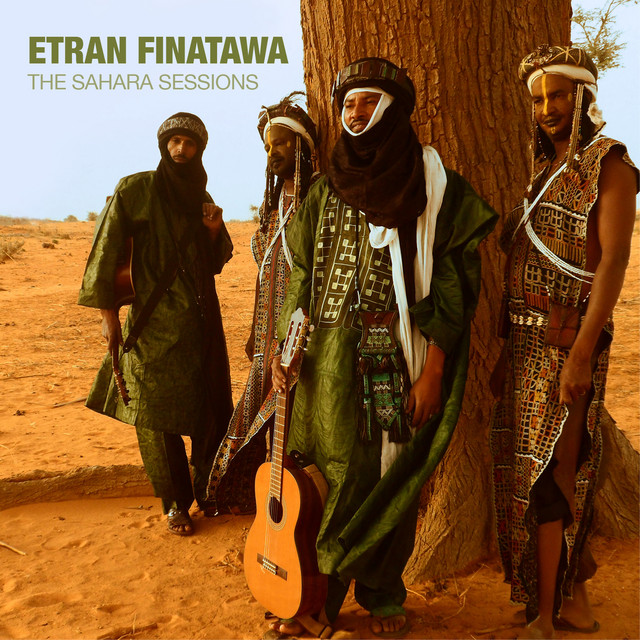
Etran Finatawa
Griot
Tuareg Guitar
Blues
3
/5
Ablaye Cissoko
Griot
Jazz
2
/5
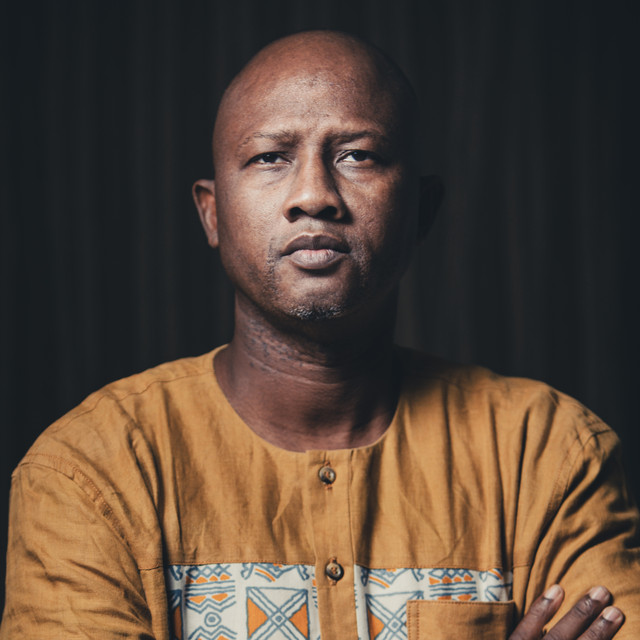
Mamadou Diabaté
Griot
Folk
Jazz
5
/5
Lady Gaga
Pop
Art Pop
Dance-Pop
Download our mobile app
Get the Melodigging app and start digging for new genres on the go
Download on the App Store
Get it on Google Play
© 2026 Melodigging
Give feedback
Legal
Melodding was created as a tribute to
Every Noise at Once
, which inspired us to help curious minds keep digging into music's ever-evolving genres.