Genres
Artists
Albums
Make Music
Sign in
Sign in
Artists
Metal Cover
Artists
Metal Cover
Anthony Vincent
2020
·
1 album
Listen
3
/5
Genres
Zoomergaze
Zoomergaze is a Gen Z, internet-native evolution of shoegaze that fuses the genre’s dense, guitar-washed textures with hyperpop/digicore maximalism and modern trap/emo-rap rhythm programming. It favors blown‑out saturation, brickwalled dynamics, digital clipping, and wide stereo fields, often pairing jet‑engine guitars with 808 subs, jittery hi‑hats, breakbeat flourishes, and intimate, lightly Auto‑Tuned vocals. The mood leans dreamy yet emotionally raw—nostalgic, melancholic, and diaristic—delivered through DIY production that thrives on Bandcamp, SoundCloud, and TikTok discovery. Where classic shoegaze hid the singer in the mix, Zoomergaze keeps the voice present and personal, weaving confessional hooks into shimmering noise and glitchy, internet-era sound design.
Discover
Listen
Dark Disco
Dark disco is a mid‑tempo, nocturnal strain of club music that fuses the hypnotic pulse of disco with the grit of post‑punk, EBM, coldwave, and industrial. It favors ominous basslines, minor‑key harmonies, reverb‑soaked guitars and vocals, and analog synth textures, resulting in a moody, cinematic atmosphere that is equally suited to sweaty basements and late‑night festival stages. Tempos typically sit between 105–120 BPM, with emphasis on groove, tension, and shadowy drama rather than maximal speed or brightness.
Discover
Listen
Dark Trap
Dark trap is a moody, ominous strain of trap characterized by minor‑key melodies, dystopian pads, bell arpeggios, choirs, and cinematic textures laid over hard‑hitting 808s. Producers lean on distorted or saturated sub‑bass, rapid hi‑hat rolls, and halftime drum feels to create a sense of menace and weight. Harmonically it favors natural/harmonic minor, Phrygian, and Phrygian‑dominant colors, with sparse motifs, dissonant intervals, and tension‑building sound design. Vocals often explore themes of nihilism, isolation, urban decay, crime, and horror/occult imagery. Typical tempos sit around 130–150 BPM (felt in halftime around 65–75 BPM), keeping the groove heavy while leaving space for vocals.
Discover
Listen
Nu-Metalcore
Nu‑metalcore (often nicknamed "nu‑core") blends the bounce, hip‑hop inflections, and downtuned groove of late‑1990s nu metal with the breakdown‑heavy aggression and precise syncopation of 2000s metalcore. Expect sharply gated, low‑tuned riffs, halftime drops, and elastic grooves that swing between punchy chugs and percussive, djent‑like accents. Vocals typically jump from harsh screams and pitched‑down growls to rap‑leaning cadences and hooky, melodic choruses. Electronic textures—turntable cuts, glitch edits, sub‑drops, and 808 layers—are common, supporting a glossy yet crushing modern production aesthetic. Lyrically, the style carries nu metal’s confessional angst and social frustration while adopting metalcore’s cathartic intensity and mosh‑centric energy. The result is a contemporary, club‑ready heaviness that feels both nostalgic and forward‑looking.
Discover
Listen
Metal Cover
Metal cover refers to the practice and scene of reinterpreting existing songs in a heavy-metal idiom. Artists take well-known pop, rock, soundtrack, or folk material and reframe it with high-gain guitars, aggressive drums, and metal vocal approaches while preserving the core melody and hooks. Although metal bands have covered songs since metal’s early days, “metal cover” increasingly functions as a distinct, internet-native subculture. It thrives on video platforms and streaming services where creators regularly issue metal versions of current chart hits, film/TV themes, or nostalgic classics, often released with high production values and eye-catching videos. The result balances recognition and reinvention: the familiarity of the original composition paired with the sonic weight, rhythmic drive, and dramatic flair characteristic of metal.
Discover
Listen
Metal
Metal (often used to mean heavy metal in its broad, umbrella sense) is a loud, guitar-driven style of rock defined by high-gain distortion, emphatic and often martial rhythms, and a dense, powerful low end. It foregrounds riff-based songwriting, dramatic dynamics, virtuosic guitar solos, and commanding vocals that range from melodic wails to aggressive snarls and growls. Harmonically, metal favors minor modes, modal color (Aeolian, Phrygian), chromaticism, and tritone-inflected tension, while thematically it explores power, mythology, the occult, social critique, fantasy, and existential subjects. While adjacent to hard rock, metal typically pushes amplification, distortion, precision, and thematic intensity further, forming a foundation for many specialized subgenres.
Discover
Listen
Experimental
Experimental music is an umbrella term for practices that prioritize exploration, process, and discovery over adherence to established genre norms. It embraces new sound sources, nonstandard tuning systems, indeterminacy and chance operations, graphic and open-form scores, extended techniques, and technology-led sound design (tape, electronics, computers, and live processing). Rather than a single style, it is a methodology and ethos: testing hypotheses about sound, structure, and performance, often blurring boundaries between composition, improvisation, sound art, and performance art. Listeners can expect unfamiliar timbres, unusual forms, and an emphasis on how music is made as much as the resulting sound.
Discover
Listen
Rock
Rock is a broad family of popular music centered on amplified instruments, a strong backbeat, and song forms that foreground riffs, choruses, and anthemic hooks. Emerging from mid‑20th‑century American styles like rhythm & blues, country, and gospel-inflected rock and roll, rock quickly expanded in scope—absorbing folk, blues, and psychedelic ideas—while shaping global youth culture. Core sonic markers include electric guitar (often overdriven), electric bass, drum kit emphasizing beats 2 and 4, and emotive lead vocals. Rock songs commonly use verse–chorus structures, blues-derived harmony, and memorable melodic motifs, ranging from intimate ballads to high‑energy, stadium‑sized performances.
Discover
Listen
Show all 8 genres
Albums
2020
Ten Second Songs, Vol. 2
Anthony Vincent
Metal Cover
Similar artists
4
/5
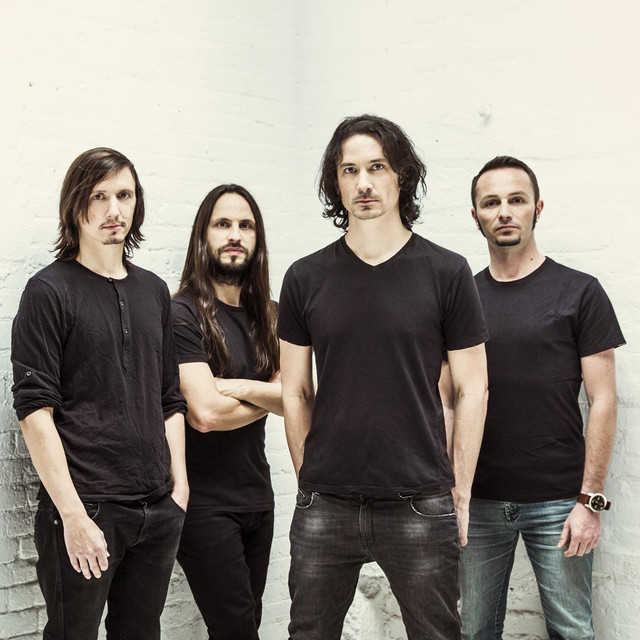
Gojira
French Death Metal
Progressive Groove Metal
Progressive Metal
4
/5
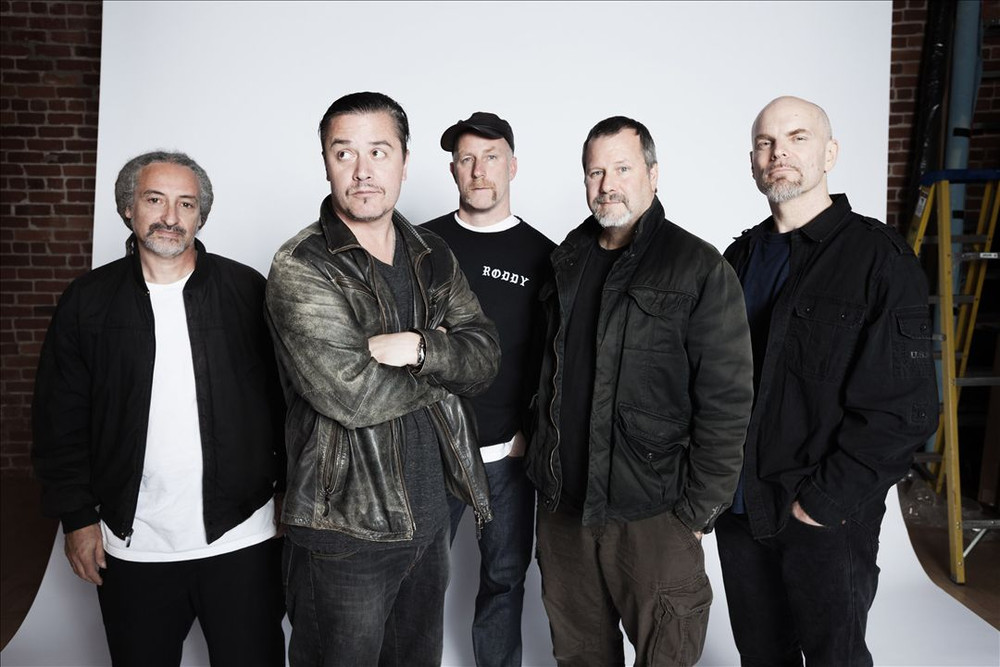
Faith No More
Alternative Metal
Funk Rock
Alternative Rock
3
/5
Meshuggah
Progressive Groove Metal
Technical Groove Metal
Technical Thrash
3
/5
Silent Planet
Christian Metalcore
Progressive Metalcore
Metalcore
3
/5
Zeal & Ardor
Avant-Garde Metal
Black Metal
Rock
3
/5
Boris
Drone Metal
Stoner Metal
Drone
3
/5
Mike Patton
Avant-Garde
Experimental
Noise
3
/5
Devin Townsend Project
Djent
Metal
Progressive Metal
3
/5
MASTER BOOT RECORD
Chiptune
Darksynth
Cyber Metal
3
/5
We Butter The Bread With Butter
Deathcore
Metalcore
Electronicore
Download our mobile app
Get the Melodigging app and start digging for new genres on the go
Download on the App Store
Get it on Google Play
© 2026 Melodigging
Give feedback
Legal
Melodding was created as a tribute to
Every Noise at Once
, which inspired us to help curious minds keep digging into music's ever-evolving genres.