Genres
Artists
Albums
Make Music
Sign in
Sign in
Artists
Forró
Artists
Forró
Alceu Valença
1972–2024
·
9 albums
Listen
4
/5
Genres
Talentos Brasileiros
Talentos brasileiros refers to the ecosystem of Brazilian television and digital talent shows that spotlight versatile vocalists and bands performing highly polished covers and showcase pieces. The sound blends global pop and R&B stagecraft with distinctly Brazilian repertoires such as MPB (Música Popular Brasileira), sertanejo, samba-pop, and contemporary gospel. Arrangements typically feature key changes, dramatic builds, and concise, TV-ready forms—often medleys—that foreground emotive lead vocals, tight backing bands, and cinematic production. While contestants reinterpret international hits, they frequently localize phrasing and groove, bring Portuguese-language lyricism to the fore, and insert regional color into harmony and rhythm. The result is a performance-forward style: technically demanding vocals, crowd-pleasing climaxes, and refined orchestration that translate well to broadcast, arenas, and streaming. Alumni often transition into Brazil’s mainstream pop, sertanejo, and gospel markets, turning short-form TV moments into sustainable recording careers.
Discover
Listen
Neo-Psicodelia Brasileira
Neo-psicodelia brasileira (Brazilian neo-psychedelia) is a contemporary wave of Brazilian artists who revive and reinvent classic 1960s/70s psychedelic aesthetics through today’s indie-rock, dream-pop, shoegaze, and experimental production. Marked by shimmering guitars drenched in reverb and fuzz, hypnotic grooves that often nod to Brazilian rhythmic DNA (from Tropicália’s eclecticism to samba, baião, and maracatu pulses), and kaleidoscopic synth textures, the style pairs vintage tones with modern bedroom-studio craft. Portuguese lyrics frequently blend surreal imagery with everyday urban poetics, creating a sound that is at once nostalgic and forward-looking. This scene flourished around DIY venues, independent labels, and digital communities across Brazil, with a particularly strong footprint in cities like São Paulo, Goiânia, Belo Horizonte, and Recife. The result is a colorful, exploratory ecosystem that treats psychedelia not as pure retro revival but as a living vocabulary.
Discover
Listen
Funk De Bh
Funk de BH (Belo Horizonte) is a regional strain of Brazilian funk that crystallized in Minas Gerais’ capital during the 2010s. It takes the party-ready DNA of funk brasileiro and pares it down to a darker, more hypnotic, bass‑led minimalism. Compared with Rio’s tamborzão-driven euphoria or São Paulo’s ostentação flash, Funk de BH emphasizes sub‑heavy 808s, sparse percussion, and chant‑like vocals that feel intimate and street‑level. The result is a moody, rolling groove aimed equally at neighborhood bailes and car‑sound (“som de carro”) culture, with lyrics that swing between hedonistic party themes, everyday hustle, and local pride.
Discover
Listen
Trap Carioca
Trap carioca is a Rio de Janeiro–rooted branch of Brazilian trap that fuses the half‑time 808 power of U.S. trap with the swing, percussion accents, and party ethos of funk carioca. Built on booming 808 sub‑bass, triplet hi‑hats, and minor‑key loops, it often layers or references the tamborzão and other baile funk drum idioms, local slang, and narratives of favela life, hustle, style, and romance. The result is a gritty yet polished sound that can slide between cold, nocturnal menace and swaggering dance energy, reflecting Rio’s street reality and club culture.
Discover
Listen
Udigrudi
Udigrudi (a Brazilian phonetic take on “underground”) is a 1970s countercultural music scene centered in Recife/Olinda, Pernambuco, that blended Northeastern Brazilian folk rhythms with psychedelic rock, progressive experiments, and acoustic pastoralism. Defined by a fiercely DIY ethos, small independent pressings (often at the Rozenblit studio/plant), and a communal creative spirit, the music merges maracatu, baião, frevo, coco, and forró with fuzzed guitars, modal acoustic jams, flutes/pífanos, rabeca, and spacious tape-echo reverbs. Lyrics frequently evoke regional imagery, mysticism, and surrealism, giving the records a trippy, rustic, and distinctly Pernambucan identity.
Discover
Listen
Mpb
MPB (Música Popular Brasileira) is a broad Brazilian popular music movement that crystallized in the mid-1960s after bossa nova. It blends samba and other regional rhythms with jazz harmony, singer‑songwriter craft, and elements of contemporary pop and rock. The style is marked by sophisticated melodies, extended harmonies, inventive arrangements, and lyrically rich songs that often use poetry and metaphor. Many classic MPB works balance intimacy (voice and violão/nylon‑string guitar) with lush studio orchestration, drawing from samba‑canção, choro, baião, and frevo while engaging modern influences. Historically, MPB provided a platform for social commentary during Brazil’s military dictatorship, with artists employing allegory to navigate censorship. It remains a living tradition that continually renews itself through new generations (“nova MPB”).
Discover
Listen
Progressive Folk
Progressive folk is a strand of folk music that adopts the exploratory spirit, extended forms, and harmonic richness of progressive rock and jazz while remaining rooted in traditional songcraft and acoustic timbres. It favors modal melodies, intricate fingerpicking, and unusual time signatures, often weaving together British and Celtic folk idioms with classical and jazz-informed arrangements. Compared with straight folk or folk rock, progressive folk is more ambitious in structure: suites, long-form ballads, and thematic albums are common. Lyrically it ranges from pastoral and mythical to philosophical and introspective, and it frequently experiments with instrumentation (e.g., dulcimer, sitar, harp, early music winds) and layered vocal counterpoint. The result is music that feels both ancient and modern—earthy yet expansive.
Discover
Listen
Psychedelic Folk
Psychedelic folk (often called acid folk or psych folk) blends the acoustic intimacy and modal harmony of traditional folk with the exploratory textures, surreal lyricism, and studio experimentation of psychedelic music. It typically favors acoustic guitars, hand percussion, flutes, drones (e.g., tambura or harmonium), and small acoustic instruments, while embracing effects such as reverb, delay, tape manipulation, field recordings, and unconventional song structures. Lyrics tend toward the pastoral, mystical, and dreamlike—drawing on folklore, nature, and visionary or inward-looking themes. Musically, it often uses modal melodies (Dorian, Mixolydian), drones, fingerstyle guitar in open tunings, and hypnotic ostinatos, creating a hazy, otherworldly atmosphere that sits between singer‑songwriter intimacy and psychedelic exploration.
Discover
Listen
Singer-Songwriter
Singer-songwriter is a song-focused style in which the same person writes, composes, and performs their own material, often accompanying themselves on acoustic guitar or piano. It emphasizes personal voice, lyrical intimacy, and storytelling over elaborate production. Arrangements are typically sparse, allowing the melody, words, and performance nuance to carry the song’s emotional weight. While rooted in folk and blues traditions, singer-songwriter embraces pop and rock songcraft, producing works that can range from quiet confessional ballads to subtly orchestrated, radio-ready pieces.
Discover
Listen
Pop
Pop is a broad, hook-driven style of popular music designed for wide appeal. It emphasizes memorable melodies, concise song structures, polished vocals, and production intended for radio, charts, and mass media. While pop continually absorbs elements from other styles, its core remains singable choruses, accessible harmonies, and rhythmic clarity. Typical forms include verse–pre-chorus–chorus, frequent use of bridges and middle-eights, and ear-catching intros and outros. Pop is not defined by a single instrumentation. It flexibly incorporates acoustic and electric instruments, drum machines, synthesizers, and increasingly digital production techniques, always in service of the song and the hook.
Discover
Listen
Forró
Forró is a popular dance-music tradition from Brazil’s Northeast, centered on the trio of accordion (sanfona), zabumba (bass/tenor drum), and triangle. It encompasses a family of rhythms—most notably baião, xote, arrasta-pé, and xaxado—and is performed for partner dancing at parties and the June festivals (Festas Juninas). The style balances infectious, syncopated grooves with singable melodies and simple, diatonic harmony. Lyrically, forró often celebrates rural life, love, longing (saudade), and the culture of the sertão. Over time, it has branched into substyles ranging from the acoustic, rootsy pé-de-serra to modern, amplified and electronic variants.
Discover
Listen
Traditional Forró
Traditional forró (forró pé-de-serra) is the acoustic, roots form of Northeastern Brazilian dance music built around the trio of accordion (sanfona), zabumba (flat bass drum), and triangle. It brings together several regional rhythms—chiefly baião, xote, xaxado, and arrasta-pé—under one dance-floor–oriented practice. Melodies are led by the accordion, the zabumba drives a distinctive two-voice groove (low thump plus high rim-click), and the triangle provides a bright, continuous shimmer. Lyrics often celebrate the sertão (semi-arid backlands), festas juninas (June festivals), love, migration, and daily life, mixing humor with saudade. The feel is earthy and communal, meant for partner dance and social gatherings.
Discover
Listen
Latin
Latin (as a genre label) is a broad umbrella used by the recording industry to categorize popular music rooted in Latin America, the Caribbean, and the Iberian world, often characterized by syncopated Afro-diasporic rhythms, dance-forward grooves, and lyrics primarily in Spanish or Portuguese. As a marketplace category that took shape in the mid-20th century United States, it gathers diverse traditions—Afro-Cuban, Brazilian, Mexican, and Caribbean styles—into a shared space. In practice, "Latin" spans everything from big-band mambo and bolero ballads to contemporary pop, rock, hip hop, and dance fusions produced by artists of Latin American heritage.
Discover
Listen
Northeastern Brazilian Music
Northeastern Brazilian music is an umbrella for the rich, dance‑driven and song‑centered traditions from Brazil’s Nordeste, spanning rural sertão sounds and vibrant coastal carnival repertoires. It gathers matrix styles such as forró (and its substyles baião, xote, xaxado), coco and embolada (repente), maracatu, frevo, ciranda, and more. Characterized by propulsive percussion (zabumba, alfaia, pandeiro), bright timbres (triangle, brass), and the signature diatonic accordion (sanfona), the region’s music balances joyous, communal dance grooves with lyrical narratives about sertão life, migration, love, drought, and resilience. Its rhythmic DNA mixes Portuguese dance forms with Afro‑Brazilian and Indigenous elements, producing syncopated two‑step feels and carnival‑ready cadences. From the early 20th century radio era to contemporary pop and hip‑hop fusions, Northeastern styles have continually refreshed Brazilian music at large, informing MPB, axé, and the Recife‑born mangue beat while sustaining strong local dance and festival circuits.
Discover
Listen
Frevo
Frevo is a fast, brass-driven carnival music from Pernambuco, Brazil, especially associated with the cities of Recife and Olinda. It is characterized by dazzling, syncopated melodies, staccato horn lines, and relentless 2/4 rhythmic propulsion that inspires acrobatic dance steps performed by passistas with small, colorful umbrellas. The genre encompasses several substyles: Frevo de Rua (instrumental, brass-band led), Frevo de Bloco (choral/string-led, often more lyrical), Frevo-Canção (song form with solo vocals), and Frevo Elétrico (amplified, trio-elétrico format). In 2012, frevo was inscribed by UNESCO as Intangible Cultural Heritage, underscoring its deep cultural significance to Brazil’s carnival traditions.
Discover
Listen
Xote
Xote is a Brazilian partner-dance rhythm and song style from the Northeast that descends from the European schottische. In Brazil it became one of the core rhythms grouped under the umbrella of forró, alongside baião and arrasta-pé. Typically set in 2/4 (often felt in a relaxed 4/4), xote features moderate tempos, lilting syncopation, and a smooth, swaying groove designed for close-hold dancing. The hallmark trio—accordion (sanfona), zabumba (bass drum), and triangle—anchors the sound, with acoustic guitar and bass frequently added. Harmonies are diatonic and song forms are verse–refrain, carrying lyrical themes of romance, saudade, everyday life, and the festas juninas (June festivals). While its roots are 19th‑century European ballroom, xote’s phrasing, accents, and instrumentation were reshaped by Northeastern Brazilian practice, producing a distinctly regional style that thrives in both traditional pé‑de‑serra settings and contemporary pop-forró interpretations.
Discover
Listen
Maracatu
Maracatu is an Afro-Brazilian processional music and performance tradition from Pernambuco, centered on powerful, polyrhythmic percussion and call-and-response song. It exists in two main forms: Maracatu Nação (also called maracatu de baque virado), associated with the historic coronation ceremonies of the "Rei e Rainha do Congo" (King and Queen of Congo) in Recife and Olinda; and Maracatu Rural (maracatu de baque solto), linked to the sugarcane zone (Zona da Mata) and famous for its costumed caboclos de lança. Both forms combine African-derived drumming, Portuguese processional pageantry, and local popular poetry to create an epic, ceremonial groove that animates Carnival and community celebrations. The core sound is driven by alfaias (large rope-tuned bass drums), caixas/tarois (snares), gonguê (iron bell), agbês/xequerês (gourd shakers), and ganzás/mineiros (metal shakers). Vocals are led by a puxador (lead singer) with a chorus, delivering toadas (songs) that praise the nation, invoke spiritual lineages, and comment on community life.
Discover
Listen
Show all 17 genres
Albums
2024
2
/5
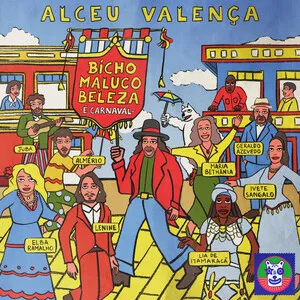
Bicho maluco beleza - É carnaval
Alceu Valença
Frevo
2016
4
/5
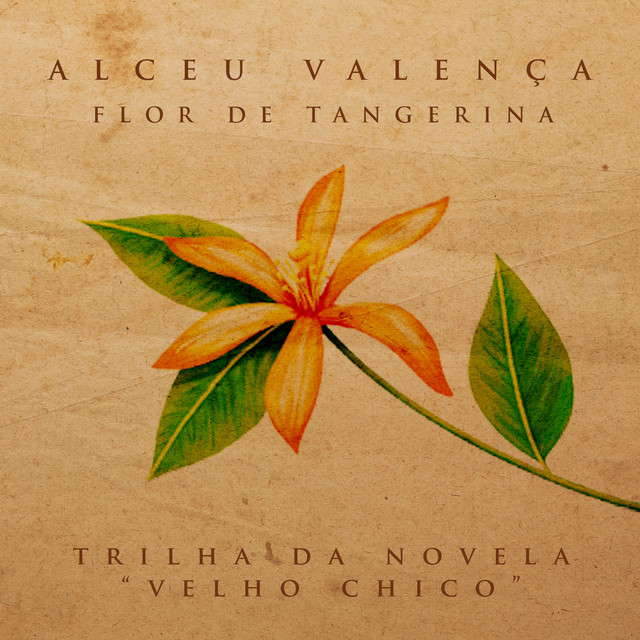
Flor de Tangerina - Single
Alceu Valença
Mpb
Forró
2014
2
/5
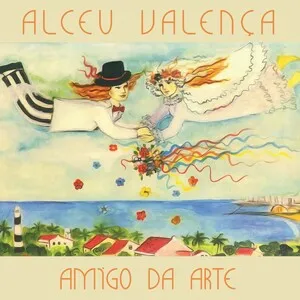
Amigo da arte
Alceu Valença
Frevo
Latin
Mpb
1998
3
/5
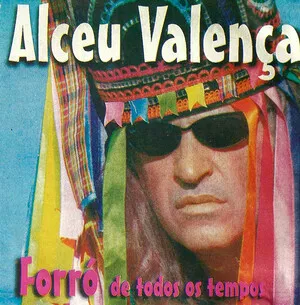
Forró de todos os tempos
Alceu Valença
Xote
1994
2
/5
Maracatus, Batuques e Ladeiras
Alceu Valença
Maracatu
Forró
1980
3
/5
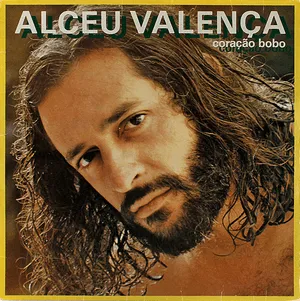
Coração bobo
Alceu Valença
Forró
1977
2
/5
Espelho cristalino
Alceu Valença
Udigrudi
Northeastern Brazilian Music
Progressive Folk
1974
2
/5
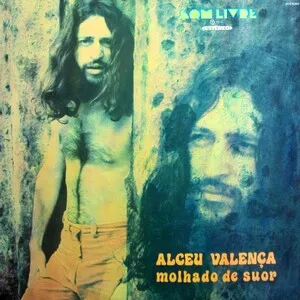
Molhado de suor
Alceu Valença
Udigrudi
Northeastern Brazilian Music
1972
2
/5
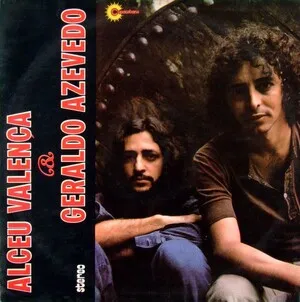
Alceu Valença & Geraldo Azevedo
Alceu Valença & Geraldo Azevedo
Udigrudi
Northeastern Brazilian Music
Similar artists
3
/5
Elba Ramalho
Forró
Frevo
Mpb
4
/5
Zé Ramalho
Sertanejo Tradicional
Northeastern Brazilian Music
Brazilian Folk Music
3
/5
Geraldo Azevedo
Forró
Mpb
Traditional Forró
2
/5
Joao Do Vale
Baião
Forró
Mpb
4
/5
Luiz Gonzaga
Baião
Forró
Xote
3
/5
Dominguinhos
Forró
Baião
Mpb
3
/5
Chico César
Mpb
Forró
Traditional Forró
3
/5
Clara Nunes
Afoxê
Axé
Forró
2
/5
Banda De Pau E Corda
Cantoria
Maracatu
Forró
2
/5
Cátia de França
Baião
Brazilian Music
Mpb
Download our mobile app
Get the Melodigging app and start digging for new genres on the go
Download on the App Store
Get it on Google Play
© 2026 Melodigging
Give feedback
Legal
Melodding was created as a tribute to
Every Noise at Once
, which inspired us to help curious minds keep digging into music's ever-evolving genres.