Genres
Artists
Albums
Make Music
Sign in
Sign in
Artists
Forró
Artists
Forró
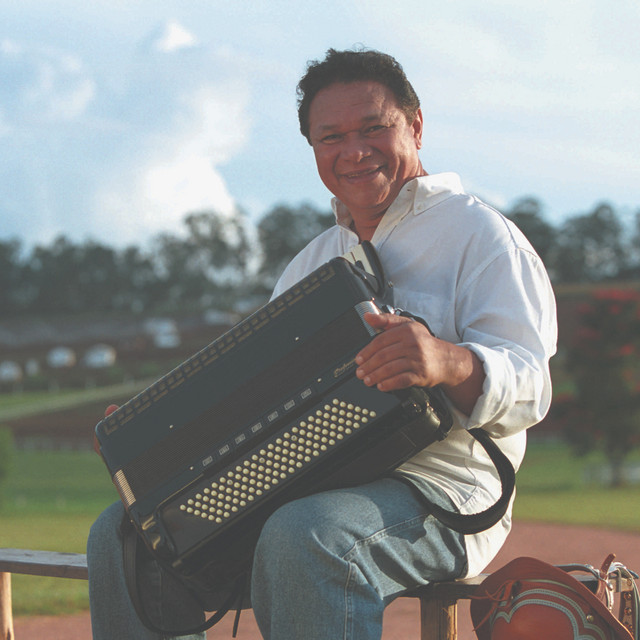
Dominguinhos
1964–2010
·
8 albums
Listen
3
/5
Genres
New Mpb
New MPB (Nova Música Popular Brasileira in English usage) is a 2010s–2020s wave that refreshes classic MPB’s songwriting craft with indie, R&B, hip‑hop, and electronic production. It keeps the genre’s hallmark: sophisticated harmony, intimate vocals, and poetry‑forward lyrics in Portuguese. Sonically, you’ll hear nylon‑string guitars and Rhodes pianos beside drum machines, 808s, and warm synths. Rhythms nod to samba, bossa nova, baião, and funk carioca while embracing modern pop swing and hip‑hop backbeats. The result is stylish, urban, and contemporary—romantic and reflective, yet danceable and groove‑savvy.
Discover
Listen
Mpb
MPB (Música Popular Brasileira) is a broad Brazilian popular music movement that crystallized in the mid-1960s after bossa nova. It blends samba and other regional rhythms with jazz harmony, singer‑songwriter craft, and elements of contemporary pop and rock. The style is marked by sophisticated melodies, extended harmonies, inventive arrangements, and lyrically rich songs that often use poetry and metaphor. Many classic MPB works balance intimacy (voice and violão/nylon‑string guitar) with lush studio orchestration, drawing from samba‑canção, choro, baião, and frevo while engaging modern influences. Historically, MPB provided a platform for social commentary during Brazil’s military dictatorship, with artists employing allegory to navigate censorship. It remains a living tradition that continually renews itself through new generations (“nova MPB”).
Discover
Listen
Música Gaúcha
Música gaúcha is the traditional and popular music associated with the gaúcho culture of Rio Grande do Sul, in southern Brazil. It draws on the shared Pampa heritage with neighboring Argentina and Uruguay, blending dance rhythms such as vaneira/vanerão, xote (schottische), milonga, chamamé, bugio, and fandango. The style foregrounds accordion (gaita-ponto/accordion) and guitar, with simple, dance-led harmonies and strong, memorable melodies. Lyrics celebrate rural life, horseback culture, chimarrão (mate), the open plains, regional identity, and nostalgia for the campo, often using local vocabulary and occasional Spanishisms. While rooted in folk tradition, música gaúcha has developed a vigorous professional scene with dance bands, festival circuits, and virtuoso instrumentalists, making it both a living heritage and a contemporary, dance-floor-ready genre.
Discover
Listen
Southern Brazilian Music
Southern Brazilian music is an umbrella for the folk and dance traditions from Brazil’s southern states (Rio Grande do Sul, Santa Catarina, and Paraná), especially the gaúcho/nativista repertoire found in bailes and CTGs (Centros de Tradições Gaúchas). It blends borderland idioms such as milonga, chamamé, vaneira/vanerão, xote, rancheira, bugio, and chamarrita with European immigrant dances (polka, schottische) and the Hispanic-Rioplatense lineage (tango/milonga, payada), typically led by accordion (gaita-ponto) and guitar. Characterized by strong dance grooves in 2/4, catchy accordion melodies, and lyrics celebrating the pampas, horse culture, and everyday rural life, it ranges from reflective ballads (milonga) to energetic dance numbers (vanerão and vaneira) performed by conjuntos de baile and festival acts.
Discover
Listen
Forró
Forró is a popular dance-music tradition from Brazil’s Northeast, centered on the trio of accordion (sanfona), zabumba (bass/tenor drum), and triangle. It encompasses a family of rhythms—most notably baião, xote, arrasta-pé, and xaxado—and is performed for partner dancing at parties and the June festivals (Festas Juninas). The style balances infectious, syncopated grooves with singable melodies and simple, diatonic harmony. Lyrically, forró often celebrates rural life, love, longing (saudade), and the culture of the sertão. Over time, it has branched into substyles ranging from the acoustic, rootsy pé-de-serra to modern, amplified and electronic variants.
Discover
Listen
Baião
Baião is a dance rhythm and song genre from Northeastern Brazil, characterized by a driving 2/4 groove led by the trio pé-de-serra: accordion (sanfona), zabumba (a double-headed bass drum), and triangle. Its hallmark is the syncopated interplay between the zabumba’s low and high strokes, a shimmering triangle ostinato, and accordion melodies that alternate between earthy, modal flavors and bright, diatonic hooks. Developed in rural contexts and urbanized on Brazilian radio, baião became a foundational pillar for the broader forró scene. Lyrically, classic baiões often reflect the sertão (semi-arid hinterland), drought, migration, longing (saudade), and everyday love and humor. The style’s compact harmonies, strong groove, and memorable refrains helped it travel far beyond its region, shaping Brazilian popular music for decades.
Discover
Listen
Traditional Forró
Traditional forró (forró pé-de-serra) is the acoustic, roots form of Northeastern Brazilian dance music built around the trio of accordion (sanfona), zabumba (flat bass drum), and triangle. It brings together several regional rhythms—chiefly baião, xote, xaxado, and arrasta-pé—under one dance-floor–oriented practice. Melodies are led by the accordion, the zabumba drives a distinctive two-voice groove (low thump plus high rim-click), and the triangle provides a bright, continuous shimmer. Lyrics often celebrate the sertão (semi-arid backlands), festas juninas (June festivals), love, migration, and daily life, mixing humor with saudade. The feel is earthy and communal, meant for partner dance and social gatherings.
Discover
Listen
Latin
Latin (as a genre label) is a broad umbrella used by the recording industry to categorize popular music rooted in Latin America, the Caribbean, and the Iberian world, often characterized by syncopated Afro-diasporic rhythms, dance-forward grooves, and lyrics primarily in Spanish or Portuguese. As a marketplace category that took shape in the mid-20th century United States, it gathers diverse traditions—Afro-Cuban, Brazilian, Mexican, and Caribbean styles—into a shared space. In practice, "Latin" spans everything from big-band mambo and bolero ballads to contemporary pop, rock, hip hop, and dance fusions produced by artists of Latin American heritage.
Discover
Listen
Northeastern Brazilian Music
Northeastern Brazilian music is an umbrella for the rich, dance‑driven and song‑centered traditions from Brazil’s Nordeste, spanning rural sertão sounds and vibrant coastal carnival repertoires. It gathers matrix styles such as forró (and its substyles baião, xote, xaxado), coco and embolada (repente), maracatu, frevo, ciranda, and more. Characterized by propulsive percussion (zabumba, alfaia, pandeiro), bright timbres (triangle, brass), and the signature diatonic accordion (sanfona), the region’s music balances joyous, communal dance grooves with lyrical narratives about sertão life, migration, love, drought, and resilience. Its rhythmic DNA mixes Portuguese dance forms with Afro‑Brazilian and Indigenous elements, producing syncopated two‑step feels and carnival‑ready cadences. From the early 20th century radio era to contemporary pop and hip‑hop fusions, Northeastern styles have continually refreshed Brazilian music at large, informing MPB, axé, and the Recife‑born mangue beat while sustaining strong local dance and festival circuits.
Discover
Listen
Marchinha
Marchinha (marchinha de carnaval) is the classic, breezy song form of Brazil’s Carnival, especially associated with Rio de Janeiro’s street festivities. It is light, catchy, and built for mass singalongs, typically set in a jaunty 2/4 march pulse with simple, diatonic harmonies and a memorable refrain (estribilho). Lyrics are humorous, satirical, and playful—full of puns, double entendres, and topical references—inviting call-and-response between band and crowd. Instrumentation draws on small brass/woodwind bands (banda de coreto) plus percussion, creating an upbeat, processional feel designed for dancing in blocos and parades.
Discover
Listen
Choro
Choro is an urban Brazilian instrumental genre that arose in Rio de Janeiro in the late 19th century. It blends European dance forms (polka, schottische, waltz, mazurka) with Afro-Brazilian rhythmic sensibilities from styles like lundu and early maxixe, producing a supple, highly syncopated groove. Typical choro ensembles (regionais) feature a lead melodic instrument—often flute, clarinet, or bandolim (mandolin)—supported by cavaquinho and 6-string guitar for harmony, a 7‑string guitar providing counter-melodic bass lines (baixarias), and pandeiro for light percussion. Pieces commonly use multi-strain forms (e.g., AABBACCA), incorporate modulations, and encourage melodic variations and counterpoint rather than long harmonic solos. The result is music that is both virtuosic and lyrical, at once salon-refined and street-savvy.
Discover
Listen
Xote
Xote is a Brazilian partner-dance rhythm and song style from the Northeast that descends from the European schottische. In Brazil it became one of the core rhythms grouped under the umbrella of forró, alongside baião and arrasta-pé. Typically set in 2/4 (often felt in a relaxed 4/4), xote features moderate tempos, lilting syncopation, and a smooth, swaying groove designed for close-hold dancing. The hallmark trio—accordion (sanfona), zabumba (bass drum), and triangle—anchors the sound, with acoustic guitar and bass frequently added. Harmonies are diatonic and song forms are verse–refrain, carrying lyrical themes of romance, saudade, everyday life, and the festas juninas (June festivals). While its roots are 19th‑century European ballroom, xote’s phrasing, accents, and instrumentation were reshaped by Northeastern Brazilian practice, producing a distinctly regional style that thrives in both traditional pé‑de‑serra settings and contemporary pop-forró interpretations.
Discover
Listen
Show all 12 genres
Albums
2010
2
/5
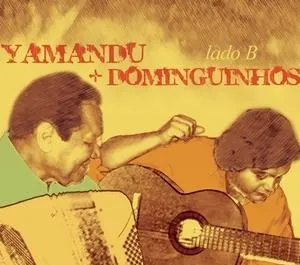
Lado B - Yamandu + Dominguinhos
Yamandu Costa & Dominguinhos
Música Gaúcha
Southern Brazilian Music
2007
2
/5
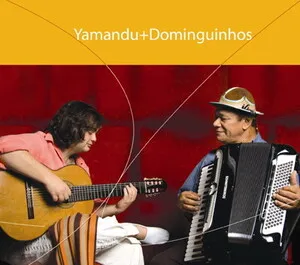
Yamandu + Dominguinhos
Yamandu Costa & Dominguinhos
Música Gaúcha
Southern Brazilian Music
1976
2
/5
Domingo menino Dominguinhos
Dominguinhos
Forró
Baião
Northeastern Brazilian Music
1964
1
/5
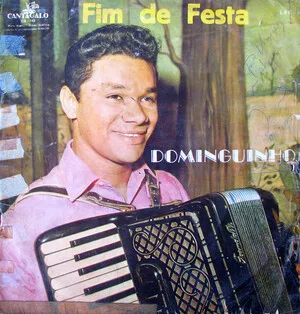
Fim de festa
Dominguinhos
Marchinha
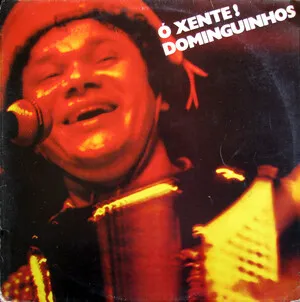
Ó xente! Dominguinhos
Dominguinhos
Xote
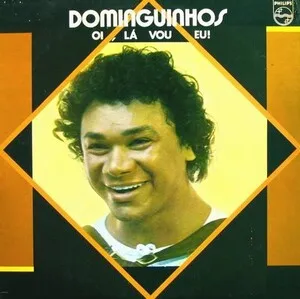
Oi, lá vou eu!
Dominguinhos
Baião
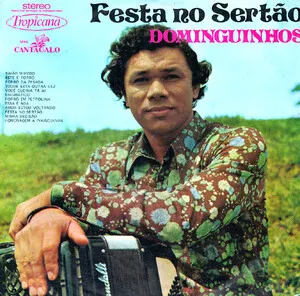
Festa no sertão
Dominguinhos
Forró
Oi, lá vou eu!
Dominguinhos
Forró
Similar artists
4
/5
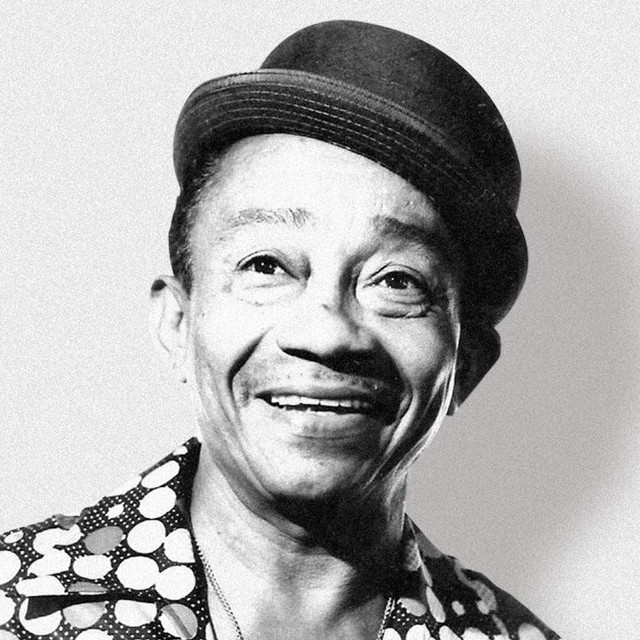
Luiz Gonzaga
Baião
Forró
Xote
2
/5
Quinteto Violado
Baião
Forró
Mpb
4
/5
Alceu Valença
Forró
Mpb
Northeastern Brazilian Music
2
/5
Joao Do Vale
Baião
Forró
Mpb
3
/5
Elba Ramalho
Forró
Frevo
Mpb
2
/5
Jackson Do Pandeiro
Forró
Coco
Samba
1
/5
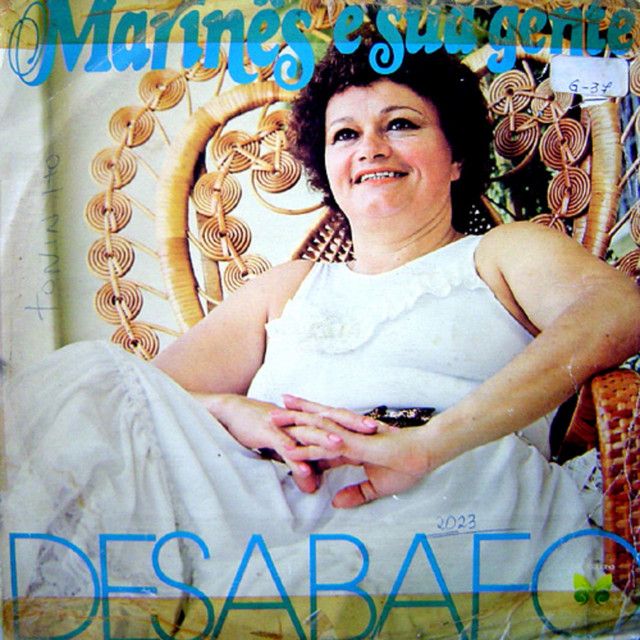
Marinês
Forró
Traditional Forró
Xaxado
4
/5
Jota.pê
Forró
Mpb
Traditional Forró
4
/5
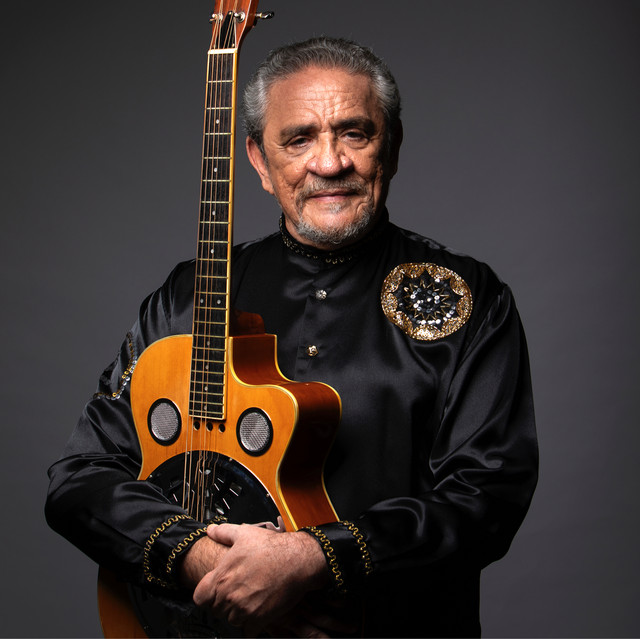
Zé Ramalho
Sertanejo Tradicional
Northeastern Brazilian Music
Brazilian Folk Music
4
/5
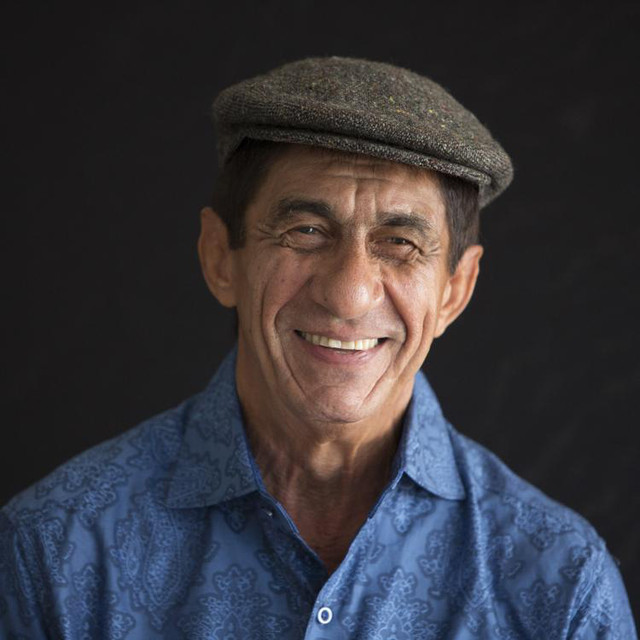
Fagner
Brega
Forró
Mpb
Download our mobile app
Get the Melodigging app and start digging for new genres on the go
Download on the App Store
Get it on Google Play
© 2026 Melodigging
Give feedback
Legal
Melodding was created as a tribute to
Every Noise at Once
, which inspired us to help curious minds keep digging into music's ever-evolving genres.