Your digging level for this genre

0/8
🏆
Sign in, then listen to this genre to level up

Description

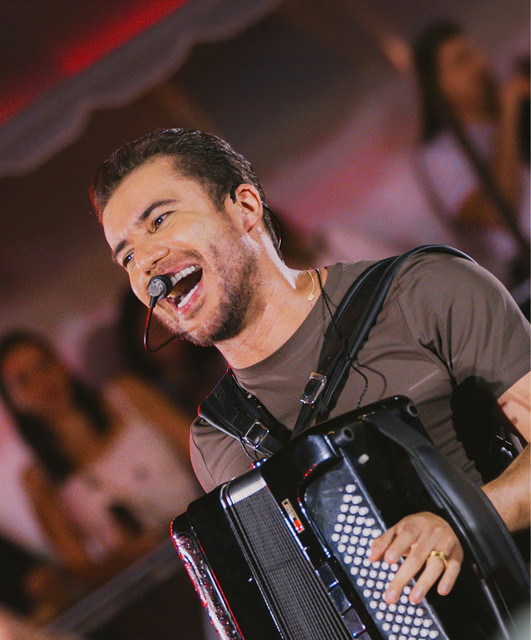
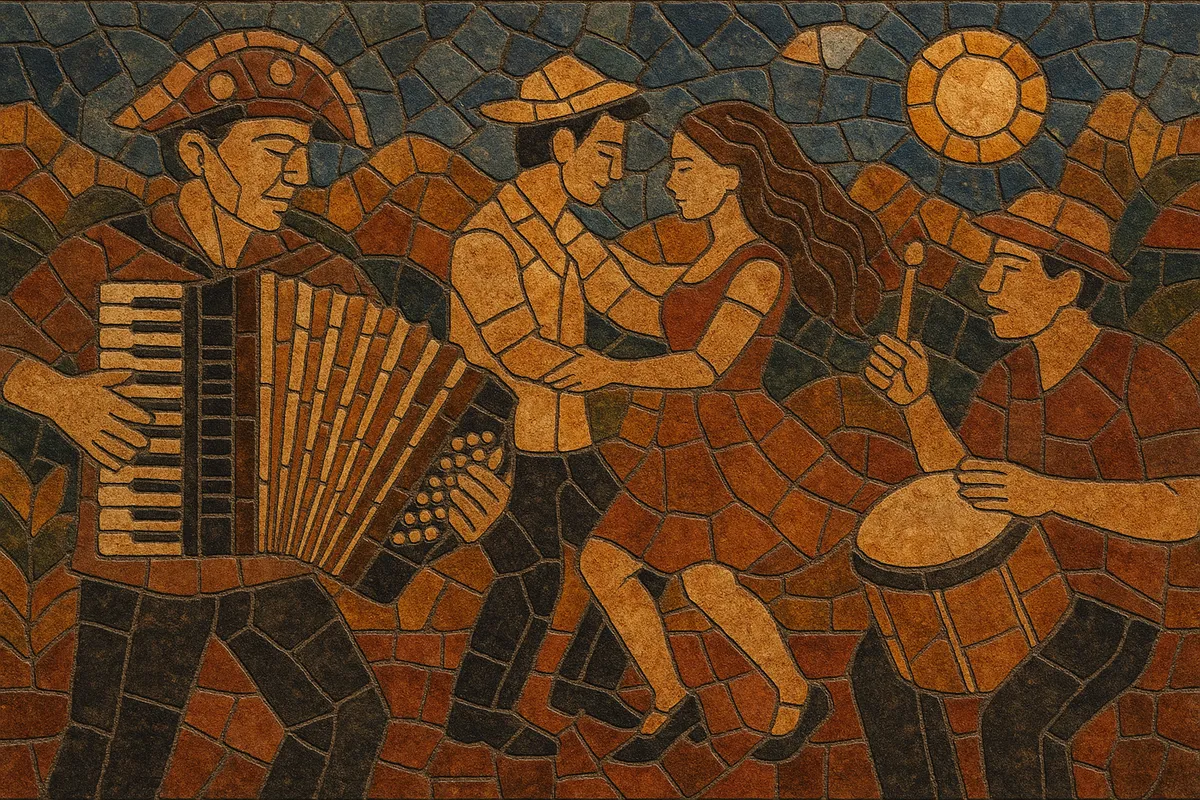
Traditional forró (forró pé-de-serra) is the acoustic, roots form of Northeastern Brazilian dance music built around the trio of accordion (sanfona), zabumba (flat bass drum), and triangle. It brings together several regional rhythms—chiefly baião, xote, xaxado, and arrasta-pé—under one dance-floor–oriented practice.

Melodies are led by the accordion, the zabumba drives a distinctive two-voice groove (low thump plus high rim-click), and the triangle provides a bright, continuous shimmer. Lyrics often celebrate the sertão (semi-arid backlands), festas juninas (June festivals), love, migration, and daily life, mixing humor with saudade. The feel is earthy and communal, meant for partner dance and social gatherings.

History

Origins (Early–Mid 20th Century)

Traditional forró solidified in Brazil’s Northeast as itinerant musicians and rural festivities brought together pre-existing rhythms like baião, coco, and xote. The accordion became the lead instrument of choice alongside zabumba and triangle, forming the classic pé-de-serra trio.

Popularization (1940s–1960s)

In the 1940s, Luiz Gonzaga popularized baião and helped codify the broader forró practice on radio and records, bringing Northeastern sounds into Brazil’s national consciousness. Artists such as Jackson do Pandeiro, Marinês, and Trio Nordestino expanded the repertoire with virtuosic vocals, humor, and dazzling rhythmic variety.

Consolidation and Continuity (1970s–1990s)

Dominguinhos, Sivuca, and Oswaldinho do Acordeon modernized arrangements while preserving the acoustic core. Festivals and festas juninas kept the dance tradition vibrant, and pé-de-serra remained a living folk-pop form in the Northeast and migrant communities across Brazil.

Revivals and Offshoots (2000s–Present)

Waves of revival reaffirmed the acoustic format, even as electronic offshoots emerged. Younger trios, regional scenes, and global audiences embraced pé-de-serra’s social dance ethos, while newer styles like forró eletrônico and piseiro borrowed its grooves and imagery.


How to make a track in this genre

Core Ensemble and Groove
•   Use the pé-de-serra trio: accordion (sanfona) for melody/harmony, zabumba for bass and backbeat clicks, and triangle for a steady, bright ostinato. •   Aim for a tight, danceable pulse. Baião typically sits around 100–120 BPM, xote around 90–110 BPM (more lilted and romantic), and arrasta-pé can push 130–160 BPM for energetic sets.
Rhythm and Feel
•   Zabumba: play a low, damped bass hit (often on beat 1) and a higher rim-click or stick accent on the off-beats/backbeats, creating a push–pull, syncopated engine. •   Triangle: maintain continuous 16th–note (or 8th–note) shimmer with accents aligning to the groove; open the triangle slightly on key beats for lift. •   Accordion left hand: reinforce bass and chord stabs in lockstep with the zabumba to glue the groove.
Harmony and Melody
•   Keep harmony diatonic and songful: I–IV–V progressions, relative minors, and occasional secondary dominants or modal color (Mixolydian/major–minor inflections) suit the style. •   Lead with memorable, singable accordion lines; ornament with mordents, grace notes, and call-and-response hooks with the voice.
Form and Lyrics
•   Common forms include verse–refrain with a strong chorus tailored for dancing and easy call-and-response. •   Write lyrics about the sertão, festas juninas, romance, humor, migration, and everyday resilience, balancing joy with saudade.
Arrangement and Performance Tips
•   Prioritize acoustic timbres and intimate, live-feel recording; minimal amplification preserves the percussive detail of zabumba and triangle. •   Alternate sub-rhythms (baião, xote, xaxado, arrasta-pé) within a set to vary energy while staying within the traditional palette. •   Encourage interactive performance: dynamic breaks, shout-outs, and crowd participation support the social dance context.

Top tracks

Locked
Share your favorite track to unlock other users’ top tracks
Influenced by
Has influenced
Challenges
Digger Battle
Let's see who can find the best track in this genre
© 2025 Melodigging
Melodding was created as a tribute to Every Noise at Once, which inspired us to help curious minds keep digging into music's ever-evolving genres.
Buy me a coffee for Melodigging