Genres
Artists
Albums
Make Music
Sign in
Sign in
Artists
Baião
Artists
Baião
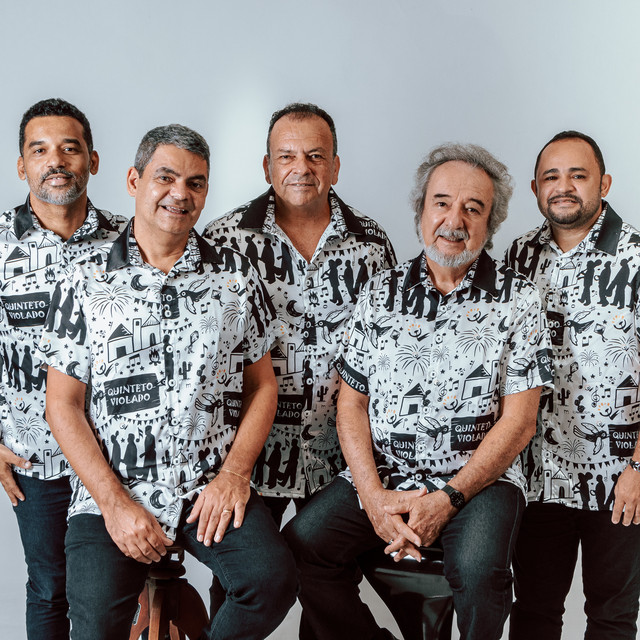
Quinteto Violado
1972–2020
·
9 albums
Listen
2
/5
Genres
Mpb
MPB (Música Popular Brasileira) is a broad Brazilian popular music movement that crystallized in the mid-1960s after bossa nova. It blends samba and other regional rhythms with jazz harmony, singer‑songwriter craft, and elements of contemporary pop and rock. The style is marked by sophisticated melodies, extended harmonies, inventive arrangements, and lyrically rich songs that often use poetry and metaphor. Many classic MPB works balance intimacy (voice and violão/nylon‑string guitar) with lush studio orchestration, drawing from samba‑canção, choro, baião, and frevo while engaging modern influences. Historically, MPB provided a platform for social commentary during Brazil’s military dictatorship, with artists employing allegory to navigate censorship. It remains a living tradition that continually renews itself through new generations (“nova MPB”).
Discover
Listen
Baião
Baião is a dance rhythm and song genre from Northeastern Brazil, characterized by a driving 2/4 groove led by the trio pé-de-serra: accordion (sanfona), zabumba (a double-headed bass drum), and triangle. Its hallmark is the syncopated interplay between the zabumba’s low and high strokes, a shimmering triangle ostinato, and accordion melodies that alternate between earthy, modal flavors and bright, diatonic hooks. Developed in rural contexts and urbanized on Brazilian radio, baião became a foundational pillar for the broader forró scene. Lyrically, classic baiões often reflect the sertão (semi-arid hinterland), drought, migration, longing (saudade), and everyday love and humor. The style’s compact harmonies, strong groove, and memorable refrains helped it travel far beyond its region, shaping Brazilian popular music for decades.
Discover
Listen
Forró
Forró is a popular dance-music tradition from Brazil’s Northeast, centered on the trio of accordion (sanfona), zabumba (bass/tenor drum), and triangle. It encompasses a family of rhythms—most notably baião, xote, arrasta-pé, and xaxado—and is performed for partner dancing at parties and the June festivals (Festas Juninas). The style balances infectious, syncopated grooves with singable melodies and simple, diatonic harmony. Lyrically, forró often celebrates rural life, love, longing (saudade), and the culture of the sertão. Over time, it has branched into substyles ranging from the acoustic, rootsy pé-de-serra to modern, amplified and electronic variants.
Discover
Listen
Traditional Forró
Traditional forró (forró pé-de-serra) is the acoustic, roots form of Northeastern Brazilian dance music built around the trio of accordion (sanfona), zabumba (flat bass drum), and triangle. It brings together several regional rhythms—chiefly baião, xote, xaxado, and arrasta-pé—under one dance-floor–oriented practice. Melodies are led by the accordion, the zabumba drives a distinctive two-voice groove (low thump plus high rim-click), and the triangle provides a bright, continuous shimmer. Lyrics often celebrate the sertão (semi-arid backlands), festas juninas (June festivals), love, migration, and daily life, mixing humor with saudade. The feel is earthy and communal, meant for partner dance and social gatherings.
Discover
Listen
Latin
Latin (as a genre label) is a broad umbrella used by the recording industry to categorize popular music rooted in Latin America, the Caribbean, and the Iberian world, often characterized by syncopated Afro-diasporic rhythms, dance-forward grooves, and lyrics primarily in Spanish or Portuguese. As a marketplace category that took shape in the mid-20th century United States, it gathers diverse traditions—Afro-Cuban, Brazilian, Mexican, and Caribbean styles—into a shared space. In practice, "Latin" spans everything from big-band mambo and bolero ballads to contemporary pop, rock, hip hop, and dance fusions produced by artists of Latin American heritage.
Discover
Listen
Coco
Coco is an Afro-Brazilian rhythm and community dance-song tradition from Northeastern Brazil, especially Pernambuco, Paraíba, Alagoas, and Rio Grande do Norte. It features a propulsive, repetitive groove in duple meter, call-and-response vocals led by a mestre (leader) and answered by a chorus, and a distinctive percussive "pisada" (stomping) that turns the dancing circle into a rhythmic instrument. Performers typically gather in a roda (circle), clapping, stepping, and spinning to the beat—often at weekend street parties, religious/festive gatherings, and Carnival. Coco is closely related to (and sometimes synonymous with) embolada, the fast, tongue‑twisting, often improvised song form accompanied by pandeiro. Its antiphonal singing and cyclic percussion patterns echo West and Central African work songs and ritual music, and its participatory energy is comparable to capoeira music—joyful, communal, and irresistibly dancing.
Discover
Listen
Samba De Roda
Samba de roda is a traditional Afro‑Brazilian music-and-dance form from the Recôncavo region of Bahia, Brazil. It is performed in a circle (roda) with call-and-response singing, handclaps, and a small ensemble of percussion and plucked string instruments. Musically it typically uses a lilting 2/4 samba groove with strong syncopation, a lead singer (cantador/a) who improvises verses, and a chorus that responds in refrain. Two core song-dance modalities are common: the slower, more declamatory chula (often opening the gathering) and the faster, more animated samba corrido (when dancers enter the circle). The dance highlights the umbigada—an inviting belly-bump gesture—along with playful steps and spins. It is socially rooted in Afro‑Bahian festivities, religious gatherings (including candomblé contexts), and community celebrations, and it played a pivotal role in shaping urban samba across Brazil.
Discover
Listen
Instrumental
Instrumental is music created and performed without sung lyrics, placing the expressive weight on melody, rhythm, harmony, and timbre produced by instruments. As an umbrella practice it appears in many cultures, but its modern identity cohered in Baroque-era Europe when purely instrumental forms such as the sonata, concerto, and dance suites began to flourish. Since then, instrumental thinking—developing motives, structuring form without text, and showcasing timbral contrast—has informed everything from orchestral music and solo piano repertoire to post-rock, film scores, and beat-driven electronic styles. Instrumental works can be intimate (solo or chamber) or expansive (full orchestra), narrative (programmatic) or abstract (absolute music). The absence of lyrics invites listeners to project imagery and emotion, making the style a natural fit for cinema, games, and contemplative listening.
Discover
Listen
Show all 8 genres
Albums
2020
1
/5
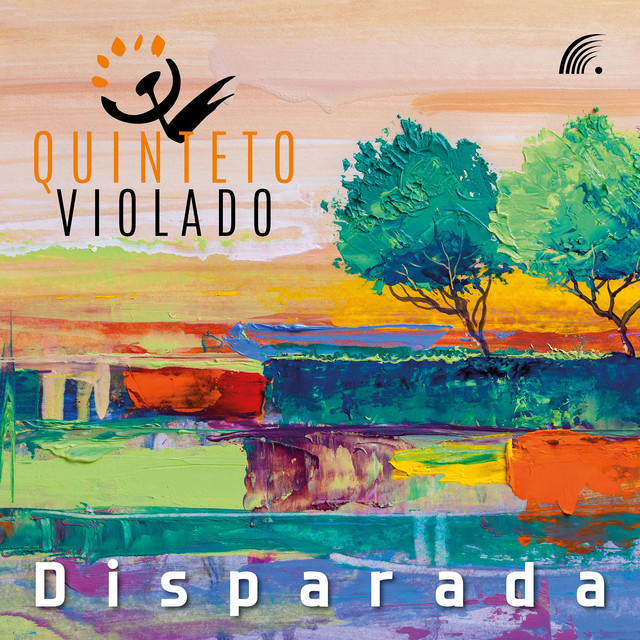
Disparada
Quinteto Violado
Baião
2014
1
/5
Eu Disse Freeevo!
Quinteto Violado
Baião
2002
1
/5
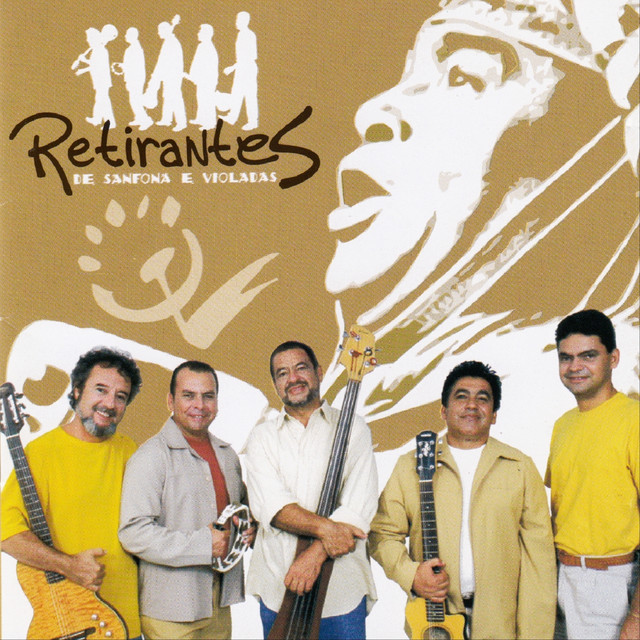
Retirantes de Sanfona e Violadas
Quinteto Violado
Baião
2001
1
/5
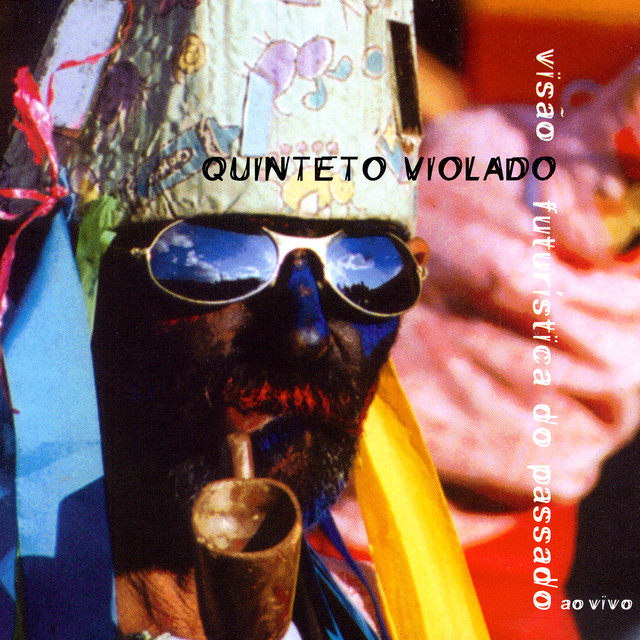
Visão Futurística do Passado (Ao Vivo)
Quinteto Violado
Baião
1979
1
/5
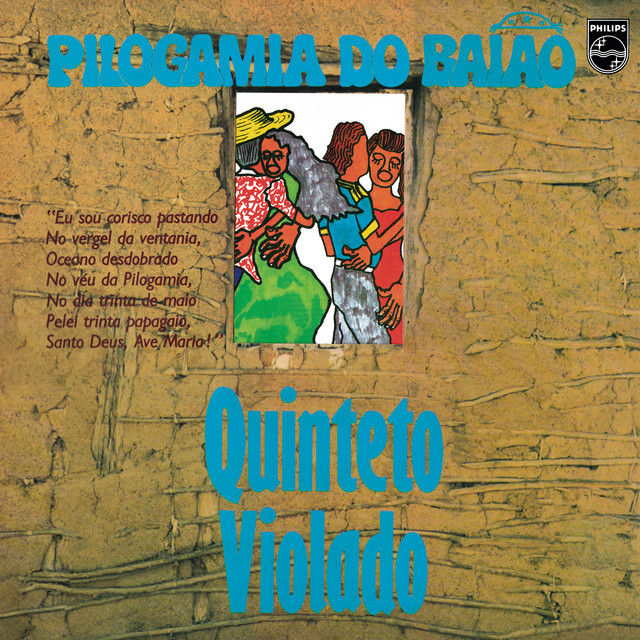
Pilogamia Do Baião
Quinteto Violado
Baião
1978
2
/5
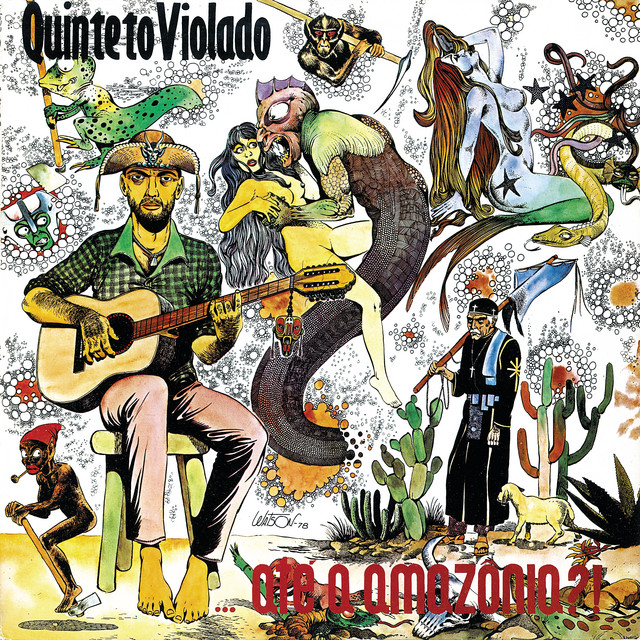
Até A Amazonia?!
Quinteto Violado
Baião
1972
2
/5
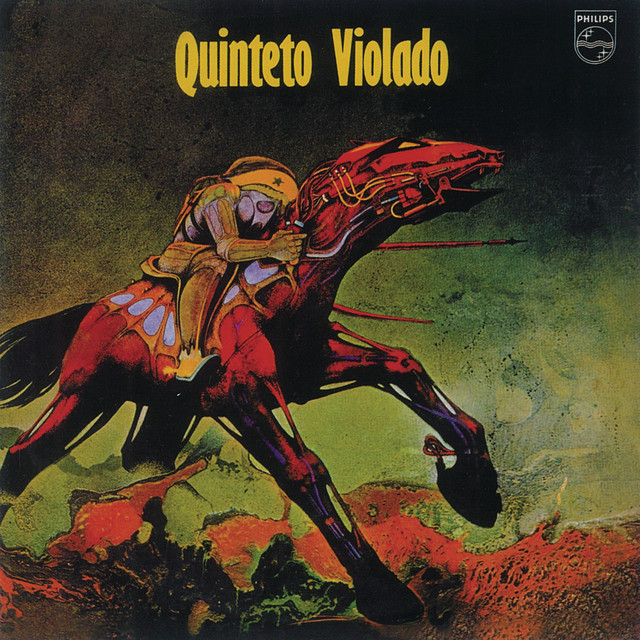
Quinteto Violado
Quinteto Violado
Baião
Música popular do Nordeste 3
Quinteto Violado
Samba De Roda
Música popular do Nordeste 3
Quinteto Violado
Coco
Similar artists
4
/5
Luiz Gonzaga
Baião
Forró
Xote
3
/5
Dominguinhos
Forró
Baião
Mpb
2
/5
Jackson Do Pandeiro
Forró
Coco
Samba
2
/5
Joao Do Vale
Baião
Forró
Mpb
4
/5
Jota.pê
Forró
Mpb
Traditional Forró
4
/5
Alceu Valença
Forró
Mpb
Northeastern Brazilian Music
4
/5
Zé Ramalho
Sertanejo Tradicional
Northeastern Brazilian Music
Brazilian Folk Music
4
/5
Fagner
Brega
Forró
Mpb
3
/5
Geraldo Azevedo
Forró
Mpb
Traditional Forró
3
/5
Elba Ramalho
Forró
Frevo
Mpb
Download our mobile app
Get the Melodigging app and start digging for new genres on the go
Download on the App Store
Get it on Google Play
© 2026 Melodigging
Give feedback
Legal
Melodding was created as a tribute to
Every Noise at Once
, which inspired us to help curious minds keep digging into music's ever-evolving genres.