Genres
Artists
Albums
Make Music
Sign in
Sign in
Artists
Brega
Artists
Brega
Fagner
2020
·
1 album
Listen
4
/5
Genres
Talentos Brasileiros
Talentos brasileiros refers to the ecosystem of Brazilian television and digital talent shows that spotlight versatile vocalists and bands performing highly polished covers and showcase pieces. The sound blends global pop and R&B stagecraft with distinctly Brazilian repertoires such as MPB (Música Popular Brasileira), sertanejo, samba-pop, and contemporary gospel. Arrangements typically feature key changes, dramatic builds, and concise, TV-ready forms—often medleys—that foreground emotive lead vocals, tight backing bands, and cinematic production. While contestants reinterpret international hits, they frequently localize phrasing and groove, bring Portuguese-language lyricism to the fore, and insert regional color into harmony and rhythm. The result is a performance-forward style: technically demanding vocals, crowd-pleasing climaxes, and refined orchestration that translate well to broadcast, arenas, and streaming. Alumni often transition into Brazil’s mainstream pop, sertanejo, and gospel markets, turning short-form TV moments into sustainable recording careers.
Discover
Listen
Neo-Psicodelia Brasileira
Neo-psicodelia brasileira (Brazilian neo-psychedelia) is a contemporary wave of Brazilian artists who revive and reinvent classic 1960s/70s psychedelic aesthetics through today’s indie-rock, dream-pop, shoegaze, and experimental production. Marked by shimmering guitars drenched in reverb and fuzz, hypnotic grooves that often nod to Brazilian rhythmic DNA (from Tropicália’s eclecticism to samba, baião, and maracatu pulses), and kaleidoscopic synth textures, the style pairs vintage tones with modern bedroom-studio craft. Portuguese lyrics frequently blend surreal imagery with everyday urban poetics, creating a sound that is at once nostalgic and forward-looking. This scene flourished around DIY venues, independent labels, and digital communities across Brazil, with a particularly strong footprint in cities like São Paulo, Goiânia, Belo Horizonte, and Recife. The result is a colorful, exploratory ecosystem that treats psychedelia not as pure retro revival but as a living vocabulary.
Discover
Listen
Brega
Brega is a Brazilian popular music style known for unabashed romanticism, dramatic vocal delivery, and melodically memorable choruses. Often associated with working-class audiences in the Northeast and North of Brazil, it embraces sentimentality—songs dwell on love, betrayal, jealousy, and longing—using straightforward harmonies and lush, sometimes kitschy, arrangements. Musically, classic brega favors mid-tempo grooves, prominent keyboards or string-synth pads, clean electric guitars, and steady drums or drum machines. Its harmonic language leans on familiar pop progressions and the climactic “truck-driver’s gear change” (a last-chorus key change) to heighten emotion. Once dismissed by elites as “tacky,” brega has since been reappraised as a vital expression of Brazilian popular taste and a wellspring for newer subgenres.
Discover
Listen
Mpb
MPB (Música Popular Brasileira) is a broad Brazilian popular music movement that crystallized in the mid-1960s after bossa nova. It blends samba and other regional rhythms with jazz harmony, singer‑songwriter craft, and elements of contemporary pop and rock. The style is marked by sophisticated melodies, extended harmonies, inventive arrangements, and lyrically rich songs that often use poetry and metaphor. Many classic MPB works balance intimacy (voice and violão/nylon‑string guitar) with lush studio orchestration, drawing from samba‑canção, choro, baião, and frevo while engaging modern influences. Historically, MPB provided a platform for social commentary during Brazil’s military dictatorship, with artists employing allegory to navigate censorship. It remains a living tradition that continually renews itself through new generations (“nova MPB”).
Discover
Listen
Forró
Forró is a popular dance-music tradition from Brazil’s Northeast, centered on the trio of accordion (sanfona), zabumba (bass/tenor drum), and triangle. It encompasses a family of rhythms—most notably baião, xote, arrasta-pé, and xaxado—and is performed for partner dancing at parties and the June festivals (Festas Juninas). The style balances infectious, syncopated grooves with singable melodies and simple, diatonic harmony. Lyrically, forró often celebrates rural life, love, longing (saudade), and the culture of the sertão. Over time, it has branched into substyles ranging from the acoustic, rootsy pé-de-serra to modern, amplified and electronic variants.
Discover
Listen
Traditional Forró
Traditional forró (forró pé-de-serra) is the acoustic, roots form of Northeastern Brazilian dance music built around the trio of accordion (sanfona), zabumba (flat bass drum), and triangle. It brings together several regional rhythms—chiefly baião, xote, xaxado, and arrasta-pé—under one dance-floor–oriented practice. Melodies are led by the accordion, the zabumba drives a distinctive two-voice groove (low thump plus high rim-click), and the triangle provides a bright, continuous shimmer. Lyrics often celebrate the sertão (semi-arid backlands), festas juninas (June festivals), love, migration, and daily life, mixing humor with saudade. The feel is earthy and communal, meant for partner dance and social gatherings.
Discover
Listen
Seresta
Seresta is a Brazilian tradition of nocturnal, romantic serenade-songs, typically performed by small groups beneath windows, on quiet streets, or in backyard gatherings. It blends the refined, sentimental poetics of the modinha with the lyrical sweep of waltzes and the instrumental lyricism of choro, favoring expressive vocals, rubato phrasing, and intimate acoustic accompaniment. The repertoire is slow to medium in tempo, often in 3/4 or gentle 2/4, and centers on themes of love, longing, moonlit nights, and saudade. Hallmark instruments include the violão (acoustic guitar), bandolim (mandolin), cavaquinho, flute, and light percussion, supporting a crooning vocal style that predates and foreshadows later romantic currents in Brazilian popular music.
Discover
Listen
Valsa Brasileira
Valsa brasileira is the Brazilian take on the European waltz, rendered in 3/4 time but phrased with the lyricism, rubato, and subtle swing of Brazilian popular music. It flourished first as salon and seresta (serenade) music and soon became a core form in the choro repertoire. Compared with the Viennese tradition, Brazilian waltzes favor singing melodic lines, chromatic inner motion, and bass “baixaria” counter-lines on 7‑string guitar. Forms often mirror choro structures (e.g., ABACA or AABBACCA), and harmonies draw from Romantic classical language—secondary dominants, diminished passing chords, modal mixture, and smooth modulations—while keeping a warm, intimate, and nostalgic character.
Discover
Listen
Show all 8 genres
Albums
2020
2
/5
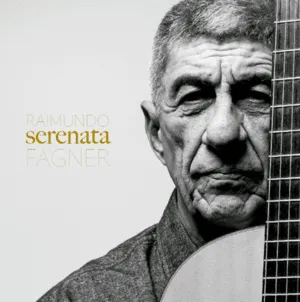
Serenata
Raimundo Fagner
Valsa Brasileira
Similar artists
4
/5
Calcinha Preta
Calypso
Forró Eletrônico
Arrocha
4
/5
Zezo
Arrocha
Brega
Forró
3
/5
Luan Estilizado
Arrocha
Brega
Forró
3
/5
Bonde do Forró
Arrocha
Brega
Forró
3
/5
Cavaleiros do Forró
Arrocha
Brega
Forró
3
/5
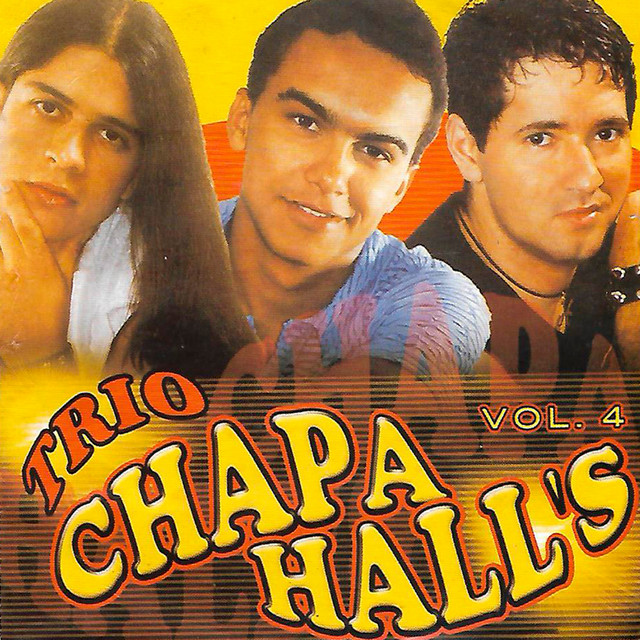
Trio Chapahall's
Brega
Forró
Piseiro
5
/5
Natanzinho Lima
Brega
Seresta
Arrocha
4
/5
Wesley Safadão
Brega
Piseiro
Arrocha
4
/5
João Gomes
Piseiro
Forró
Forró Eletrônico
4
/5
Rey Vaqueiro
Brega
Piseiro
Seresta
Download our mobile app
Get the Melodigging app and start digging for new genres on the go
Download on the App Store
Get it on Google Play
© 2026 Melodigging
Give feedback
Legal
Melodding was created as a tribute to
Every Noise at Once
, which inspired us to help curious minds keep digging into music's ever-evolving genres.