Your digging level

For this genre
0/8
🏆
Sign in, then listen to this genre to level up

Description

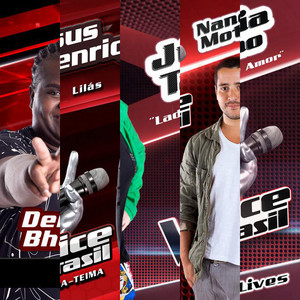
Talentos brasileiros refers to the ecosystem of Brazilian television and digital talent shows that spotlight versatile vocalists and bands performing highly polished covers and showcase pieces. The sound blends global pop and R&B stagecraft with distinctly Brazilian repertoires such as MPB (Música Popular Brasileira), sertanejo, samba-pop, and contemporary gospel.

Arrangements typically feature key changes, dramatic builds, and concise, TV-ready forms—often medleys—that foreground emotive lead vocals, tight backing bands, and cinematic production. While contestants reinterpret international hits, they frequently localize phrasing and groove, bring Portuguese-language lyricism to the fore, and insert regional color into harmony and rhythm.

The result is a performance-forward style: technically demanding vocals, crowd-pleasing climaxes, and refined orchestration that translate well to broadcast, arenas, and streaming. Alumni often transition into Brazil’s mainstream pop, sertanejo, and gospel markets, turning short-form TV moments into sustainable recording careers.


Sources: Spotify, Wikipedia, Discogs, RYM, MB, user feedback and other online sources

History

Origins

Brazil has hosted televised talent showcases since the late 20th century, but the contemporary "talentos brasileiros" sound coalesced as TV formats professionalized and global reality competitions took hold. Earlier variety programs and contest segments established the template: powerful lead vocals, house bands, and cover-heavy setlists designed for mass audiences.

2000s: Format Consolidation

Through the 2000s, Brazilian broadcasters adapted international formats and refined local ones, standardizing audition rounds, live bands, large studio audiences, and a pop-to-MPB-to-sertanejo repertoire mix. Contestants learned to deliver compact, emotionally charged readings of well-known songs, with arrangements tailored for two-to-three-minute arcs and TV-friendly climaxes.

2010s: The Big-Budget Era

In the 2010s, large prime-time franchises and social media uplifted the style. High production values—string pads, brass hits, click-tracked rhythm sections, and vocal coaching—shaped a consistent aesthetic across shows. Viral clips, official soundtrack releases, and digital singles made competition performances part of the streaming economy, and alumni quickly crossed over to mainstream catalogs in pop, sertanejo, and gospel.

2020s: Streaming and Crossover

The 2020s cemented a dual life: televised moments paired with immediate digital distribution. Contestants and alumni leverage YouTube sessions, DSP playlists, and live session brands to sustain momentum. The repertoire widened—Portuguese adaptations of global hits sit comfortably alongside MPB classics, sertanejo power ballads, and contemporary worship—keeping the format nimble and commercially relevant.

How to make a track in this genre

Core Performance Priorities
•   Center the vocalist: choose keys that place the singer’s money notes at the peak of the final chorus. Build an arc from intimate verse to belt-level chorus. •   Design for broadcast impact: target 2–3 minutes, include a dynamic lift (e.g., a half‑step key change) before the last chorus, and end decisively.
Harmony & Song Form
•   Use familiar pop/MPB progressions (I–V–vi–IV; ii–V–I variants). For sertanejo ballads, lean on IV–V–I cadences and relative minor turns for pathos. •   Add a short bridge that reharmonizes the hook (secondary dominants or borrowed iv), then return to the tonic with a modulation for the finale.
Groove & Rhythm
•   Pop/R&B covers: straight 4/4 with tight kick–snare on 2&4; add syncopated guitar/keys for Brazilian swing without losing pop clarity. •   MPB flavors: subtle samba or bossa insinuation via percussion (pandeiro, shakers) and nylon‑string comping; keep it understated for TV mixes. •   Sertanejo ballads: mid-tempo 6/8 or 4/4 with sidechain‑friendly pads and acoustic guitar arpeggios; allow room for vocal melisma.
Arrangement & Orchestration
•   Typical pit: drums, electric bass, electric/acoustic guitars, keys/piano, optional string pad/brass stabs. Use click and guide tracks to sync hits. •   Shape intro–verse–pre–chorus with textural layering: start sparse (piano/guitar), add pads and toms in the pre-chorus, full kit and backing vocals in the chorus. •   Consider a medley: two related songs in compatible keys; pivot with a short drum fill or shared chord; keep transitions seamless.
Lyrics & Language
•   Portuguese phrasing matters: respect tonic stress and vowel openness when adapting English material. For gospel/worship pieces, emphasize congregational clarity, refrain memorability, and inspirational imagery.
Production & Stagecraft
•   Compress vocals moderately with fast attack/release; add plate/short hall reverb and tasteful delay throws on cadences. •   Build the “TV moment”: a strategic break (drop band under a high note), crowd‑engaging rallentando, then a tight final chorus hit. •   Backing vocals: triad stacks on chorus thirds/fifths; add a unison double on the lead for the last hook to thicken the impact.

Top tracks

Locked
Share your favorite track to unlock other users’ top tracks

Upcoming concerts

in this genre
Influenced by
Has influenced

Download our mobile app

Get the Melodigging app and start digging for new genres on the go
© 2026 Melodigging
Melodding was created as a tribute to Every Noise at Once, which inspired us to help curious minds keep digging into music's ever-evolving genres.
Buy me a coffee for Melodigging