Genres
Artists
Albums
Make Music
Sign in
Sign in
Artists
Piseiro
Artists
Piseiro
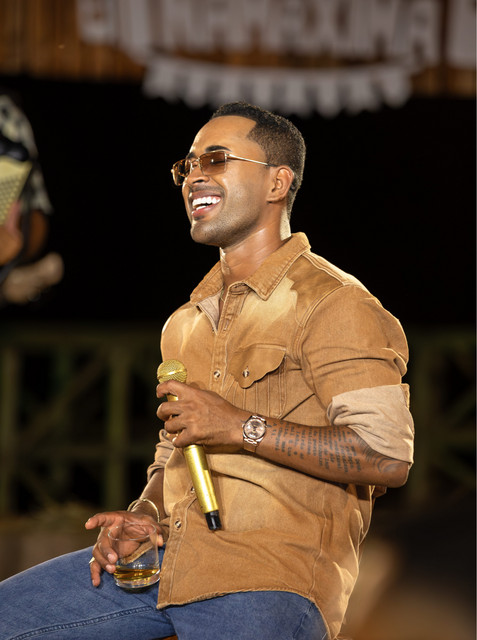
João Gomes
2021–2025
·
8 albums
Listen
4
/5
Genres
Agronejo
Agronejo is a contemporary Brazilian offshoot of sertanejo that foregrounds rural identity, rodeo imagery, and the agribusiness lifestyle while adopting pop-friendly hooks and modern production. Musically it blends the vocal phrasing and duet traditions of sertanejo with the glossy sheen of pop and country-pop, often borrowing the driving percussion and synth bass from piseiro and the romantic sentiment of arrocha. Arrangements frequently combine viola caipira, acoustic and electric guitars, and accordion with programmed drums, sub-bass, and festival-scale crowd chants. The result is a radio- and TikTok-ready sound that keeps dance floors moving while celebrating countryside culture.
Discover
Listen
Brazilian Trap
Brazilian trap (trap brasileiro) is the Brazilian adaptation of the Atlanta-born trap sound, performed primarily in Portuguese and colored by local rhythms, slang, and aesthetics. It features 808-heavy beats, half-time grooves, rapid hi-hat rolls, and melodic, Auto-Tuned vocals, while often folding in the swing and percussive feel of funk carioca. Lyrics commonly move between street realities, internet-native lifestyle, fashion, and aspirational luxury, with strong regional accents and Brazilian vernacular giving it a distinct identity from US trap.
Discover
Listen
New Mpb
New MPB (Nova Música Popular Brasileira in English usage) is a 2010s–2020s wave that refreshes classic MPB’s songwriting craft with indie, R&B, hip‑hop, and electronic production. It keeps the genre’s hallmark: sophisticated harmony, intimate vocals, and poetry‑forward lyrics in Portuguese. Sonically, you’ll hear nylon‑string guitars and Rhodes pianos beside drum machines, 808s, and warm synths. Rhythms nod to samba, bossa nova, baião, and funk carioca while embracing modern pop swing and hip‑hop backbeats. The result is stylish, urban, and contemporary—romantic and reflective, yet danceable and groove‑savvy.
Discover
Listen
Trap Carioca
Trap carioca is a Rio de Janeiro–rooted branch of Brazilian trap that fuses the half‑time 808 power of U.S. trap with the swing, percussion accents, and party ethos of funk carioca. Built on booming 808 sub‑bass, triplet hi‑hats, and minor‑key loops, it often layers or references the tamborzão and other baile funk drum idioms, local slang, and narratives of favela life, hustle, style, and romance. The result is a gritty yet polished sound that can slide between cold, nocturnal menace and swaggering dance energy, reflecting Rio’s street reality and club culture.
Discover
Listen
Nova Mpb
Nova MPB ("new Música Popular Brasileira") is a contemporary wave of Brazilian popular music that renews the classic MPB ethos with indie, electronic, neo‑soul, and modern pop production. Artists in this scene preserve the melodic richness, poetic lyricism, and rhythmic DNA of bossa nova and samba while embracing lo‑fi textures, synth pads, and intimate, close‑mic vocals. Compared to classic MPB, nova MPB tends to be more minimalist and bedroom‑studio friendly, favoring warm, analog‑leaning timbres and restrained grooves. Lyrics often blend romantic and introspective themes with snapshots of urban life, identity, and the everyday, delivered in Portuguese with a natural, conversational flow.
Discover
Listen
Bregadeira
Bregadeira is a contemporary Brazilian party style that fuses romantic and melodic brega songwriting with the percussive swing of pagodão baiano and the booming low‑end of funk scenes. Built for paredão (sound‑system) culture, it emphasizes catchy hooks, call‑and‑response vocals, and drop‑driven arrangements that explode on heavy car and street systems. Producers blend tamborzão- and pagodão‑inspired drum patterns with technobrega/brega‑funk synths and sub‑bass, creating an extroverted, dance‑first sound that can be both flirtatious and rowdy.
Discover
Listen
Deboxe
Deboxe is a contemporary Brazilian club and car-audio offshoot of funk that emphasizes massive, hypnotic sub‑bass, sparse drum patterns, and short, chant-like vocal phrases. Compared with earlier funk styles, deboxe is darker and more minimal: long 808 glides, roomy percussive hits, and reverbed stabs create an atmosphere designed for huge speaker arrays and parking‑lot parties. Drops are often built around “desande” moments—sections where the groove strips down, then slams back with heavier bass—while producer tags, chopped ad‑libs, and micro‑hooks replace long verses. Tempos most commonly sit between 135–150 BPM, borrowing the drive of mega funk and the weight of automotivo (car‑sound) culture, but delivered with a swaggering, deboche (“mocking”) attitude that gives the genre its name and vibe.
Discover
Listen
Pop Lgbtq+ Brasileira
Pop lgbtq+ brasileira is contemporary Brazilian pop created by openly LGBTQIA+ artists and rooted in the country’s club culture, internet-native scenes, and mainstream pop industry. Sonically, it blends glossy electropop and dance-pop with distinctly Brazilian rhythms and textures—most notably funk carioca’s tamborzão, brega/tecno-brega melodrama, axé’s carnival exuberance, and MPB’s lyrical sensibility. Productions often pull from reggaeton, house, trap-funk, and ballroom-vogue percussion, yielding high-energy tracks designed for both radio and dance floors. The genre is as much about voice and visibility as it is about hooks: lyrics commonly foreground queer love, pride, self-fashioning, resilience, and nightlife. Vocals range from diva belting to rap/sung hybrids, with campy, theatrical performance aesthetics that translate strongly to video and stage. The scene’s rise is tightly linked to streaming-era dynamics, YouTube/Instagram/TikTok virality, and collaborations with DJs and funk producers.
Discover
Listen
Piseiro
Piseiro is a contemporary Brazilian dance style that emerged in the interior of Northeast Brazil in the 2000s. It is commonly described as a homemade, pared-down branch of forró eletrônico, built around electronic keyboard timbres, a strong, repetitive groove, and catchy vocal hooks. The sound often favors simple harmonic movement, punchy bass lines, and sing-along choruses, with vocal harmonization used to amplify the party-friendly, communal feel. In the 2010s–2020s it became nationally popular through streaming and social media, frequently blending with other regional “forró/sertanejo” currents while keeping its characteristic keyboard-driven backbone.
Discover
Listen
Arrocha
Arrocha is a romantic, dance-oriented pop style that emerged in the interior of Bahia, Brazil—most notably around Candeias. The name comes from Brazilian Portuguese slang meaning “to hold tight,” which captures the genre’s intimate, slow-to-mid‑tempo embrace on the dance floor. Musically, arrocha blends the sentimental, melodramatic songwriting of brega romântico with rhythmic and timbral touches from Bahia’s axé and the northeastern forró tradition. Smooth synths, electric guitar arpeggios, accordion or keyboard leads, and programmed drums support emotive, melismatic vocals that center on love, longing, jealousy, and reconciliation.
Discover
Listen
Forró Eletrônico
Forró eletrônico is a modern, band-driven evolution of traditional Northeastern Brazilian forró that replaces or augments acoustic instrumentation with keyboards, electric bass, drum kits, and programmed percussion. It favors glossy, radio-ready arrangements and catchy pop hooks while retaining core forró dance rhythms such as baião, xote, and arrasta-pé. The style often leans into romantic and party themes, with strong choruses, call-and-response refrains, and high-energy stage shows. Emerging in the 1990s, it became synonymous with large touring bands and dedicated dance venues, spreading from the Northeast across Brazil and into the Brazilian diaspora.
Discover
Listen
Brega
Brega is a Brazilian popular music style known for unabashed romanticism, dramatic vocal delivery, and melodically memorable choruses. Often associated with working-class audiences in the Northeast and North of Brazil, it embraces sentimentality—songs dwell on love, betrayal, jealousy, and longing—using straightforward harmonies and lush, sometimes kitschy, arrangements. Musically, classic brega favors mid-tempo grooves, prominent keyboards or string-synth pads, clean electric guitars, and steady drums or drum machines. Its harmonic language leans on familiar pop progressions and the climactic “truck-driver’s gear change” (a last-chorus key change) to heighten emotion. Once dismissed by elites as “tacky,” brega has since been reappraised as a vital expression of Brazilian popular taste and a wellspring for newer subgenres.
Discover
Listen
Forró
Forró is a popular dance-music tradition from Brazil’s Northeast, centered on the trio of accordion (sanfona), zabumba (bass/tenor drum), and triangle. It encompasses a family of rhythms—most notably baião, xote, arrasta-pé, and xaxado—and is performed for partner dancing at parties and the June festivals (Festas Juninas). The style balances infectious, syncopated grooves with singable melodies and simple, diatonic harmony. Lyrically, forró often celebrates rural life, love, longing (saudade), and the culture of the sertão. Over time, it has branched into substyles ranging from the acoustic, rootsy pé-de-serra to modern, amplified and electronic variants.
Discover
Listen
Sertanejo
Sertanejo is Brazil’s homegrown counterpart to country music, rooted in the rural song traditions of the country’s interior (música caipira) and later modernized for urban radio and arenas. Its core sound revolves around close-harmony duos, storytelling lyrics about love, longing, and countryside life, and the distinctive timbre of the viola caipira (10‑string Brazilian guitar) alongside acoustic guitar, accordion, and, in contemporary productions, full rhythm sections and pop‑leaning arrangements. Across a century, sertanejo evolved through several waves: the narrative, acoustic sertanejo raiz; the polished, romantic duos that conquered national television and FM radio; and the 2000s/2010s universitário movement that fused pop, rock, and electronic textures. Today it is one of Brazil’s most commercially dominant genres, spawning numerous substyles and crossovers while retaining its identity of heartfelt vocal harmonies and sing‑along choruses.
Discover
Listen
Seresta
Seresta is a Brazilian tradition of nocturnal, romantic serenade-songs, typically performed by small groups beneath windows, on quiet streets, or in backyard gatherings. It blends the refined, sentimental poetics of the modinha with the lyrical sweep of waltzes and the instrumental lyricism of choro, favoring expressive vocals, rubato phrasing, and intimate acoustic accompaniment. The repertoire is slow to medium in tempo, often in 3/4 or gentle 2/4, and centers on themes of love, longing, moonlit nights, and saudade. Hallmark instruments include the violão (acoustic guitar), bandolim (mandolin), cavaquinho, flute, and light percussion, supporting a crooning vocal style that predates and foreshadows later romantic currents in Brazilian popular music.
Discover
Listen
Show all 15 genres
Albums
2025
4
/5
Do jeito que o povo gosta
João Gomes
Piseiro
Forró Eletrônico
2023
1
/5
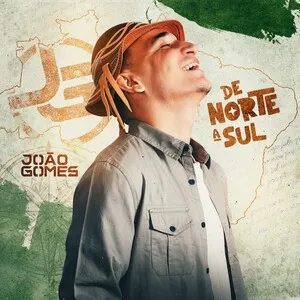
De norte a sul
João Gomes
Piseiro
Forró Eletrônico
2023
3
/5
RAIZ
João Gomes
Piseiro
Forró Eletrônico
Forró
2022
4
/5
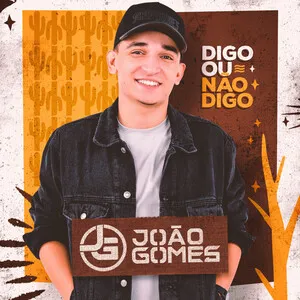
Digo ou não digo
João Gomes
Piseiro
Forró Eletrônico
Forró
2021
3
/5
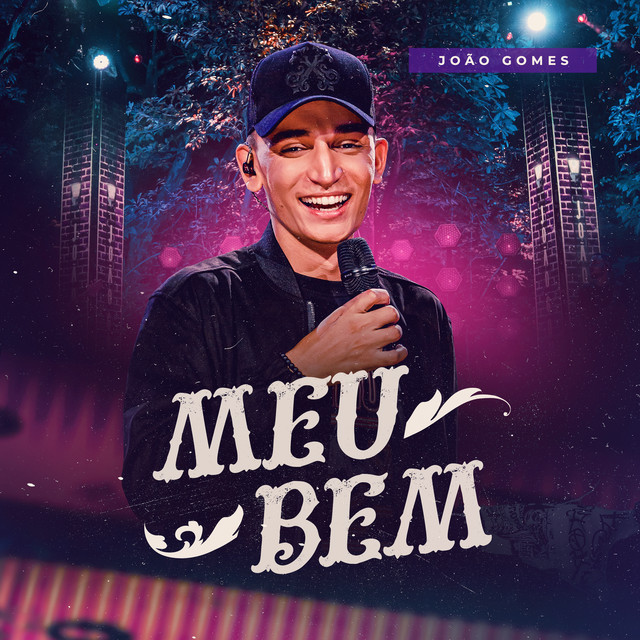
Meu Bem
João Gomes
Brega
Seresta
Forró
2021
1
/5
Eu tenho a senha
João Gomes
Forró Eletrônico
Piseiro
Forró
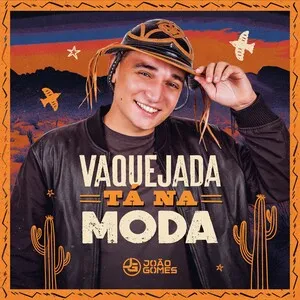
Vaquejada tá na moda
João Gomes
Piseiro
Vaquejada tá na moda
João Gomes
Forró Eletrônico
Similar artists
2
/5
Manoel Gomes
Piseiro
Arrocha
Brega
4
/5
Tarcísio do Acordeon
Piseiro
Arrocha
Brega
4
/5
Zé Vaqueiro
Piseiro
Forró
Arrocha
4
/5
Vitor Fernandes
Piseiro
Arrocha
Brega
3
/5
Forró Boys
Piseiro
Arrocha
Brega
3
/5
Nelson Nascimento
Piseiro
Arrocha
Brega
4
/5
Calcinha Preta
Calypso
Forró Eletrônico
Arrocha
2
/5
Rei da Cacimbinha
Arrocha
Axé
Brega
5
/5
Natanzinho Lima
Brega
Seresta
Arrocha
4
/5
Toque Dez
Brega
Seresta
Forró
Download our mobile app
Get the Melodigging app and start digging for new genres on the go
Download on the App Store
Get it on Google Play
© 2026 Melodigging
Give feedback
Legal
Melodding was created as a tribute to
Every Noise at Once
, which inspired us to help curious minds keep digging into music's ever-evolving genres.