Genres
Artists
Albums
Make Music
Sign in
Sign in
Artists
Forró
Artists
Forró
Marinês
2019
·
4 albums
Listen
1
/5
Genres
Forró
Forró is a popular dance-music tradition from Brazil’s Northeast, centered on the trio of accordion (sanfona), zabumba (bass/tenor drum), and triangle. It encompasses a family of rhythms—most notably baião, xote, arrasta-pé, and xaxado—and is performed for partner dancing at parties and the June festivals (Festas Juninas). The style balances infectious, syncopated grooves with singable melodies and simple, diatonic harmony. Lyrically, forró often celebrates rural life, love, longing (saudade), and the culture of the sertão. Over time, it has branched into substyles ranging from the acoustic, rootsy pé-de-serra to modern, amplified and electronic variants.
Discover
Listen
Traditional Forró
Traditional forró (forró pé-de-serra) is the acoustic, roots form of Northeastern Brazilian dance music built around the trio of accordion (sanfona), zabumba (flat bass drum), and triangle. It brings together several regional rhythms—chiefly baião, xote, xaxado, and arrasta-pé—under one dance-floor–oriented practice. Melodies are led by the accordion, the zabumba drives a distinctive two-voice groove (low thump plus high rim-click), and the triangle provides a bright, continuous shimmer. Lyrics often celebrate the sertão (semi-arid backlands), festas juninas (June festivals), love, migration, and daily life, mixing humor with saudade. The feel is earthy and communal, meant for partner dance and social gatherings.
Discover
Listen
Baião
Baião is a dance rhythm and song genre from Northeastern Brazil, characterized by a driving 2/4 groove led by the trio pé-de-serra: accordion (sanfona), zabumba (a double-headed bass drum), and triangle. Its hallmark is the syncopated interplay between the zabumba’s low and high strokes, a shimmering triangle ostinato, and accordion melodies that alternate between earthy, modal flavors and bright, diatonic hooks. Developed in rural contexts and urbanized on Brazilian radio, baião became a foundational pillar for the broader forró scene. Lyrically, classic baiões often reflect the sertão (semi-arid hinterland), drought, migration, longing (saudade), and everyday love and humor. The style’s compact harmonies, strong groove, and memorable refrains helped it travel far beyond its region, shaping Brazilian popular music for decades.
Discover
Listen
Xaxado
Xaxado is a traditional music-and-dance style from Brazil’s semi‑arid Northeast (Sertão), closely associated with the cangaceiros, the nomadic bandit groups that roamed the backlands in the early 20th century. Its name is commonly linked to the scraping sound made by leather sandals dragging across sandy ground, which becomes part of the groove. Musically, xaxado is typically in a quick duple meter (2/4), driven by a propulsive, marching feel and a steady, danceable pulse. In modern ensembles, accordion (sanfona), zabumba (bass drum), triangle, and sometimes pífano (fife), acoustic guitar, and rabeca provide the characteristic Northeastern timbres. Songs often feature simple, catchy melodies, strophic forms, and lyrics celebrating the Sertão, heroism, and everyday life, reflecting the music’s origins in the cangaço milieu. Over time, xaxado moved from a men’s victory dance among cangaceiros into the broader forró repertory, thanks in large part to mid‑century popularizers who adapted its rhythms and aesthetics for stage, radio, and recording.
Discover
Listen
Xote
Xote is a Brazilian partner-dance rhythm and song style from the Northeast that descends from the European schottische. In Brazil it became one of the core rhythms grouped under the umbrella of forró, alongside baião and arrasta-pé. Typically set in 2/4 (often felt in a relaxed 4/4), xote features moderate tempos, lilting syncopation, and a smooth, swaying groove designed for close-hold dancing. The hallmark trio—accordion (sanfona), zabumba (bass drum), and triangle—anchors the sound, with acoustic guitar and bass frequently added. Harmonies are diatonic and song forms are verse–refrain, carrying lyrical themes of romance, saudade, everyday life, and the festas juninas (June festivals). While its roots are 19th‑century European ballroom, xote’s phrasing, accents, and instrumentation were reshaped by Northeastern Brazilian practice, producing a distinctly regional style that thrives in both traditional pé‑de‑serra settings and contemporary pop-forró interpretations.
Discover
Listen
Brazilian Folk Music
Brazilian folk music is an umbrella term for the country’s regional and traditional musics that grew from the encounter of Indigenous, African (mainly West and Central African), and Iberian (especially Portuguese) cultures. It encompasses rural song, dance, and ritual genres such as baião and forró in the Northeast, viola-caipira traditions in the Southeast and Center-West, Afro-Brazilian drumming and chant in maracatu and jongo, circle-dance genres like ciranda and coco, and many others associated with religious festivals, work songs, and oral poetry. Marked by call-and-response vocals, propulsive percussion, syncopated grooves, and narrative lyrics, Brazilian folk music remains a living tradition that informs Brazilian popular music while preserving local identity and heritage.
Discover
Listen
Albums
2019
1
/5
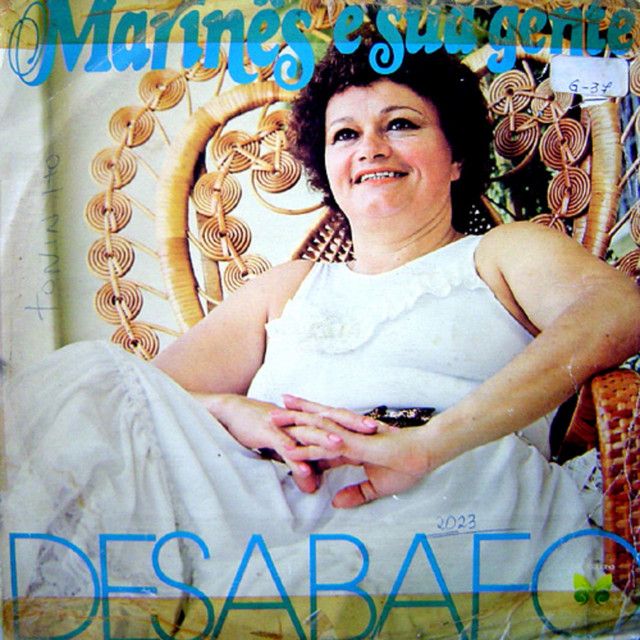
Aquarela nordestina
Marinês
Xaxado
Baião
Forró
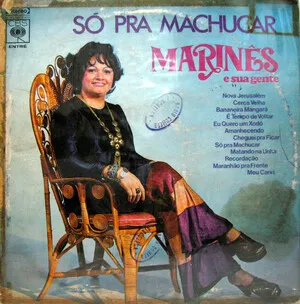
Só pra machucar
Marinês
Xote
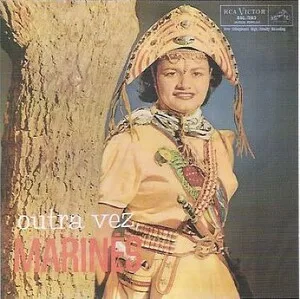
Outra vez
Marinês
Xote
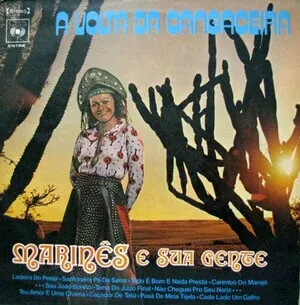
A Volta da Cangaceira
Marinês
Xaxado
Similar artists
2
/5
Trio Nordestino
Xote
Forró
Traditional Forró
4
/5
Luiz Gonzaga
Baião
Forró
Xote
3
/5
Dominguinhos
Forró
Baião
Mpb
3
/5
Elba Ramalho
Forró
Frevo
Mpb
4
/5
Alceu Valença
Forró
Mpb
Northeastern Brazilian Music
4
/5
Falamansa
Forró
Forró Universitário
Brazilian Trap
2
/5
Jackson Do Pandeiro
Forró
Coco
Samba
2
/5
Joao Do Vale
Baião
Forró
Mpb
2
/5
Quinteto Violado
Baião
Forró
Mpb
1
/5
Mestre Luiz Paixão
Forró
Traditional Forró
Baião
Download our mobile app
Get the Melodigging app and start digging for new genres on the go
Download on the App Store
Get it on Google Play
© 2026 Melodigging
Give feedback
Legal
Melodding was created as a tribute to
Every Noise at Once
, which inspired us to help curious minds keep digging into music's ever-evolving genres.