Genres
Artists
Albums
Make Music
Sign in
Sign in
Artists
Baião
Artists
Baião
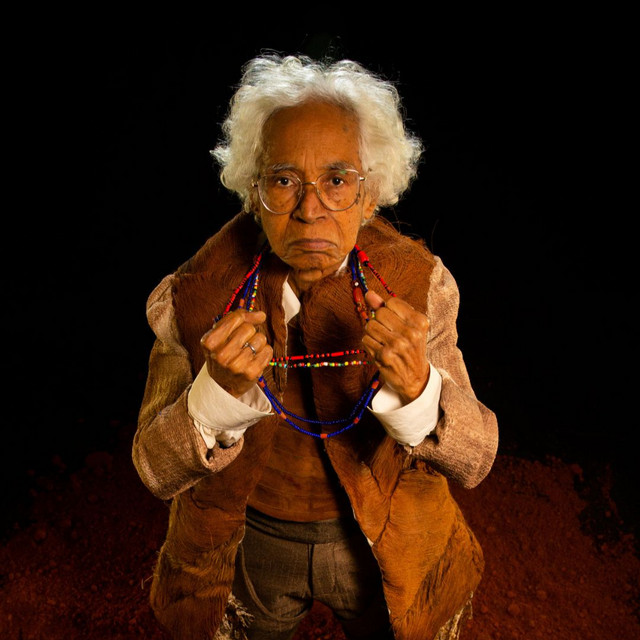
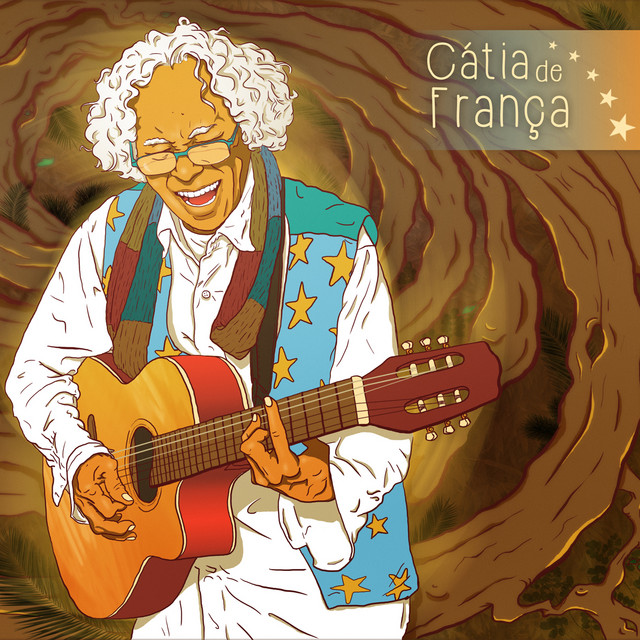
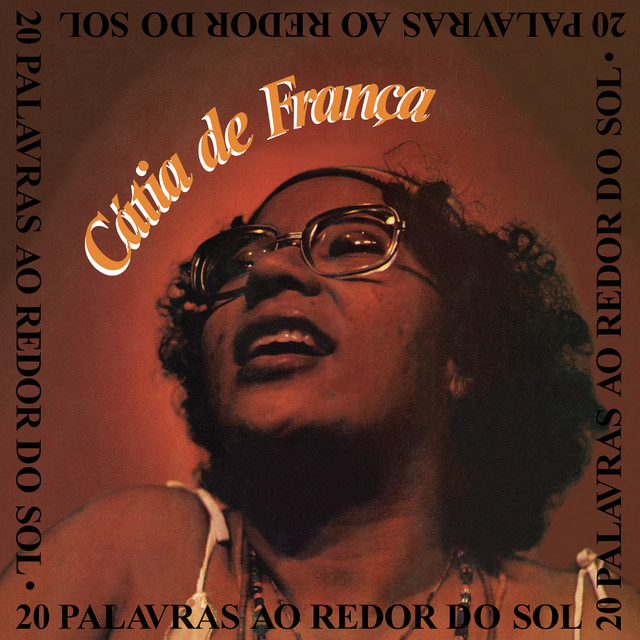
Cátia de França
1979–2016
·
2 albums
Listen
2
/5
Genres
Neo-Psicodelia Brasileira
Neo-psicodelia brasileira (Brazilian neo-psychedelia) is a contemporary wave of Brazilian artists who revive and reinvent classic 1960s/70s psychedelic aesthetics through today’s indie-rock, dream-pop, shoegaze, and experimental production. Marked by shimmering guitars drenched in reverb and fuzz, hypnotic grooves that often nod to Brazilian rhythmic DNA (from Tropicália’s eclecticism to samba, baião, and maracatu pulses), and kaleidoscopic synth textures, the style pairs vintage tones with modern bedroom-studio craft. Portuguese lyrics frequently blend surreal imagery with everyday urban poetics, creating a sound that is at once nostalgic and forward-looking. This scene flourished around DIY venues, independent labels, and digital communities across Brazil, with a particularly strong footprint in cities like São Paulo, Goiânia, Belo Horizonte, and Recife. The result is a colorful, exploratory ecosystem that treats psychedelia not as pure retro revival but as a living vocabulary.
Discover
Listen
Nova Mpb
Nova MPB ("new Música Popular Brasileira") is a contemporary wave of Brazilian popular music that renews the classic MPB ethos with indie, electronic, neo‑soul, and modern pop production. Artists in this scene preserve the melodic richness, poetic lyricism, and rhythmic DNA of bossa nova and samba while embracing lo‑fi textures, synth pads, and intimate, close‑mic vocals. Compared to classic MPB, nova MPB tends to be more minimalist and bedroom‑studio friendly, favoring warm, analog‑leaning timbres and restrained grooves. Lyrics often blend romantic and introspective themes with snapshots of urban life, identity, and the everyday, delivered in Portuguese with a natural, conversational flow.
Discover
Listen
Udigrudi
Udigrudi (a Brazilian phonetic take on “underground”) is a 1970s countercultural music scene centered in Recife/Olinda, Pernambuco, that blended Northeastern Brazilian folk rhythms with psychedelic rock, progressive experiments, and acoustic pastoralism. Defined by a fiercely DIY ethos, small independent pressings (often at the Rozenblit studio/plant), and a communal creative spirit, the music merges maracatu, baião, frevo, coco, and forró with fuzzed guitars, modal acoustic jams, flutes/pífanos, rabeca, and spacious tape-echo reverbs. Lyrics frequently evoke regional imagery, mysticism, and surrealism, giving the records a trippy, rustic, and distinctly Pernambucan identity.
Discover
Listen
Mpb
MPB (Música Popular Brasileira) is a broad Brazilian popular music movement that crystallized in the mid-1960s after bossa nova. It blends samba and other regional rhythms with jazz harmony, singer‑songwriter craft, and elements of contemporary pop and rock. The style is marked by sophisticated melodies, extended harmonies, inventive arrangements, and lyrically rich songs that often use poetry and metaphor. Many classic MPB works balance intimacy (voice and violão/nylon‑string guitar) with lush studio orchestration, drawing from samba‑canção, choro, baião, and frevo while engaging modern influences. Historically, MPB provided a platform for social commentary during Brazil’s military dictatorship, with artists employing allegory to navigate censorship. It remains a living tradition that continually renews itself through new generations (“nova MPB”).
Discover
Listen
Psychedelic Folk
Psychedelic folk (often called acid folk or psych folk) blends the acoustic intimacy and modal harmony of traditional folk with the exploratory textures, surreal lyricism, and studio experimentation of psychedelic music. It typically favors acoustic guitars, hand percussion, flutes, drones (e.g., tambura or harmonium), and small acoustic instruments, while embracing effects such as reverb, delay, tape manipulation, field recordings, and unconventional song structures. Lyrics tend toward the pastoral, mystical, and dreamlike—drawing on folklore, nature, and visionary or inward-looking themes. Musically, it often uses modal melodies (Dorian, Mixolydian), drones, fingerstyle guitar in open tunings, and hypnotic ostinatos, creating a hazy, otherworldly atmosphere that sits between singer‑songwriter intimacy and psychedelic exploration.
Discover
Listen
Baião
Baião is a dance rhythm and song genre from Northeastern Brazil, characterized by a driving 2/4 groove led by the trio pé-de-serra: accordion (sanfona), zabumba (a double-headed bass drum), and triangle. Its hallmark is the syncopated interplay between the zabumba’s low and high strokes, a shimmering triangle ostinato, and accordion melodies that alternate between earthy, modal flavors and bright, diatonic hooks. Developed in rural contexts and urbanized on Brazilian radio, baião became a foundational pillar for the broader forró scene. Lyrically, classic baiões often reflect the sertão (semi-arid hinterland), drought, migration, longing (saudade), and everyday love and humor. The style’s compact harmonies, strong groove, and memorable refrains helped it travel far beyond its region, shaping Brazilian popular music for decades.
Discover
Listen
Brazilian Music
Brazilian music is an umbrella term for the many popular and traditional styles that emerged from Brazil’s fusion of Indigenous, African, and Portuguese (Iberian) cultures. It is defined by rich rhythmic vocabularies (from samba’s syncopation to northeastern baião/forró grooves), melodically expressive singing, and harmonies that range from simple folk cadences to the jazz-inflected sophistication of bossa nova and MPB. Instruments such as the violão (nylon-string guitar), cavaquinho, pandeiro, surdo, cuíca, and berimbau sit alongside brass, woodwinds, and modern studio production. Under this umbrella lie internationally known styles like samba, choro, frevo, maracatu, bossa nova, MPB, forró, axé, pagode, sertanejo, and funk carioca (baile funk), each linking regional traditions to ongoing global exchanges.
Discover
Listen
Northeastern Brazilian Music
Northeastern Brazilian music is an umbrella for the rich, dance‑driven and song‑centered traditions from Brazil’s Nordeste, spanning rural sertão sounds and vibrant coastal carnival repertoires. It gathers matrix styles such as forró (and its substyles baião, xote, xaxado), coco and embolada (repente), maracatu, frevo, ciranda, and more. Characterized by propulsive percussion (zabumba, alfaia, pandeiro), bright timbres (triangle, brass), and the signature diatonic accordion (sanfona), the region’s music balances joyous, communal dance grooves with lyrical narratives about sertão life, migration, love, drought, and resilience. Its rhythmic DNA mixes Portuguese dance forms with Afro‑Brazilian and Indigenous elements, producing syncopated two‑step feels and carnival‑ready cadences. From the early 20th century radio era to contemporary pop and hip‑hop fusions, Northeastern styles have continually refreshed Brazilian music at large, informing MPB, axé, and the Recife‑born mangue beat while sustaining strong local dance and festival circuits.
Discover
Listen
Show all 8 genres
Albums
2016
2
/5
Hóspede da Natureza
Cátia de França
Baião
1979
3
/5
20 palavras ao redor do sol
Cátia de França
Baião
Udigrudi
Northeastern Brazilian Music
Similar artists
4
/5
Zé Ramalho
Sertanejo Tradicional
Northeastern Brazilian Music
Brazilian Folk Music
4
/5
Alceu Valença
Forró
Mpb
Northeastern Brazilian Music
3
/5
Tom Zé
Tropicália
Mpb
Nova Musica Paulista
1
/5
Various Artists
Afro-Funk
Alternative Rock
Ambient
4
/5
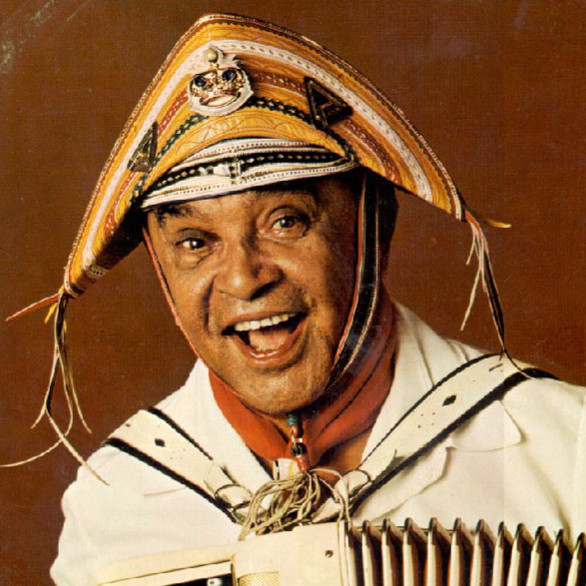
Luiz Gonzaga
Baião
Forró
Xote
2
/5
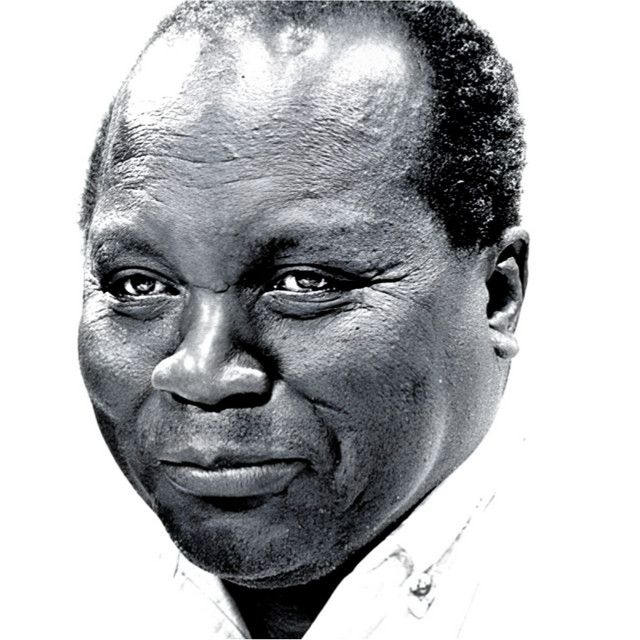
Joao Do Vale
Baião
Forró
Mpb
2
/5
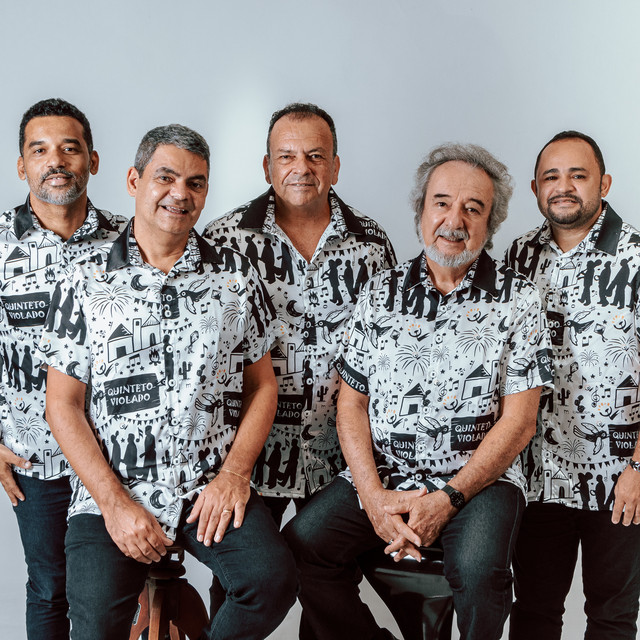
Quinteto Violado
Baião
Forró
Mpb
3
/5
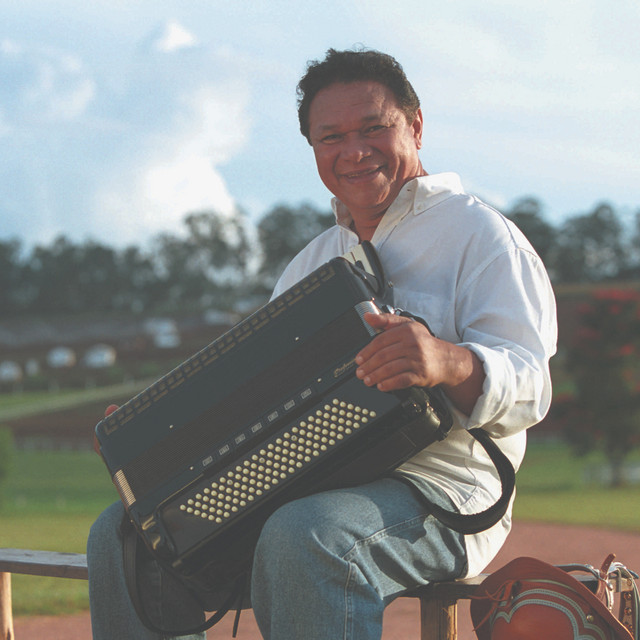
Dominguinhos
Forró
Baião
Mpb
1
/5
Luiz Vieira
Baião
Brega
Forró Tradicional
4
/5
Antônio Carlos Jobim
Bossa Nova
Latin Jazz
Brazilian Jazz
Download our mobile app
Get the Melodigging app and start digging for new genres on the go
Download on the App Store
Get it on Google Play
© 2026 Melodigging
Give feedback
Legal
Melodding was created as a tribute to
Every Noise at Once
, which inspired us to help curious minds keep digging into music's ever-evolving genres.