Genres
Artists
Albums
Make Music
Sign in
Sign in
Artists
Mpb
Artists
Mpb
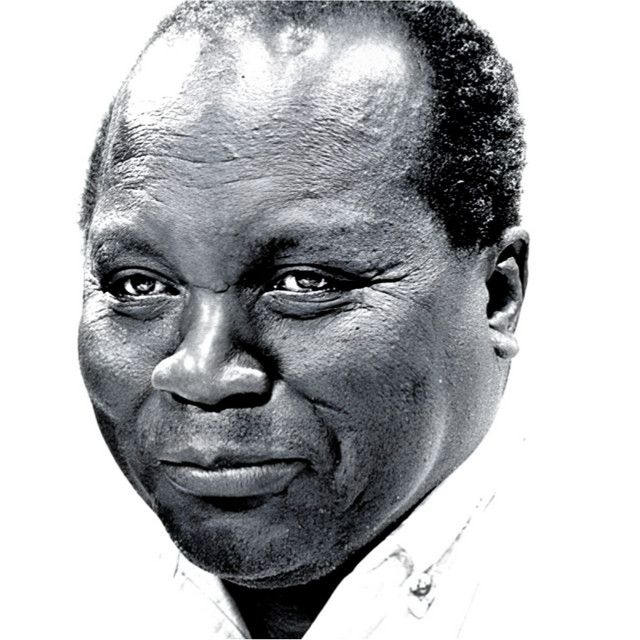
Chico César
1996–2008
·
3 albums
Listen
3
/5
Genres
New Mpb
New MPB (Nova Música Popular Brasileira in English usage) is a 2010s–2020s wave that refreshes classic MPB’s songwriting craft with indie, R&B, hip‑hop, and electronic production. It keeps the genre’s hallmark: sophisticated harmony, intimate vocals, and poetry‑forward lyrics in Portuguese. Sonically, you’ll hear nylon‑string guitars and Rhodes pianos beside drum machines, 808s, and warm synths. Rhythms nod to samba, bossa nova, baião, and funk carioca while embracing modern pop swing and hip‑hop backbeats. The result is stylish, urban, and contemporary—romantic and reflective, yet danceable and groove‑savvy.
Discover
Listen
Nova Mpb
Nova MPB ("new Música Popular Brasileira") is a contemporary wave of Brazilian popular music that renews the classic MPB ethos with indie, electronic, neo‑soul, and modern pop production. Artists in this scene preserve the melodic richness, poetic lyricism, and rhythmic DNA of bossa nova and samba while embracing lo‑fi textures, synth pads, and intimate, close‑mic vocals. Compared to classic MPB, nova MPB tends to be more minimalist and bedroom‑studio friendly, favoring warm, analog‑leaning timbres and restrained grooves. Lyrics often blend romantic and introspective themes with snapshots of urban life, identity, and the everyday, delivered in Portuguese with a natural, conversational flow.
Discover
Listen
Nova Musica Carioca
Nova Música Carioca (literally “new Carioca music”) is a 2010s wave from Rio de Janeiro that refreshes MPB and bossa/samba songcraft with indie-pop attitude, jazz-informed harmony, experimental textures, and 21st‑century production. Songwriters favor intimate vocals and narrative, often reflecting Rio’s coastal/urban imagery, social nuances, and everyday poetry. Arrangements mix nylon‑string guitars and percussion with synths, drum machines, tape/lo‑fi color, and studio-as-instrument techniques. Rhythms can pivot from a relaxed samba swing to funk‑carioca pulse or soft-rock grooves, while harmony stays lush—extended chords, chromatic color, and surprising modulations—anchoring the style in the MPB lineage even when it gets arty or electronic.
Discover
Listen
Axé
Axé is a high-energy popular music from Salvador, Bahia, that fuses Afro-Brazilian and Caribbean rhythms with pop and rock songcraft. Designed for massive Carnival parades, it pairs large percussion ensembles with bright electric guitars, brass hooks, and call-and-response vocals to drive dancing crowds along the trio elétrico (truck-mounted sound stages). Grounded in afoxê/ijexá and samba-reggae grooves, axé favors upbeat major-key melodies, anthemic choruses, and lyrics celebrating joy, love, summer, Afro-Bahian pride, and the collective ecstasy of the street party. Its sound is at once percussive and melodic: layered surdos, timbales, repiniques, and atabaques interlock beneath catchy horn lines and pop arrangements built to move tens of thousands of revelers.
Discover
Listen
Mpb
MPB (Música Popular Brasileira) is a broad Brazilian popular music movement that crystallized in the mid-1960s after bossa nova. It blends samba and other regional rhythms with jazz harmony, singer‑songwriter craft, and elements of contemporary pop and rock. The style is marked by sophisticated melodies, extended harmonies, inventive arrangements, and lyrically rich songs that often use poetry and metaphor. Many classic MPB works balance intimacy (voice and violão/nylon‑string guitar) with lush studio orchestration, drawing from samba‑canção, choro, baião, and frevo while engaging modern influences. Historically, MPB provided a platform for social commentary during Brazil’s military dictatorship, with artists employing allegory to navigate censorship. It remains a living tradition that continually renews itself through new generations (“nova MPB”).
Discover
Listen
Singer-Songwriter
Singer-songwriter is a song-focused style in which the same person writes, composes, and performs their own material, often accompanying themselves on acoustic guitar or piano. It emphasizes personal voice, lyrical intimacy, and storytelling over elaborate production. Arrangements are typically sparse, allowing the melody, words, and performance nuance to carry the song’s emotional weight. While rooted in folk and blues traditions, singer-songwriter embraces pop and rock songcraft, producing works that can range from quiet confessional ballads to subtly orchestrated, radio-ready pieces.
Discover
Listen
Forró
Forró is a popular dance-music tradition from Brazil’s Northeast, centered on the trio of accordion (sanfona), zabumba (bass/tenor drum), and triangle. It encompasses a family of rhythms—most notably baião, xote, arrasta-pé, and xaxado—and is performed for partner dancing at parties and the June festivals (Festas Juninas). The style balances infectious, syncopated grooves with singable melodies and simple, diatonic harmony. Lyrically, forró often celebrates rural life, love, longing (saudade), and the culture of the sertão. Over time, it has branched into substyles ranging from the acoustic, rootsy pé-de-serra to modern, amplified and electronic variants.
Discover
Listen
Traditional Forró
Traditional forró (forró pé-de-serra) is the acoustic, roots form of Northeastern Brazilian dance music built around the trio of accordion (sanfona), zabumba (flat bass drum), and triangle. It brings together several regional rhythms—chiefly baião, xote, xaxado, and arrasta-pé—under one dance-floor–oriented practice. Melodies are led by the accordion, the zabumba drives a distinctive two-voice groove (low thump plus high rim-click), and the triangle provides a bright, continuous shimmer. Lyrics often celebrate the sertão (semi-arid backlands), festas juninas (June festivals), love, migration, and daily life, mixing humor with saudade. The feel is earthy and communal, meant for partner dance and social gatherings.
Discover
Listen
Latin
Latin (as a genre label) is a broad umbrella used by the recording industry to categorize popular music rooted in Latin America, the Caribbean, and the Iberian world, often characterized by syncopated Afro-diasporic rhythms, dance-forward grooves, and lyrics primarily in Spanish or Portuguese. As a marketplace category that took shape in the mid-20th century United States, it gathers diverse traditions—Afro-Cuban, Brazilian, Mexican, and Caribbean styles—into a shared space. In practice, "Latin" spans everything from big-band mambo and bolero ballads to contemporary pop, rock, hip hop, and dance fusions produced by artists of Latin American heritage.
Discover
Listen
Frevo
Frevo is a fast, brass-driven carnival music from Pernambuco, Brazil, especially associated with the cities of Recife and Olinda. It is characterized by dazzling, syncopated melodies, staccato horn lines, and relentless 2/4 rhythmic propulsion that inspires acrobatic dance steps performed by passistas with small, colorful umbrellas. The genre encompasses several substyles: Frevo de Rua (instrumental, brass-band led), Frevo de Bloco (choral/string-led, often more lyrical), Frevo-Canção (song form with solo vocals), and Frevo Elétrico (amplified, trio-elétrico format). In 2012, frevo was inscribed by UNESCO as Intangible Cultural Heritage, underscoring its deep cultural significance to Brazil’s carnival traditions.
Discover
Listen
Show all 10 genres
Albums
2008
3
/5
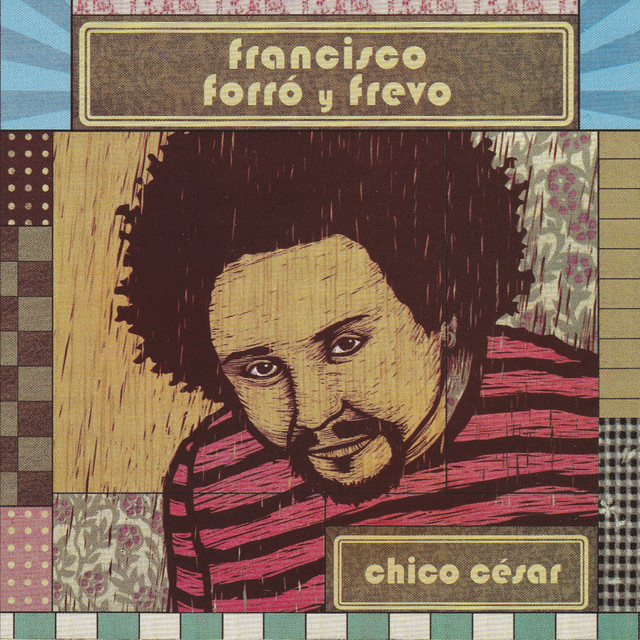
francisco forró y frevo
Chico César
Mpb
2008
1
/5
Francisco, forró y frevo
Chico César
Frevo
1996
3
/5
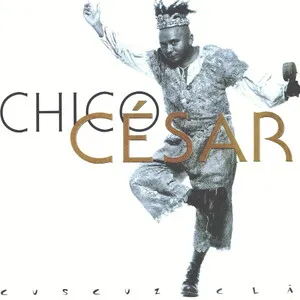
Cuscuz clã
Chico César
Axé
Latin
Mpb
Similar artists
4
/5
Alceu Valença
Forró
Mpb
Northeastern Brazilian Music
4
/5
Luiz Gonzaga
Baião
Forró
Xote
3
/5
Clara Nunes
Afoxê
Axé
Forró
4
/5
Aviões do Forró
Forró
Forró Eletrônico
Arrocha
4
/5
Gilberto Gil
Tropicália
Mpb
Brazilian Jazz
4
/5
Caetano Veloso
Mpb
Bossa Nova
Tropicália
4
/5
Maria Bethânia
Samba De Roda
Mpb
Bossa Nova
3
/5
Daniela Mercury
Axé
Samba-Reggae
Mpb
2
/5
Joao Do Vale
Baião
Forró
Mpb
4
/5
Jota.pê
Forró
Mpb
Traditional Forró
Download our mobile app
Get the Melodigging app and start digging for new genres on the go
Download on the App Store
Get it on Google Play
© 2026 Melodigging
Give feedback
Legal
Melodding was created as a tribute to
Every Noise at Once
, which inspired us to help curious minds keep digging into music's ever-evolving genres.