Genres
Artists
Albums
Make Music
Sign in
Sign in
Artists
Cantoria
Artists
Cantoria
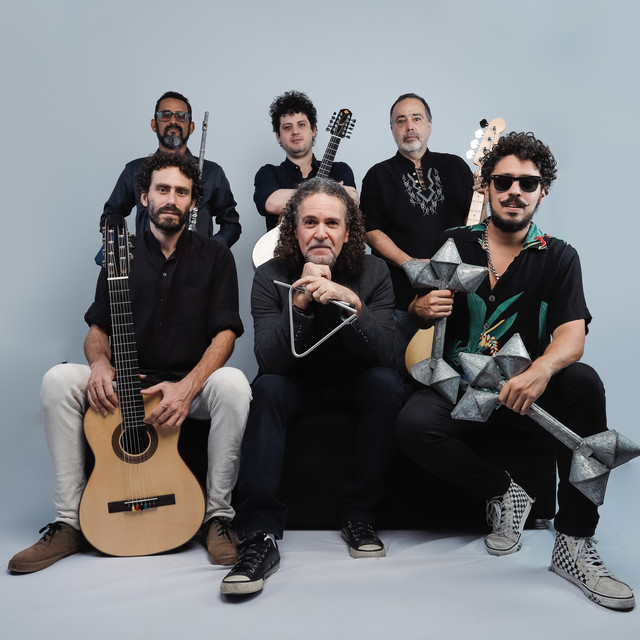
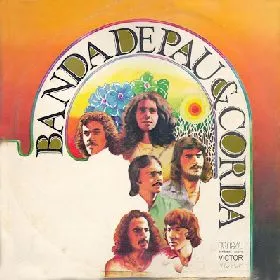
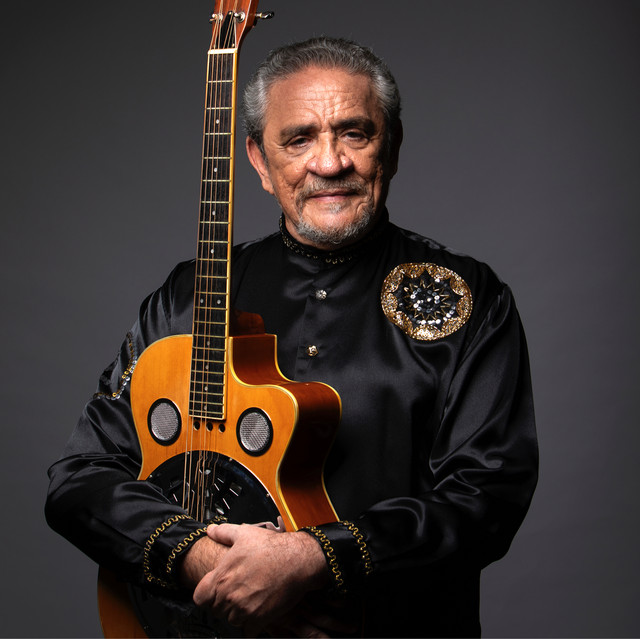
Banda De Pau E Corda
1973–2023
·
6 albums
Listen
2
/5
Genres
Mpb
MPB (Música Popular Brasileira) is a broad Brazilian popular music movement that crystallized in the mid-1960s after bossa nova. It blends samba and other regional rhythms with jazz harmony, singer‑songwriter craft, and elements of contemporary pop and rock. The style is marked by sophisticated melodies, extended harmonies, inventive arrangements, and lyrically rich songs that often use poetry and metaphor. Many classic MPB works balance intimacy (voice and violão/nylon‑string guitar) with lush studio orchestration, drawing from samba‑canção, choro, baião, and frevo while engaging modern influences. Historically, MPB provided a platform for social commentary during Brazil’s military dictatorship, with artists employing allegory to navigate censorship. It remains a living tradition that continually renews itself through new generations (“nova MPB”).
Discover
Listen
Forró
Forró is a popular dance-music tradition from Brazil’s Northeast, centered on the trio of accordion (sanfona), zabumba (bass/tenor drum), and triangle. It encompasses a family of rhythms—most notably baião, xote, arrasta-pé, and xaxado—and is performed for partner dancing at parties and the June festivals (Festas Juninas). The style balances infectious, syncopated grooves with singable melodies and simple, diatonic harmony. Lyrically, forró often celebrates rural life, love, longing (saudade), and the culture of the sertão. Over time, it has branched into substyles ranging from the acoustic, rootsy pé-de-serra to modern, amplified and electronic variants.
Discover
Listen
Traditional Forró
Traditional forró (forró pé-de-serra) is the acoustic, roots form of Northeastern Brazilian dance music built around the trio of accordion (sanfona), zabumba (flat bass drum), and triangle. It brings together several regional rhythms—chiefly baião, xote, xaxado, and arrasta-pé—under one dance-floor–oriented practice. Melodies are led by the accordion, the zabumba drives a distinctive two-voice groove (low thump plus high rim-click), and the triangle provides a bright, continuous shimmer. Lyrics often celebrate the sertão (semi-arid backlands), festas juninas (June festivals), love, migration, and daily life, mixing humor with saudade. The feel is earthy and communal, meant for partner dance and social gatherings.
Discover
Listen
Frevo
Frevo is a fast, brass-driven carnival music from Pernambuco, Brazil, especially associated with the cities of Recife and Olinda. It is characterized by dazzling, syncopated melodies, staccato horn lines, and relentless 2/4 rhythmic propulsion that inspires acrobatic dance steps performed by passistas with small, colorful umbrellas. The genre encompasses several substyles: Frevo de Rua (instrumental, brass-band led), Frevo de Bloco (choral/string-led, often more lyrical), Frevo-Canção (song form with solo vocals), and Frevo Elétrico (amplified, trio-elétrico format). In 2012, frevo was inscribed by UNESCO as Intangible Cultural Heritage, underscoring its deep cultural significance to Brazil’s carnival traditions.
Discover
Listen
Cantoria
Cantoria is a Northeastern Brazilian tradition of improvised sung poetry, typically performed by two singer-poets (cantadores) who accompany themselves on the viola caipira (10‑string Brazilian guitar). Firmly rooted in the décima tradition and the wider practice of repente (improvised verse), cantoria features quick-witted verbal duels, strict syllabic meters, and sophisticated rhyme schemes delivered over cyclical harmonic patterns. Performances balance humor, social commentary, spirituality, and regional lore, with audiences often proposing themes while the poets extemporize. Musically, cantoria favors lilting melodies, modal shadings, and steady I–IV–V progressions, while metrically it relies on canonical stanza forms such as sextilha, septilha, and the espinela décima. Its timbre is defined by the bright, resonant viola caipira, whose open tunings provide rich drones and sympathetic resonance.
Discover
Listen
Traditional Folk
Traditional folk is a broad umbrella for orally transmitted songs and dance tunes that circulated in rural and working-class communities before the age of mass recording. Repertoires include narrative ballads, laments, love songs, work songs, lullabies, and instrumental dance sets such as reels, jigs, hornpipes, and marches. Stylistically, traditional folk favors strophic forms, pentatonic or modal melodies (often Dorian and Mixolydian), limited harmonic movement, and strong, memorable tunes designed for communal singing and dancing. Performances range from unaccompanied solo voice to small ensembles built around fiddle, flute/whistle, pipes, concertina/accordion, guitar, banjo, and frame drum. Ornamentation, variation by verse, and flexible tempo are integral, reflecting an oral tradition where songs live through continual reinterpretation. Although it is pan‑regional, the modern idea of “traditional folk” coalesced in the 19th century through collectors and revivalists who documented vernacular music and framed it as cultural heritage.
Discover
Listen
Maracatu
Maracatu is an Afro-Brazilian processional music and performance tradition from Pernambuco, centered on powerful, polyrhythmic percussion and call-and-response song. It exists in two main forms: Maracatu Nação (also called maracatu de baque virado), associated with the historic coronation ceremonies of the "Rei e Rainha do Congo" (King and Queen of Congo) in Recife and Olinda; and Maracatu Rural (maracatu de baque solto), linked to the sugarcane zone (Zona da Mata) and famous for its costumed caboclos de lança. Both forms combine African-derived drumming, Portuguese processional pageantry, and local popular poetry to create an epic, ceremonial groove that animates Carnival and community celebrations. The core sound is driven by alfaias (large rope-tuned bass drums), caixas/tarois (snares), gonguê (iron bell), agbês/xequerês (gourd shakers), and ganzás/mineiros (metal shakers). Vocals are led by a puxador (lead singer) with a chorus, delivering toadas (songs) that praise the nation, invoke spiritual lineages, and comment on community life.
Discover
Listen
Show all 7 genres
Albums
2023
1
/5
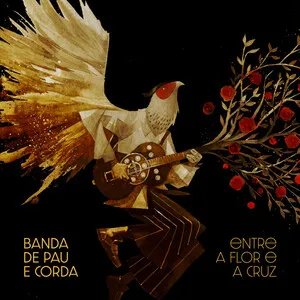
Entre a flor e a cruz
Banda de Pau e Corda
Cantoria
2021
1
/5
Missão do cantador
Banda de Pau e Corda
Cantoria
1975
2
/5
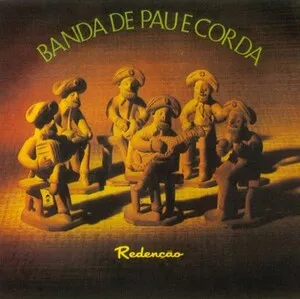
Redenção
Banda de Pau e Corda
Maracatu
Cantoria
1973
2
/5
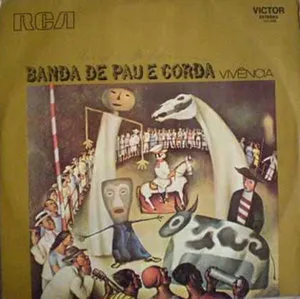
Vivência
Banda de Pau e Corda
Maracatu
Assim...Amém
Banda de Pau e Corda
Maracatu
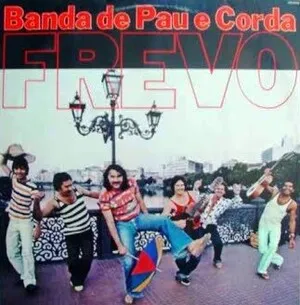
Pelas Ruas do Recife
Banda de Pau e Corda
Frevo
Similar artists
1
/5
Various Artists
Afro-Funk
Alternative Rock
Ambient
4
/5
Zé Ramalho
Sertanejo Tradicional
Northeastern Brazilian Music
Brazilian Folk Music
2
/5
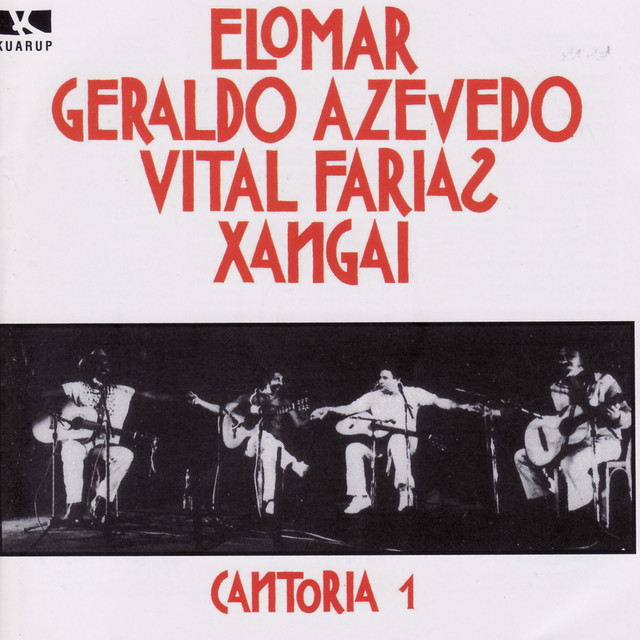
Xangai
Cantoria
Forró
Forró Tradicional
1
/5
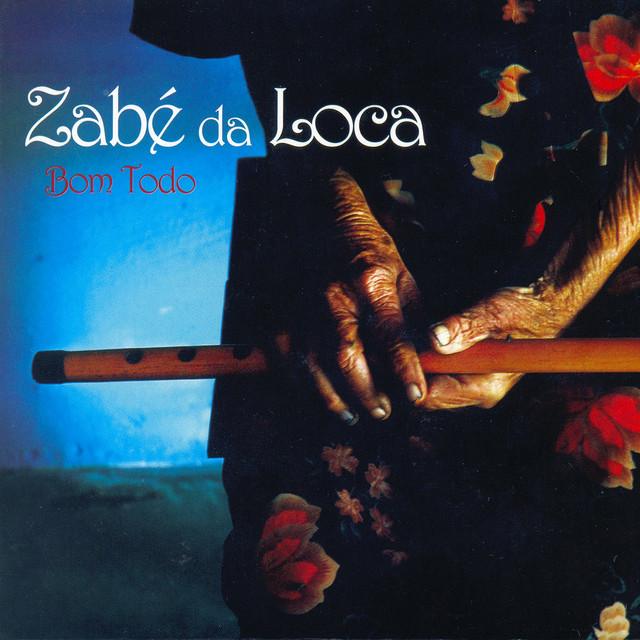
Zabé da Loca
Maracatu
Forró
Forró Tradicional
4
/5
Alceu Valença
Forró
Mpb
Northeastern Brazilian Music
2
/5
Elomar
Mpb
Cantoria
Brazilian Folk Music
2
/5
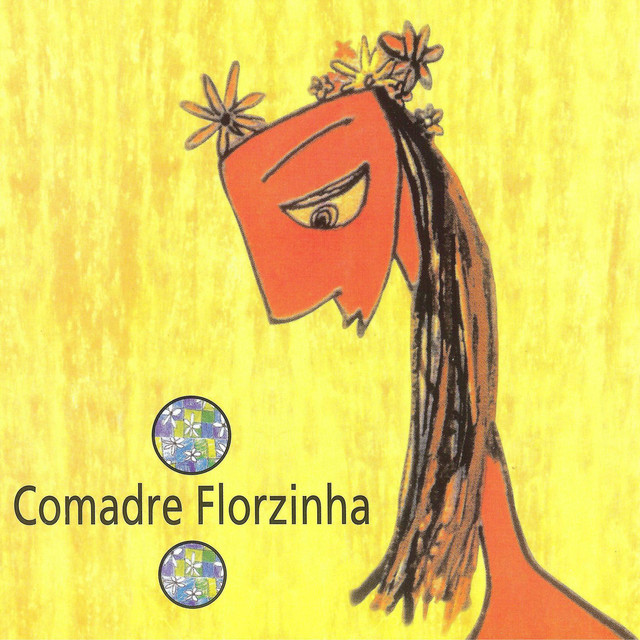
Comadre Florzinha
Maracatu
Forró
Forró Tradicional
1
/5
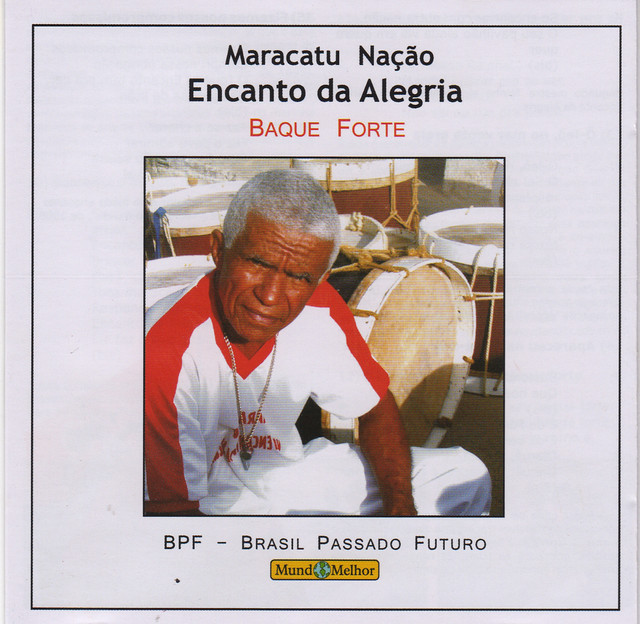
Maracatu Nação Encanto da Alegria
Maracatu
Traditional Folk
4
/5
Jota.pê
Forró
Mpb
Traditional Forró
4
/5
Fagner
Brega
Forró
Mpb
Download our mobile app
Get the Melodigging app and start digging for new genres on the go
Download on the App Store
Get it on Google Play
© 2026 Melodigging
Give feedback
Legal
Melodding was created as a tribute to
Every Noise at Once
, which inspired us to help curious minds keep digging into music's ever-evolving genres.