Genres
Artists
Albums
Make Music
Sign in
Sign in
Artists
Maracatu
Artists
Maracatu
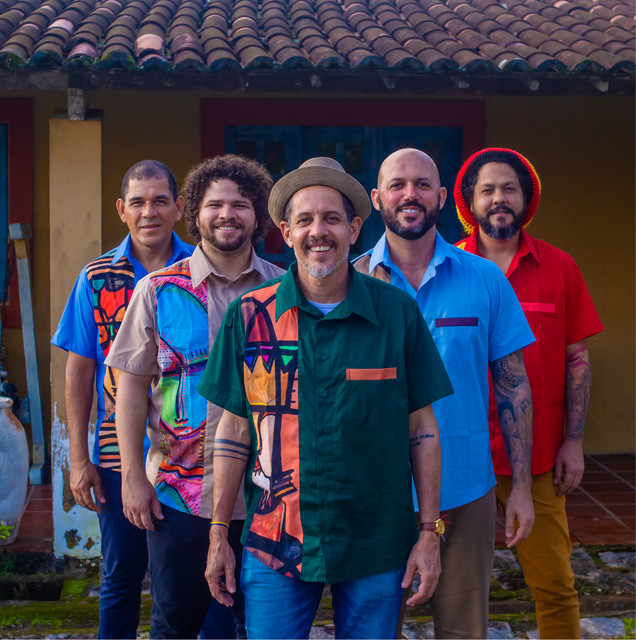
Comadre Florzinha
1999–2003
·
2 albums
Listen
2
/5
Genres
Nova Mpb
Nova MPB ("new Música Popular Brasileira") is a contemporary wave of Brazilian popular music that renews the classic MPB ethos with indie, electronic, neo‑soul, and modern pop production. Artists in this scene preserve the melodic richness, poetic lyricism, and rhythmic DNA of bossa nova and samba while embracing lo‑fi textures, synth pads, and intimate, close‑mic vocals. Compared to classic MPB, nova MPB tends to be more minimalist and bedroom‑studio friendly, favoring warm, analog‑leaning timbres and restrained grooves. Lyrics often blend romantic and introspective themes with snapshots of urban life, identity, and the everyday, delivered in Portuguese with a natural, conversational flow.
Discover
Listen
Forró
Forró is a popular dance-music tradition from Brazil’s Northeast, centered on the trio of accordion (sanfona), zabumba (bass/tenor drum), and triangle. It encompasses a family of rhythms—most notably baião, xote, arrasta-pé, and xaxado—and is performed for partner dancing at parties and the June festivals (Festas Juninas). The style balances infectious, syncopated grooves with singable melodies and simple, diatonic harmony. Lyrically, forró often celebrates rural life, love, longing (saudade), and the culture of the sertão. Over time, it has branched into substyles ranging from the acoustic, rootsy pé-de-serra to modern, amplified and electronic variants.
Discover
Listen
Forró Tradicional
Forró tradicional (also called forró pé-de-serra) is the classic Northeastern Brazilian dance-music style centered on the trio of sanfona (accordion), zabumba (bass drum), and triangle. It blends regional rhythms such as baião, xote, and xaxado, creating a driving yet warm groove designed for close partner dancing. Characterized by syncopated percussion, lilting accordion melodies, and steady triangle patterns, the music ranges from mid-tempo sway to brisk, festive energy. Lyrics often portray rural life in the sertão, love and longing, migration to big cities, and the joy of June festivals (Festas Juninas), balancing celebration with bittersweet saudade.
Discover
Listen
Frevo
Frevo is a fast, brass-driven carnival music from Pernambuco, Brazil, especially associated with the cities of Recife and Olinda. It is characterized by dazzling, syncopated melodies, staccato horn lines, and relentless 2/4 rhythmic propulsion that inspires acrobatic dance steps performed by passistas with small, colorful umbrellas. The genre encompasses several substyles: Frevo de Rua (instrumental, brass-band led), Frevo de Bloco (choral/string-led, often more lyrical), Frevo-Canção (song form with solo vocals), and Frevo Elétrico (amplified, trio-elétrico format). In 2012, frevo was inscribed by UNESCO as Intangible Cultural Heritage, underscoring its deep cultural significance to Brazil’s carnival traditions.
Discover
Listen
Coco
Coco is an Afro-Brazilian rhythm and community dance-song tradition from Northeastern Brazil, especially Pernambuco, Paraíba, Alagoas, and Rio Grande do Norte. It features a propulsive, repetitive groove in duple meter, call-and-response vocals led by a mestre (leader) and answered by a chorus, and a distinctive percussive "pisada" (stomping) that turns the dancing circle into a rhythmic instrument. Performers typically gather in a roda (circle), clapping, stepping, and spinning to the beat—often at weekend street parties, religious/festive gatherings, and Carnival. Coco is closely related to (and sometimes synonymous with) embolada, the fast, tongue‑twisting, often improvised song form accompanied by pandeiro. Its antiphonal singing and cyclic percussion patterns echo West and Central African work songs and ritual music, and its participatory energy is comparable to capoeira music—joyful, communal, and irresistibly dancing.
Discover
Listen
Maracatu
Maracatu is an Afro-Brazilian processional music and performance tradition from Pernambuco, centered on powerful, polyrhythmic percussion and call-and-response song. It exists in two main forms: Maracatu Nação (also called maracatu de baque virado), associated with the historic coronation ceremonies of the "Rei e Rainha do Congo" (King and Queen of Congo) in Recife and Olinda; and Maracatu Rural (maracatu de baque solto), linked to the sugarcane zone (Zona da Mata) and famous for its costumed caboclos de lança. Both forms combine African-derived drumming, Portuguese processional pageantry, and local popular poetry to create an epic, ceremonial groove that animates Carnival and community celebrations. The core sound is driven by alfaias (large rope-tuned bass drums), caixas/tarois (snares), gonguê (iron bell), agbês/xequerês (gourd shakers), and ganzás/mineiros (metal shakers). Vocals are led by a puxador (lead singer) with a chorus, delivering toadas (songs) that praise the nation, invoke spiritual lineages, and comment on community life.
Discover
Listen
Albums
2003
2
/5
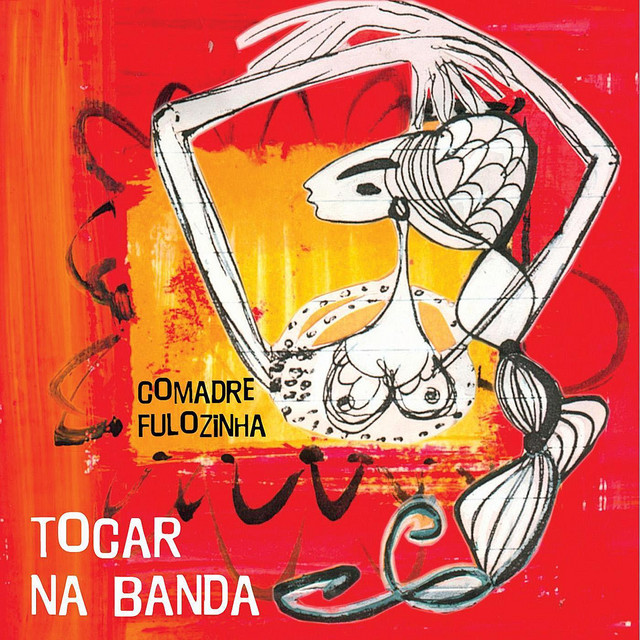
Tocar na banda
Comadre Fulozinha
Frevo
Maracatu
1999
2
/5
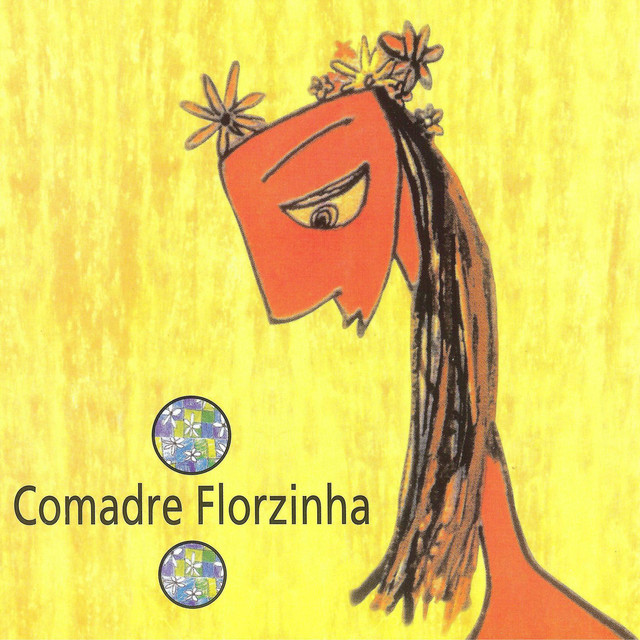
Comadre Florzinha
Comadre Florzinha
Maracatu
Coco
Forró
Similar artists
1
/5
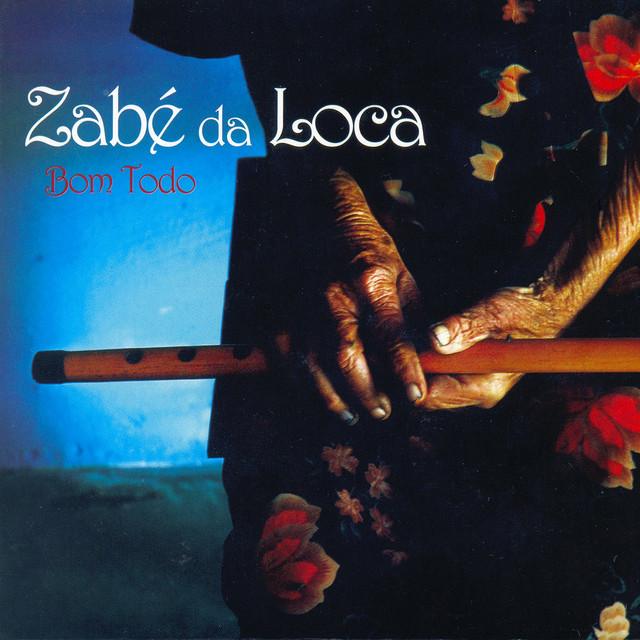
Zabé da Loca
Maracatu
Forró
Forró Tradicional
2
/5
Mestre Ambrósio
Forró
Coco
Mangue Beat
2
/5
Antônio Nóbrega
Maracatu
Frevo
Coco
1
/5
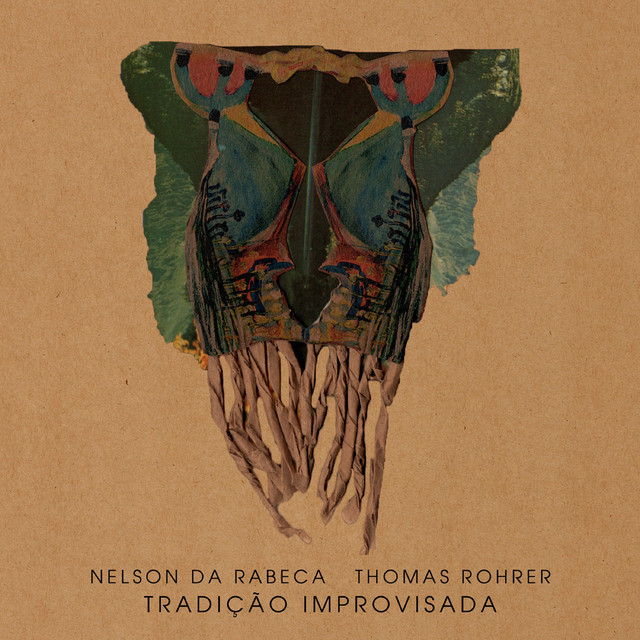
Nelson da Rabeca
Forró
Forró Tradicional
Traditional Folk
4
/5
Alceu Valença
Forró
Mpb
Northeastern Brazilian Music
2
/5
Banda De Pau E Corda
Cantoria
Maracatu
Forró
1
/5
Cascabulho
Forró
Forró Tradicional
Baião
1
/5
Thomas Rohrer
Forró Tradicional
Free Jazz
Nova Musica Paulista
3
/5
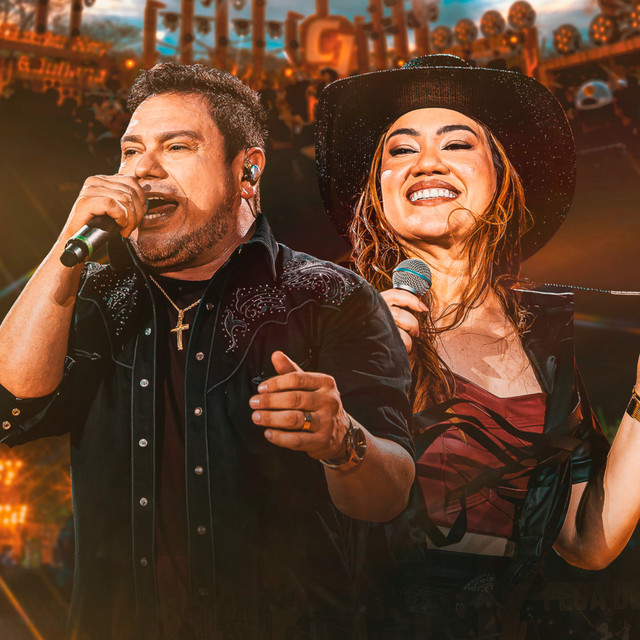
Claudio Ney & Juliana
Brega
Forró
Seresta
2
/5
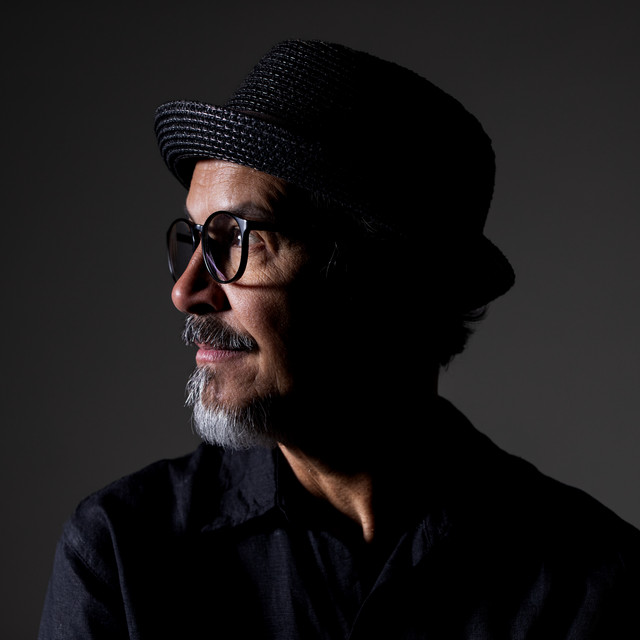
Siba
Maracatu
Ciranda
Coco
Download our mobile app
Get the Melodigging app and start digging for new genres on the go
Download on the App Store
Get it on Google Play
© 2026 Melodigging
Give feedback
Legal
Melodding was created as a tribute to
Every Noise at Once
, which inspired us to help curious minds keep digging into music's ever-evolving genres.