Genres
Artists
Albums
Make Music
Sign in
Sign in
Artists
Forró
Artists
Forró
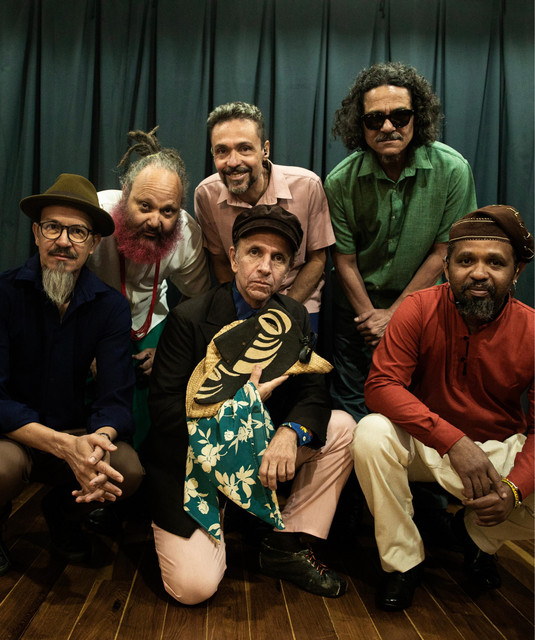
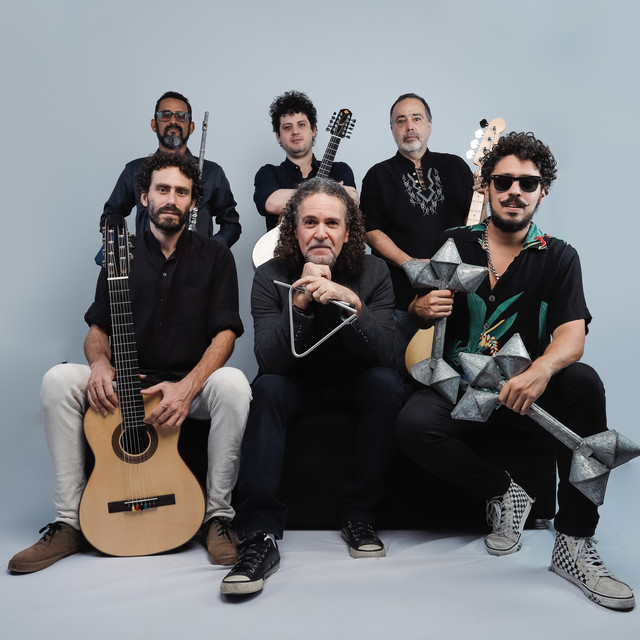
Mestre Ambrósio
1996–2001
·
3 albums
Listen
2
/5
Genres
Nova Mpb
Nova MPB ("new Música Popular Brasileira") is a contemporary wave of Brazilian popular music that renews the classic MPB ethos with indie, electronic, neo‑soul, and modern pop production. Artists in this scene preserve the melodic richness, poetic lyricism, and rhythmic DNA of bossa nova and samba while embracing lo‑fi textures, synth pads, and intimate, close‑mic vocals. Compared to classic MPB, nova MPB tends to be more minimalist and bedroom‑studio friendly, favoring warm, analog‑leaning timbres and restrained grooves. Lyrics often blend romantic and introspective themes with snapshots of urban life, identity, and the everyday, delivered in Portuguese with a natural, conversational flow.
Discover
Listen
Mangue Beat
Mangue beat (also written manguebit or manguebeat) is a Brazilian cultural and musical movement that emerged in Recife, Pernambuco, in the early 1990s. Its core idea was to "stick an antenna in the mud"—connecting the rich, swampy Afro-Indigenous rhythms of the mangroves (maracatu, coco, ciranda, frevo) to global pop culture, rock, hip hop, dub, and electronic music. Musically, mangue beat is driven by heavy, syncopated percussion inspired by maracatu (notably the alfaia drum), layered with electric bass and guitar, samples, turntables, and occasional synths. The sound is simultaneously earthy and futuristic: dense polyrhythms, raw riffs, groove-centric basslines, and streetwise MC-like vocal flows coexist with hooky choruses. Lyrically, the movement is socially conscious and often satirical, addressing environmental degradation of mangroves, inequality, urban life in Recife, and the contradictions of globalization. The result is danceable, percussive, and insurgent music that reframed Brazil’s regional traditions as a platform for innovation.
Discover
Listen
Forró
Forró is a popular dance-music tradition from Brazil’s Northeast, centered on the trio of accordion (sanfona), zabumba (bass/tenor drum), and triangle. It encompasses a family of rhythms—most notably baião, xote, arrasta-pé, and xaxado—and is performed for partner dancing at parties and the June festivals (Festas Juninas). The style balances infectious, syncopated grooves with singable melodies and simple, diatonic harmony. Lyrically, forró often celebrates rural life, love, longing (saudade), and the culture of the sertão. Over time, it has branched into substyles ranging from the acoustic, rootsy pé-de-serra to modern, amplified and electronic variants.
Discover
Listen
Traditional Forró
Traditional forró (forró pé-de-serra) is the acoustic, roots form of Northeastern Brazilian dance music built around the trio of accordion (sanfona), zabumba (flat bass drum), and triangle. It brings together several regional rhythms—chiefly baião, xote, xaxado, and arrasta-pé—under one dance-floor–oriented practice. Melodies are led by the accordion, the zabumba drives a distinctive two-voice groove (low thump plus high rim-click), and the triangle provides a bright, continuous shimmer. Lyrics often celebrate the sertão (semi-arid backlands), festas juninas (June festivals), love, migration, and daily life, mixing humor with saudade. The feel is earthy and communal, meant for partner dance and social gatherings.
Discover
Listen
Coco
Coco is an Afro-Brazilian rhythm and community dance-song tradition from Northeastern Brazil, especially Pernambuco, Paraíba, Alagoas, and Rio Grande do Norte. It features a propulsive, repetitive groove in duple meter, call-and-response vocals led by a mestre (leader) and answered by a chorus, and a distinctive percussive "pisada" (stomping) that turns the dancing circle into a rhythmic instrument. Performers typically gather in a roda (circle), clapping, stepping, and spinning to the beat—often at weekend street parties, religious/festive gatherings, and Carnival. Coco is closely related to (and sometimes synonymous with) embolada, the fast, tongue‑twisting, often improvised song form accompanied by pandeiro. Its antiphonal singing and cyclic percussion patterns echo West and Central African work songs and ritual music, and its participatory energy is comparable to capoeira music—joyful, communal, and irresistibly dancing.
Discover
Listen
Brazilian Folk Music
Brazilian folk music is an umbrella term for the country’s regional and traditional musics that grew from the encounter of Indigenous, African (mainly West and Central African), and Iberian (especially Portuguese) cultures. It encompasses rural song, dance, and ritual genres such as baião and forró in the Northeast, viola-caipira traditions in the Southeast and Center-West, Afro-Brazilian drumming and chant in maracatu and jongo, circle-dance genres like ciranda and coco, and many others associated with religious festivals, work songs, and oral poetry. Marked by call-and-response vocals, propulsive percussion, syncopated grooves, and narrative lyrics, Brazilian folk music remains a living tradition that informs Brazilian popular music while preserving local identity and heritage.
Discover
Listen
Maracatu
Maracatu is an Afro-Brazilian processional music and performance tradition from Pernambuco, centered on powerful, polyrhythmic percussion and call-and-response song. It exists in two main forms: Maracatu Nação (also called maracatu de baque virado), associated with the historic coronation ceremonies of the "Rei e Rainha do Congo" (King and Queen of Congo) in Recife and Olinda; and Maracatu Rural (maracatu de baque solto), linked to the sugarcane zone (Zona da Mata) and famous for its costumed caboclos de lança. Both forms combine African-derived drumming, Portuguese processional pageantry, and local popular poetry to create an epic, ceremonial groove that animates Carnival and community celebrations. The core sound is driven by alfaias (large rope-tuned bass drums), caixas/tarois (snares), gonguê (iron bell), agbês/xequerês (gourd shakers), and ganzás/mineiros (metal shakers). Vocals are led by a puxador (lead singer) with a chorus, delivering toadas (songs) that praise the nation, invoke spiritual lineages, and comment on community life.
Discover
Listen
Show all 7 genres
Albums
2001
2
/5
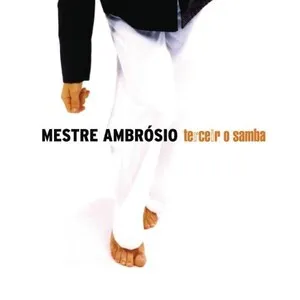
Terceiro samba
Mestre Ambrósio
Coco
Mangue Beat
Forró
1999
2
/5
Fuá na casa de CaBRal
Mestre Ambrósio
Maracatu
Mangue Beat
Forró
1996
2
/5
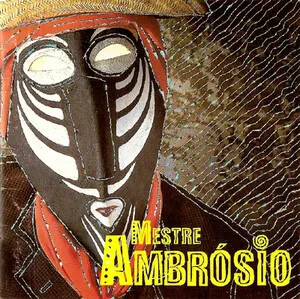
Mestre Ambrósio
Mestre Ambrósio
Maracatu
Coco
Forró
Similar artists
2
/5
Jackson Do Pandeiro
Forró
Coco
Samba
4
/5
Alceu Valença
Forró
Mpb
Northeastern Brazilian Music
2
/5
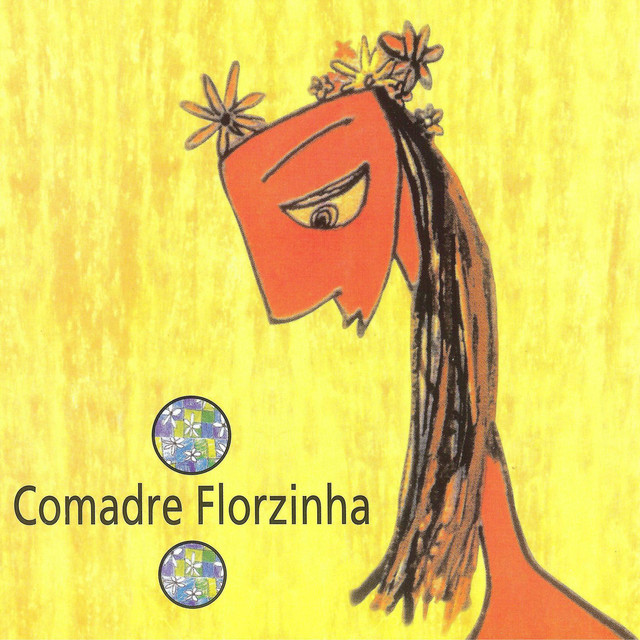
Comadre Florzinha
Maracatu
Forró
Forró Tradicional
2
/5
Banda De Pau E Corda
Cantoria
Maracatu
Forró
2
/5
Quinteto Violado
Baião
Forró
Mpb
2
/5
Caju e Castanha
Brega
Forró
Traditional Forró
4
/5
Luiz Gonzaga
Baião
Forró
Xote
3
/5
Dominguinhos
Forró
Baião
Mpb
3
/5
Elba Ramalho
Forró
Frevo
Mpb
4
/5
Falamansa
Forró
Forró Universitário
Brazilian Trap
Download our mobile app
Get the Melodigging app and start digging for new genres on the go
Download on the App Store
Get it on Google Play
© 2026 Melodigging
Give feedback
Legal
Melodding was created as a tribute to
Every Noise at Once
, which inspired us to help curious minds keep digging into music's ever-evolving genres.