Genres
Make Music
Artists
Albums
Challenges
Sign in
Sign in
Albums
By Mestre Ambrósio
Albums
By Mestre Ambrósio
Fuá na casa de CaBRal
April 5, 1999
Listen
2
/5
Genres
Mangue Beat
Mangue beat (also written manguebit or manguebeat) is a Brazilian cultural and musical movement that emerged in Recife, Pernambuco, in the early 1990s. Its core idea was to "stick an antenna in the mud"—connecting the rich, swampy Afro-Indigenous rhythms of the mangroves (maracatu, coco, ciranda, frevo) to global pop culture, rock, hip hop, dub, and electronic music. Musically, mangue beat is driven by heavy, syncopated percussion inspired by maracatu (notably the alfaia drum), layered with electric bass and guitar, samples, turntables, and occasional synths. The sound is simultaneously earthy and futuristic: dense polyrhythms, raw riffs, groove-centric basslines, and streetwise MC-like vocal flows coexist with hooky choruses. Lyrically, the movement is socially conscious and often satirical, addressing environmental degradation of mangroves, inequality, urban life in Recife, and the contradictions of globalization. The result is danceable, percussive, and insurgent music that reframed Brazil’s regional traditions as a platform for innovation.
Discover
Listen
Forró
Forró is a popular dance-music tradition from Brazil’s Northeast, centered on the trio of accordion (sanfona), zabumba (bass/tenor drum), and triangle. It encompasses a family of rhythms—most notably baião, xote, arrasta-pé, and xaxado—and is performed for partner dancing at parties and the June festivals (Festas Juninas). The style balances infectious, syncopated grooves with singable melodies and simple, diatonic harmony. Lyrically, forró often celebrates rural life, love, longing (saudade), and the culture of the sertão. Over time, it has branched into substyles ranging from the acoustic, rootsy pé-de-serra to modern, amplified and electronic variants.
Discover
Listen
Maracatu
Maracatu is an Afro-Brazilian processional music and performance tradition from Pernambuco, centered on powerful, polyrhythmic percussion and call-and-response song. It exists in two main forms: Maracatu Nação (also called maracatu de baque virado), associated with the historic coronation ceremonies of the "Rei e Rainha do Congo" (King and Queen of Congo) in Recife and Olinda; and Maracatu Rural (maracatu de baque solto), linked to the sugarcane zone (Zona da Mata) and famous for its costumed caboclos de lança. Both forms combine African-derived drumming, Portuguese processional pageantry, and local popular poetry to create an epic, ceremonial groove that animates Carnival and community celebrations. The core sound is driven by alfaias (large rope-tuned bass drums), caixas/tarois (snares), gonguê (iron bell), agbês/xequerês (gourd shakers), and ganzás/mineiros (metal shakers). Vocals are led by a puxador (lead singer) with a chorus, delivering toadas (songs) that praise the nation, invoke spiritual lineages, and comment on community life.
Discover
Listen
Similar albums
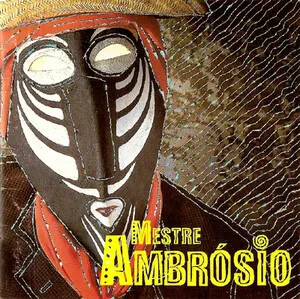
1996
Mestre Ambrósio
Mestre Ambrósio
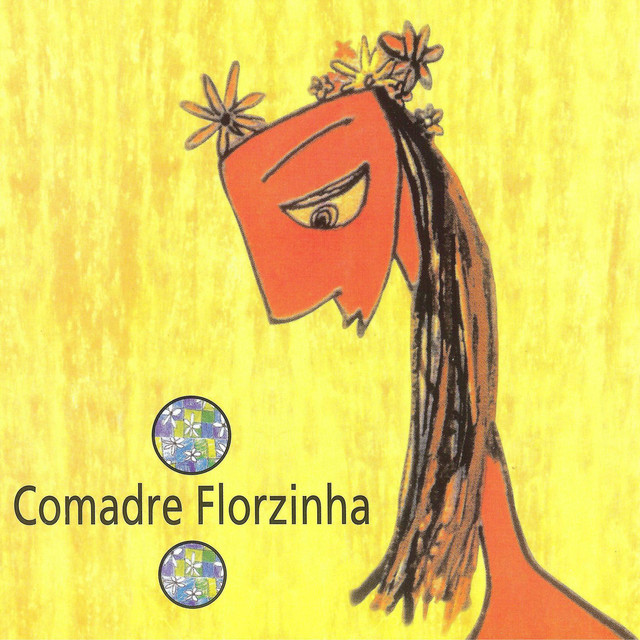
1999
Comadre Florzinha
Comadre Florzinha
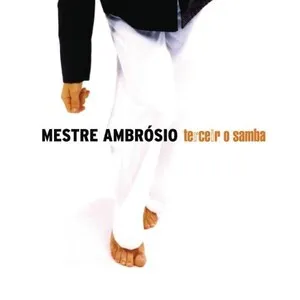
2001
Terceiro samba
Mestre Ambrósio
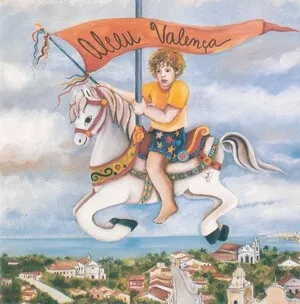
1994
Maracatus, Batuques e Ladeiras
Alceu Valença
2009
Nordeste contemporain 1997-2004 (North-East Brazilian Music)
Comadre Florzinha
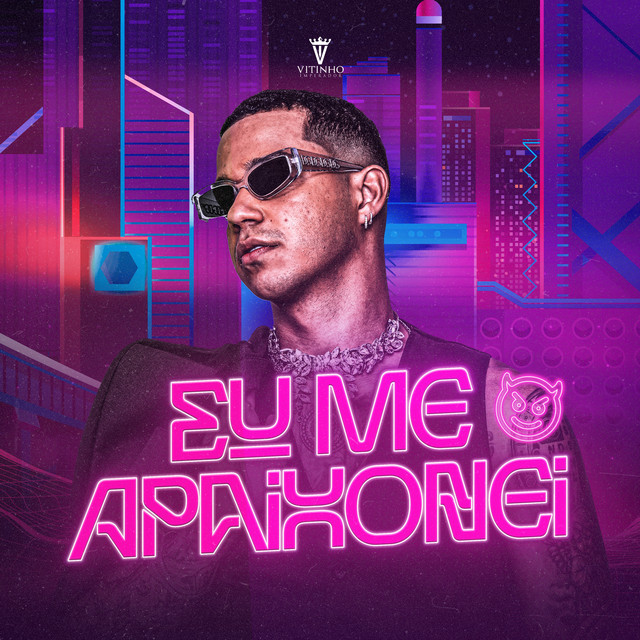
2025
Eu Me Apaixonei
Vitinho Imperador
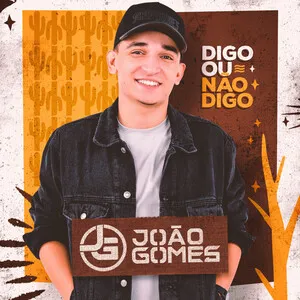
2022
Digo ou não digo
João Gomes
2025
Cortando Chão (Ao Vivo)
Natanzinho Lima
2020
O original
Zé Vaqueiro
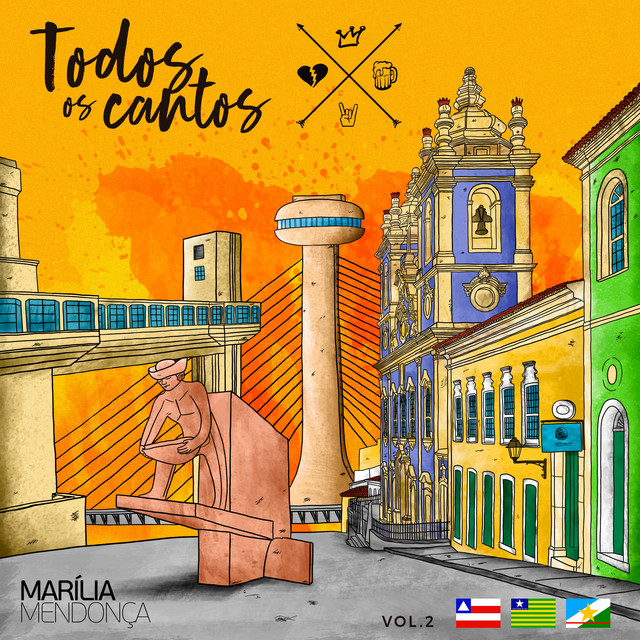
2019
Todos Os Cantos, Vol. 2 (ao Vivo)
Marília Mendonça
Download our mobile app
Get the Melodigging app and start digging for new genres on the go
Download on the App Store
Get it on Google Play
© 2026 Melodigging
Give feedback
Legal
Melodding was created as a tribute to
Every Noise at Once
, which inspired us to help curious minds keep digging into music's ever-evolving genres.