Genres
Artists
Albums
Make Music
Sign in
Sign in
Artists
Forró
Artists
Forró
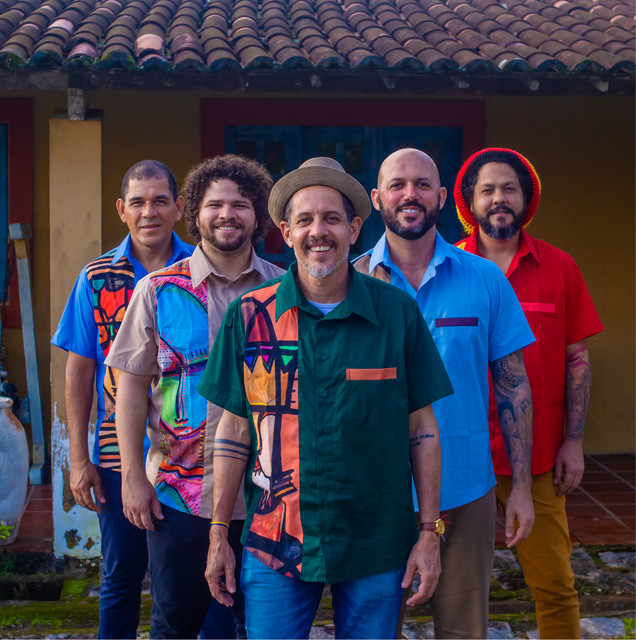
Nelson da Rabeca
2018
·
1 album
Listen
1
/5
Genres
Forró
Forró is a popular dance-music tradition from Brazil’s Northeast, centered on the trio of accordion (sanfona), zabumba (bass/tenor drum), and triangle. It encompasses a family of rhythms—most notably baião, xote, arrasta-pé, and xaxado—and is performed for partner dancing at parties and the June festivals (Festas Juninas). The style balances infectious, syncopated grooves with singable melodies and simple, diatonic harmony. Lyrically, forró often celebrates rural life, love, longing (saudade), and the culture of the sertão. Over time, it has branched into substyles ranging from the acoustic, rootsy pé-de-serra to modern, amplified and electronic variants.
Discover
Listen
Forró Tradicional
Forró tradicional (also called forró pé-de-serra) is the classic Northeastern Brazilian dance-music style centered on the trio of sanfona (accordion), zabumba (bass drum), and triangle. It blends regional rhythms such as baião, xote, and xaxado, creating a driving yet warm groove designed for close partner dancing. Characterized by syncopated percussion, lilting accordion melodies, and steady triangle patterns, the music ranges from mid-tempo sway to brisk, festive energy. Lyrics often portray rural life in the sertão, love and longing, migration to big cities, and the joy of June festivals (Festas Juninas), balancing celebration with bittersweet saudade.
Discover
Listen
Baião
Baião is a dance rhythm and song genre from Northeastern Brazil, characterized by a driving 2/4 groove led by the trio pé-de-serra: accordion (sanfona), zabumba (a double-headed bass drum), and triangle. Its hallmark is the syncopated interplay between the zabumba’s low and high strokes, a shimmering triangle ostinato, and accordion melodies that alternate between earthy, modal flavors and bright, diatonic hooks. Developed in rural contexts and urbanized on Brazilian radio, baião became a foundational pillar for the broader forró scene. Lyrically, classic baiões often reflect the sertão (semi-arid hinterland), drought, migration, longing (saudade), and everyday love and humor. The style’s compact harmonies, strong groove, and memorable refrains helped it travel far beyond its region, shaping Brazilian popular music for decades.
Discover
Listen
Jazz
Jazz is an improvisation-centered music tradition that emerged from African American communities in the early 20th century. It blends blues feeling, ragtime syncopation, European harmonic practice, and brass band instrumentation into a flexible, conversational art. Defining features include swing rhythm (a triplet-based pulse), call-and-response phrasing, blue notes, and extended harmonies built on 7ths, 9ths, 11ths, and 13ths. Jazz is as much a way of making music—spontaneous interaction, variation, and personal sound—as it is a set of forms and tunes. Across its history, jazz has continually hybridized, from New Orleans ensembles and big-band swing to bebop, cool and hard bop, modal and free jazz, fusion, and contemporary cross-genre experiments. Its influence permeates global popular and art music.
Discover
Listen
Coco
Coco is an Afro-Brazilian rhythm and community dance-song tradition from Northeastern Brazil, especially Pernambuco, Paraíba, Alagoas, and Rio Grande do Norte. It features a propulsive, repetitive groove in duple meter, call-and-response vocals led by a mestre (leader) and answered by a chorus, and a distinctive percussive "pisada" (stomping) that turns the dancing circle into a rhythmic instrument. Performers typically gather in a roda (circle), clapping, stepping, and spinning to the beat—often at weekend street parties, religious/festive gatherings, and Carnival. Coco is closely related to (and sometimes synonymous with) embolada, the fast, tongue‑twisting, often improvised song form accompanied by pandeiro. Its antiphonal singing and cyclic percussion patterns echo West and Central African work songs and ritual music, and its participatory energy is comparable to capoeira music—joyful, communal, and irresistibly dancing.
Discover
Listen
Traditional Folk
Traditional folk is a broad umbrella for orally transmitted songs and dance tunes that circulated in rural and working-class communities before the age of mass recording. Repertoires include narrative ballads, laments, love songs, work songs, lullabies, and instrumental dance sets such as reels, jigs, hornpipes, and marches. Stylistically, traditional folk favors strophic forms, pentatonic or modal melodies (often Dorian and Mixolydian), limited harmonic movement, and strong, memorable tunes designed for communal singing and dancing. Performances range from unaccompanied solo voice to small ensembles built around fiddle, flute/whistle, pipes, concertina/accordion, guitar, banjo, and frame drum. Ornamentation, variation by verse, and flexible tempo are integral, reflecting an oral tradition where songs live through continual reinterpretation. Although it is pan‑regional, the modern idea of “traditional folk” coalesced in the 19th century through collectors and revivalists who documented vernacular music and framed it as cultural heritage.
Discover
Listen
Albums
2018
1
/5
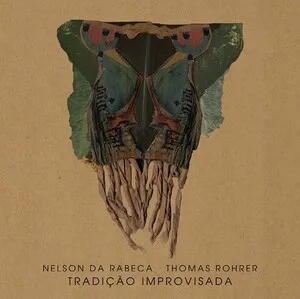
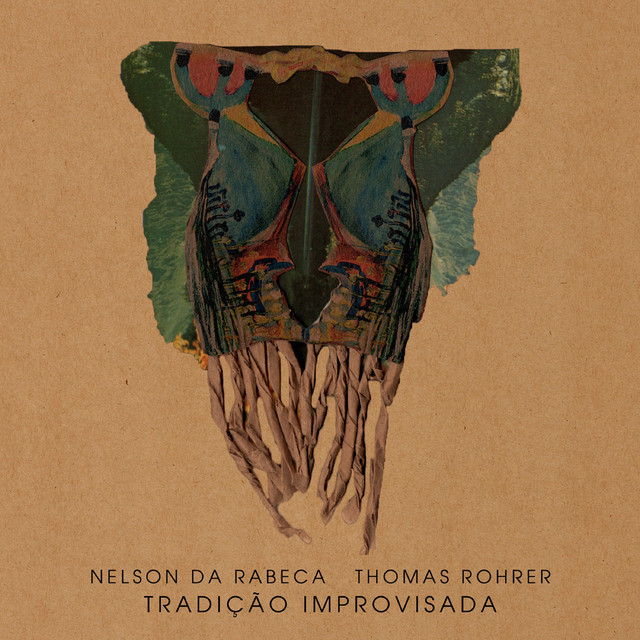
Tradição improvisada
Nelson da Rabeca & Thomas Rohrer
Coco
Forró
Baião
Similar artists
1
/5
Cascabulho
Forró
Forró Tradicional
Baião
1
/5
Thomas Rohrer
Forró Tradicional
Free Jazz
Nova Musica Paulista
2
/5
Joao Do Vale
Baião
Forró
Mpb
2
/5
Comadre Florzinha
Maracatu
Forró
Forró Tradicional
2
/5
Jackson Do Pandeiro
Forró
Coco
Samba
2
/5
A Barca
Axé
Forró
Forró Tradicional
1
/5
Zabé da Loca
Maracatu
Forró
Forró Tradicional
1
/5
Dona Benedita
Forró
Forró Tradicional
Traditional Folk
1
/5
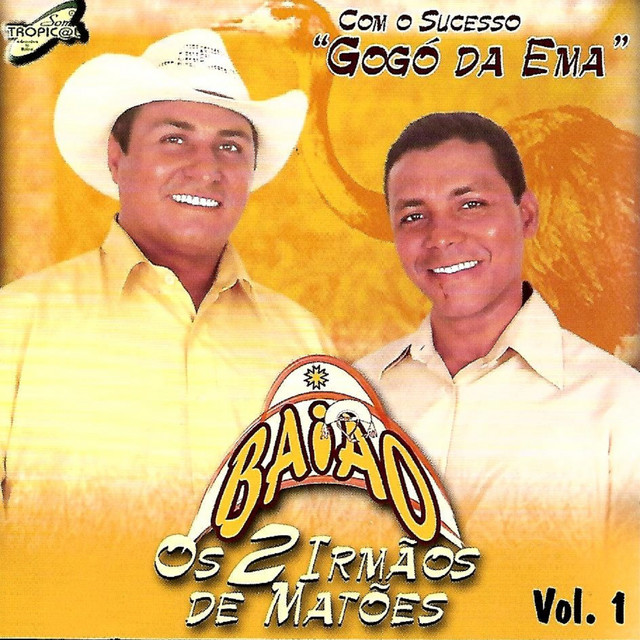
Os 2 Irmãos de Matões
Baião
Brega
Forró
1
/5
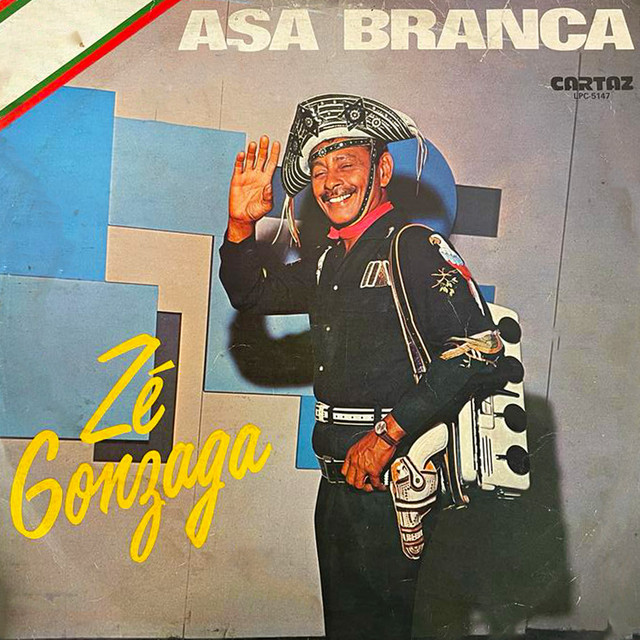
Zé Gonzaga
Baião
Forró
Forró Tradicional
Download our mobile app
Get the Melodigging app and start digging for new genres on the go
Download on the App Store
Get it on Google Play
© 2026 Melodigging
Give feedback
Legal
Melodding was created as a tribute to
Every Noise at Once
, which inspired us to help curious minds keep digging into music's ever-evolving genres.