Genres
Artists
Albums
Make Music
Sign in
Sign in
Artists
Axé
Artists
Axé
A Barca
Listen
2
/5
Genres
Axé
Axé is a high-energy popular music from Salvador, Bahia, that fuses Afro-Brazilian and Caribbean rhythms with pop and rock songcraft. Designed for massive Carnival parades, it pairs large percussion ensembles with bright electric guitars, brass hooks, and call-and-response vocals to drive dancing crowds along the trio elétrico (truck-mounted sound stages). Grounded in afoxê/ijexá and samba-reggae grooves, axé favors upbeat major-key melodies, anthemic choruses, and lyrics celebrating joy, love, summer, Afro-Bahian pride, and the collective ecstasy of the street party. Its sound is at once percussive and melodic: layered surdos, timbales, repiniques, and atabaques interlock beneath catchy horn lines and pop arrangements built to move tens of thousands of revelers.
Discover
Listen
Traditional Music
Traditional music is an umbrella term used in the mid–20th century by folklorists and ethnomusicologists to denote community-rooted, orally transmitted repertoires tied to social ritual, work, celebration, and storytelling. Unlike commercial pop or art-music traditions, traditional music is typically learned by ear, varies regionally, and evolves slowly through communal participation. It often features modal melodies, cyclic rhythms, heterophony or unison singing, and indigenous instruments whose timbres are integral to local identity. Lyrics tend to preserve language, history, and collective memory. While the musical practices themselves can be ancient, the phrase “traditional music” emerged to replace earlier, narrower or colonial framings like “folk” or “ethnic” music, foregrounding continuity, locality, and living practice rather than exoticism.
Discover
Listen
Forró
Forró is a popular dance-music tradition from Brazil’s Northeast, centered on the trio of accordion (sanfona), zabumba (bass/tenor drum), and triangle. It encompasses a family of rhythms—most notably baião, xote, arrasta-pé, and xaxado—and is performed for partner dancing at parties and the June festivals (Festas Juninas). The style balances infectious, syncopated grooves with singable melodies and simple, diatonic harmony. Lyrically, forró often celebrates rural life, love, longing (saudade), and the culture of the sertão. Over time, it has branched into substyles ranging from the acoustic, rootsy pé-de-serra to modern, amplified and electronic variants.
Discover
Listen
Forró Tradicional
Forró tradicional (also called forró pé-de-serra) is the classic Northeastern Brazilian dance-music style centered on the trio of sanfona (accordion), zabumba (bass drum), and triangle. It blends regional rhythms such as baião, xote, and xaxado, creating a driving yet warm groove designed for close partner dancing. Characterized by syncopated percussion, lilting accordion melodies, and steady triangle patterns, the music ranges from mid-tempo sway to brisk, festive energy. Lyrics often portray rural life in the sertão, love and longing, migration to big cities, and the joy of June festivals (Festas Juninas), balancing celebration with bittersweet saudade.
Discover
Listen
Traditional Folk
Traditional folk is a broad umbrella for orally transmitted songs and dance tunes that circulated in rural and working-class communities before the age of mass recording. Repertoires include narrative ballads, laments, love songs, work songs, lullabies, and instrumental dance sets such as reels, jigs, hornpipes, and marches. Stylistically, traditional folk favors strophic forms, pentatonic or modal melodies (often Dorian and Mixolydian), limited harmonic movement, and strong, memorable tunes designed for communal singing and dancing. Performances range from unaccompanied solo voice to small ensembles built around fiddle, flute/whistle, pipes, concertina/accordion, guitar, banjo, and frame drum. Ornamentation, variation by verse, and flexible tempo are integral, reflecting an oral tradition where songs live through continual reinterpretation. Although it is pan‑regional, the modern idea of “traditional folk” coalesced in the 19th century through collectors and revivalists who documented vernacular music and framed it as cultural heritage.
Discover
Listen
Similar artists
2
/5
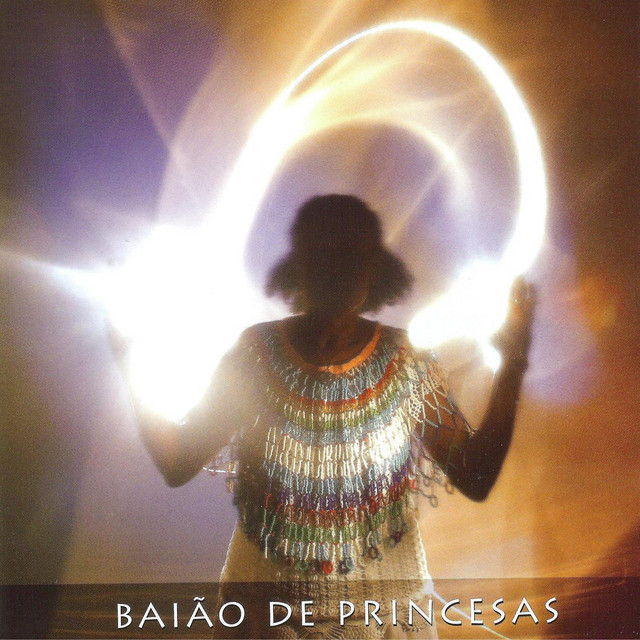
Caraivana
Axé
Forró
Forró Tradicional
1
/5
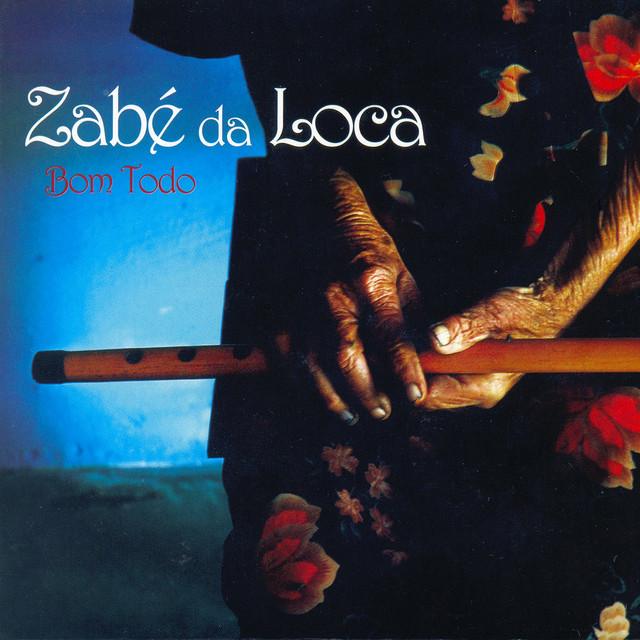
Zabé da Loca
Maracatu
Forró
Forró Tradicional
1
/5
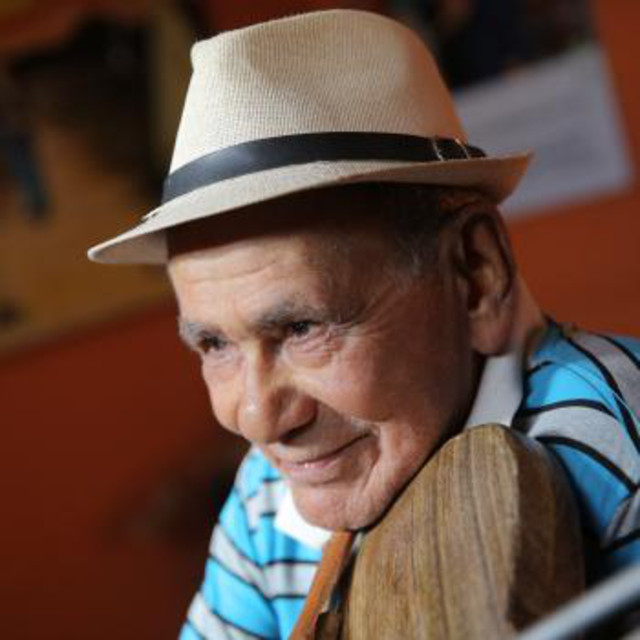
Nelson da Rabeca
Forró
Forró Tradicional
Traditional Folk
1
/5
Dona Benedita
Forró
Forró Tradicional
Traditional Folk
4
/5
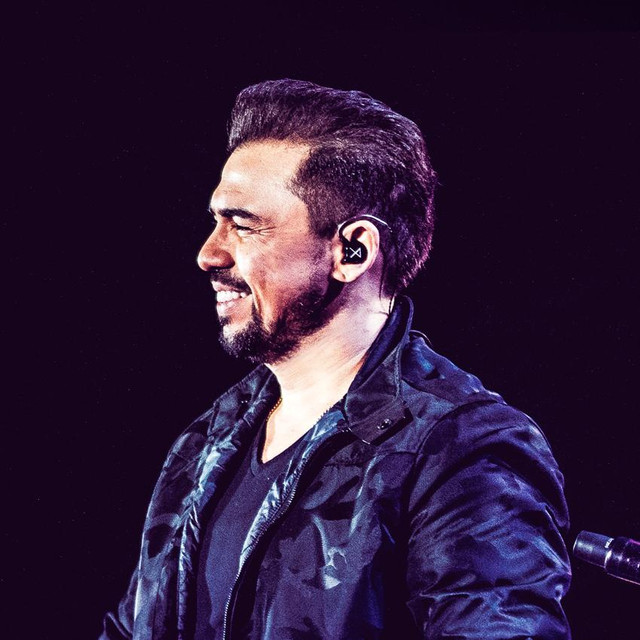
Léo Santana
Axé
Arrocha
Brazilian Pop
4
/5
Aviões do Forró
Forró Eletrônico
Forró
Arrocha
3
/5
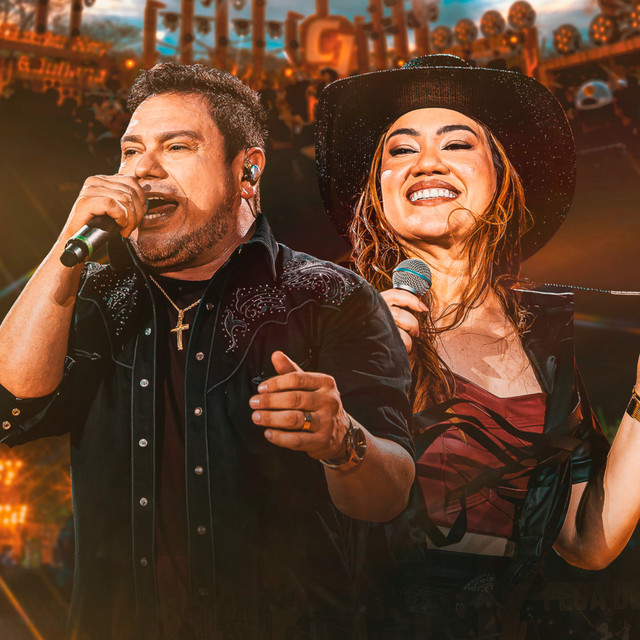
Claudio Ney & Juliana
Brega
Forró
Seresta
3
/5
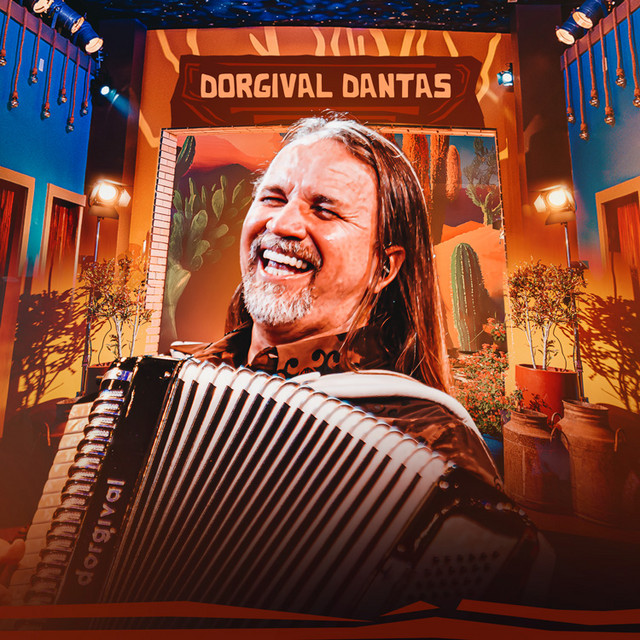
Dorgival Dantas
Forró
Forró Tradicional
Piseiro
3
/5
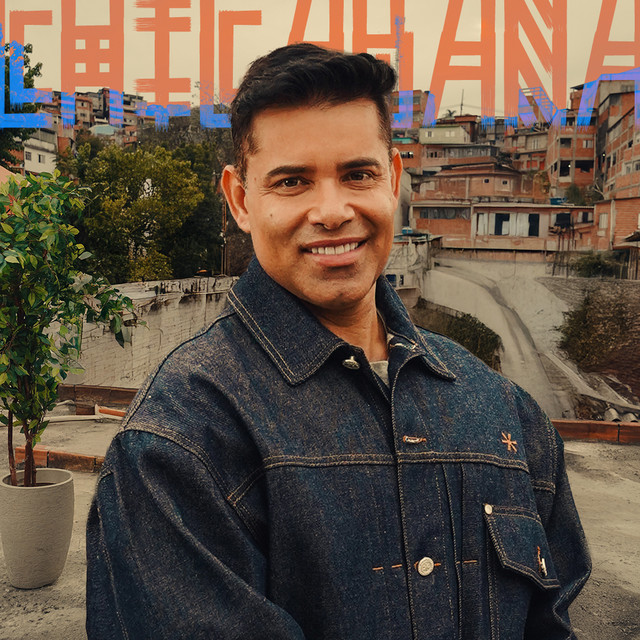
Kiko Chicabana
Axé
Arrocha
Brega
3
/5
Luxuria
Arrocha
Axé
Brega
Download our mobile app
Get the Melodigging app and start digging for new genres on the go
Download on the App Store
Get it on Google Play
© 2026 Melodigging
Give feedback
Legal
Melodding was created as a tribute to
Every Noise at Once
, which inspired us to help curious minds keep digging into music's ever-evolving genres.