Genres
Artists
Albums
Make Music
Sign in
Sign in
Artists
Axé
Artists
Axé
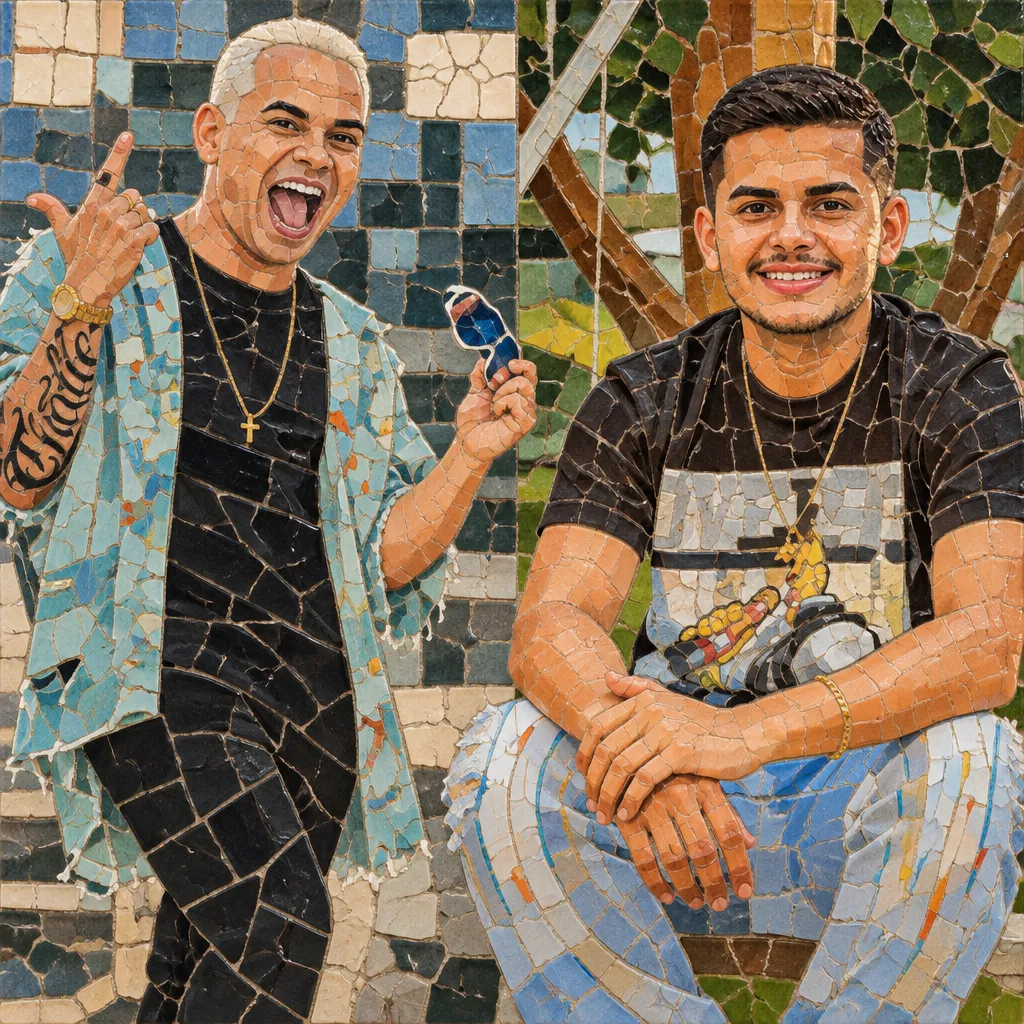
Léo Santana
2017–2025
·
5 albums
Listen
4
/5
Genres
Brazilian Phonk
Brazilian phonk is a contemporary offshoot of phonk that fuses 1990s Memphis-rap aesthetics with the percussion, swing, and party energy of Brazilian baile funk. Producers keep the gritty, overdriven 808s, cowbells, and chopped vocal-manipulation that define phonk, then layer in tamborzão-leaning drum programming and Portuguese/Portuguese-slang vocal chops. Typically faster and more dance-focused than classic or drift phonk, Brazilian phonk often runs between 140–170 BPM, features clipped/distorted low end, syncopated claps, and razor-sharp percussive fills borrowed from funk carioca/mandelão. It is heavily tied to online culture—thriving on TikTok/Instagram “edits,” motovlog/car videos, and YouTube channels—where its high-impact drops and punchy loop design translate into quick virality.
Discover
Listen
Brazilian Trap
Brazilian trap (trap brasileiro) is the Brazilian adaptation of the Atlanta-born trap sound, performed primarily in Portuguese and colored by local rhythms, slang, and aesthetics. It features 808-heavy beats, half-time grooves, rapid hi-hat rolls, and melodic, Auto-Tuned vocals, while often folding in the swing and percussive feel of funk carioca. Lyrics commonly move between street realities, internet-native lifestyle, fashion, and aspirational luxury, with strong regional accents and Brazilian vernacular giving it a distinct identity from US trap.
Discover
Listen
Game Mood
Game mood is a contemporary, internet-native style that blends chill, loop-friendly electronic production with the melodic signifiers of video game music. It is crafted to sit comfortably behind gameplay, streaming, studying, or casual listening. The palette typically includes soft synth pads, gentle sidechained chords, arpeggiated leads, and light, clicky drum programming. Subtle chiptune timbres, sparkling bell or mallet tones, retro console textures, and synthwave-adjacent pads are common, while arrangements avoid intrusive vocals and sharp transients so the music remains non-distracting. Tempos are usually mid-slow (often 70–100 BPM or 120–140 BPM in half-time), harmonies are diatonic and consonant, and tracks are structured in seamless loops or gradual layer builds. The overall feel is soothing, nostalgic, and lightly propulsive—ideal for maintaining focus while preserving a sense of playful immersion.
Discover
Listen
Bregadeira
Bregadeira is a contemporary Brazilian party style that fuses romantic and melodic brega songwriting with the percussive swing of pagodão baiano and the booming low‑end of funk scenes. Built for paredão (sound‑system) culture, it emphasizes catchy hooks, call‑and‑response vocals, and drop‑driven arrangements that explode on heavy car and street systems. Producers blend tamborzão- and pagodão‑inspired drum patterns with technobrega/brega‑funk synths and sub‑bass, creating an extroverted, dance‑first sound that can be both flirtatious and rowdy.
Discover
Listen
Pop Lgbtq+ Brasileira
Pop lgbtq+ brasileira is contemporary Brazilian pop created by openly LGBTQIA+ artists and rooted in the country’s club culture, internet-native scenes, and mainstream pop industry. Sonically, it blends glossy electropop and dance-pop with distinctly Brazilian rhythms and textures—most notably funk carioca’s tamborzão, brega/tecno-brega melodrama, axé’s carnival exuberance, and MPB’s lyrical sensibility. Productions often pull from reggaeton, house, trap-funk, and ballroom-vogue percussion, yielding high-energy tracks designed for both radio and dance floors. The genre is as much about voice and visibility as it is about hooks: lyrics commonly foreground queer love, pride, self-fashioning, resilience, and nightlife. Vocals range from diva belting to rap/sung hybrids, with campy, theatrical performance aesthetics that translate strongly to video and stage. The scene’s rise is tightly linked to streaming-era dynamics, YouTube/Instagram/TikTok virality, and collaborations with DJs and funk producers.
Discover
Listen
Deboxe
Deboxe is a contemporary Brazilian club and car-audio offshoot of funk that emphasizes massive, hypnotic sub‑bass, sparse drum patterns, and short, chant-like vocal phrases. Compared with earlier funk styles, deboxe is darker and more minimal: long 808 glides, roomy percussive hits, and reverbed stabs create an atmosphere designed for huge speaker arrays and parking‑lot parties. Drops are often built around “desande” moments—sections where the groove strips down, then slams back with heavier bass—while producer tags, chopped ad‑libs, and micro‑hooks replace long verses. Tempos most commonly sit between 135–150 BPM, borrowing the drive of mega funk and the weight of automotivo (car‑sound) culture, but delivered with a swaggering, deboche (“mocking”) attitude that gives the genre its name and vibe.
Discover
Listen
Funk De Bh
Funk de BH (Belo Horizonte) is a regional strain of Brazilian funk that crystallized in Minas Gerais’ capital during the 2010s. It takes the party-ready DNA of funk brasileiro and pares it down to a darker, more hypnotic, bass‑led minimalism. Compared with Rio’s tamborzão-driven euphoria or São Paulo’s ostentação flash, Funk de BH emphasizes sub‑heavy 808s, sparse percussion, and chant‑like vocals that feel intimate and street‑level. The result is a moody, rolling groove aimed equally at neighborhood bailes and car‑sound (“som de carro”) culture, with lyrics that swing between hedonistic party themes, everyday hustle, and local pride.
Discover
Listen
Ritmada
Ritmada is a contemporary Brazilian dance-music style built around short, repetitive, resonant rhythmic loops. It favors immersive, highly danceable grooves that draw on Afro‑Brazilian percussion and timbres, but presents them with a cleaner, more radio-friendly production aesthetic. Compared to rougher street-oriented bass styles, ritmada typically places greater emphasis on sung or rapped lyrics and hook structure, while keeping the beat hypnotic and driving.
Discover
Listen
Trapfunk
Trapfunk is a Brazilian hybrid that fuses the drum programming, 808 bass, and hi‑hat articulations of trap with the syncopated tamborzão grooves, vocal cadences, and party‑ready attitude of funk carioca (baile funk). Tracks typically balance sparse, hard‑hitting trap frameworks with driving Brazilian funk percussion at 130–150 BPM, sliding 808s, and vocal deliveries that alternate between melodic hooks and rapid-fire chants. Lyrically, it draws on the street storytelling, ostentation, and party culture of the baile while adopting the darker textures and sound design of contemporary trap. The result is a club-optimized, bass-forward style that feels equally at home in the baile, on streaming playlists, and across social platforms, linking Brazil’s local funk scenes to global trap aesthetics.
Discover
Listen
New Mpb
New MPB (Nova Música Popular Brasileira in English usage) is a 2010s–2020s wave that refreshes classic MPB’s songwriting craft with indie, R&B, hip‑hop, and electronic production. It keeps the genre’s hallmark: sophisticated harmony, intimate vocals, and poetry‑forward lyrics in Portuguese. Sonically, you’ll hear nylon‑string guitars and Rhodes pianos beside drum machines, 808s, and warm synths. Rhythms nod to samba, bossa nova, baião, and funk carioca while embracing modern pop swing and hip‑hop backbeats. The result is stylish, urban, and contemporary—romantic and reflective, yet danceable and groove‑savvy.
Discover
Listen
Urban Kiz
Urban Kiz is a contemporary, club-oriented offshoot of kizomba that took shape in Europe—especially in Paris—in the early-to-mid 2010s. It adapts the sensual, close-connection feel of kizomba to straighter, trap- and R&B-influenced beats with pronounced bass lines, crisp hi‑hats, and engineered breaks that suit the stop‑and‑go aesthetics of Urban Kiz social dancing. Musically, it favors 4/4 grooves around 88–102 BPM, less of the lilting/zouk swing found in classic kizomba, and more linear phrasing with dramatic drops, filters, and space for micro-pauses. Vocals (often in Portuguese, French, Cape Verdean Creole, or English) may be original toplines, sampled phrases, or R&B‑style hooks layered over sleek electronic production. Producers frequently label releases or remixes specifically for "Urban Kiz" floors, reinforcing the genre’s identity within the partner‑dance scene.
Discover
Listen
Arrocha
Arrocha is a romantic, dance-oriented pop style that emerged in the interior of Bahia, Brazil—most notably around Candeias. The name comes from Brazilian Portuguese slang meaning “to hold tight,” which captures the genre’s intimate, slow-to-mid‑tempo embrace on the dance floor. Musically, arrocha blends the sentimental, melodramatic songwriting of brega romântico with rhythmic and timbral touches from Bahia’s axé and the northeastern forró tradition. Smooth synths, electric guitar arpeggios, accordion or keyboard leads, and programmed drums support emotive, melismatic vocals that center on love, longing, jealousy, and reconciliation.
Discover
Listen
Piseiro
Piseiro is a contemporary Brazilian dance style that emerged in the interior of Northeast Brazil in the 2000s. It is commonly described as a homemade, pared-down branch of forró eletrônico, built around electronic keyboard timbres, a strong, repetitive groove, and catchy vocal hooks. The sound often favors simple harmonic movement, punchy bass lines, and sing-along choruses, with vocal harmonization used to amplify the party-friendly, communal feel. In the 2010s–2020s it became nationally popular through streaming and social media, frequently blending with other regional “forró/sertanejo” currents while keeping its characteristic keyboard-driven backbone.
Discover
Listen
Pagodão
Pagodão (often called pagode baiano) is a high-energy Brazilian style from Salvador, Bahia that fuses the swing and percussion of samba-reggae with pagode’s party atmosphere. Compared with Rio/São Paulo pagode, pagodão is faster, heavier on percussion, and commonly features choreographed dance moves on stage and among audiences. It emphasizes tight, repeating electric-guitar riffs alongside powerful drums and Afro-Bahian percussion such as atabaques and pandeiros, creating a carnival-ready groove. Because it emerged in Bahia and shared mainstream success in the 1990s–2000s, pagodão is often confused with axé music. While the two scenes intersected, pagodão’s core identity is the blend of samba-reggae pulse with pagode-style hooks and call-and-response vocals, driven by bloco-style percussion and street-party energy.
Discover
Listen
Axé
Axé is a high-energy popular music from Salvador, Bahia, that fuses Afro-Brazilian and Caribbean rhythms with pop and rock songcraft. Designed for massive Carnival parades, it pairs large percussion ensembles with bright electric guitars, brass hooks, and call-and-response vocals to drive dancing crowds along the trio elétrico (truck-mounted sound stages). Grounded in afoxê/ijexá and samba-reggae grooves, axé favors upbeat major-key melodies, anthemic choruses, and lyrics celebrating joy, love, summer, Afro-Bahian pride, and the collective ecstasy of the street party. Its sound is at once percussive and melodic: layered surdos, timbales, repiniques, and atabaques interlock beneath catchy horn lines and pop arrangements built to move tens of thousands of revelers.
Discover
Listen
Funk Brasileiro
Funk brasileiro (also known internationally as baile funk) is an urban dance music from Brazil that grew out of Rio de Janeiro’s favela party culture. It took the skeletal templates of Miami bass and electro, then reimagined them with Portuguese lyrics, crowd‑shouting hooks, and Afro‑Brazilian rhythmic ideas. The sound is defined by booming 808 sub‑bass, punchy drum programming, and chant‑like vocals designed for participation on the dance floor. While early tracks typically sat around 130–140 BPM with the iconic tamborzão groove, later waves popularized 150 BPM energy and an even more percussive, hard‑hitting feel. Lyrically it ranges from party anthems and romantic “melody” cuts to street reportage and social commentary. Over time it branched into many substyles—proibidão, ostentação, 150 BPM/mandelão, automotivo, and pop‑crossover hybrids—while influencing global pop, rap, and club music.
Discover
Listen
Pagode
Pagode is a substyle of Brazilian samba that crystallized in Rio de Janeiro in the late 1970s and became a national phenomenon in the 1980s. The word "pagode" originally meant a backyard party, and the genre reflects that intimate, convivial setting: acoustic instruments clustered around a table, communal singing, call-and-response hooks, and lyrics about love, friendship, bohemian life, and everyday humor. Musically, pagode emphasizes a warm, mid-tempo samba groove driven by hand percussion (pandeiro, repique de mão, tantã) and the bright strum of cavaquinho or banjo-cavaquinho. It favors catchy choruses, tight vocal harmonies (coro de apoio), and short, memorable melodies over virtuosic display. In the 1990s, a smoother, pop-leaning branch—often called pagode romântico—added keyboards, fuller vocal arrangements, and lush production, taking the style to mainstream radio while preserving its samba pulse.
Discover
Listen
Brazilian Pop
Brazilian pop is the mainstream-oriented spectrum of popular music made in Brazil, merging local rhythmic DNA (samba, bossa nova, MPB, axé, forró, sertanejo) with international pop, rock, R&B, and electronic production. Across eras, it has balanced melodic immediacy and radio-friendly structures with the harmonic richness and syncopation characteristic of Brazilian traditions. In the 2010s–2020s, Brazilian pop increasingly incorporates baile funk grooves, trap/R&B textures, and polished EDM elements, while retaining Portuguese lyrics, regional slang, and themes tied to Brazilian daily life, romance, and celebration.
Discover
Listen
Forró
Forró is a popular dance-music tradition from Brazil’s Northeast, centered on the trio of accordion (sanfona), zabumba (bass/tenor drum), and triangle. It encompasses a family of rhythms—most notably baião, xote, arrasta-pé, and xaxado—and is performed for partner dancing at parties and the June festivals (Festas Juninas). The style balances infectious, syncopated grooves with singable melodies and simple, diatonic harmony. Lyrically, forró often celebrates rural life, love, longing (saudade), and the culture of the sertão. Over time, it has branched into substyles ranging from the acoustic, rootsy pé-de-serra to modern, amplified and electronic variants.
Discover
Listen
Sertanejo
Sertanejo is Brazil’s homegrown counterpart to country music, rooted in the rural song traditions of the country’s interior (música caipira) and later modernized for urban radio and arenas. Its core sound revolves around close-harmony duos, storytelling lyrics about love, longing, and countryside life, and the distinctive timbre of the viola caipira (10‑string Brazilian guitar) alongside acoustic guitar, accordion, and, in contemporary productions, full rhythm sections and pop‑leaning arrangements. Across a century, sertanejo evolved through several waves: the narrative, acoustic sertanejo raiz; the polished, romantic duos that conquered national television and FM radio; and the 2000s/2010s universitário movement that fused pop, rock, and electronic textures. Today it is one of Brazil’s most commercially dominant genres, spawning numerous substyles and crossovers while retaining its identity of heartfelt vocal harmonies and sing‑along choruses.
Discover
Listen
Show all 20 genres
Albums
2025
3
/5
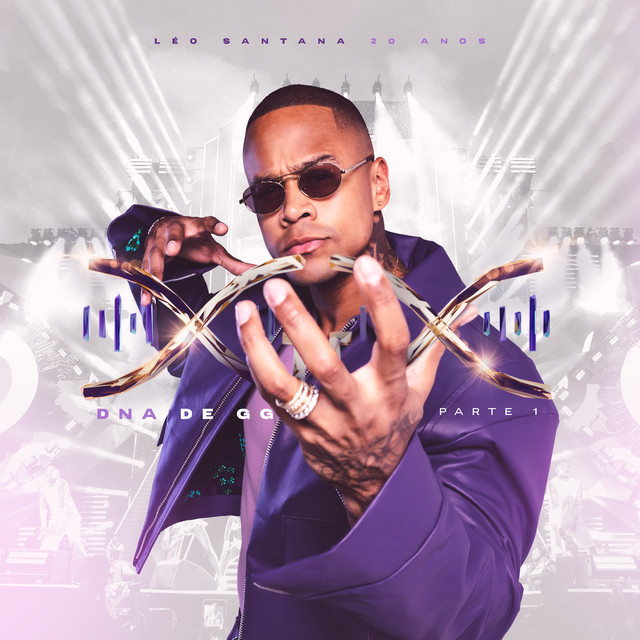
Léo Santana 20 Anos - DNA De GG (Ao Vivo / Parte 1)
Leo Santana
Axé
Brazilian Pop
Forró
2024
3
/5
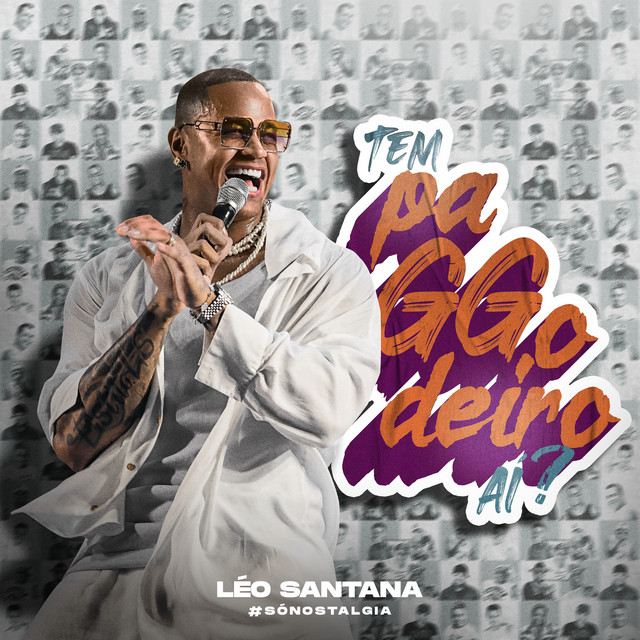
Tem paGGodeiro aí? (#sónostalgia) [Ao Vivo]
Leo Santana
Axé
2022
3
/5
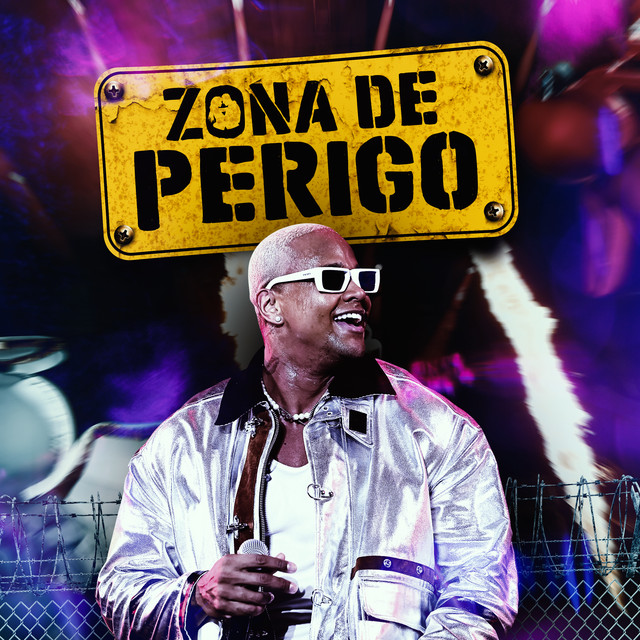
Zona De Perigo
Leo Santana
Axé
Brazilian Pop
Forró
2018
2
/5
Crush Blogueirinha
Leo Santana
Axé
2017
2
/5
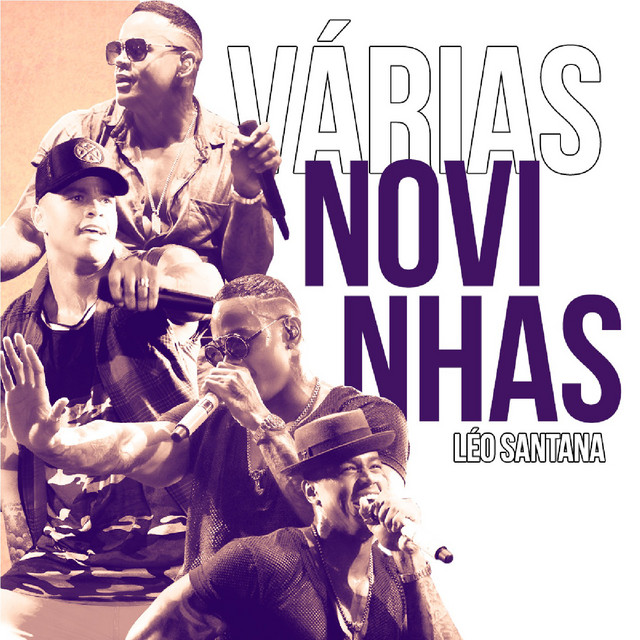
Várias Novinhas - Single
Leo Santana
Axé
Similar artists
4
/5
Simone Mendes
Forró
Pagode
Arrocha
4
/5
Matheus Fernandes
Forró
Pagode
Piseiro
3
/5
Kiko Chicabana
Axé
Arrocha
Brega
4
/5
Aviões do Forró
Forró
Forró Eletrônico
Arrocha
3
/5
Luxuria
Arrocha
Axé
Brega
3
/5
Nêgo Jhá
Brega Funk
Arrocha
Axé
3
/5
Neto LX
Arrocha
Axé
Brega
3
/5
Banda Gasparzinho
Arrocha
Axé
Brega
3
/5
Lambasaia
Arrocha
Axé
Brega
2
/5
Rei da Cacimbinha
Arrocha
Axé
Brega
Download our mobile app
Get the Melodigging app and start digging for new genres on the go
Download on the App Store
Get it on Google Play
© 2026 Melodigging
Give feedback
Legal
Melodding was created as a tribute to
Every Noise at Once
, which inspired us to help curious minds keep digging into music's ever-evolving genres.