Genres
Make Music
Artists
Albums
Challenges
Sign in
Sign in
Albums
By Léo Santana
Albums
By Léo Santana
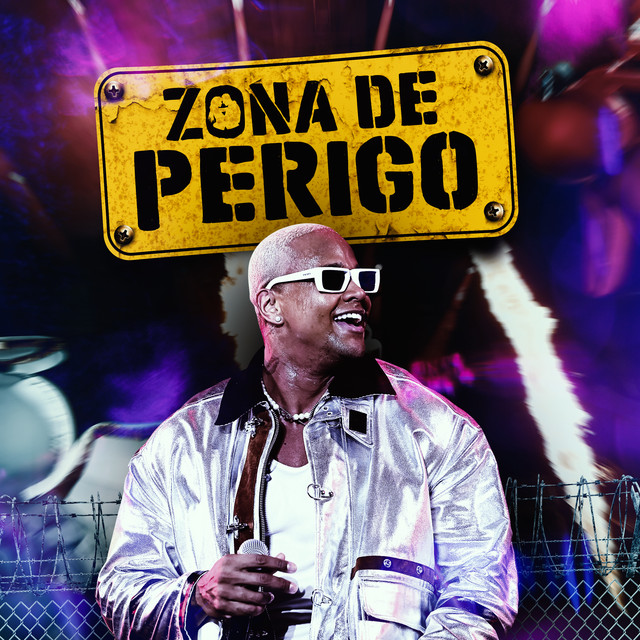
Zona De Perigo
December 8, 2022
Listen
3
/5
Genres
Piseiro
Piseiro is a contemporary Brazilian dance style that emerged in the interior of Northeast Brazil in the 2000s. It is commonly described as a homemade, pared-down branch of forró eletrônico, built around electronic keyboard timbres, a strong, repetitive groove, and catchy vocal hooks. The sound often favors simple harmonic movement, punchy bass lines, and sing-along choruses, with vocal harmonization used to amplify the party-friendly, communal feel. In the 2010s–2020s it became nationally popular through streaming and social media, frequently blending with other regional “forró/sertanejo” currents while keeping its characteristic keyboard-driven backbone.
Discover
Listen
Arrocha
Arrocha is a romantic, dance-oriented pop style that emerged in the interior of Bahia, Brazil—most notably around Candeias. The name comes from Brazilian Portuguese slang meaning “to hold tight,” which captures the genre’s intimate, slow-to-mid‑tempo embrace on the dance floor. Musically, arrocha blends the sentimental, melodramatic songwriting of brega romântico with rhythmic and timbral touches from Bahia’s axé and the northeastern forró tradition. Smooth synths, electric guitar arpeggios, accordion or keyboard leads, and programmed drums support emotive, melismatic vocals that center on love, longing, jealousy, and reconciliation.
Discover
Listen
Axé
Axé is a high-energy popular music from Salvador, Bahia, that fuses Afro-Brazilian and Caribbean rhythms with pop and rock songcraft. Designed for massive Carnival parades, it pairs large percussion ensembles with bright electric guitars, brass hooks, and call-and-response vocals to drive dancing crowds along the trio elétrico (truck-mounted sound stages). Grounded in afoxê/ijexá and samba-reggae grooves, axé favors upbeat major-key melodies, anthemic choruses, and lyrics celebrating joy, love, summer, Afro-Bahian pride, and the collective ecstasy of the street party. Its sound is at once percussive and melodic: layered surdos, timbales, repiniques, and atabaques interlock beneath catchy horn lines and pop arrangements built to move tens of thousands of revelers.
Discover
Listen
Pagode
Pagode is a substyle of Brazilian samba that crystallized in Rio de Janeiro in the late 1970s and became a national phenomenon in the 1980s. The word "pagode" originally meant a backyard party, and the genre reflects that intimate, convivial setting: acoustic instruments clustered around a table, communal singing, call-and-response hooks, and lyrics about love, friendship, bohemian life, and everyday humor. Musically, pagode emphasizes a warm, mid-tempo samba groove driven by hand percussion (pandeiro, repique de mão, tantã) and the bright strum of cavaquinho or banjo-cavaquinho. It favors catchy choruses, tight vocal harmonies (coro de apoio), and short, memorable melodies over virtuosic display. In the 1990s, a smoother, pop-leaning branch—often called pagode romântico—added keyboards, fuller vocal arrangements, and lush production, taking the style to mainstream radio while preserving its samba pulse.
Discover
Listen
Brazilian Pop
Brazilian pop is the mainstream-oriented spectrum of popular music made in Brazil, merging local rhythmic DNA (samba, bossa nova, MPB, axé, forró, sertanejo) with international pop, rock, R&B, and electronic production. Across eras, it has balanced melodic immediacy and radio-friendly structures with the harmonic richness and syncopation characteristic of Brazilian traditions. In the 2010s–2020s, Brazilian pop increasingly incorporates baile funk grooves, trap/R&B textures, and polished EDM elements, while retaining Portuguese lyrics, regional slang, and themes tied to Brazilian daily life, romance, and celebration.
Discover
Listen
Forró
Forró is a popular dance-music tradition from Brazil’s Northeast, centered on the trio of accordion (sanfona), zabumba (bass/tenor drum), and triangle. It encompasses a family of rhythms—most notably baião, xote, arrasta-pé, and xaxado—and is performed for partner dancing at parties and the June festivals (Festas Juninas). The style balances infectious, syncopated grooves with singable melodies and simple, diatonic harmony. Lyrically, forró often celebrates rural life, love, longing (saudade), and the culture of the sertão. Over time, it has branched into substyles ranging from the acoustic, rootsy pé-de-serra to modern, amplified and electronic variants.
Discover
Listen
Sertanejo
Sertanejo is Brazil’s homegrown counterpart to country music, rooted in the rural song traditions of the country’s interior (música caipira) and later modernized for urban radio and arenas. Its core sound revolves around close-harmony duos, storytelling lyrics about love, longing, and countryside life, and the distinctive timbre of the viola caipira (10‑string Brazilian guitar) alongside acoustic guitar, accordion, and, in contemporary productions, full rhythm sections and pop‑leaning arrangements. Across a century, sertanejo evolved through several waves: the narrative, acoustic sertanejo raiz; the polished, romantic duos that conquered national television and FM radio; and the 2000s/2010s universitário movement that fused pop, rock, and electronic textures. Today it is one of Brazil’s most commercially dominant genres, spawning numerous substyles and crossovers while retaining its identity of heartfelt vocal harmonies and sing‑along choruses.
Discover
Listen
Similar albums
2025
Léo Santana 20 Anos - DNA De GG (Ao Vivo / Parte 1)
Leo Santana
2025
Saudade Proibida (Ao Vivo)
Simone Mendes
2025
Mesmice (Ao Vivo)
Simone Mendes
2025
Cantando Sua História 2
Simone Mendes
2025
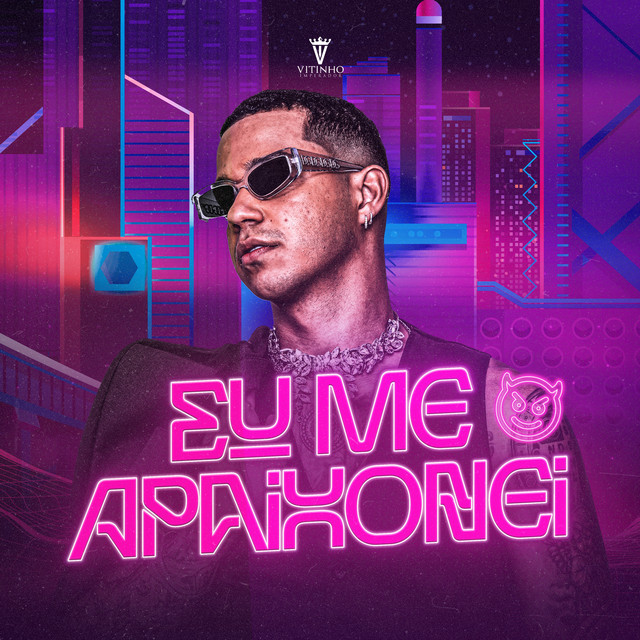
Eu Me Apaixonei
Vitinho Imperador
2025
Cortando Chão (Ao Vivo)
Natanzinho Lima
2023
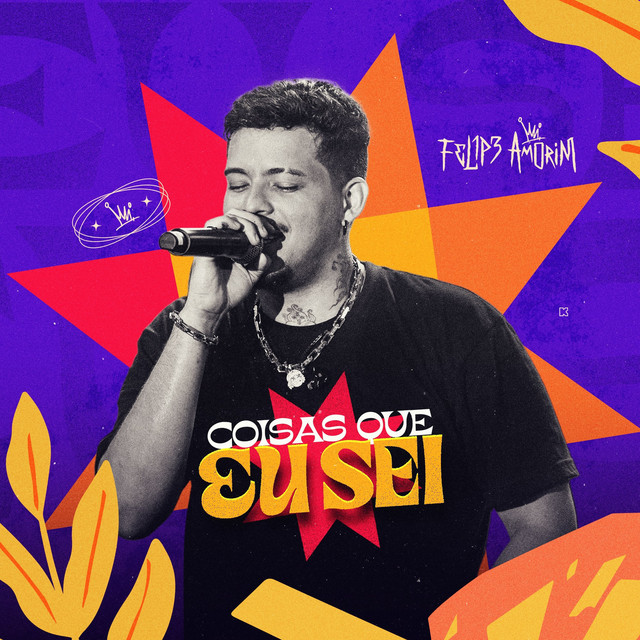
Coisas Que Eu Sei
Felipe Amorim
2025
Proibido Terminar (Ao Vivo)
Gusttavo Lima
2024
Última Noite
Léo Foguete
2023
Desejo Imortal (It Must Have Been Love)
Gusttavo Lima
Download our mobile app
Get the Melodigging app and start digging for new genres on the go
Download on the App Store
Get it on Google Play
© 2026 Melodigging
Give feedback
Legal
Melodding was created as a tribute to
Every Noise at Once
, which inspired us to help curious minds keep digging into music's ever-evolving genres.