Your digging level for this genre

0/8
🏆
Sign in, then listen to this genre to level up

Description

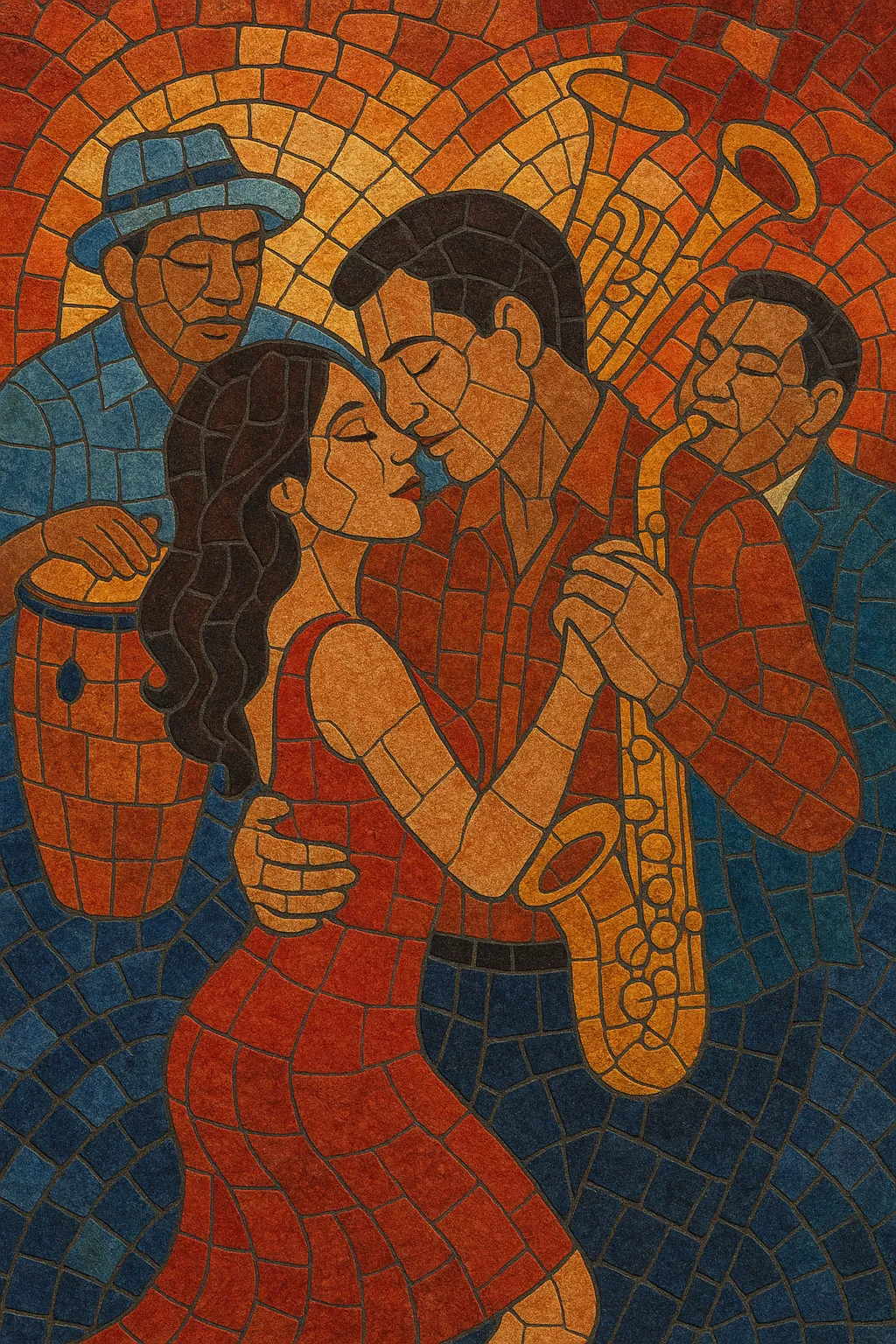
Salsa romántica (sometimes called salsa sensual) is a smoother, ballad-oriented branch of salsa that foregrounds love, longing, and intimacy. It keeps salsa’s core Caribbean rhythm section and call-and-response coros, but favors crooning vocals, lyrical themes of romance and heartbreak, and polished, radio-friendly arrangements.

Compared with the harder, streetwise energy of 1970s salsa dura, salsa romántica typically uses slightly slower tempos, more diatonic harmonies, warm string pads and synths, and streamlined brass lines. The result is danceable yet tender music that bridges tropical dance floors and mainstream Latin pop audiences.

History

Origins (mid-1980s)

Salsa romántica emerged in the mid-1980s, primarily in Puerto Rico and the Puerto Rican/Nuyorican scenes. Producers and bandleaders began softening salsa’s gritty, conjunto-driven sound with influences from bolero and the contemporary Latin ballad, aiming for broader radio appeal without abandoning the clave-based dance foundation.

Breakthrough and Branding (late 1980s)

Artists such as Eddie Santiago, Frankie Ruiz, and Lalo Rodríguez crystallized the style’s identity with love-centered lyrics, crooning delivery, and sleek production. The success of sensual, romantic hits in the late 1980s established a clear contrast with the rougher salsa dura of the previous decade and brought salsa back to the top of Latin charts.

Mainstream Expansion (1990s)

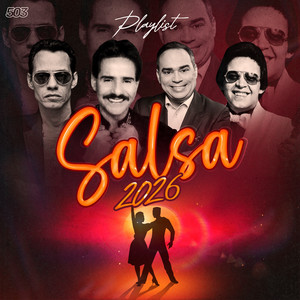
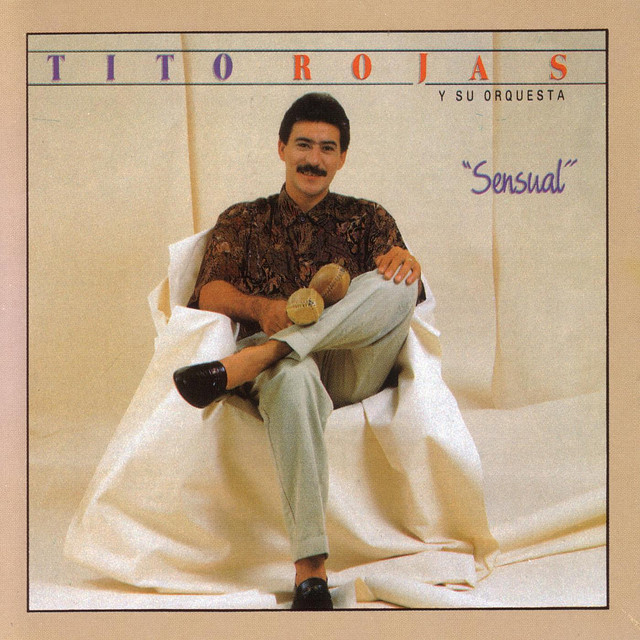
In the 1990s, salsa romántica dominated tropical radio across the Americas. Gilberto Santa Rosa, Jerry Rivera, Luis Enrique, Tito Rojas, and Rey Ruiz popularized a sound that blended ballroom-ready arrangements with pop polish. Crossover-ready stars like Marc Anthony further connected salsa romántica with Latin pop markets while retaining dancer-friendly grooves.

Consolidation, Critique, and Legacy (2000s–present)

While traditionalists sometimes critiqued the style for being too smooth or pop-oriented, salsa romántica’s craftsmanship, emotional directness, and consistent danceability secured its lasting place. Modern interpreters such as Víctor Manuelle refreshed the format with contemporary production and R&B touches. Today, salsa romántica remains a staple at social dances and continues to inform pop-leaning tropical fusions and romantic strands of Latin urban music.

How to make a track in this genre

Tempo and Groove
•   Aim for a moderate, dancer-friendly tempo slightly slower than salsa dura (roughly mid-80s to low-100s BPM), keeping strict 2-3 or 3-2 clave integrity. •   Use a steady tumbao on bass and traditional cascara/mambo patterns on timbales; congas and bongos should be supportive and less aggressively syncopated than in hard salsa.
Instrumentation
•   Core: congas, bongos, timbales, bass (tumbao), piano (montuno), and a compact horn section (often trumpets and/or trombones) with smoother, lyrical lines. •   Add pop-ballad colors: string pads, soft synths, electric piano, subtle guitar arpeggios; reserve brass ‘hits’ for short, tasteful mambos.
Harmony and Arrangement
•   Favor warm, diatonic progressions (I–vi–IV–V, ii–V–I, or iv–V minor turns), occasional borrowed chords, and clear cadences to spotlight vocals. •   Keep montunos concise; use coro-pregón exchanges to build emotion without overwhelming the ballad character. •   Brass mambos should be melodic and singable rather than aggressively percussive.
Melody and Vocals
•   Lead vocals are crooning and expressive; prioritize legato phrasing and clear diction. •   Coros should be short, memorable, and supportive of the hook; call-and-response with the lead (pregón) adds excitement before the final chorus.
Lyrics and Themes
•   Center on romance: desire, devotion, heartbreak, reconciliation, and nostalgia. •   Write in direct, conversational language; avoid overly dense metaphors to keep radio appeal and emotional immediacy.
Production Tips
•   Polished, radio-ready mixing: smooth EQ on horns, warm low end for bass/congas, tasteful reverb on vocals/strings, and tight stereo imaging. •   Keep dynamic arcs: verse (intimate) → pre-chorus (lift) → chorus (full band) → short mambo or montuno → breakdown → final chorus.
Quick Checklist
•   Clave-consistent rhythm section •   Tender vocal delivery and catchy coros •   Smoother brass, tasteful mambos •   Pop/ballad-friendly harmonies •   Romantic, emotionally direct lyrics

Top tracks

Locked
Share your favorite track to unlock other users’ top tracks
Influenced by
Challenges
Digger Battle
Let's see who can find the best track in this genre
© 2025 Melodigging
Melodding was created as a tribute to Every Noise at Once, which inspired us to help curious minds keep digging into music's ever-evolving genres.
Buy me a coffee for Melodigging