

Your digging level
Description
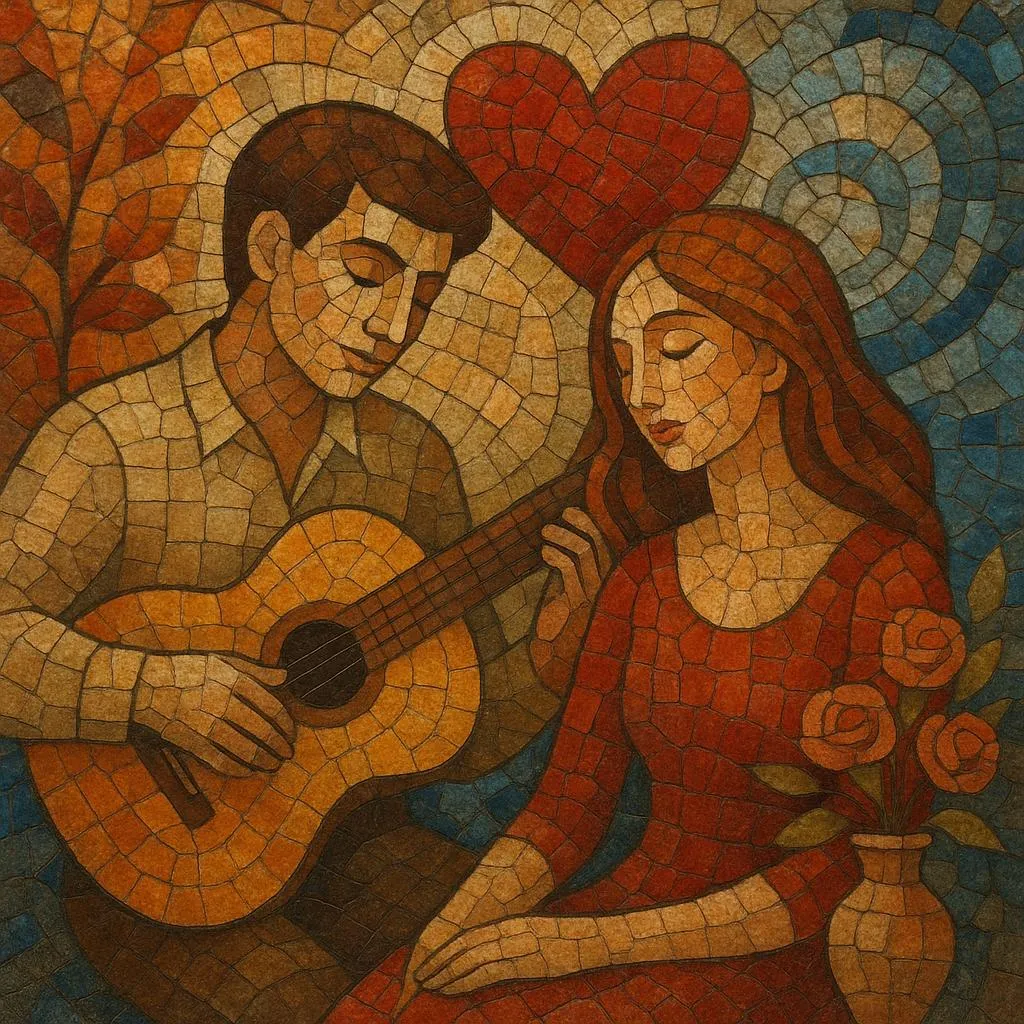
Romántico (often called música romántica) is the Latin love‑song tradition that blends classic bolero lyricism with modern pop ballad craft. Songs emphasize tender, intimate vocals, memorable melodies, and lush arrangements centered on themes of love, longing, heartbreak, and devotion.
Stylistically, Romántico spans from guitar‑led bolero trios to string‑swept, piano‑and‑orchestra ballads and soft pop productions. Typical tempos are slow to medium, with smooth harmonic progressions, expressive phrasing, and arrangements designed to foreground the singer’s emotional delivery.
History
The roots of Romántico lie in Cuban bolero of the early 20th century, whose poetic, slow‑dance songs set the template for Latin love music. By the mid‑20th century, bolero’s trio format, intimate crooning, and guitar‑centric accompaniment had spread across Mexico, the Caribbean, and South America. In Spain and Mexico, a parallel current—canción melódica and sentimental popular song—further normalized the slow, symphonic ballad.
During the 1960s, recording studios and television across Mexico and Spain helped standardize the modern romantic ballad: a lead vocalist framed by piano, strings, and soft Latin percussion. Arrangers fused bolero’s harmonic language with easy listening and orchestral pop, creating a smooth, radio‑friendly sound. Powerful singer‑songwriters, arrangers, and trios popularized a repertoire of timeless love standards.
The romantic ballad attained pan‑Latin dominance in this period. Sophisticated studio techniques, glossy orchestration, and crossover marketing brought Romántico to global audiences. Iconic vocalists became household names, while producers blended soft rock, adult contemporary, and Latin pop touches without losing bolero’s heart.
Romántico remains a core current within Latin popular music. Contemporary artists reinterpret standards with modern production (synth pads, refined reverb, cinematic strings) and incorporate elements from Latin pop, bachata, and even urbano. Tribute albums, unplugged sessions, and orchestral revivals keep the canon alive, while new composers extend the style’s emotive, lyrical tradition.




