Your digging level
Description
Bachata is a romantic guitar-driven genre and social dance that took shape in the Dominican Republic. Its core sound features arpeggiated lead guitar figures (requinto), rippling accompaniment, and a gently propulsive rhythm section built on bongó and güira.
Stylistically, bachata blends European (Spanish/bolero harmony and song form), African (percussion feel and call‑and‑response inflections), and Indigenous Taíno elements, mirroring the island’s cultural mosaic. The songs typically revolve around love, longing, heartbreak, and everyday life, delivered with a bittersweet, intimate tone.
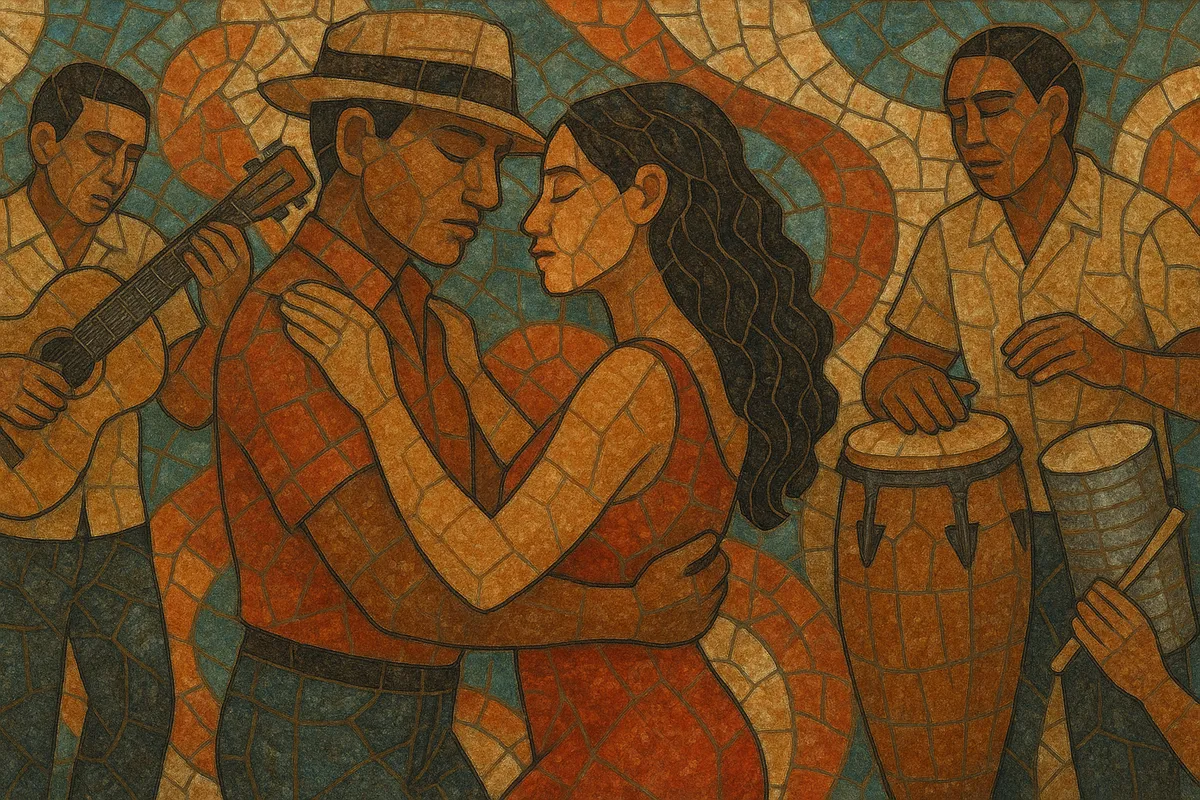
Musically it sits in 4/4, often mid‑tempo, with the lead guitar outlining chord arpeggios and ornaments (slides, trills, tremolo) over bolero-derived progressions. A companion partnered dance, also called bachata, evolved alongside the music and emphasizes close embrace, side‑to‑side steps, and a characteristic hip accent on beat four.
History
Bachata’s roots lie in Dominican interpretations of bolero (often called bolero campesino), serenade traditions, and rural guitar styles circulating through bars and patios. These drew on European harmonic practice and song forms, African-descended rhythmic sensibilities heard in percussion and phrasing, and Indigenous Taíno cultural presence on the island.
While the style existed earlier, the term “bachata” became associated with the genre as commercial recordings appeared in the early 1960s. José Manuel Calderón’s 1962 sides are frequently cited as milestones. Early bachata was socially stigmatized—linked with working‑class spaces—and circulated largely through inexpensive singles and local radio.
Artists like Luis Segura, Leonardo Paniagua, and Blas Durán standardized instrumentation (lead/second guitars, bass, bongó, güira). Blas Durán popularized electric lead guitar, sharpening the genre’s signature arpeggiated lines and facilitating more agile ornaments.
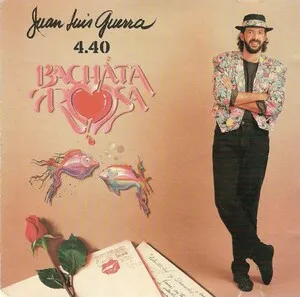
In 1990, Juan Luis Guerra’s album Bachata Rosa introduced polished, poetic bachata aesthetics to a global audience. Meanwhile, Antony Santos, Raulin Rodríguez, Frank Reyes, and others refined the romantic, dance‑floor‑friendly sound that would come to define modern bachata.
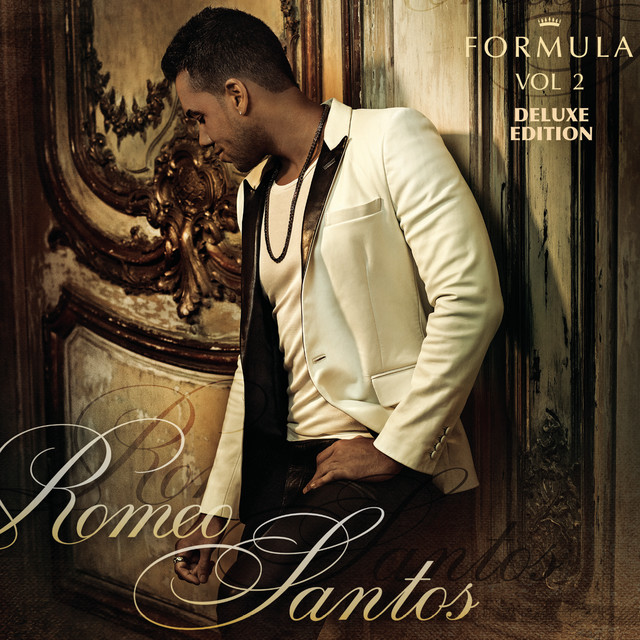
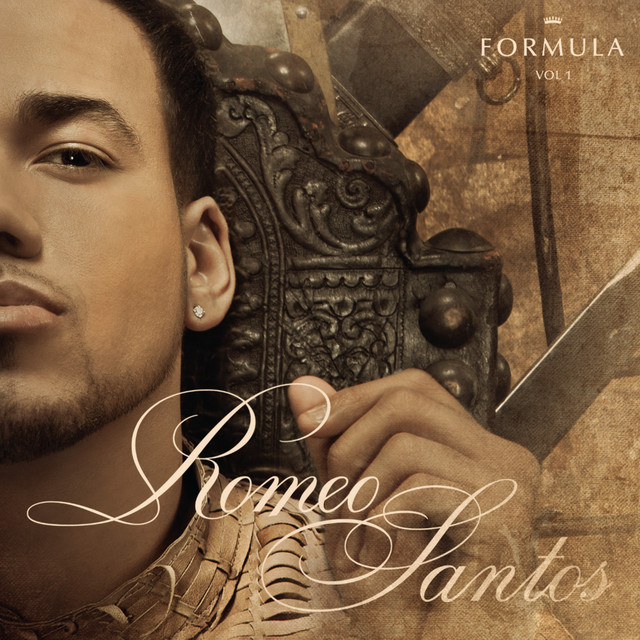
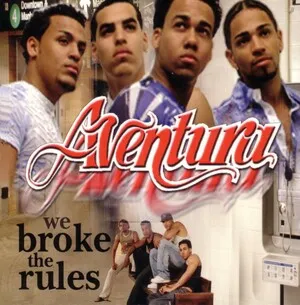
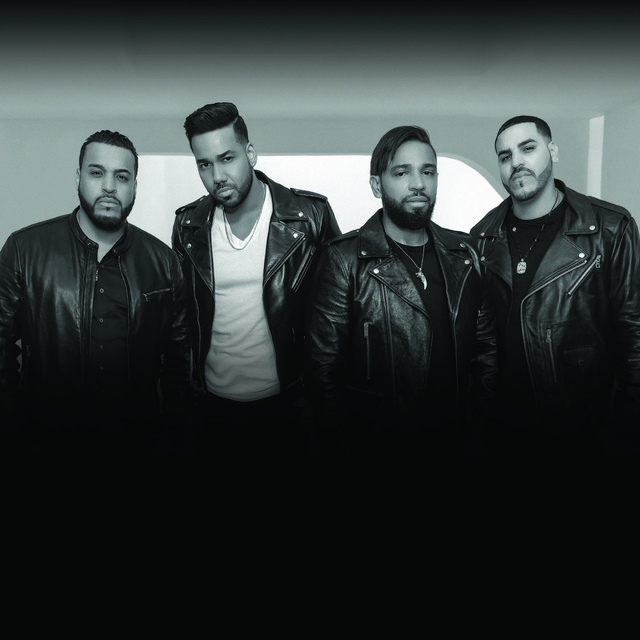
Aventura modernized bachata with R&B and pop sensibilities, paving the way for Romeo Santos and Prince Royce to lead international charts. New fusions emerged, including bachatón (bachata + reggaetón), and collaborations with Latin pop, urbano, and R&B artists. Today, bachata is a staple of Latin and global dance scenes, with traditional and pop‑leaning strands coexisting and cross‑pollinating.