

Your digging level
Description
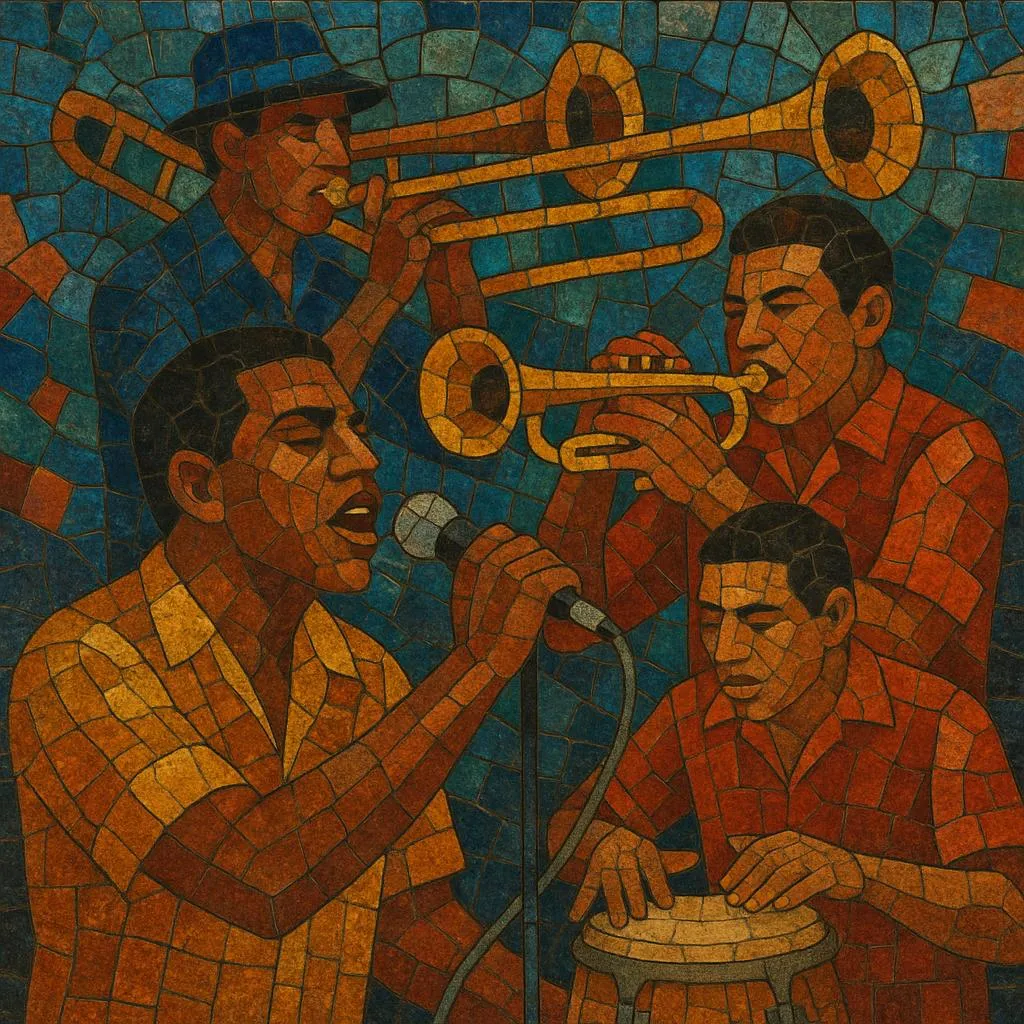
Salsa venezolana (Venezuelan salsa) is the Venezuelan take on Afro‑Caribbean salsa: brassy, hard‑swinging, and built for the dance floor. It keeps the New York/Puerto Rico salsa blueprint—clave, tumbao bass, montuno piano, and coros/soneo call‑and‑response—but is distinguished by Caracas’ taste for punchy trombone and trumpet lines, tight, riff‑driven mambos, and a buoyant, party‑forward delivery.
Compared with other national styles, Venezuelan bands often favor bright, unison brass hooks, a crisp percussion engine (congas, bongó, timbales with cowbells), and nimble arranging that pivots quickly from verse to montuno to moñas (short horn riffs). Lyrics range from barrio storytelling and streetwise humor to romantic bolero‑son ballads—always with a premium on the sonero’s improvisational flair.
History
Venezuela’s coastal and urban dance bands eagerly absorbed Cuba’s son and mambo and New York’s nascent salsa. Groups like Sexteto Juventud and Federico Betancourt y su Combo Latino modernized guaguancó/son formats with compact combos, sharper horn writing, and a street‑level swing that would soon define the Caracas sound.
The 1970s brought the scene’s signature bands and international ambassadors. La Dimensión Latina set a new standard for trombone‑driven arrangements and irresistible coros, while Oscar D’León emerged as a world‑class sonero—virtuosic, humorous, and tireless on stage—helping codify “salsa brava” in Venezuela. Orquesta Los Satélites, Ray Pérez y Los Dementes, and other Caracas units packed dance floors with tightly crafted mambos, moñas, and descargas.
Arranger‑drummer Alberto Naranjo’s El Trabuco Venezolano blended salsa with jazz ensemble craft, deepening the arranging palette (voicings, breaks, sectional interplay) without losing the clave. This period cemented Venezuelan salsa’s dual identity: both gritty dance music and a platform for sophisticated writing and virtuoso solos.
As salsa romántica spread across the Americas, Venezuelan groups such as Adolescent’s Orquesta and later projects updated the sound with sleeker production and lovelorn themes, while hard‑swinging outfits (e.g., Bailatino) kept the brava tradition alive. Touring and migration carried Venezuelan salsa aesthetics to stages from Miami to Madrid.
A thriving “salsa baúl” DJ/collector culture revived rare 1970s pressings and deep cuts, while new bandleaders and arrangers revisit classic Caracas brass voicings and montunos, sometimes seasoning arrangements with subtle national flavors (cuatro interjections, joropo‑tinged motives) and contemporary studio punch. The core identity remains: bright horns, agile soneo, and dance‑first momentum.
Draft the coro and one memorable moña first. Lock them to a two‑bar montuno and build the arrangement outward (intro, verse contrast, solos), checking every new figure against the clave for feel and flow.

Best playlists

![Salsa Venezolana [Vinyl Set #16]](https://i.ytimg.com/vi/DOfvnTM1LEQ/hqdefault.jpg)
